All posts by bradbirzer

By day, I'm a father of seven and husband of one. By night, I'm an author, a biographer, and a prog rocker. Interests: Rush, progressive rock, cultural criticisms, the Rocky Mountains, individual liberty, history, hiking, and science fiction.

High School Music Memories, 1975-1987

Hello Spirit of Cecilia Readers.  The editors of Spirit of Cecilia are having a blast reminiscing about their music tastes in their high school years.  Please enjoy our conversation as we take a deep dive into our respective nostalgias.
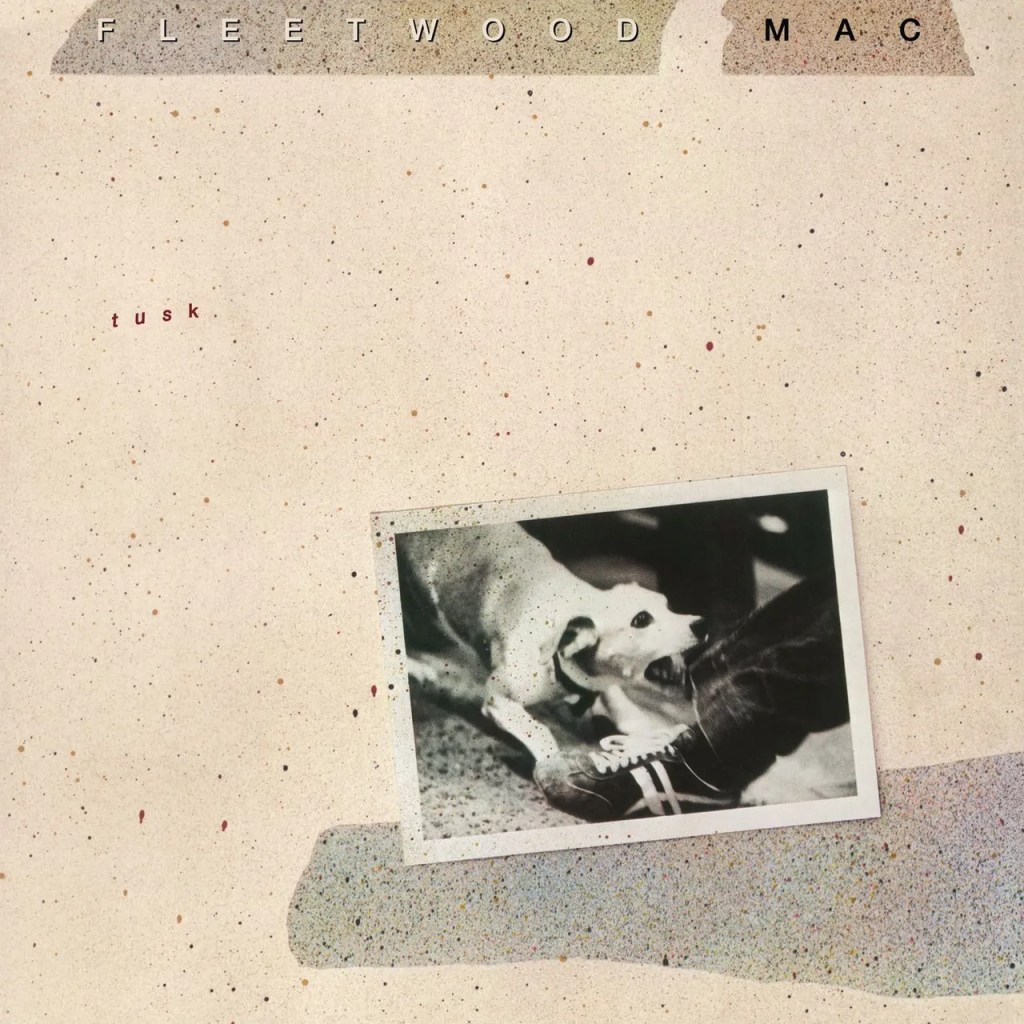
Tad: Okay, since I’m probably the oldest person here (Class of 1979), I’ll kick things off. My high school years started with glam, eased into arena rock, and ended up with punk and new wave. Early on, I loved Todd Rundgren, David Bowie, Mott the Hoople, and Badfinger. I still listen to those guys and enjoy them. I subscribed to Rolling Stone magazine, because it was actually good in the ‘70s and had fairly reputable music critics. The Eagles and Fleetwood Mac were probably the most popular artists at the time, but they were too laid back for me. I did like (and still do) Fleetwood Mac’s Tusk album, because it was so weird. Once New Wave hit in the late ‘70s/early ‘80s ,though, I was in heaven! There were so many new artists popping up, I could hardly keep up!

Carl: I was born in 1969 and had very little exposure to popular music until I was 12 or 13. There was church music (the robust, older Protestant hymns) and my parents’ very limited collection of what I call “white gospel music,” which ranged from cringe-inducing to not much better. Thankfully, a family that I was close to (Catholic!)  got me listening to some classical in junior high, which was wonderful—and stuck—because most of the public school music curriculum revolved around schmaltzy, light pop from the Seventies (Barry Manilow! Debbie Boone! Jesus Christ Superstar!).

Then, in junior high, I started to hear and pay attention to pop/rock music, often via a jukebox (!) at the local ice cream place, or a boombox during recess or after school. Songs that made a lasting impression on me were Queen’s “Another Bites the Dust,” Kenny Roger’s “The Gambler,” Joan Jett’s “I Love Rock ‘n’ Roll,” and Toto’s “Africa”. The dam broke for me in my first year in high school; that’s when my obsession with music went from 1 to 10. I would listen to whatever I could and by any means possible: radio, 8-tracks (Beach Boys!), cassettes, and tunes played by friends. 

Looking back, I was fortunate that I had older friends and a couple of teachers who introduced me to “classic rock” (of course, some of it was very new then) by groups including the Eagles, Journey, Moody Blues, ELO, Kansas, Foreigner, Elton John, Pat Benatar, Van Halen, and so forth. And 1982-84 was a great time for classic albums by The Police, Men at Work, Michael Jackson, Toto, Def Leppard, and Big Country. But the music that I was drawn to most strongly was “90125” by Yes, anything I could find by Kansas, Elton John, Queen, and some Contemporary Christian Artists, including Michael W. Smith. 

The one thing I avoided like the plague was harder rock or metal; I had no interest in AC/DC, Quiet Riot, Iron Maiden, Metallica, etc. Still don’t. It was a while before I discovered more prog-gish groups like Rush and Asia. In my final two years of high school (‘85-87), I was a big fan of Steve Winwood, Bruce Hornsby, ELO (which was some of the soundtrack for my senior year), Alan Parsons Project, Styx, Mr. Mister, and similar AOR groups. I had no interest in jazz and didn’t care for most new wave music, with a couple of exceptions (Spandau Ballet stands out). It wasn’t until “Momentary Lapse of Reason” came out in late 1987 that I first paid any attention to Pink Floyd. 

In sum, much of this was simply “in the water”; however, I see now that I was increasingly drawn to the sort of prog-gish groups that would open the door to my deep plunge into prog in the early to mid-1990s, which then (in ways) opened the door to jazz. But that’s another story for another time!

Brad: Hey guys, great to be talking with you all!  Always a privilege and an honor.  
So, I was born in late 1967, and I was in high school, 1982-1986.  These years were deeply formative for me, and I look back on them fondly.  Like all of us, I was a total music nerd and freak, and I had a huge record collection–one I inherited from two older brothers, but which I expanded by huge degrees.  I also worked at the local radio station, KWHK-1260AM/Adult Rock, but we had briefly flirted with a New Wave format–so we still got demos and Advanced Review Copies of XTC, The Cure, B-Movie, Echo and the Bunnymen, etc.  No one at the radio station had any interest in these, so I got them all, adding them to my private collection.  Really, when it came to owning music, I couldn’t have asked for anything better.

The two things–inheriting music tastes from my brothers and my acquisitions at the radio station–fundamentally shaped my music tastes.  Admittedly, though, my music tastes would evolve even more–or perhaps refine?–when I met our own beloved Kevin McCormick.  Another step in evolution came from meeting my great grad school friend, Craig Breaden, who had, for lack of a better way of putting it, retro tastes, introducing me to some of the best psychedelic rock of the late 1960s and early 1970s: Jimi Hendrix Experience, Blodwyn Pig, Traffic, Spooky Tooth, and others.

But, back to high school.  My favorite bands in high school were, at least until 1985, Rush, Yes, Genesis, Kansas, Thomas Dolby, ABC, and the Fixx.  I was pretty obsessed with each of these bands, and I played each on constant repeat.  I knew and liked U2 (especially War), but I wouldn’t become really taken with them until I met Kevin.  I can say the same about The Cure.  I really liked them, but I didn’t fall in love with them until Disintegration in 1989.  1985, though, really changed much for me–mostly because I heard Kate Bush, Simple Minds, and Tears for Fears for the first time.  I was utterly blown away by both Hounds of Love and Songs from the Big Chair–each a perfect (utterly perfect) blending of pop and prog.  Man, those are good memories.  I also really liked Simple Minds, but true love for that band didn’t occur until I met Kevin.

Other albums I totally obsessed over during high school: Golden Age of Wireless, The Look of Love, Signals, Grace Under Pressure, Reach the Beach, and 90125.  I was also really into the Police, especially Synchronicity.

Even then, I was most taken with lyrics, analyzing every one of them, always looking for deeper meanings.  For me, 90125 was a comment on the state of the American republic (I’m not saying my interpretations were correct; only deeply held), the Golden Age of Wireless was the putting of Ray Bradbury short stories into music form; Hounds of Love was about Satan’s attempt to dominate the world; Grace Under Pressure was about Reagan’s struggle to win the Cold War; and Songs from the Big Chair was a deep exploration of an individuals psychological strengths and weaknesses.  Yeah, I was probably totally wrong about each of these.

Erik: I love to make playlists with my music collection, and if you scrolled through the music app on my iPhone, you would find a lot of them.  Some are based on musical styles, some are based on lyrical themes, and some are based on time periods. I have one playlist called Nostalgia 79-82 which is dedicated to music I own that came out during my high school years of 1979-1982.  While my tastes were not limited to those years, that playlist nevertheless serves as a great example of what I was listening to at the time.  The list includes a wide variety of music, from AC/DC to Yes, with Black Sabbath, Rush, Van Halen, Triumph, and others in between.  

The first year of that era, 1979, was more consequential in developing my long term musical tastes than any other.  That was the year I discovered Yes, Rush, and Pink Floyd.  Yes was discovered through a concert that left an impression on me that reverberates to this day.  I also stumbled across Rush through the 2112 album (seeing them later that year in concert as well), and had my first listen of Floyd’s Dark Side of the Moon.  Toward the end of that year, I purchased Pink Floyd’s new release, The Wall.  The net effect of these discoveries was to bifurcate my musical tastes into “prog” and “not prog,” establishing a certain yin and yang to my listening habits.
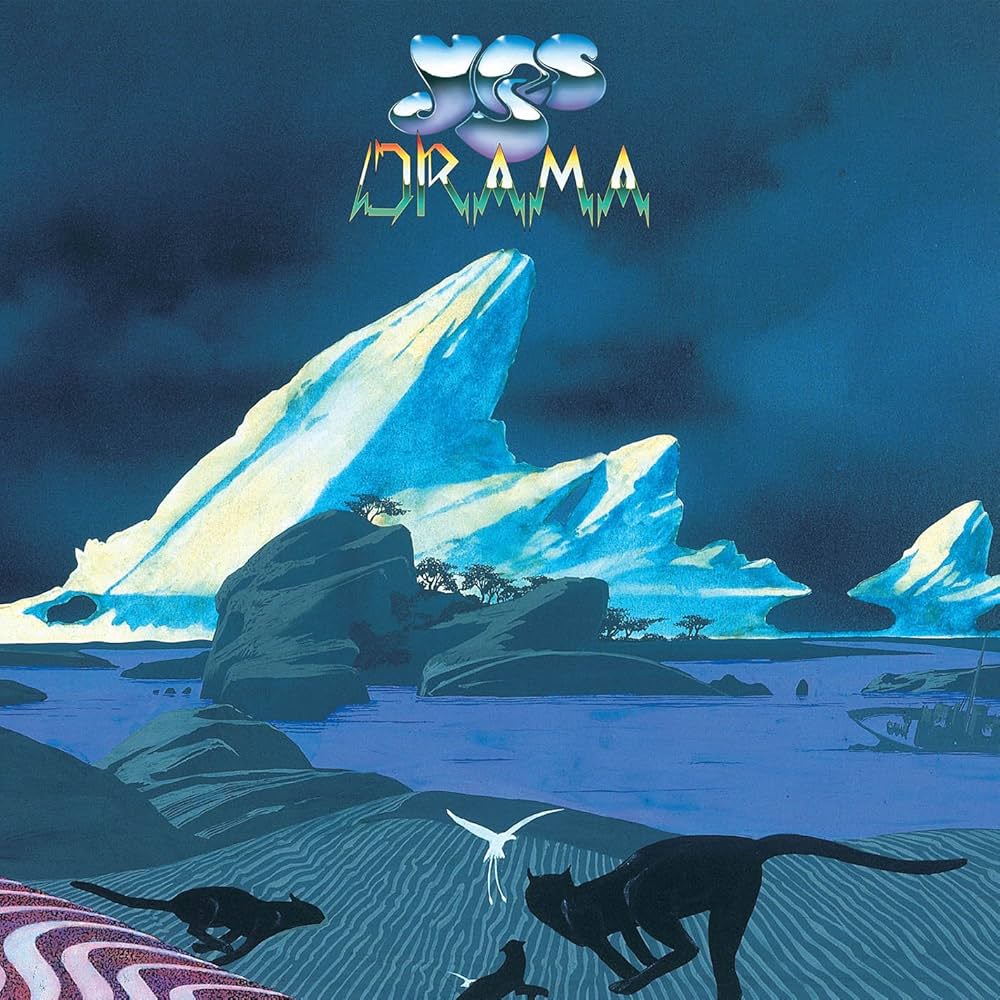
Prog was the yin, and it quickly became my favorite genre, as I devoured Yes’s back catalog and eagerly purchased Drama (despite the loss of Anderson and Wakeman) upon its release in the summer of 1980.  A similar dynamic repeated with Rush and Pink Floyd, and soon I had Rush albums like A Farewell to Kings, All the World’s a Stage, Hemispheres, and Permanent Waves, while Pink Floyd albums like Ummagumma, Meddle, and Wish You Were Here also made it into my collection.  Before long, I was also getting into Jethro Tull and Emerson, Lake and Palmer, and on occasion, dabbling into some King Crimson and Genesis music, while Kansas became a regular in my musical rotation.  Prog also turned into the gateway drug that led me first to liking classical guitar, and eventually to classical music in general.

The yang was everything else.  I’m an outlier in this group, as I’ve always had a taste for harder rock, occasionally veering into heavy metal, and I’ll always have a sweet spot for loud, dirty, distorted electric guitars.  I also like plenty of blues-based classic rock.  Thus, when I was in a yang mood, you might have caught me listening to AC/DC, Aerosmith, Van Halen, Styx, The Who, and so on.  Like many of my generation, I was already into Led Zeppelin, whose music spanned multiple genres.  Black Sabbath released two new albums with Ronnie James Dio on vocals, both of which received a period of heavy rotation.  Judas Priest had what I consider their first truly heavy album, British Steel, during this time, which blasted out from many a car in my high school parking lot.  And although geographically, Lexington, Kentucky (where I attended high school) is not the deep south, culturally it seemed indistinguishable from Alabama.  As a result, it wasn’t unusual to hear me listening to some twangy-guitar southern rock from Lynard Skynard, Molly Hatchett, The Outlaws, or the Allman Brothers.

Music was changing a lot during my high school years, as punk had taken its shot at prog, while new wave was emerging.  My own tastes were a little slower to change.  A lot of the new wave music that became popular during that era was not as sonically dense as the music from the previous decade.  Because of that, the music often times gave me a similar feeling of eating gourmet food that, while tasty and well presented, left me hungry.  Eventually, I came to like some of it though, and The Police were the first to break through with their Ghost In The Machine album, and particularly the songs Spirits in the Material World and Invisible Sun.

To this very day, my listening bounces between the yin and the yang.  I will go for periods in which I listen to prog and nothing but prog, while I go through other periods where I will listen to other types of music while prog is on the back burner.  The yin music and the yang music both serve as palette cleansers for the other, and that’s one thing that keeps the music sounding fresh, even in the decades that have passed.

Tad: Erik, I have always had a soft spot for hard rock – especially AC/DC, who I thought were hilarious while coming up with terrific riffs. 
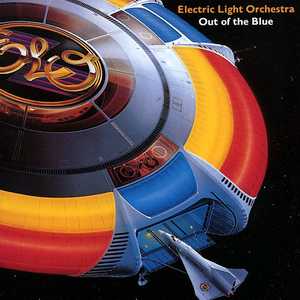
I’m going to cut to the chase and list my favorite ten albums that I loved at the time, starting with 1977:

Steely Dan: AJA

Brian Eno: Before and After Science

Pink Floyd: Animals

Yes: Going For the One

Alan Parsons Project: I Robot

Cheap Trick: In Color

Ramones: Leave Home

Electric Light Orchestra: Out of the Blue

Peter Gabriel: Peter Gabriel (Windshield cover)

Talking Heads: ‘77

These came out when I was a high school sophomore, and looking back there was an amazing variety of genres to choose from back then. It’s pretty clear that Rolling Stone and Musician Magazine had a big influence on me; how else would I have known about Eno’s Before and After Science (an album I still adore) or The Ramones? I think I was the only kid in my high school who listened to them and Talking Heads.

For me, 1978 was a transitional year, where I listened to established artists while enjoying some music from some new ones like The Police:

David Bowie: “Heroes”

The Cars: The Cars

Bebop Deluxe: Drastic Plastic

Jethro Tull: Heavy Horses

Todd Rundgren: Hermit of Mink Hollow

Talking Heads: More Songs About Buildings and Food

Police: Outlandos D’Amour

Cheap Trick: Heaven Tonight

Ramones: Rocket To Russia

Rolling Stones: Some Girls

Little Feat: Waiting For Columbus

!979, my senior year, is where I embraced New Wave pretty much to the exclusion of everything else:

Buggles: The Age of Plastic

Elvis Costello: Armed Forces

The B-52s: The B-52s

Supertramp: Breakfast in America

Devo: Duty Now For the Future

Talking Heads: Fear of Music

George Gershwin: Manhattan (Woody Allen’s movie soundtrack)

Roxy Music: Manifesto

Gary Numan: The Pleasure Principle

Police: Regatta De Blanc

Joni Mitchell: Shadows and Light

Fleetwood Mac: Tusk

Fischer-Z: Word Salad

I still love all of these albums! Well, I guess I don’t listen to the B-52s that much any more, but I don’t dislike them. Dropping the needle on Roxy Music’s Manifesto immediately transports me back to that time in my life. 

Brad: Tad, Carl, and Erik, I absolutely love reading through your memories.  Frankly, it’s amazing that even though we’re different ages, we have very similar tastes in music and all came to a similar spot.  One thing that’s absolutely clear is that we all love prog and New Wave–frankly, we love our music to be artful and far from simple pop.
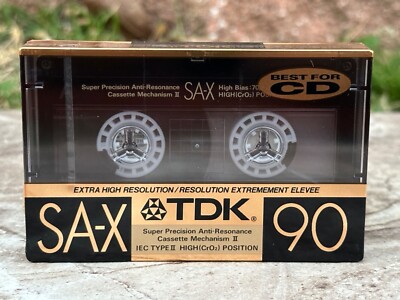
I’ve already told you guys about my radio station experience, but I have to mention two other things–which is so terribly Gen X–I absolutely loved making mixed tapes for my friends.  I would buy the 10 or 20 packs of blank TDKs and give them to anyone and everyone who would listen.  Frankly, it was a kind of love note to each of my friends.  I especially loved making mixed tapes for my girl/female friends.

I would guess that I was pretty known for doing this, and I was pretty good at it, I think.  At least in memory, I was good at it.  It’s been years and years since I’ve done such a thing.  I also made some mixed CDs, but that simply wasn’t as joyful as a mixed tape.  I’m not sure why.

I also made mixed tapes for myself–my “best of” Yes or The Doors or Genesis, stuff that I thought should run together that wasn’t on the original albums.

I have nothing but great memories of high school when it comes to music.

But, the second thing I did in high school was dance like a mad man.  The good Lord knows I was not created to be coordinated or athletic.  I’m as gangly as they come, and I look like a total fool on the dance floor.  But, I never cared.  I told myself to have a good time, and, by God, I had a great time dancing.  I went to every dance possible in high school and college, and my friends and I–when we got together–would have house dances.

Again, I’m so very, very Gen X.

Kevin: Well I’m once again late to the party, but it would appear that our stories are all quite different, which really makes it interesting.

My earliest years were in Fort Worth, Texas, and so the influences around me were more in the style of popular country music at the time than anything else. But my parents were from other places and so the music at home was a bit different. My mom had studied piano in college so there was a lot of classical around and my dad was a huge fan of the music of the 50s and 60s. Full disclosure: there was also a lot of 70s schmaltz.

But it was my older brother who really shaped my early understanding of rock. He was a pianist himself, and so I heard a great deal of Elton John, who I could tell had the cool factor over my country interests and even my Dad’s classic albums. 

We moved to St. Louis when I was eight and I became friends with a classmate named Pat Malacek who had two older brothers a load of amazing albums at his disposal. He introduced me to Queen who quickly became shot to the top of my list. As a guitarist, I was in awe of the spectacular craft of Brian May and since there was piano too my brother and I could pick out tunes from their songbook. We also listened to the classic rock station KSHE 95 which included all of the great (and some not so great) music of the era: Boston, Foreigner, the Eagles, Zeppelin, Kansas, Genesis, Yes, and the like. We avoided disco like the plague, but it somehow still made it onto our car radio when mom was driving.
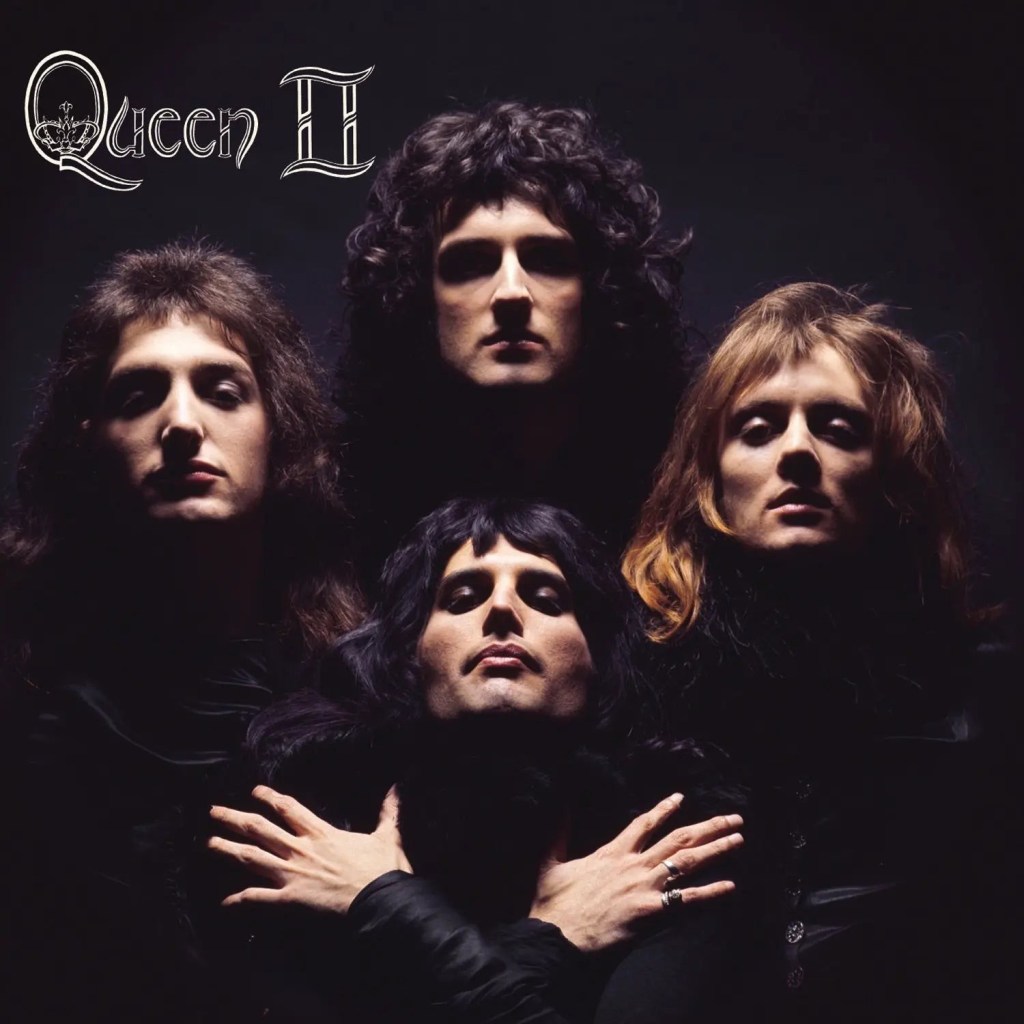
For me Queen seemed to have the whole package though. The music was hugely varied and yet somehow held together. The both the songs and albums flowed like art films, sometimes one side at  a time, incredible playing and vocals. It was the jam!

All the while I was studying classical guitar, which it served me well with learning rock on my own.

And then one day on the ride home from school I heard an extraordinary other-worldly flourish of sound (It wasn’t until a couple of years later that Matt revealed to me that it wasn’t a synth—it was a guitar!) The opening 10 seconds of “The Spirit of Radio” was all it took: I was captivated. Rush usurped Queen (who had begun to drift from what I had liked about them). I bought every album and began using them to teach myself electric guitar, with Alex Lifeson as my “absentee” instructor. For a while in high school I would listen to one album a day.  It was my electric homework.

We also moved to San Antonio in 1981 and I encountered MTV for the first time. This opened up my musical world profoundly and the new music out of Europe began to take over my playlist. It would be impossible to list them all, but U2 and The Police were huge influences. Since my brothers and I were starting to play gigs, a lot of music I listened to was connected to the clubs we were playing: Blancmange, R.E.M., Depeche Mode, Psychedelic Furs, Simple Minds and many more.

My brother Colin and I went to see the Furs at the Majestic Theater and the opening act was a band that I knew of, but knew very little about. Talk Talk stole the show. I can’t fully express the impact this moment had on me. They were so present on stage and the music was intense, the melodies delivered with sincere passion, fretless bass, powerful drums, inventive jazzy key lines. It seemed to bring together my entire musical history in a single sound and yet the guitar was only lightly in the background of the mix. It changed my understanding of rock composition!

In college, Bradley and I met while studying rocks (okay geology class) and our friendship spurred a whole new angle: jazz! Particularly Pat Metheny and the artists of Windham Hill. And of course we connected on so many of the prog bands! Eventually this included regular mix tapes he would send. So much music!  He kindly welcomed me onto his radio show and we laughed a lot and he spun great tunes. And the rest is…history!

Brad: A huge thanks to everyone for participating. All five editors of Spirit of Cecilia. We hope you, gentle reader, have enjoyed this utter blast of nostalgia.

The Declaration of Independence: A Radical Experiment in Liberty

Dear Spirit of Cecilia Reader, greetings from southern Michigan.

I just want to let you know that my (Brad’s) new book is out today from Stone House Press: The Declaration of Independence: A Radical Experiment in Liberty.

I’m pretty proud of it.

If you’re interested in it at all, you can order it at Amazon.

Amazingly enough, it’s the no. 1 release in Modern Western Philosophy. Pretty cool!

Interview: Rylee McDonald of ADVENT HORIZON

This morning, I had the great and grand pleasure of interviewing Rylee McDonald of Advent Horizon. We talked for about 35 minutes. You’ll see–though Rylee is a young guy–he is fully immersed in prog and new wave. And, he’s just as kind and insightful and brilliant as I expected after hearing the lyrics to his latest album, FALLING TOGETHER. Please support these guys! They’re the real deal.
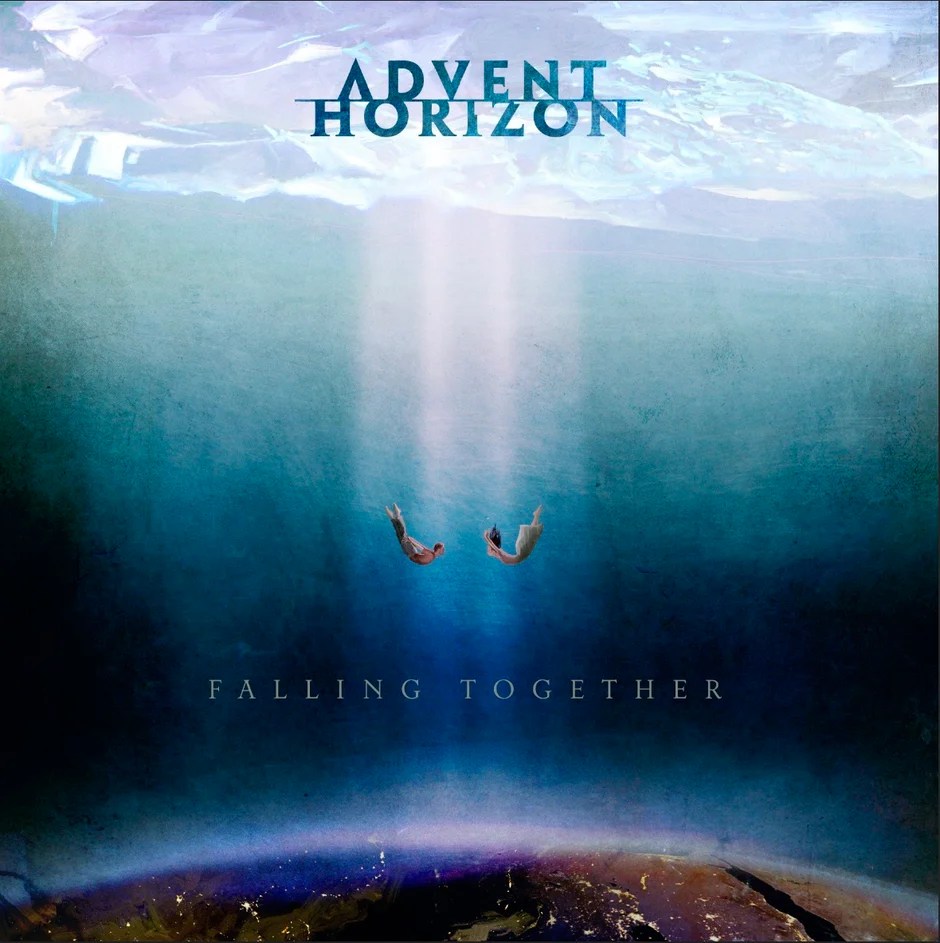
Here’s the interview:

To order the new album, please go to Band Wagon USA!

The Pineapple Thief on Insideout

InsideOutMusic announces signing of progressive art-rock group The Pineapple Thief


North American tour dates revealed for Nov/Dec 2026

Photo credit: Martin Bostock

InsideOutMusic is pleased to announce the signing of progressive art-rock group The Pineapple Thief.  Founded in 1999 by Bruce Soord, the band has long been one of the genre’s most successful and accomplished outfits, releasing 16 studio albums and touring worldwide. The band consisting of Soord (vocals, guitars), Jon Sykes (bass), Steve Kitch (keyboards), and Gavin Harrison (drums), is working on a new album for release in late 2026.Bruce Soord comments: “Joining Inside Out is a definitive milestone for The Pineapple Thief. Having spent the past year developing new material, it became clear that Inside Out is the perfect home for our next musical journey. We are energised by this new partnership and can’t wait to reveal what we’ve been working on!”Thomas Waber, head of InsideOutMusic, adds: “We are extremely excited to welcome The Pineapple Thief to the InsideOutMusic family. As longtime followers of the band, it feels like the right time to be working together, and we can’t wait to help bring their new material into the world.” 

The Pineapple Thief recently announced the following festival shows in Europe:June 25th  Istanbul TK – Zorlu PSM – with The GatheringJune 27th  Cornwall GB – Morvala Festival of ArtsJuly 3rd  Joensuu FIN – Ilovaari FestivalJuly 4th  Helsinki FIN – CoolHead LiveJuly 16th  Bronnoysund NO – RootsfestivalenAug. 2nd  Manchester GB – Radar Festival Now, the band is revealing headline tour dates across North America.  Tickets go on sale Friday, April 17th at 10am local time.Nov. 17th  Washington DC – Howard TheaterNov. 19th  Philadelphia PA – Theatre of Living ArtsNov. 20th  New York City NY – Gramercy TheatreNov. 21st  Somerville MA – Somerville TheaterNov. 22nd  Quebec City QC – CapitoleNov. 24th  Montreal QC – Beanfield TheatreNov. 25th  Toronto ON – Danforth Music HallNov. 27th  Chicago IL – House of BluesNov. 28th  Cleveland OH – House of BluesNov. 29th  St. Louis MO – Delmar HallDec. 1st  Dallas TX – The Bomb FactoryDec. 3rd  Denver CO – SummitDec. 5th  Phoenix AZ – Crescent BallroomDec. 6th  San Diego CA – The Observatory North ParkDec. 8th  Los Angeles CA – The BellwetherDec. 9th  San Francisco CA – August HallDec. 11th   Seattle WA – Neptune TheaterDec. 12th  Portland OR – Revolution HallDec. 13th  Vancouver BC – Hollywood TheaterMore news to come…

Happy 25th Birthday, Burning Shed!

Burning Shed Logo

Thank You


This month, (almost) unbelievably, marks 25 years of Burning Shed.
 
We’d like to issue a heartfelt thank you for your support over the many years and provide some insight into the company and what our plans are for this anniversary year.
 
‘The Shed’ emerged out of an idea Tim Bowness had for an idealistic online / on-demand label. Peter Chilvers – one of Tim’s musical partners – was experienced in the then mysterious world of e-commerce. Pete Morgan, the final piece of the Burning Shed jigsaw, was running Noisebox, a record label and duplication company (that dealt with releases by Tim and Steven Wilson’s band No-Man).
 
Over several intense gatherings (fuelled by eggs, chips, beans and the milkiest of coffees), a plan was hatched. After six months of trying to convince a bank that the notion of selling CDs from a website wasn’t witchcraft, that plan was in motion.
 
Tim brought in the music, Peter created the coding and Pete ‘The Morganiser’ took charge of logistics.
 
Initially, the idea was to issue elegantly packaged, cost-effective CDR releases – designed by Carl Glover – that allowed artists to experiment and, crucially, generate a little income from their endeavours. 


Luckily, the first releases – including albums by No-ManBass CommunionRoger Eno and Hugh Hopper – proved to be more successful than anticipated and Burning Shed rapidly evolved. Soon the CDRs became CDs and via word of mouth the company was hosting official stores for artists and labels including Robert Fripp King CrimsonStewart & Gaskin / Hatfield & The NorthJethro TullXTCKscope Records and many others (including, of course, No-Man and Porcupine Tree).
 
Peter Chilvers left in 2008 to work with Brian Eno, but Tim and Pete persisted, building the company up. 25 years on, the Shed is driven by the same instincts as it was at the very beginning.
 
As a “run by artists for artists” company, we try and ensure that the musicians and labels we deal with receive as much money as they can and that deals and accounting are transparent. There are no hidden costs or binding contracts. The idea has always been to release and help globally distribute great music at reasonable prices in the best way possible (to make sure it arrives in perfect condition and on time).
 
To celebrate our 25th anniversary, from April until next March we’ll be bringing you special releases, merchandise and giveaways including more raffle winners each month.
 
We’re also putting on a number of events throughout the year, starting with three co-headline gigs by Tim Bowness with Butterfly Mind plus Bruce Soord & Jon Sykes (The Pineapple Thief):
 
Sun 24 May – Liverpool, Philharmonic Music Room
Fri 29 May – Bath Fringe Festival at Rondo Theatre
Sat 20 June – London, The 100 Club
 
Ticket links are available via https://timbowness.co.uk/live/
 
Looking forward, we’re in a much more complicated world. When we started, it was relatively easy. Shipping involved a jiffy bag, a label and a stamp. Selling online is now more complex, with electronic customs declarations, tariffs, Brexit, GPSR, GDPR, etc etc. From operating out of the corner of Pete’s office at Noisebox, we now have a warehouse and a truly superb team of people making sure everything runs smoothly.
 
None of this would have been possible without the support of all the artists and labels we have worked with over the years. Most importantly, it would not have worked without you, our customers.
 
We know there are many other places to buy music from, so that makes it all the more special that you continue to order from us. Some of you have been with us since the very beginning, some of you have just found us. We are extremely grateful to every one of you, old and new.
 
Thank you for supporting what we do.
 
Here’s to the next 25 years!
 
Tim and Pete

Best Albums, Counting Back from 2026

A former student, Chuck, just posted his favorite albums from 2001. I must admit, of his list, I only knew one of the albums, Dave Matthews Band’s EVERYDAY. Inspired by Chuck, though, I decided to look back over the years from this year. Here’s what I found. Let me know what I’m missing.

Best Albums, 2021–Five Years Ago

Frost, Day and Age

Transatlantic, The Absolute Universe

Big Big Train, Common Ground

Steve Hackett, Surrender of Silence

Best Albums, 2016–Ten Years Ago

Pineapple Thief, Your Wilderness

Steven Wilson, 4 ½

Iamthemorning, Lighthouse

Marillion, FEAR

Kansas, The Prelude Implicit

Riverside, Eye of the Soundscape

Frost, Falling Satellites

Best Albums, 2011–Fifteen Years Ago

Steven Wilson, Grace for Drowning

Yes, Fly From Here

Airbag, All Rights Removed

Porcupine Tree, Anesthetize

Wobbler, Rites at Dawn

Riverside, Memories in My Head

Cosmograf, When Age has done Its Duty

Neal Morse, Testimony Two

Best Albums, 2006–Twenty Years Ago

David Gilmour, On an Island

Frost, Milliontown

Pure Reason Revolution, The Dark Third

Porcupine Tree, Arriving Somewhere

The Tangent, A Place in the Queue

Tool, 10,000 Days

Best Albums 2001–Twenty-five Years Ago

Tool, Lateralus

Muse, Origin of Symmetry

Dave Matthews Band, Everyday

Yes, Magnification

Radiohead, Amnesiac

Transatlantic, Bridge Across Forever

Marillion, Anoraknophobia

Best Albums, 1996–Thirty Years Ago

Flower Kings, Retropolis

Rush, Test for Echo

Porcupine Tree, Signify

Yes, Keys to Ascension

Spock’s Beard, Beware of Darkness

Stone Temple Pilots, Tiny Music

Dave Matthews Band, Crash

Best Albums, 1991–Thirty-five Years Ago

Talk Talk, Laughing Stock

Marillion, Holidays in Eden

Live, Mental Jewelry

My Bloody Valentine, Loveless

Pearl Jam, 10

Matthew Sweet, Girlfriend

U2, Actung Baby

Best Albums, 1986–Forty Years Ago

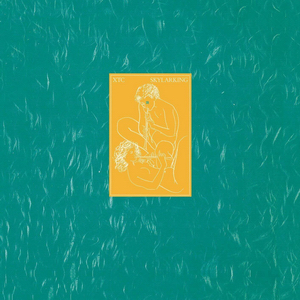
XTC, Skylarking

Talk Talk, The Colour of Spring

Peter Gabriel, So

The Smiths, The Queen is Dead

The Spawton Files, Part II: The Music Business

[Dear Spirit of Cecilia Reader, greetings! This is the second part of an interview I conducted with the mighty Greg Spawton. Yes, I love the man–as a friend, as an inspiration, and as an artist. Most of this part of the conversation revolves around Greg’s role in the band, the future of the band, and the relationship with InsideOut/Sony. Part III will deal with Woodcut. As you can see, Greg is a man of impeccable integrity, always trying to better himself and those around him. Please enjoy. By the way, if you’re looking for The Spawton Files, Part I, click here. Yours, Brad]

Brad: So let’s switch topics for a moment.  I’d like to look at a broad topic, for a moment, a meta topic.  You know, as I look back over the long history of Big Big Train, in a lot of ways, I mean, you are obviously the steady character of the band.  You’re the still point, to use a T.S. Eliot image.  Everything revolves around you.  You’re the monastery and everything—all of time—is passing around it in some way [a reference to Walter Miller’s Canticle for Leibowitz].  So, I’m curious, do you still see Big Big Train as a band or do you see it as a project?   You and I are both getting up there in age.  Do you see BBT continuing some day when maybe you’re not involved?

Greg:  That’s really a good question.  It’s interesting because it started as a band and then it became a project really especially when it was me and Andy and bringing in who we could to help us finish off what we were doing.  So in the kind of mid-period, we were a band.  And then when David joined and Nick DVG and Rickard and we got the sort of steady lineup from 2009 from the Underfall Yard album and then started playing live again.  It went back to being a band, you know.  So it’s been a sort of circular process, really.  If anything it’s got even more that vibe now because, of course, we become a proper touring band on a tour bus and all those things.  So it is very much the rock and roll lifestyle that I used to read about in books.  It’s, you know, the whole Spinal Tap thing; it’s absolutely like a documentary, but it is so much real life, too.  So we’ve experienced all these things.  So it’s very much a band now.

And of course, I lost, as you know, David a few years ago, and he was my brother in music, really.  So that was an incredibly sad and destructive moment to lose him. When I think back on it, if we hadn’t chosen Alberto as our new lead singer, I don’t think anything else would have worked.  I think we just happened to get the right guy to actually help me carry this forward because I’m 60 now. And I’ve been doing this a very long time.   I remember when we were we were recording Woodcut in the US. With his energy—he’s 20 years younger than me—and his energy to be able to produce and run those sessions, whereas I was sort of watching, thinking I used to be that guy, you know.  I used to be that guy, and I think as you get older, the level of your ability to stay on these things becomes slightly diminished, I think.  So I need more help.  Alberto is the right guy in the right place at the right time.  So, we’re already thinking about the album after Woodcut, and that’s how it has to be in the music business.

Brad: You’re already thinking quite a long way ahead.

Greg: I see myself on a tour bus in 10 years time?  I don’t know.  I mean, I think it depends on some commercial realities here.  So if the band continues to grow and is commercially successful enough to warrant touring, yeah, I think I probably could if I’m well enough.  I enjoy the lifestyle, so I think I would want to continue to do that.

Would the band continue without me?  Weirdly enough, I could see it happening now.  In one way, I’m just a bass player and one of the songwriters.  So, you know, in one way it’s easy for me to be replaced, but in other ways, as you said, Brad, I’ve been kind of the guy, the old man in the band, and the guy that’s been there from the start.  So I don’t know the answer.   I think we’d have to see.  But I hope to be continuing to do this.  The fire hasn’t diminished.  I’m still burning with this and I still think we’ve got a lot to offer, andI’m very conscious that bands in the later stages of their career often start writing some albums that are less strong.  There are some exceptions to this, like Marillion, for example.  But there are many others where the bands and the albums are not quite as good.  The fire that drove them early on is gone.

And I don’t feel that way for us.  I think Woodcut’s a strong album and the album we’re going to work on after that, I think, has also got the potential to be very strong.

As long as I feel that we’re making good stuff, I want to carry on doing it.  But that’s only if we can keep offering good music.  I want to keep doing it.

Brad: That’s excellent Greg.  That’s exactly the answer I was hoping you would give and, frankly, it’s one of the reasons I’ve liked you for so long.  I know that you’re always trying to improve your art, and I just think that’s so critical.  I just turned 58, and I understand completely how these things work.  In some weird way, I actually feel I’m at the top of my game right now, even though I don’t have quite the energy I did 20 years ago.  I just finally feel like I know what I’m doing.  You know, when I go into the classroom or when I’m writing, there’s a certain confidence that I have.  I had energy 20 years ago, but I didn’t have quite the confidence I have now.

Greg: that’s a really good point that actually.  I feel exactly the same.  I feel it when I go on stage now. I know the ropes, and I’m pretty much in command of things.  When things go wrong, as they do, we just get through it.

You know, the band has a very settled lineup now.  We get on well on the tour bus, all those things.  That’s really important as the bands I read about where there’s a sort of simmering dislike or hatred amongst some band members.  Having to spend 24 hours a day with that person that you fallen out with would be horrible.  I’m too old for that.  On the tour bus, we’ve got a very good idea if someone’s not feeling great today.  If someone’s tired, give them some space, you know, just all the things that make sort of family.  Maturity, you’re absolutely right, Brad. Maturity, I think, brings those things to you.

Brad: Yeah, yeah [I say in awe and humility!].

On another topic.  I don’t know how much you can talk about this because I’m sure part of this is confidential. But what did InsideOut do for you guys?  How does it change the band now that you are with a major label.  How much autonomy do you still have for English Electric?

Greg: it turned out have been a bit of a revelation for me, really.  I was kind of reluctant to sign to a major label. Especially after having done things myself and with my bandmates for so long.  But they’ve [InsideOut] been brilliant.  The A&R people there are wonderful. They’re entirely supportive.  They’re full of great ideas.

We just launched a new sort of website for Woodcut today and that was entirely their idea.  I have no question that it’s in their business interest for us to do well.  If I look at it through their eyes, I can see that the older guard, say Steve Hackett, etc.—the generation on from us—may not be making music forever.  It will not be making music forever.  Obviously they’re looking to see if they can develop even an older band like us to develop us to get to the next level.  So I can see it in business terms.  I get that.  But their personal relationships and the way that they are clearly interested in us, in what we do, has been wonderful as well.  I genuinely cannot speak highly enough of them.  They’ve been great.  With my strange life, you know, where I cam to being a properly professional musician quite late in life.

It’s been quite an eye opener for me to walk through the doors at Sony in London and to kind of see this.  I mean, it’s very different.  Guys walking around with laptops and, you know, they’ve got an amazing cafe there.  It’s a restaurant rather.

Sony is a big, big organization and involved in all areas of the entertainment world.  So it’s not just a music thing that’s there.  It’s a lot of stuff.

So it’s been really interesting. As for Woodcut, I said to Nick, our manager, we’re going to do a concept album.  I was thinking Lamb Lies Down on Broadway and Topographic Oceans.  Sony was like, “if that’s what they want to do, that’s fine.  They’re a prog rock band.”  So, they were brilliant about it, and I think after we delivered the music, they knew it was a good album.  It’s been a very interesting experience for me.

And so it’s been an interesting eye-opening experience for me in terms of learning how the business works.

Brad: Greg, let’s come back to that one second.  A logistical question.  Have you noticed that sales are much different since you’ve been with InsideOut rather than when you were with just English Electric?

Greg: So no, I haven’t.  What I have noticed is that they’ve kept us at a high-ish level.  The problem is we’re fighting a rearguard action because, of course, the music business is no longer set up on [physical] sales anymore.  It’s set up for streaming.  And, of course, the streaming sites are partly owned by the record labels.  On the one hand, what we used to rely on is diminishing or could be diminishing.  And on the other hand, streaming is sort of doing that. Because when we were releasing our albums by ourselves, we were reliant wholly upon this element of the business, the album sales that we were making, the physical product.

Now we get an advance and things like that, so it’s a slightly different set up.  And of course, we’re touring and, therefore, there’s income coming from that.  All these things.  So it’s different for us now.  Our income isn’t based on one thing only.  It’s based on a whole raft of different things.  It’s a fight, and our sales have held up because we’re on InsideOut

If we were not on InsideOut, I think our sales would’ve declined dramatically.  InsideOut markets effectively and have opened up markets for us.

We’re all very dead keen to play in Japan, and they’ve been supportive of The Likes of Us going out as a Japanese special edition and similarly with Woodcut.  That’s going on with a bonus track in Japanese, which has been fun for Alberto to sing and to get translated.

So, you know, they’ve opened up the world to us a bit more, I think, than the little cottage industry that we were before, and our sales are holding up because of that.  Yeah, yeah, bless them.

Brad: I actually have a brother who lives in Tokyo, and he always sends me the Japanese version of your albums.  So, I have those as well and very proudly own them!

The Finest Cut: Big Big Train’s Latest

Dear Spirit of Cecilia Readers, whenever Big Big Train offers up a new album, it’s not just yet another release, it’s a major–and not unoften life changing–event.  In early February, the band will be releasing a concept album, the sixteen-track Woodcut.  Thanks to the good folks at Big Big Train and Insideout Music, we were graced with an advanced review copy of the new album.  To say it’s brilliant would be the grand understatement of both 2025 and 2026.  Here’s what Tad, Rick, and Brad think about it.

Brad: Hey guys!  So great to be reviewing this with you both.  As I start to type this, it’s a Sunday morning (I went to Mass last night), and the snow is ever so gently but steadily falling.  My cats are prowling around, and I’m sitting in my precious work chair, and I’m also enjoying a great cup of coffee.  And, of course, I’m listening to Woodcut.  Life is good.  Really good.

My journey with the band goes back to 2009 when our own Carl E. Olson the Grand sent me a track from Big Big Train’s The Underfall Yard.  I’d never heard of the band, but I was immediately taken with the track Carl shared, “Evening Star.”  So taken, in fact, that I immediately bought the album and, much to my surprise, I reached out to Greg Spawton through Facebook.  It was potentially presumptuous and obnoxious to do so, but I just had to let this man know what I thought of his music.  My first listen to The Underfall Yard wasn’t just a listen to yet another new album, another new band.  This was a major moment in my life–akin to hearing Selling England by the Pound or Moving Pictures or Hounds of Love or The Colour of Spring for the first time.  My soul was rocked by the very depth and majesty of the art.  To this day, The Underfall Yard remains one of my two or three all-time favorite albums, and I never tire of hearing it.  Indeed, every new listen is a rewarding one.

And, amazingly enough, rather than chastizing me for invading his privacy, Greg very graciously wrote back to me, and we began a correspondence and friendship that very much lasts through this day.  In our correspondence, we’ve shared not only tidbits about life, but books.  And, my kids–when younger–colored pictures for him!  We even sent him some tree nuts and various seeds from Michigan, hoping he could replant them in English soil.

Amazingly enough, I interviewed Greg last week via Zoom.  It was the first time we had actually ever spoken to one another, face to face!  God bless, modern technology.

This is a long way of saying, I can’t even imagine the last sixteen years of my life without Greg’s friendship or without Big Big Train as the soundtrack to my life and my writing.

What about you guys?  How did you first encounter Big Big Train?

Tad: Well, Brad, I first encountered BBT because of you! We had just connected online through a mutual love of Talk Talk’s Spirit of Eden, and you messaged me that I had to check out this band, Big Big Train. Their website had downloads of most of The Difference Machine and The Underfall Yard (this was before any streaming services), and I was hooked. It wasn’t until I bought hard copies of their albums that I realized Difference Machine and Underfall Yard had different singers!

Like you, The Underfall Yard remains a favorite album of mine, regardless of artist or genre. It is a timeless work of art, suffused with gratitude and grace. That said, they’ve come a long way since then, haven’t they? With the exception of Greg Spawton and Nick D’Virgilio, they are an entirely different group now. The one constant has been the consistently high quality of their music. The only other artist I can compare them to in that respect is Glass Hammer.

Rick: Brad & Tad, thanks for inviting me to join the celebration! As I’ve said elsewhere, despite Prog Magazine’s consistently championing Big Big Train over the years, I didn’t connect with them seriously until 2016. I was searching for a musical mood enhancer one afternoon at work, and I came across From Stone and Steel on Spotify.

Any number of things about that BluRay soundtrack appealed to me: the band was so tight, David Longdon’s singing was so adventurous, the scenarios and soundscapes were so involving. But it was actually the brass that got me.  When they slammed into the choruses of “The Underfall Yard” and the lead trumpet soared heavenward at the end of “Victorian Brickwork”, I was hooked! (In fact, I cried during that “Victorian Brickwork” playout that afternoon – and I still do, every time!)  

I had to hear more. Folklore was just out, so I bought it ASAP and loved it. Ditto for the back catalog, including my favorite to this day, English Electric: Full Power. And to cap it all off, I ordered the Stone and Steel Blu-Ray via BBT’s website. Only when I got it, the thing wouldn’t play – due to technical issues with my Blu-Ray player that had already caused American customers plenty of headaches. What was I supposed to do?  

That’s where Big Big Train’s amazing fans, the Passengers, came in. With an enthusiastic welcome to BBT’s Facebook group and all the kindness in the world, they steered me toward both a downloadable version of the video and a Blu-Ray player that would play S&S. I was so moved, I figured out how to burn the download version to DVD and shared instructions for doing so with the group – I even got attaboys from band members about that!  

It struck me that this was a band and a fandom where you could feel at home, and I started proclaiming the wonders of BBT to anyone who would listen. When my friend Rob Olson saw Sarah Ewing’s Folklore-era band portrait as my laptop’s background screen, he said, “I need to introduce you to another friend of mine . . . “  And that’s how I got to know Brad. So I’ve always considered discovering Big Big Train an event with exponential benefits; when music connects people and builds friendships, it’s an amazing gift.

Brad: I love both stories, guys.  Very nice.  And, I’m so glad that I served as a BBT evangelist!  I’ve been doing everything I can to promote the band since first hearing them in 2009.  They’re worthy of being shouted about, to be sure!  And, let me note here, Tad, I’m so glad to be reviewing with you, my friend.  And, Rick, likewise–I’m so glad to be reviewing with you.  Honestly, I think we should make this a permanent arrangement.  As much as you guys have time for.

Ok, let’s talk Woodcut.  We’ve been–by the grace of Insideout Music, Roie Avin, and the band–given an early look at the album.  Wow, just wow.  I’m still at that stage where my jaw is on the floor, and I’m just gobsmacked.  I’ve now listened to the album, 10-12 times, and it has not in the least grown old.  Indeed, each listen has only made me love this album more and more.

Let me admit–and it’s hard to admit–my reluctance to dive into this version of Big Big Train.  I was so in love with the David Longdon/Greg Spawton combination that I didn’t want to love a new iteration of the band.  I was, sadly and to my shame, very reluctant to allow the new singer to replace the old.  For that, I publicly apologize.  Frankly, I’m better than such pettiness, and I’m truly sorry I was so hesitant to embrace change.  So, Alberto Bravin, I owe you a huge apology.  For what it’s worth–coming from a long-time die-hard fan–a belated welcome to the band and all it stands for.  After hearing Woodcut, I think you’re absolutely brilliant and so very worthy of the band, and the band worthy of you.  Again, who am I to say all of this?  Just a hard-headed goofball from the U.S. who should practice what he preaches–love and charity and welcoming–more than he does.

Ok, bless me Father, for I have sinned!

Now, in the moments after absolution . . .  I can declare that I think Bravin is simply genius.  From what Greg said in an interview with me (which was awesome), the concept really did come from the two men, with Bravin providing the needed inspiration and energy to get the thing written.  Musically, the album reflects the whole band, but with Bravin doing the hard work of making it a concept album in terms of intermixing musical themes, and with Greg and Claire Lindley writing most of the lyrics.  So, definitely a team effort but moved as a project by Bravin.

If this is what Bravin is capable of doing, then, by all means, keep running.  I think the band is in very safe hands.

Tad: Brad, I was the same as you regarding BBT getting a new vocalist, but I am 100% on board the Big Big Bravin Train! He was definitely an inspired choice. 

Okay, Brad and Rick, I’m interested to hear your thoughts on Woodcut. I love the way it begins with a short, stately instrumental and then immediately plunges into the first single, The Artist. There is an interplay among the musicians here that is amazing. Greg Spawton’s bass is simply outstanding as it reinforces the staccato riff that underpins the melody. (Rick forgive me, I’m not a trained musician, so I don’t know if I’m getting my terms right!) Bravin’s vocals are terrific here – full of passion while avoiding histrionics. I also love the background vocal harmonies – I don’t think BBT has had any like these before – they are very rich and complex. 

The production overall is really nice: multilayered without sounding cluttered. I’m a big fan of the bass, and it’s so nice to hear Spawton’s playing featured prominently in the mix. For comparison’s sake (I know, comparison is the thief of joy), I listened to East Coast Racer immediately after The Artist, and the latter has incredible power. Woodcut’s production is the best of any BBT album to date; it just sounds amazing.

Brad: Thanks so much, Tad.  I’m in complete agreement with you.  I love Greg’s bass–so utterly driving and mesmerizing–Bravin sounds amazing, the story and the lyrics are just brilliant.  During my interview with Greg, he mentioned that there was some concern about the band doing a concept album.  I will admit, I’m the very last person to criticize a concept album.  From the Moody Blues (Days of Future Passed), Genesis (Lamb Lies Down on Broadway), Pink Floyd (Animals), XTC (Skylarking), Riverside (original trilogy), Rush (Clockwork Angels), Steven Wilson (HAND.CANNOT.ERASE), Coheed and Cambria (the norm, rather than the exception) etc., I’m a huge fan.  If I could, I would rather listen to concept albums any day or non-concept albums.  

Yet, I probably define concept rather loosely, as, to me, BBT has already written concept albums.  The Underfall Yard, English Electric, and Grand Tour are all so tied together as to be concept albums.  Am I being too loose in my definition, what do you think?

Any, I love everything about this album.  It really soars.  The bass, the guitars, the drums, the keyboards (absolutely love the keyboards) and Bravin’s plaintive vocals.  It really does all come together rather brilliantly.

Rick: Brad, to tackle one point you raised: there really isn’t a hard and fast definition of a concept album.  I tend to think of albums with a start-to-finish, narrative story line – The Who’s Tommy & Quadrophenia, Pink Floyd’s The Wall, Genesis’ The Lamb Lies Down on Broadway, Neal Morse’s Testimony & Testimony 2  – as what that genre was called when it emerged back in the late 1960s: rock operas!  On the other hand, albums like the Floyd’s Dark Side of the Moon and Wish You Were Here, Yes’ Tales from Topographic Oceans, the BBT albums you mentioned would be concept albums in my thinking – they focus on common lyrical and musical ideas throughout, but any story they tell is more implicit.  Of those two types, I’d call Woodcut a rock opera, just to be a little retro!

I understand the reluctance you both felt to embrace a post-David Longdon Big Big Train; I remember how hollow it seemed to consider the band continuing in the wake of his untimely death.  But when I got to interview Alberto Bravin early in 2024, I thought, “this guy has obviously bonded with Spawton; he genuinely loves and respects the band’s legacy; and he’s very much his own man. This could be interesting.”  Then The Likes of Us proved to be another first-rate album, one I couldn’t stop listening to, with great music and a lyrical throughline that felt very personal, but also very relatable.  And I had the privilege of seeing BBT live twice in the last two years: at their 2024 kick-off North American gig in Fort Wayne, and at a hole-in-the-wall rock club on the west side of Detroit last year.  Looking back at those shows, I realized that every single person in the band could hold the stage all by themselves – but also that live, they played off each other constantly and made each other better!

I think that that band chemistry is a big part of why, as an album, Woodcut is so strong; it’s engrossing in a way that feels natural and organic.  Tad, you’re right about “The Artist”: those precise, tough band riffs and Spawton’s distinctive bass licks – plus the chiming 12-string guitar – have a  powerful impact and really pull you in.  And there’s more where that came from in the second single, “The Sharpest Blade”: folk and metal elements that share a harmonic vocabulary, Clare Lindley and Bravin working as lyrical and vocal foils, each urging the other forward.  Neither of these songs are clever for the sake of just being clever or showing off musical chops; it’s thoroughly eclectic, heartfelt, slamming stuff!

Something about the album as a whole: I saw that, both in the promo material and on his Substack, Greg mentioned The Lamb and Topographic Oceans as prototypical concept albums.  And both of those albums have always had mixed reviews, from the general public, from prog fans, even from the band members themselves.  I tend to feel that, lyrically,The Lamb doesn’t quite stick the landing of Gabriel’s surreal storyline, and that Topographic starts great and ends great, but kind of sags in the middle.  The measure of Woodcut’s achievement is that it doesn’t have either of those problems.  The whole thing jells and builds, through all of its twists and turns and ebbs and flows, from start to finish – and the final destination is well worth the journey, with multiple genuine goosebump moments, in the tradition of “she fliiiiies!”.  (Another thing that struck me: The Lamb’s 50th anniversary super deluxe box came out last fall – with a great remaster that clarifies how strongly the music carries the plot – and there’s a Topographic box set coming out the same week as this album.  Speaking as one hardcore BBT fan to two others, I can’t help but wish we had a Woodcut super-deluxe box right now!!) 

Tad: Rick, thank you for your wonderfully perceptive thoughts! I’m so glad you mentioned “The Sharpest Blade”, as that is my favorite track (at the time of this writing)! I love Clare’s vocals, and the largely acoustic instrumentation is perfect. The melody has a distinct Celtic feel, with a hint of menace to it. It’s a fantastic track!

As for the concept, correct me if I’m wrong, but it seems to concern an artist whose medium is woodcuts. He somehow winds up in a scene he has created with his “sharpest blade”. While this artificial world is beautiful, he is desperate to get back to reality:

I can’t find a way back to the path that leads me home

No place for a man under the shroud

I’m out of bounds
(From “Dreams In Black and White”)

The ending is ambiguous, which I like. There are several possible ways to interpret it.

Brad: A huge thank you to you both.  Excellent thoughts from both of you.  The kind of thoughts that really make me think and really make me question my own perspective.  

Rick, it’s quite possible that I’m simply too much of a fanboy here, but I feel like The Lamb delivered everything just perfectly.  I say this, however, as someone who has obsessed over this album since I first encountered it.  Every time I listen to it, I feel that full immersion.  In fact, I so desperately want to immerse myself completely in it.  It’s a part of the joy of the album.  And, I can just imagine my youth–so there’s a lot of nostalgia involved in this–turnng off the bedroom lights and putting the headphones on, and just losing myself for the duration of the full album.  Rael!

As much as I wanted to love Tales from Topographic Oceans, I just never could.  I could never immerse myself in the same way.  Too many things drew me out–the goofy random bangs and noises, the nonsensical lyrics.  I guess I respect what Yes was trying to do, but I can’t embrace it.

As of this writing, I’ve probably listened to Woodcut 15 times, the full-way through.  To me, it perfectly captures everything that The Lamb tried to do and completely avoids the “noise” and excess of Tales.  The story has me completely hooked, and I very much want to know every nuance of it.  From what I can tell, it’s a fairy tale, complete and whole and without apology.  It strikes me very much like Tolkien’s Smith of Wooton Major.  An artist–one truly gifted by nature and grace–enters into the woods (Fairy, or something akin to Dante’s Divine Comedy), where he encounters truly beautiful and truly perilous things (like Frodo at Galadriel’s mirror).  At this point, the artist can choose either the darkness or the light.  Not surprisingly, given everything BBT stands for, the story has a happy ending, with the artist choosing the light.  

Tolkien said that all good Fairy Stories must end with a “euchatrastrophe”–the surprising ending of pure joy.  With the end of Woodcut, we find ourselves with Sam replanting the Shire with the soil of Lothlorien and with Dante seeing the Most Blessed Trinity.  In BBT terms, we find ourselves having entered the “Meadowland” of Grimspound.  We encountered the truest beauty and the greatest good imaginable, and we didn’t turn away, even in the realization that everything we are is miniscule compared to the majesties of the universe and of the divine.  We could’ve run in shame, or embraced the darkness in wrath, but we choose the Good, the True, and the Beautiful.  Or, like Wiglaf in Beowulf, we return to the “Meadhall in Winter.”

My sense is that even though Bravin has brilliantly become the front man (and he’s genius, in and of himself), the shadow of David Longdon hangs over this whole album.  Just as The Lord of the Rings is the fulfilment of The Hobbit, Woodcut is the fulfillment of Grimspound and The Underfall Yard and English Electric and the Grand Tour.  That is, Bravin doesn’t take us out of BBT, he takes us further in.  There is harmony and continuity, not discord and revolution.  Simply put, we end in euchatastrophe.

Tad: Brad, I can’t add anything to your brilliant analysis, which makes a lot of sense, by the way. They should have had you write the liner notes! 

The last thing I want to mention is how well the entire album flows. Even though there are 16 tracks, they segue into each other so well that it’s really one seamless suite of music. This is definitely an album to listen to in its entirety. I’m really impressed with it, and I am so excited for this new chapter in the long story of Big Big Train.

Rick: Brad, as always, you find marvelously apt comparisons! I hadn’t thought of Smith of Wooton Major in this context, but it certainly resonates; Tolkien knew the English legendarium of Faerie well, though he didn’t write fiction based on it till his latter years, and he called it the Perilous Realm for good reason. (Robert Holdstock’s Ryhope Wood series and Susanna Clarke’s Jonathan Strange & Mister Norrell are other outstanding takes on that literary tradition, by the way – though both are inherently darker.) There’s this uneasy, major/minor ambivalence in the music of “The Lie of the Land”, the point in the story where the Artist finds the mystical heartwood, that captures that feel. Beauty and danger, grace and temptation impinge on a life that’s felt stagnant until that point.

And it also resonates that “Meadowlands” is this album’s landing point in the BBT cosmos. If the Spawton/Longdon band had a mission statement, that gorgeous song was it. But I’d argue that, at the end of the album, the landing point is also a launching point. The Artist embraces all the good in what he’s desired, but with everything he’s experienced, he can’t stay at that still point. Like in Leonard Cohen’s classic song “Night Comes On”, he has to “go back, go back to the world” and witness to the joy and the pain he’s lived through. (Didn’t know I was gonna synthesize both of your POVs, guys, but there it is!  Eagerly waiting on Andy Stuart’s book on the album to explore his take.) 

And Tad, while you’re right about how seamless and organic the album is as a whole, there are so many standout moments in individual tracks, too: more hard-hitting band riffs on “Albion Press”; the breathtaking moment Spawton’s bass pedals kick in on “Arcadia”; how Nick D’Virgilio’s fingerprints are all over “Warp and Weft”, with herky-jerky guitar licks that feel like XTC, a cappella singing a la Gentle Giant or Spock’s Beard, and a lead vocal that remind me of his great solo album Invisible. If your attention ever wanders while you listen, there’s something that pulls you back in right quick.

But again, the entire album flows – especially from “Light Without Heat” through “Last Stand”, an album finale that stands alongside any favorite prog epic any of us could name. That last section especially has it all – expansive musical themes (including callbacks to earlier in the album), inspired solo work (especially from Oskar Holldorff and Rikard Sjoblom) and gripping development in “Cut and Run” that sets up the final, cathartic anthem, with Bravin riding above it all. His vocal on “Counting Stars” is right up there with Longdon’s best moments (ultimately backed by bass pedals and Paul Mitchell’s trumpet, no less – “Victorian Brickwork” re-envisioned?). And then a spiraling, shattering ending that has to be heard to be believed! If I had to sum up my reaction to Woodcut, the first time I heard it, I was definitely impressed; now, on repeat listens, it genuinely moves me. In other words, it does what Big Big Train’s music has consistently done for me for nearly ten years now.

Brad: Tad and Rick, thank you so much!  What an amazing discussion.  I’ve had the chance to say this elsewhere, but I think that one of the highest compliments we can ever give to art is that art, properly conceived and properly made real, always leads to the formation of friendships and communities.  No one in the music world better inspires the creation of friendship and communities than does Greg Spawton and Big Big Train.  Their very art makes us better.  It makes us more human and, dare I say in this world of shadows, more humane.

For those interested in Woodcut, you can purchase at either Burning Shed or Band Wagon USA.  Both sites are linked here.

Most of all, enjoy!

The Spawton Files, Part I: Kingmaker

[Hello Spirit of Cecilia Reader. On December 2, 2025, I had the great privilege of talking with Big Big Train’s main man, Gregory Mark Spawton. As it turns out, Greg and I have been corresponding with one another since 2009–sometimes a rather frequent correspondence that often included gifts of books, etc.–but we’d never actually talked face to face. So, for me, especially, talking with Greg was an absolute thrill. It’s not often that you get to meet your heroes. I would’ve loved to have met Mark Hollis, for example, but that can never be. So, getting to meet Greg is a real treat. And, not surprisingly, he’s as kind and as intelligent as I’d always imagined him to be. We talked for an incredibly long time–a huge thanks to Greg for his time and graciousness–and the transcript of our conversation is 46 pages long in Microsoft Word. I’ve never edited a transcript before, so this has been an experiment. As such–and I hope you’ll all forgive me–I’m going to publish the interview in a series of parts, based on the topics we covered. Here’s the first part of our interview–focused on Greg’s publishing firm, Kingmaker. Please enjoy. Yours, Brad]

Brad: Well, Greg, this is fantastic that we get to talk.  I mean, it’s good for my soul to see you and to talk to you. Absolutely wonderful. And you know, I mean, I don’t want to embarrass you, but I really can’t imagine my life or any of my writing without you as my soundtrack, really ever since I heard The Underfall Yard.  You guys—you, David, Nick, and everybody—you’ve just been such a part of my life.  Yet, it’s amazing to me that this is actually our first time talking, face to face.  

You know, I had interviewed David and had a really good time doing that.

I’d like to talk a little bit about Kingmaker and if you could give me a little bit of the history of that, why you got interested in publishing, how many books a year you guys are doing, how that’s going, how it’s tied to Big, Big Train, etc.

Greg: Yeah, well, life’s a bit strange for me because, as you know, until maybe ten years ago, I still had an office job and I was doing music on the side.  As it transpired, I was able to quit work and focus on being a musician full time.  And then an opportunity arose to do to work in books as well.  So my two sort of loves of my life aside from my wife and my kids and my cats are books and music.  So I found myself in a position with Nick Shilton, the Big Big Train manager.  At the time he was writing a book on Big Big Train and in order to get it published, we thought actually, you know, rather than just go down a self-publishing route, let’s set up a publisher and see if we can also publish some other music-related books.  

And in fact, before we got round to publishing the first Big Big Train book, we published a book by Mario Giammetti, an Italian journalist and the foremost expert on Genesis. And I’d known Mario for quite some time.

I remember I had an email from him: “Do you know any way I can get into the English publishing industry?” So we had great pleasure in publishing those two volumes on Genesis and a couple of books on Big Big Train.

And hot off the press is a huge book on Peter Hammil and Van der graaf Generator and it is really a really big thing, you know.  It’s so detailed.  Peter Hammond is one of the most interesting lyricists in progressive rock.  So his work for me requires and benefits from quite a detailed analysis, which is what this book does.

Kingmaker is a business, so you know we have to commission or publish books that will not lose money, but, on the other hand, we want them to be things that we would want to read and that we’re interested in.

So that’s our modus operandi, you know.  Would we enjoy reading that book and is it going to work for us in terms of business?  And it’s been great.  It’s been quite a ride.  We’ve got a Yes book that we’re working on that we hope will be out next year.  And we’re aiming for all of the publications to be as good as they can get in terms of how they’re written and in content.  So yeah, it’s been a been a very interesting process.

Of course, you’ve been in the publishing business as an author—a published author for many, many years—but this is much more of a new experience for me.

Brad: I like it, Greg!  And I I proudly own the Genesis volumes and I’ve got, of course, the Andrew Wild books—all just really, really excellent.  So I’ve enjoyed what you’ve done.

I knew you loved books, but I didn’t realize that you would be so much in love with them that you would become a publisher.  So I thought that was great.

Greg: Yeah, it was just one of those moments where me and Nick sort of looked at each other and just said, “let’s see what we can do here.”  And then I remember Mario pitching a Genesis book to us.  And so we met him in London a few years ago, liked him, got the books translated.   In fact, quite a few of our books have started life in the Italian language because there’s a big prog rock community there.  It’s probably the second most vibrant market, certainly in terms of 70s prog rock.  And, I’m kind of at a reasonable level of Italian now myself. So, I’ve been doing a little bit of translation work.

We’ve got a new book that’s coming out on Tony Banks as the first English language biography of Tony Banks.  That’s coming out in February, I think, or January. That’s another great read and it focuses on Tony’s solo work rather than his work with Genesis.  It goes through the Genesis years but it  focuses on an area of his work that’s not really been talked about much.

If it goes well, we’ll try and get some books together on the other members of Genesis and take it from there and see where we end up.

Brad: Yeah, I pre-ordered the Tony Banks, so I’m very much looking forward to it now.

Greg:   So that said, I find Banks a bit of an enigma really because the guy that wrote, say, Firth of Fifth or Madman Moon has also written some quite cheesy pop stuff at times.

There’s nothing wrong pop music.  I love pop music, but I love pop music that’s not cheesy and is well crafted.

And some of his music, some of his solo music, has kind of strayed into that and it’s slightly enigmatic for me to find a character or an individual that can do on the one hand something as absolutely sensationally written and composed as Firth of Fifth and then something on the other side of things.

And the biography is critical.  It’s a critical analysis of his work.  So by no means . . . we’re not putting him up on a pedestal.  We tell the truth.  And, so it’s  interesting for me for that reason.

We’re in awe of what he can do, so we’re not completely critical, you know, just as I’ve written some terrible songs sometimes.  We’ve all done it.

We’ve all done it but I struggle with him on that, the same with Mike Rutherford.   I can’t see how they can’t see how I think—objectively—elements of their music from the 70s are simply more interesting, at a higher level of art, than some of their later sort of big stuff.

That’s what I struggle with there, you know, that they don’t seem to be able to see that. For me, it’s so obvious, but then we’re not always the best judges of our own material.

Brad: Yeah, I I’m reminded Neil Peart was just horrified when Asia came out—that Carl Palmer could go from ELP to Asia .

Greg: It is, you know, and Nick Shilton’s my manager’s and my publishing partner’s route into prog rock was via Asia.  So, you’ll be off his Christmas list now.

Brad: I actually enjoy that first Asia album, especially Sole Survivor.

Greg: I think some of it is pretty good fun, but I, you know, it’s hard for me when you’ve got a band like UK who are still making incredible albums in 1978 and then going to Asia maybe a couple of years later.

I think the problem was the business.  The music business was just headed down that money, money, money, commerce, commerce, commerce route.   We all live in a capitalistic society and, you know, we have to accept that that’s how things are, but it’s a shame that they throw out the baby with the bath water.

But John Wetton, who wrote a lot of that stuff . . . he liked pop music.

I think we forget that at the root of probably the best prog rock is often very well-crafted songs rather than, you know the sort of extensive instrumentals.  I think it’s when you get those two things together, that’s when I love prog rock.

So, for example, a song like Cinema Show—it’s got four or five minutes of really beautifully composed acoustic pop and then it goes into this sort of extended instrumental playout.

So you get the best of both worlds and that’s why I love prog rock really because you know you can do more than just the one thing, but you still, I think, at its best, you should have the song at the core of it in my opinion.

Brad: Thanks, Greg, that’s great.  I don’t want to jump into Woodcut yet, but obviously you guys do that with the Woodcut extraordinarily well.  Yeah, yeah, you succeed. Believe me. 

Back on Kingmaker, do you guys have a set number of books you’re trying to publish a year or is it basically as things come to you?

Greg: we’ve made a decision to do no more than four a year.

Brad: That’s what I figured.

Greg: It’s basically three to four and we’ve got a pipeline of several books ahead so we know we’re going to be in a year’s time.  We’re beginning to think of books maybe two or three years hence from now. But it’s hard, you know, it is hard work doing more than that.  And I think that the focus has got to be on quality, not quantity, because, you know, we could suddenly go down a different route where we were churning out books.

That’s the interesting thing setting up a publisher—with a bit of a track record now. We get people pitching us books all the time. Nine times out of ten we just say no A) because we don’t think it’s going to work commercially or it isn’t of interest to us or B) because we just don’t have the time, you know, as we want to manage these books through from the beginning to the end and,we’re a small publisher.  So you know, it’s a hands-on thing for us. 

Brad: just curious about the logistics.  Do you actually have a full-time layout person and are you doing the copy editing and who does your printing for you?

Greg: So we got lucky.  We found a printer down in Norwich way, in the east of England. Again, a small publishing house printer—they’ve got a really good graphic designer and he’s really focused on getting it right.  He will do the layouts for us.  

In terms of editing, it depends on the book really.  For one forthcoming book, the writer Joe, he kind of edited himself to be honest.  He’s a writer editor.  

And of course, then we just get Professor Geoff Parks, who’s our completely overqualified proof reader, but he goes through things, you know, proofs, and he’s really very precise in terms of both syntax and grammar and all those things that you need.

In terms of my editing role, yeah, I have actually edited a couple of the books and that’s been fun.  [Greg laughs] I’m not a very detailed person.  My wife would just laugh at the thought of me doing anything that requires a sense of detail.  And of course editing does require that, but I tend to be more of a kind of ideas editor, I think. For example, with Mario, there’ll be times when I’ve said to him, ‘actually there’s an aspect here that I don’t think works’ or  ‘I find this interesting and perhaps you could talk a bit more about it.’

That’s the kind of role I’ve had and it’s been nice, and there have been some good friendships made.

We’ve had a couple of books that have been good that have been ghost written, such as Mark Kelly from Marillion’s book.  A great book.  It was initially ghost written and then, I think, about halfway through, Mark began to pick up his own voice here, really.  I think having been back over the chapters with the ghostwriter, he was able to say, do you know, he was able to assume the voice of the ghostwriter and his own voice. And that was quite interesting because by about halfway through, I could no longer tell who’d written what chapter.  Mark’s a really clever guy.  He really got it together so it was hard then to tell the difference of what had already been through the ghostwriter or what had just gone straight from Mark.  So that was an evolving process as well.

And we’d like to do some more Marillion books because I think they’ve a really interesting story.  Very interesting.

Brad: Yeah, I have Steve Hogarth’s two volumes as well, which I I really enjoy.  It’s fun to go back to those.

Well, thanks, Greg.  That’s fascinating and I’m really glad that’s working out for you guys.  I think it’s just a great, great project and I’m really happy to support that.

[End interview, part I]