Our Founder and Editor-In-Chief, Bradley Birzer, is the guest on the latest episode of Political Beats. No, it’s not a podcast about politics, but rather political writers and pundits talking about music. And in this episode, boy, do they talk! Three and a half hours’ worth of conversation regarding the Phil Collins years of Genesis! You can find it on Apple Podcasts, Stitcher, and other podcasting platforms. Or, you can listen to it online by clicking here.
This week’s DropBox has couple of big wins, and a near-win. It’s also a diverse collection of music, but it wouldn’t be prog if it wasn’t diverse, right?
First up is Kyros’ Celexa Dreams. Kyros hails from the UK, and they are led by vocalist/keyboardist Adam Warne. Their previous album, the two-disc Vox Humana, was a highlight of 2016, and Celexa Dreams is even better. If you miss the synth-heavy pop/rock of Thomas Dolby, Human League, and Tears For Fears, then you will love this album. Warne, along with guitarist Joey Frevola, percussionist Robin Johnson, and bassist Peter Episcopo have crafted a perfect combination of majestic ’80s anthems and 2020s production. Leadoff track “In Motion” sets the tone with an infectious synth riff and propulsive beat. “Rumour” is another upbeat earworm that wouldn’t be out of place on a Miami Vice episode.
Lest you think the album is all synthesizer confection, the 14-minute “In Vantablack” is a real prog workout that holds the listener’s interest every second. I wish Haken had gone more in the direction of this track instead of pursuing their metal side. “Technology Killed The Kids III” harks back to Vox Humana and Warne’s first iteration of Kyros, Synaethesia.
There seems to be a bit of a reappraisal of ’80s New Wave and New Romantics music happening, what with Steven Wilson’s To The Bone and other respectful homages to that era of music. Celexa Dreams is a wonderful collection of songs that take the best of synthpop and marry it to a prog sensibility. I highly recommend you check this one out.
Next up is Simon Collins’ solo album, Becoming Human. Simon is Phil’s son, and there is definitely a vocal resemblance, in the same way Julian Lennon’s vocals recall his father, John. Simon was the vocalist for the prog group Sound Of Contact, which also included the marvelously talented Dave Kerzner. Unfortunately, it doesn’t look like Sound Of Contact are getting together any time soon, so we’ll have to be happy with Kerzner’s In Continuum project and Collins’ solo work.
Judging by the quality of Becoming Human, we listeners are the winners, because instead of one excellent group, we get two to enjoy. I’m not sure if Becoming Human is a concept album, but it seems to have a sci-fi theme going on with titles like “Man Made Man”, “The Universe Inside of Me”, and “Thoughts Become Matter”. The aforementioned “Man Made Man” is a steamroller of a track that really pleases. Like Kyros, Becoming Human is very keyboard driven, in a good way. Stylistically, it includes spacey interludes, dance pop (“The Universe Inside of Me), straight ahead rock (“Man Made Man”), and epic balladry (“Dead Ends”). This is another album I have no hesitation giving a strong recommendation for. If you liked Sound of Contact, then you certainly need to give Becoming Human a close listen.
Finally, there is Stories of Strangers from Wellington, New Zealand. The name of the band is Grumblewood, and they obviously worship at the altar of late-60s, early-70s Jethro Tull, with lots of fuzzy Martin Barre-sounding guitar, warm baritone vocals à la Ian Anderson, and, of course, flute all over the place. This is their debut album, and it is on Robin Armstrong’s (Cosmograf) label, Gravity Dreams. It’s a lot of fun to listen to, with its English folk/blues feel. Gav Bromfield (Vocals, Flute, Guitar, Piano) , Salvatore Richichi (Guitars, Mandolin, Mandola, Banjo), Morgan Jones (Bass, Bouzouki, Harspichord), and Phil Aldridge (Drums, Percussion, Backing Vocals) definitely have the chops, as well as songwriting talent. My only quibble is the production; the drums sound like they were recorded under a blanket. However, that may be deliberate. According to their website, the album “has been recorded, mixed, and mastered using only analogue equipment and production techniques for that authentic vintage sound.” So there.
When they learn to go easy on the Tull influence and start forging their own identity, they will be formidable. Meanwhile, if you’re a Tull addict, and you need a fix, Stories of Strangers will do nicely.
Three albums, two outstanding and one very good. The DropBox had a pretty good batting average this week! I’ll leave you with Kyros’ “Rumour”:
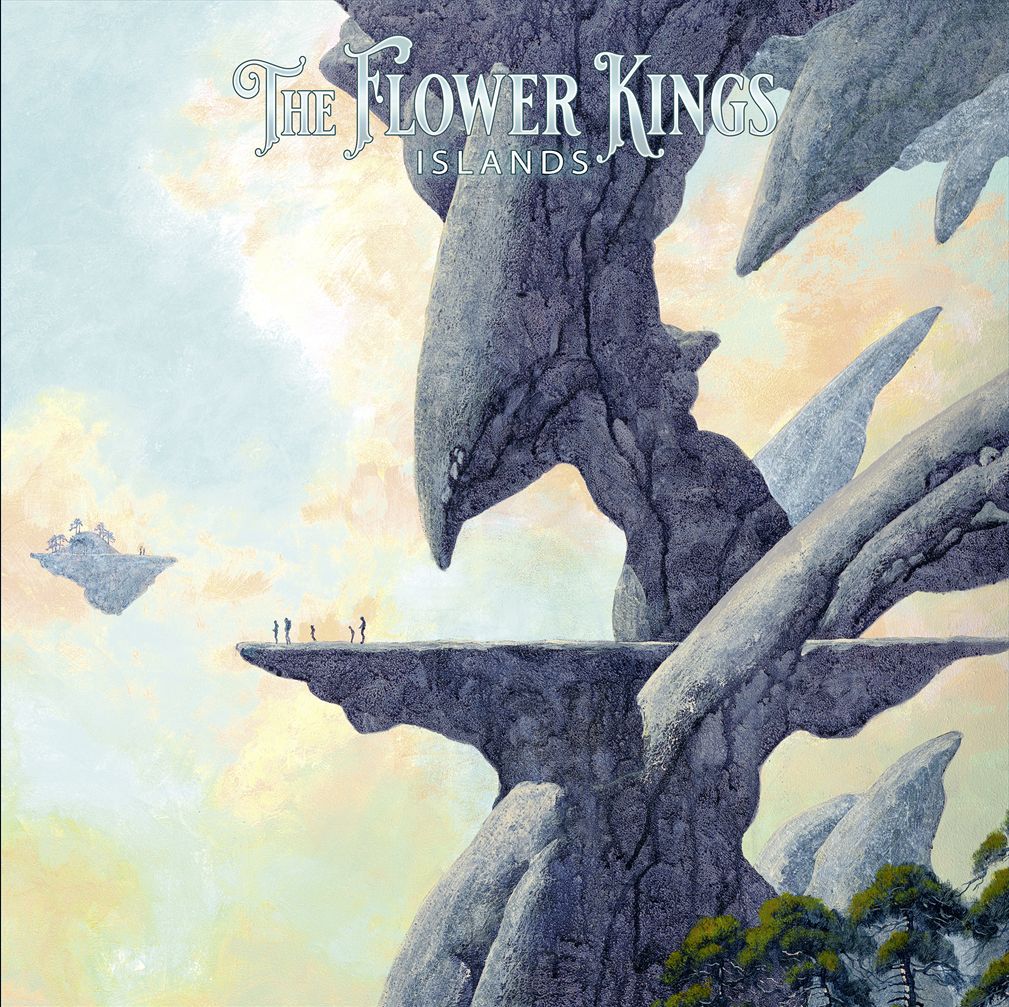
Here is the latest in what will hopefully be a regular feature at Spirit of Cecilia: a conversation about a current release from a favorite artist. Once again, Arts Editor Tad Wert joins Editor-in-Chief Brad Birzer, this time to discuss the Flower Kings’ latest, Islands.
Birzer: Somewhat surprisingly–especially given how recently the band released its last album, 2019’s excellent Waiting for Miracles–The Flower Kings is just about to release its fourteenth studio album, Islands. It comes out on October 30.
And, it’s not just any album, but a double album.
Tad, we’ve had a few weeks to listen to the promo, and I’m really curious what you think. It’s a collection of (generally) shorter FK songs, but with all the FK trademarks and psychedelic flourishes one would expect from the band.
Islands reminds me a bit of Stardust We Are in terms of its structure, but that album was more epic in reach and in scope. With Islands, however, it’s great (as always) to have the trademark dual vocal leads, but I think some of the instrumental passages and songs are simply stellar. Track 2 on disk 2, “A New Species,” for example, really stands out for its musical innovation and flow. I definitely would love an entire album built around this track, much like what a much younger FK did with Flower Power. This is the kind of track that proves that FK is still a major powerhouse of prog.
Yet, there are a few moments that make me scratch my head. The band has released as the first single from the album, “Broken,” the fifth track on disk one. While the song has some achingly beautiful moments, especially lyrically, there are guitar and keyboard passages that are lifted almost directly from the theme song of The Simpsons! Whether this was intentional and playful on the part of the band or not, I have no idea.
Still, while Islands is an excellent album, it’s very much rooted in third-wave prog.
Wert: Brad, I know the Flower Kings are one of your favorite groups, so I am honored you invited me to talk about them with you! I had a little chuckle when you said, “It’s not just any album, but a double album.” Looking at my music library, I have 13 studio albums of theirs, and no less than 9 are two (or more) discs. That’s almost 70%! I have enjoyed their music very much, but there are times when I wish they had an editor; I think some of their albums would be improved if they tightened them up a little.
So what about Islands? I agree that the songs are generally shorter, and that is a good thing in my opinion. The ones that immediately grabbed me were “Black Swan”, “Broken” (except now that you have pointed out the Simpsons reference, I can’t get that out of my head!), “Tangerine”, “Northern Lights”, and “Fool’s Gold”. A common thread of them is that they feature the vocals of both Roine Stolt and Hasse Froberg. I think when they collaborate the energy level really rises.
In their press release, Stolt says that the listener should approach this set as one long piece, which makes sense. When I first heard “Heart of the Valley” on the first disc, I thought it didn’t go anywhere; it sounded like a section of a larger epic. Well, on the second disc is “Telescope”, which is quoted in “Heart of the Valley”, so Islands really is one 90 minute suite. Once I approached it in that light, the songs I first considered throwaways took on more significance.
As Spirit of Cecilia’s resident FK expert, how would you rank Islands in their discography?
Birzer: Tad, great thoughts. Thank you for them. As much as I like Islands, I wouldn’t immediately rush it to the top in terms of rankings. My favorites from the band are Space Revolver (far and away, my favorite) and Paradox Hotel, followed closely by Stardust We Are and Unfold the Future. So, as much as I like Islands, it would rank–at least in these early stages of listening–somewhere in the low middle of their albums. Maybe around the level of Banks of Eden.
Above, when I mentioned that the album is deeply rooted in third-wave prog, I meant this more as a statement of fact than as one of judgment. What I like about my favorite FK albums is their energy and their innovation, the chances the band takes. Overall, Islands seems low energy compared to the band’s best work and innocent of any real innovations.
It’s still a FK album and that means it’s better than 95% of the music out there. But, within the FK discography, Islands ranks fairly low.
Wert: I’ll go with that assessment, Brad, although the more I listen to Islands, the more I like it. And I want to give a shout-out to Roger Dean for the incredible cover art! My takeaway: Islands is a solid effort by a band that is in no way in decline. They are still making vital music, and for that I am grateful.
I’m looking forward to Roine’s work with the new Transatlantic album that is slated for release soon!
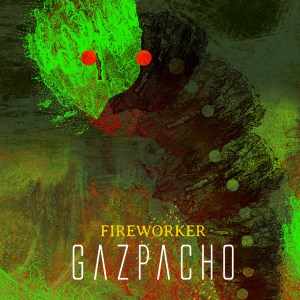
In this second dialogue between Spirit of Cecilia’s Editor-in-Chief, Bradley Birzer, and Arts Editor Thaddeus Wert, they discuss the merits of Norwegian progsters Gazpacho’s latest album, Fireworker.
Wert: Hello, Dr. Birzer! I understand you consider Fireworker to be Gazpacho’s best album since their 2007 classic, Night. That album certainly deserves its iconic status; I would say it single-handedly established a new genre of prog – “drone rock”. And when you add the incredible lyrics, it’s undeniable Night is a masterpiece. I really like Fireworker, and I have spent quite a bit of time immersing myself in it, but I’m still partial to Tick Tock, followed by Demon, if asked to rank their albums following Night. What is it about Fireworker that gets you so excited?
Birzer: Hello, Mathematician Wert! Yes, I’m finding myself rather obsessed with Fireworker. I’m not sure how many times I’ve listened to it since it first arrived on my doorstep, but the number is getting close to uncountable. And, while I love Tick Tock (one album, I might have listened to, too much) and Demon, I’ve not been this immersed in an album since Night.
For me, Gazpacho always has great atmospherics and great vocals (Jan-Henrik Ohme). The flow of any Gazpacho album is unparalleled in the prog world. They linger when they need to linger, and they breathe when they need to breathe. Unlike some of their harder colleagues, Gazpacho values silence and restraint. A rare gift in any art form.
What makes a Gazpacho album successful then–given the admittedly excellent vocals, atmosphere, and flow–is the meshing of vocals with atmosphere. Again, each one–taken separately on any Gazpacho album–is near perfect, but how they mesh together is not always perfectly attained. Every album is always good, but not always perfect. As I hear it, Night might be unbeatable when it comes to the meshing. It’s a case of the vocals helping the atmosphere and the atmosphere, likewise, helping the vocals.
On this meshing, Fireworker comes VERY close to beating Night. This is especially true on the title track, which allows the vocals to proclaim an urgency, a weirdness, and a conviction. Take, for example, the truly bizarre insertion of Stephen King’s The Shining toward the end of the song:
Your ideal life
You’re the pilot of a dream
A fireworker’s fire regime
To illuminate
The sky’s a billion burning eyes
A final sulfurous goodbye
In The Shining
Apocalyptic overlook
Where Wendy wants to read his book
Admittedly, I’m not entirely sure what Gazpacho is doing here, lyrically, other than giving us a series of hazy utterances. Yet, the lyrics work, and I desperately want to know what’s going on. In large part, this is because the atmosphere and the vocals have meshed perfectly, thus making the lyrics deeply fascinating.
Tick Tock and Demon, while brilliant albums, don’t quite mesh the vocals and atmospherics quite as well as do Night and Fireworker.
Wert: Brad, I agree with your observation that on Fireworker, Gazpacho does a great job meshing vocals with atmosphere, and very few groups are as atmospheric as they are. Musically, though, I need to have something to grab onto – a melodic hook – and Fireworker doesn’t provide that for me. It is a beautiful piece of music, but if you asked me, I couldn’t hum anything from it. I probably need to spend more time listening to it.
Were you as surprised as I when the choir burst into the mix on the opening track? They have been posting some interesting insights on their Facebook page. One fan asked what the choir is singing on Space Cowboy, and they replied that they are
“…singingrandomly generated lines that were supposed to be in the “ancient language of the brain” used before words came into the picture. The choir is supposed to be the consciousness with its various voices all coming together to warn the protagonist of venturing further towards the Fireworker itself.”
I find that fascinating! I also appreciate the fact that they devote every album to a unifying theme. Fireworker’s theme is the ancestral voices that are embedded in our DNA – like the ancient “fight or flight” response we are still slaves to, even though we don’t face the same threats primitive humans did. They seem to be saying that we aren’t in control of ourselves; the “Fireworker” that is in our DNA makes demands on us we can’t resist. I find that perspective to be a little pessimistic.
Birzer: Tad, thanks so much for such a thoughtful response. I’m in agreement with you about most of this. But, maybe because I’ve been listening too much, I find myself humming long parts of the album, and I especially find parts of Space Cowboy and Fireworker hummable.
As to the album’s concept. . . I’m in agreement that it’s incredibly pessimistic and, given how free form much of Gazpacho’s music can be, strangely determinist. You’d think an art rock band would do EVERYTHING to avoid believing in and espousing determinism. Unfortunately, though, we’ve been a determinist society since the 1850s and Darwin. Believe me, I long for a humanist society, one based on free will.
So, what a paradox and tension in Gazpacho’s album–free-form music with determinist lyrics. I think, in my own mind, I can get around this because of two things. First, the lyrics are so chaotic as to be, at times, nothing more than mere notes added to the album. Second, I’ve been placing the album alongside H.P. Lovecraft’s works–which are equally determinist and mechanical in thought. And, if I can love Lovecraft despite this, I can love Gazpacho.
Still. . . what would a humanist album from Gazpacho be like? It would Night or Tick Tock!
Wert: “Paradox and tension” is the perfect description for Fireworker, as well as Gazpacho’s music in general. Like you, I love their work despite my dissent from their philosophy, and I am glad they are producing such beautiful music. And while I’m at it, I’d like to offer my appreciation for their attention to detail in the physical packaging of their albums. Each one is like a small hardbound book with exquisite art from Antonio Seijas. Each one is like a treasure trove of hints and omens. In an era when many recording artists simply throw a CD into a cardboard folder, Gazpacho obviously put great care and thought into every release, and for that I am grateful. Here’s to hoping there are many more from them in the future!
The Consistently Beautiful Art Books That Are Gazpacho’s CD Releases
There is some interesting music in this week’s DropBox: a 46-year veteran prog band continues their recent winning streak, a more recently formed prog group comes up with a welcome return to form, and a veteran of several seminal prog groups maintains his high quality on another solo effort.
Pioneering progrock group Kansas’ new album, The Absence of Presence, proves that 2016’s excellent The Prelude Implicit was not a fluke. I don’t know what has lit a fire under these boys, but they are playing with more purpose and originality lately than they have shown in decades. Most bands of their age (46 years!) are content to rest on their laurels and milk nostalgia tours for all they’re worth. Kansas, on the other hand, has released two of the best albums of their career.
The title cut is a stone classic, comparable to any of the classics they released in the ’70s and ’80s. Ronnie Platt’s vocals are excellent, as is David Ragsdale’s violin work. Throwing Mountains is another terrific track with great energy and vocal/instrument interplay. The closer, The Song The River Sang, is a more straight-ahead rocker, and I love it.
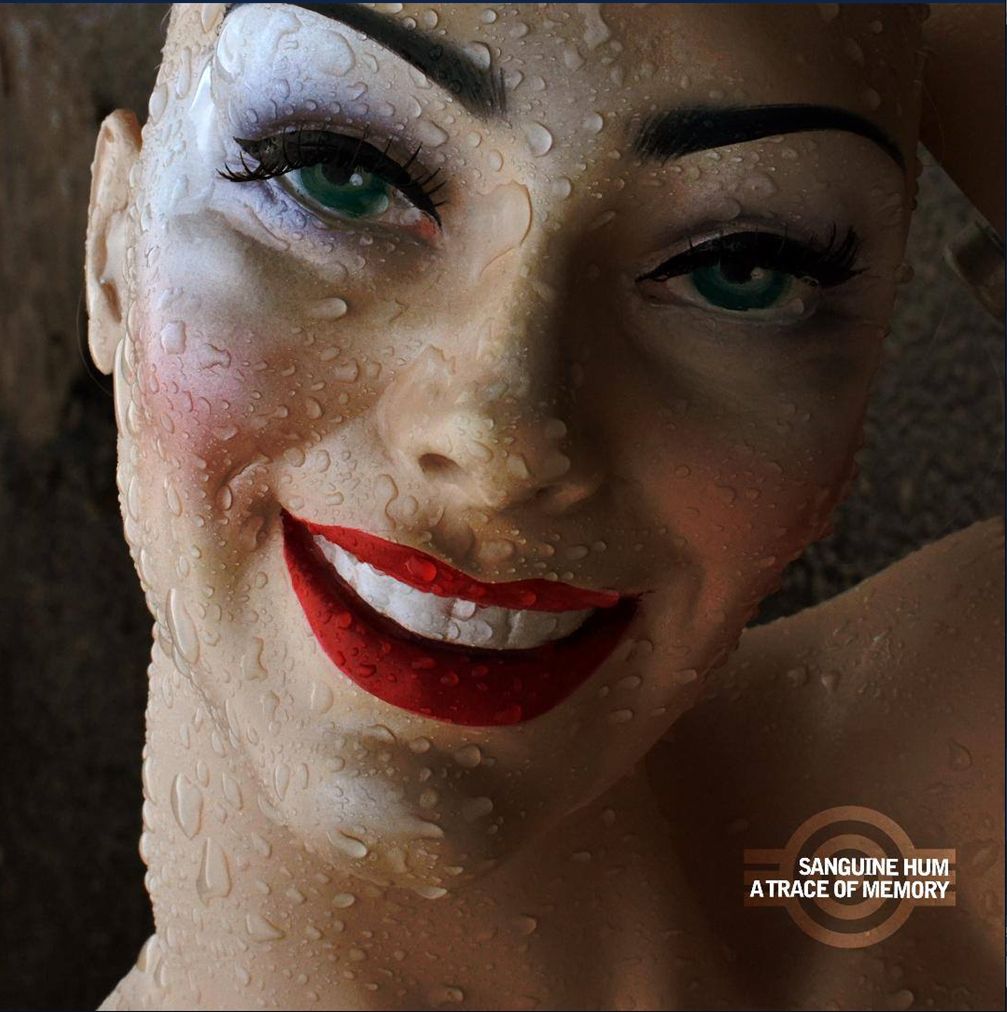
The UK’s Sanguine Hum has new album coming out in November, and I am pleased to report that it is one of their best. Their first album, Diving Bell, was one of my favorites of 2011, and the follow-up, The Weight Of The World is one of the best albums of the past decade. Guitarist/vocalist Joff Winks, keyboardist Matt Baber, and bassist Brad Waissman have forged a totally unique sound, while remaining wonderfully accessible. The only way I can describe it is to imagine a mix of Kraftwerk, Devo, XTC, and Steely Dan, with a little Frank Zappa. Like I said, they have a unique sound. After TWOTW, though, they lost their way, and spent two concept albums telling a story that was a little too cute for its own good (a perpetual motion machine powered by cats – who always land on their feet – with butter on their backs, because buttered toast always lands butter side down. Ha.)
Fortunately, A Trace Of Memory is a definite return to form. They have an unerring ear for a beautiful melody, as evidenced by the 13-minute track, The Yellow Ship. It’s also the finest composition they have ever recorded, as Winks’ querulous, everyman vocals establish the melody before they take off on an extended jam session that never meanders or loses focus. I can listen to this one track all day, but the rest of the album is almost as good. Sanguine Hum have hit upon the perfect ratio of instrumental to vocal tracks with this set, and I would love to see them perform them live.
Finally, an album that almost slipped past me – Lonely Robot’s Feelings Are Good. Lonely Robot is John Mitchell, guitarist and vocalist extraordinaire who has lent his talents to The Urbane, Arena, It Bites, and Frost*. The first three Lonely Robot albums formed a trilogy that chronicled the adventures of an unnamed astronaut. Feelings Are Good, on the other hand, is more down-to-earth in its subject matter. There are glimmerings of power pop (Into The Lo-Fi), hard rock (Spiders), prog (the Floydish Life Is A Sine Wave), and balladry (Crystalline). Anything Mitchell releases is guaranteed to be an enjoyable listening experience, and Feelings Are Good continues his streak. Highly recommended if you like classic Peter Gabriel or Frost*.
So, three albums, three winners. I think so highly of them that I have purchased hard copies. Do yourself a favor and at least give them a listen on your preferred music streaming service.
It’s been 7 long years since we have heard from Oscar Fuentes Bills (keyboards) and Sepand Samzadeh (guitar), the duo who go by the moniker Days Between Stations. They have a new album out, Giants, and it is a contender for best of 2020. I love this album. It is produced by Billy Sherwood of Yes fame, who also plays bass, drums, and handles lead vocals on most of the songs. Colin Moulding, who sang The Man Who Died Two Times on their last album, returns to sing on Goes By Gravity, while Durga McBroom, who sang on several Pink Floyd songs sings lead on Witness the End of the World.
While their second album, In Extremis, was very good, Giants is a huge step forward for DBS. Did I mention I love this album? It kicks off with a clanging guitar chord reverberating from one speaker to another, and before you know it, we’re on a rollercoaster of an epic named Spark.
Spark of life Soul expansion Coming in waves Point of view Taking chances You’re an act of God
Even though Spark lasts nearly 17:00 and is nonstop high energy, it never seems too long or forced. Samzadeh unleashes some terrific guitar solos worthy of David Gilmour, while Bills answers with vigorous organ fills.
Things calm down a bit for Witness the End of the World. Over an acoustic piano, guitar, and violin, McBroom delivers a sensitive vocal performance. This is a beautiful and tender waltz that mourns the inevitable loss all humans suffer.
Everything we once knew Winding down Witness the end of the world
Another Day begins with a slow tempo that gradually adds layers of instruments and vocal harmonies until it is a juggernaut of sound. It features an incredibly catchy chorus that gets in your head and won’t leave.
Goes By Gravity, sung by Moulding with his trademark wry vocals, is the poppiest song on the album, and is another earworm.
The title track is another epic, clocking in at 13:00, and is Bills’ tribute to his deceased father, the “giant” of his childhood, and a man he deeply admires. This is a tremendous song, with lots of space for Sherwood, Samzadeh, and Bills to stretch out and play off each other. Sherwood’s massed vocals are spine-tingling as he sings,
Shaking the sky Holding on to the reins The Great Divide Between memories and What remains
After the emotional experience of Giant, we are treated to an instrumental interlude that begins with a Bill Evans-like jazz passage on piano, transitions to a Bach-like fugue on acoustic guitar, and ends up with a guitar/synthesizer duet that reminds me of classic Genesis. (Side note: the cover art is by Paul Whitehead, who painted several classic covers for Genesis.)
The album wraps up with the magnificent The Common Thread. This is, hands down, the best song I’ve heard this year. Full of tricky time changes but always staying accessible and engaging, it progresses upward inexorably, gaining power with every bar. By the time we get to the final minute and the triumphant conclusion, I feel like I’ve reached the top of a mountain. This song is as good as anything Yes recorded in their classic incarnation.
Days Between Stations have only released three albums, but I’ve never seen such growth in group like they’ve accomplished with Giant. Billy Sherwood definitely deserves a lot of the credit, with his production, bass and drum work, and vocals. Their debut was all instrumental, their second was about half instrumental, whereas Giants is a full-bore progrock vocal tour de force. Album of the year? There are some strong contenders from Glass Hammer, Bardic Depths, Pendragon, Katatonia, Pain of Salvation, and Pineapple Thief, but right now Days Between Stations’ Giants is at the top of my list.
I ordered a CD from their website for my collection, and they included some DBS pencils and guitar picks. How’s that for customer service!
The DropBox overfloweth this week: two live sets, an interesting prog/jazz offering, and the new Gazpacho album.
First up, Flying Colors’ third live album, Third Stage: Live In London, recorded during the tour in support of 2019’s excellent Third Degree. The prog supergroup of Mike Portnoy, Steve Morse, Dave LaRue, Casey McPherson, and Neal Morse just gets better and better. This is a two-disc set featuring the cream of their crop of arena-rock style prog. The rhythm section of Portnoy and LaRue is insane, especially LaRue’s funky bass. If you aren’t familiar with Flying Colors, this is the perfect introduction. If you’re a fan, it’s the best document of their scorching live prowess yet recorded.
Next up is Nick Mason’s Saucerful of Secrets. This is a real treat: Nick Mason, original drummer for Pink Floyd, put together a talented group of musicians to play a relaxed set of pre-Dark Side Of The Moon classics at the Roundhouse. If all you know about the Floyd is DSOTM and later, these songs (with the exception of the Meddle ones) will surprise you. They are playful and psychedelic in a very charming way. Gary Kemp, of Spandau Ballet fame, handles vocals, and he is terrific. It’s obvious both the band and the audience are having a great time, and Nick Mason has not lost his chops one bit.
The Magic Stag, by Hungarian group Djabe, is hard to categorize. The first few songs sound like some sort of raga/smooth jazz hybrid, as if Bob James found himself in Bollywood. Okay, I exaggerate, but there’s definitely an Indian feel to “Power of Wings” courtesy of a sitar jamming with trumpet. Steve Hackett lends his always tasteful guitar to seven of the eleven songs, and he and his wife wrote the lyrics to the title track.
The sixth track, “Unseen Sense” is the highlight, with some outstanding acoustic guitar work supporting a beautiful melody. This is a song worthy of stellar fusion artists such as Oregon, Weather Report, or Mark Isham. The rest of the album maintains the high standard set by this track. If you are looking for a nice album to play on a lazy Sunday morning, Djabe’s The Magic Stag is a perfect choice.
Anything new from Gazpacho is big news, and it’s been two years since we heard from them. Fireworker is their latest, and it is somewhat of a departure from previous efforts. I, for one, am glad to see them stretch out a little. The past few albums were starting to sound a little interchangeable. This one kicks off with the 20-minute epic “Space Cowboy”, which features a huge choir. It’s as if Carl Orff took his Carmina Burana and scored it for a prog rock group. That sounds ambitious, but Gazpacho pulls it off with aplomb.
This song cycle, like most of Gazpacho’s, has a unifying concept. In the words of keyboardist Thomas Andersen,
“There’s an instinctual part of you that lives inside your mind, separate from your consciousness. I call it the ‘Fireworker’ or the ‘Lizard’ or the ‘Space Cowboy.’ It’s an eternal and unbroken lifeforce that’s survived every generation, with a new version in each of us. It’s evolved alongside our consciousness, and it can override us and control all of our actions.” In order to get us to do what it wants, he clarifies, the “Fireworker” will silence the parts of our mind that feel disgust or remorse so that we’re unable to stop it. The conscious part of our mind, Andersen notes, will actually “rationalize and legitimize” those thoughts and actions so that we never discover the beast behind-the-scenes. No matter how we feel about ourselves in terms of identity, accomplishments, and value, we’re all just vessels—or “Sapiens”—that the creature uses until it no longer needs us. “If you play along,” Andersen explains, “It’ll reward you like a puppy and let you feel fantastic; if you don’t, it’ll punish you severely.”
From arena prog, through psychedelic pop, to jazz prog, and finally Norwegian choral prog (for want of a better term!), this is the most eclectic batch of music we’ve ever pulled from the DropBox. I’ll leave you with a little Djabe and Steve Hackett:
John Bassett was very active in the mid 2010s with his KingBathMat, solo, and Arcade Messiah projects. KingBathMat was a quirky prog group that released five excellent albums of melodic metal, while Arcade Messiah began as an instrumental outfit. AM has released a few EPs since 2016’s III, but Bassett is back with a vengeance in 2020, and it sounds like he never left. In fact, he has taken the best elements of KingBathMat and Arcade Messiah and melded them into a sleek prog-metal machine. He’s now working exclusively under the Arcade Messiah moniker, and their latest effort is The Host. It features his trademark gift for a memorable melody delivered with crunching guitars. If you like your prog rock on the heavy side while remaining hummable, then your can’t go wrong with Arcade Messiah’s latest.
Katatonia’s City Burials is their followup to 2017’s magnificent The Fall of Hearts. This is a set of songs that explore the sadness and sense of loss one gets as one realizes that the past is buried forever. “Behind The Blood” is a ferocious rocker in the tradition of past Katatonia, but the majority of tracks are more hushed and tender. Jonas Renkse’s vocals have never been more warmer and more expressive as they are here. “Vanishers” features a beautiful duet between Renkse and Anni Bernhard that is a highlight. Katatonia’s evolution from extremely dark metal to melodic prog has been fascinating, and City Burials is their strongest effort yet.
Speaking of evolutions, The Pineapple Thief has fully emerged from their Radiohead/minimalist origins, and with Versions Of The Truth they are now one of the finest prog/pop groups active today. In the early 1980s, The Police were one of the biggest groups in the world. Their secret power was letting Stewart Copeland’s drums take the lead, and having Andy Summers’ guitar provide the rhythm.
With Gavin Harrison, The Pineapple Thief have a percussionist as gifted as Copeland, and his drums are way up in the mix, propelling the entire project. Every song is credited to both Harrison and Bruce Soord, and these are the finest set PT has ever recorded. Gone are the 20+ minutes-long meandering explorations, to be replaced by perfectly crafted pop miniatures. Even the longest one – “Our Mire” at 7:26 – is a masterpiece of concision. Stylistically they range from the laconic “Driving Like Maniacs” to the pulverizing “Break It All”, and there isn’t a clunker in the lot.
Three albums, three winners. 2020 isn’t a total disaster!
Beauty like that is strength. One could turn the world upside down with beauty like that.
Doestoevsky, The Idiot
Over the past three decades, Minnesota-born composer Maria Schneider has staked out her own unique territory, based in jazz but expanding beyond category. From classical training and an apprenticeship with master arranger Gil Evans, Schneider parleyed her vivid sense of musical color, vibrant compositions and power-packed conducting skills into the leadership of a 20-piece Jazz Orchestra. At the height of the 1990s jazz boom, Schneider’s ensemble maintained a weekly residence at the New York club Visiones and recorded three fine, critically acclaimed albums (Evanescence, Coming About and Allegresse) for the German label Enja.
Reacting nimbly to the Internet’s disruption of music’s value, Schneider pivoted to crowdfunding for her 21st-century recordings. Concert in the Garden, Sky Blue and The Thompson Fields (along with Winter Morning Walks, a classical song cycle composed for soprano Dawn Upshaw) inhabit a rareified sweet spot where composition and improvisation feed each other, fusing the potent swing of classic big bands and the lush warmth of orchestral tone poems to evoke a deep-rooted, constantly unfolding delight in the world of nature.
But in 2014, David Bowie recruited Schneider and her orchestra for the jolting noir single “Sue (Or In A Season Of Crime).” The collaboration didn’t just boost Schneider’s profile (and result in sax player Donny McCaslin and guitarist Ben Monder backing Bowie on his swan song Blackstar); it unlocked a grainier, more shaded musical vocabulary, evident in her most recent commissions. This expansion also mirrored Schneider’s dedicated activism on behalf of copyright owners, pushing back against Big Data’s predation on both creative content and personal information.
The new Maria Schneider Orchestra double album Data Lords is the magnificent result, their most complete statement to date. Conveying both the bleak potential of online life blindly lived and the bounteous beauty of the life around us we take for granted, Schneider conjures up slow-burning musical structures that, as they catch fire, blaze with fear and dread — but also with hope and joy. Throughout there’s a symphonic sweep, a supple rhythmic foundation and a seamless flow of inexhaustible melody.
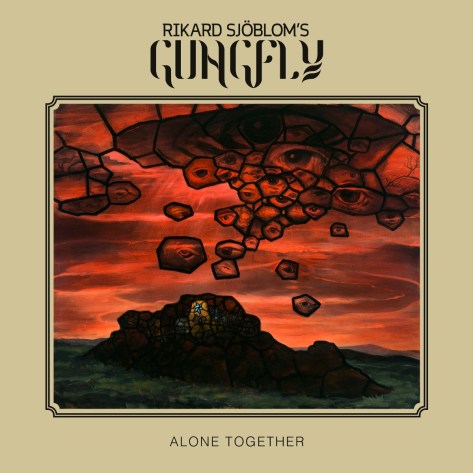
For the past week I have been listening to new albums from Rikard Sjöblom’s Gungfly and Pain of Salvation. They are labelmates on InsideOut, and they are both excellent efforts.
I’m familiar with Sjöblom through his stellar work with Big Big Train, and he also led Beardfish. Gungfly is now his outlet for his solo work. For their second release, he has pared down Gungfly to a trio with Petter and Rasmus Diamant on drums and bass respectively, while Rikard tackles everything else – and “everything else” covers a lot of instruments!
Overall, it’s a rocking effort with Sjöblom’s vocals running the gamut from a warm and intimate tenor to a harsh low-register rasp. The first track, Traveler, immediately grabs the listener with a driving rhythm that conveys an urgent sense of movement. Sjöblom sings of the difficulties of traveling and being away from family. The fact that its more than 13-minute length feels much briefer is a testament to how well it is constructed.
Happy Somewhere In Between, the first single, is a catchy rocker with a bit of a hoedown feel to it. The rhythm section of the Diamant brothers really shines on this track, effortlessly keeping pace with some very tricky changes.
Clean As A Whistle is a pleasant change of pace with an acoustic guitar opening and a beautiful melody worthy of Nick Drake. It slowly builds in intensity until it explodes into a synthesizer/electric guitar jam.
Alone Together is a song that tugs at the heartstrings. It is a sensitive portrayal of the emotional turmoil parents of mentally ill children have to deal with. Sjöblom’s guitar solos remind me of Steve Howe’s work on Relayer.
After the brief folky interlude of From Afar, the album closes with the epic On The Shoulders Of Giants. In this delightful track, Sjöblom pays tribute to his prog forebears:
“What happened to me?
The boy who listened to Frank Zappa
And said, ‘This is what I want to be.'”
Sjöblom makes good use of nearly all of its 15 minutes length with some fine guitar work that showcases his talent. Alone Together is a very solid effort from Gungfly, and it illustrates Sjöblom’s mastery of guitar and keyboards as well as his maturity as a lyricist.
Pain Of Salvation’s Panther opens with a chugging, synth-heavy riff on Accelerator. It could fit right in with current “Synthwave” scene with its slightly retro sound paired with contemporary production. As always, Daniel Gildenlöw’s vocals are outstanding – his energy and passion never flagging for a moment.
Unfuture opens with a snaky acoustic blues riff that soon explodes into a full metal treatment which then retreats into a more subdued passage as Gildenlöw sings (as far as I can decipher), “Welcome to the new world/Which sounds sublime/A better and improved world/For our mankind.” This is a song dripping with menace and foreboding, yet sounding seductive and enticing.
In Gildenlöw ‘s words, “Panther is an album with many layers, but at the heart of it you will find my lifelong struggle to calibrate my interface towards mankind, trying to calculate the offset to a species that I have on some levels always felt myself estranged to. A feeling I think many can relate to. ”
His alienation comes through loud and clear throughout the album, which covers an extraordinary range of musical styles. There isn’t a single clunker in the bunch, either. It’s very hard to pick a favorite song, but I particularly like the title track with its 16(!) tracks of guitar and chorus of “How does it feel to be you?” she once asked me
I said “I feel like a panther trapped in a Dog’s world”.
Another highlight is Species, with the lines, “I stopped watching the news/It was hurting me so/All that matters beats through/Like plutonium glow.” A relentless and addictive guitar riff underpins his frustration with modern media manipulation.
Panther closes with the epic Icon, which, now that I consider it, is the best track on the album. Okay, I admit it – every dang song on this album is irresistible! With Panther, Pain of Salvation have come up with a masterpiece that perfectly captures our current state of isolation and anxiety. It is an artistic triumph, and one of the best releases of 2020.










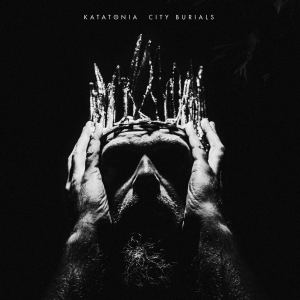 Katatonia’s City Burials is their followup to 2017’s magnificent The Fall of Hearts. This is a set of songs that explore the sadness and sense of loss one gets as one realizes that the past is buried forever. “Behind The Blood” is a ferocious rocker in the tradition of past Katatonia, but the majority of tracks are more hushed and tender. Jonas Renkse’s vocals have never been more warmer and more expressive as they are here. “Vanishers” features a beautiful duet between Renkse and Anni Bernhard that is a highlight. Katatonia’s evolution from extremely dark metal to melodic prog has been fascinating, and City Burials is their strongest effort yet.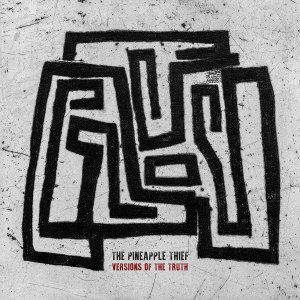


 Spirit of Cecilia
You must be logged in to post a comment.