In this post, Brad Birzer and Tad Wert discuss the recent releases from Echolyn: TimeSilentRadio II and TimeSilentRadio VII.
Tad: Brad, I am really excited about discussing these two albums with you. I discovered Echolyn back in 2012 with their eponymous album (I call it the “Windows Album”, because of its cover art), which knocked me out with its beauty and melodicism. They followed that one up with the excellent I Heard You Listening in 2015, and, except for the extraordinary Accumulated Blur single, there was nothing. I thought perhaps they had quit making new music, when, lo and behold, they graced us with not one but two full-length albums!
TImeSilentRadio II features two songs: Time Has No Place (16:37) and Water In Our Hands (28:51), while TimeSilentRadio VII has seven tracks. I’ll start things off with stating how much I love Time Has No Place – it brings to mind side two of the Beatles’ Abbey Road, with its relatively short sections that combine into a powerful suite of music. I also hear hints of The Band, believe it or not, in a general “rootsiness” to the playing. Chris Buzby, Ray Weston, and Brett Kull have never sounded better, in my opinion, than they do now. These are seasoned, incredibly talented musicians at the top of their game. It doesn’t hurt that they also compose such catchy melodies!
What are your thoughts on this first song?
Brad: Tad, as always, a pleasure to talk with you about our favorite bands. And, Echolyn is certainly a favorite band. I’m in total agreement with you regarding the “Windows Album” from 2012. It’s excellent, and its sound is so much more evolved than the band’s earlier work. Truly a gorgeous progression and transition of the band overall from their beginnings through now. I also really love Mei and I Heard You Listening. Their work is incredibly complex, compelling, and mature.
I first came across Echolyn during graduate school in Bloomington, Indiana. It was right after I finished my coursework and began to formulate my dissertation that I came across a copy of As the World. Frankly, that CD–one of the first CDs I ever bought, along with The Hurting by Tears for Fears and October by U2–came into constant rotation, and I absorbed every aspect of it. To be sure, it’s a weird CD, a real hodgepodge of lyrics and ideas and musical styles. It was clear, however, that the band had absolutely poured themselves into As the World and, from almost every perspective, the album was simply “over the top” in its earnestness. Of course, this only endeared the CD even more to me.
It should be remembered that Echolyn emerged at the same time as Hogarth-led Marillion, Roine Stolt’s The Flower Kings, and Neal Morse’s Spock’s Beard. To put it simply, prog was in the air, and this was the very beginning of third-wave prog, led, in the beginning, by an equal number of European/English and American acts. While grunge was dominating in the United States, there were also acts like Phish and Dave Matthews that weren’t prog, but they were prog-adjacent. Soon, of course, the European culture would embrace prog a million times more than the American culture would, but that’s another post. Echolyn were a bunch of young guys from the East Coast, and they were making stunningly complex music, theatrical to its core.
So, frankly, Echolyn arrived in my life at a truly critical point. I’d finished my coursework, but I’d not started the dissertation; I was working for the Organization of American Historians as a full-time editor, and I was still single, two years away from meeting Dedra. Plus, I was deeply searching for meaning in all the music I listened to–whether Talk-era Yes, Brave-era Marillion, Happy Days-era Catherine Wheel, or As the World-era Echolyn. Each of these albums was dramatically shaping my soul, my artistic outlook, and, especially, my approach to writing. Frankly, it was a lonely but glorious time, full of adventure as well as full of challenges.
The lyrics of As the World–much like earlier Rush and Talk Talk had done–joyfully encouraged me to find my own path, to ignore the crowd, and to embrace creativity against a tapioca conformity.
So, I don’t mean to be sappy, Tad, but I simply wouldn’t be who I am today without Echolyn as those other bands just mentioned.
As such, when Echolyn releases a new album–or, as it turned out–two new albums, I’m fully in the moment, absorbing everything I can.
Though rooted in the progressive rock tradition, Echolyn is very much their own band. If pushed, though, I would say I hear in all their music, a huge amount of Hackett-era Genesis, a lot of Kansas, a bit of Styx, and a lot of the Tin Spirits. The latter might just be coincidence rather than direct influence. Or, the influence might go the other way.
But, this has been a long digression, Tad, as you only asked me for my opinion about the first track on TimeSilentRadioII, “Time Has No Place.” Well, I love it. From that opening guitar riff, sounding like something from the Allman Brothers, I’m completely hooked. And, the lyrics are tone poems, invoking a myriad of images. Yeah, Tad, this is something truly special, musically as well as lyrically.
Tad: Brad, as always, I love hearing how various artists and albums have impacted your life. I can say the same about a few albums – Roxy Music’s Avalon and Todd Rundgren’s Something/Anything?, to name a couple.
Okay, we both love “Time Has No Place”. Once again, I’ll point out how wonderfully the Beatlesque melodies pour out in this one track – it’s a blast, and it sounds like the band had a great time putting it together.
The second track on TimeSilent Radio II is “Water In Our Hands”, and it’s almost 30 minutes long. It strikes me as more weighty and serious. I have listened to it several times, and I love the way it develops. It also contains what it probably my favorite stretch of music out of both albums: “Water In Our Hands, Part VI”, which is the final seven minutes. I must not be alone in my admiration of this section, because Echolyn made an official video for it:
There seems to be a lot of emotion in their performance, and I find it very moving. It’s just a beautiful piece of music, and one of my favorite tracks of 2025.
Brad: Thanks, Tad. I would love to hear the story of Avalon and Something/Anything and what they mean to you. Sounds like a great story.
I will admit, I was a bit taken aback with “Water in Our Hands.” At 28plus minutes, I so desperately wanted to love the heck out of this track. I wanted it to be the 2025 equivalent of 2009’s “The Under Fall Yard.” And, for the most part I do love it.
But, I must also admit–though this may just be the inner Puritan speaking–I hate the employment of the F word and the sort of growling presentation of it. I just don’t understand the necessity for it. It’s such a violent word, and it really disrupts the beauty of this song. Echolyn is better than this, and so is its audience. We demand beauty, truth, and goodness!
Ok, this quip aside, it’s a truly gorgeous track that flows, for the most part, immaculately, word to word, idea to idea, and tune to tune.
And, totally agreed, the last seven minutes are just simply glorious. So perfectly Beatlesque.
So, Tad, what do you think of the second CD, TimeSilentRadio VII? As strong as the first disk?
Tad: Brad, at first I thought TimeSilentRadio VII was not as strong as TSR II, but the more I listen to them (and I have been listening to them as a pair), I find myself drawn to the shorter songs in TSR VII. It starts off with such an enjoyable bang with “Radio Waves”. The vocal harmonies are spot-on, and Buzby’s piano work is absolutely stellar. It’s right at 7 minutes long, but it seems much shorter. Maybe because it’s fairly fast-paced.
“Silent Years” is just as good, with some gritty guitar riffing paired with piano. Jordan Perlson’s drumming is rock-solid on this track, while the vocal harmonies are outstanding (again). As a matter of fact, I don’t recall any Echolyn album featuring vocal arrangements this complex and beautiful.
I love how “Cul-de-Sacs and Tunnels” has a really atmospheric intro that soon bursts into an energetic middle section before subsiding into a calmer conclusion. The last couple of minutes (“She’s still burning bright”) are just gorgeous.
“Boulders on Hills” is about, I believe, domestic strife due to financial stresses. It’s an appropriately tense track. “I want more/I’ve got nothing left to give” is the sound of two desperate people. “Our Brilliant Next” is a relatively easygoing track, while “On We Blur” is a fun and bouncy tune that I find myself irresistibly singing along to. This is another song they’ve released a video for:
Trigger warning, Brad – there’s an f-bomb in it! I agree with you that it’s discouraging how the use of that language is getting normalized, but I think Echolyn are being strategic in its deployment. That said, I’d rather not hear it.
TSR VII closes with “Tiny Star”, another song accompanied with an official video, and what a great song to wrap things up with! This is the strongest track on the album, and it encapsulates everything that is good about Echolyn: delightfully catchy melodies with interesting twists, tight-as-a-tick musicianship, and layers of vocal harmonies. “Tiny Star” is one of their best songs ever.
Brad, I’ve rambled on a bit, but to summarize, I would say both TSR II and TSR VII are essential additions to Echolyn’s discography. It’s as if no time has passed since their last release, and they sound better than ever. Finally, I think they are two parts of an indivisible whole. I can’t imagine listening to just one album; they complement each other perfectly and need to be taken as one suite of music.
Brad: A brilliant synopsis of TimeSilentRadio VII, Tad. Thank you. And, I totally agree with you on these two releases. There really couldn’t be one without the other, and I’ve been happily listening to both over the past few weeks. I had the same thought as you–that II was better than VII, but the more I listen to it, the more I think they are equal and necessary, one to the other. An excellent decision on the part of Echolyn to release both.
And, each adds not only something gorgeous to my Echolyn collection (and, yes, as with anything I love, I am a completist and rather hyper about it) but to my overall music collection. As I look back over the last twenty-plus years of third wave prog, America might not quite compete in terms of volume with Europe, but it certainly does in quality.
Readers can order the new Echolyn releases here or here.
Progressive Rock legends Echolyn share video for “On We Blur” from TimeSilentRadio vii Two albums, TimeSilentRadio II &TimeSilentRadio vii, are both out now
Progressive Rock legends Echolyn released their two critically acclaimed new albums TimeSilentRadio vii & TimeSilentRadio II earlier this year on March 7, 2025 ~ coincidentally on the 30th Anniversary of their 1995 Sony/Epic Records release As The World. The band recently shared a performance video for “Water In Our Hands, part 6” from #TRSII, and are now pleased to share another new video from #TSRvii for the track “On We Blur,” premiering today on The Prog Report.The band shared this about the track:“The lyrics to “On We Blur” deal with bad bosses and upper management and how their lack of leadership and communication, coupled with zero signs of empathy towards others, can turn a great staff of workers into a really bad one. Sometimes you try pushing through the dark days, but eventually even that becomes way too much to handle. Working angry and bitter is not healthy for anyone. “All the voices tell me to ignore it, but my own won’t let it be; the air don’t care whose lungs it’s filling, so on we blur…” It’s an upbeat, in-your-face, contemporary track that features echolyn’s classic multi-part vocal harmonies, clever and intricate instrumental counterpoint, and infectious melodies you’ll be humming for days.You can watch the video for “On We Blur” here: https://youtu.be/oBgsNxjRehA
Rave reviews for both albums continue to roll in, with online music resources like Progressive Music Planet saying “echolyn have outdone themselves with not one but two amazing albums. Prog rock fans need to hear both of these albums. TimeSilentRadio vii features 7 classic wonderfully melodic tracks that harken back to the band’s rich history…while TimeSilentRadio II has two epic songs that rank with any classic prog-rock epics from the 70s. If you need proof that prog is alive and well, echolyn has the evidence.”Both new #TSR albums can be purchased on CD thru the band’s website echolyn.com (stateside in the US) and via multiple European & Japanese distributors overseas, or via digital download at echolyn.bandcamp.comTimeSilentRadio vii tracklist:1.Radio Waves 2.Silent Years 3.Cul-de-Sacs and Tunnels 4.Boulders on Hills 5.Our Brilliant Next 6.On We Blur 7.Tiny StarTimeSilentRadio II tracklist:1.Time Has No Place 2.Water in Our Hands
Recent album reviews by fans also continue to sing the praises of both TSR albums: “Music that echoes with some of the most beautiful, profound, and deeply contemplative emotions that exist within the human soul. When all that’s left is time, we reflect upon the past as we work through traumas and live for a beautiful tomorrow.” (Andy Ryan) “echolyn have been in my life since the 1990’s when I was blown away by ‘as the world.’ Ever since then they have continued to put out thoughtful, creative music but on these latest albums it’s like a rich gravy that has been reducing over a low flame. I am simply blown away by the taste, restraint, musicality and heart in this collection of songs. ‘Water in Our Hands’ is a fitting finale to an epic achievement.” (Jon Dahms) and “The two TSR albums are my favorite new music in 2025. The lyrics are great and the band is tight. I have recommended the albums to many of my friends, particularly musicians.” (Jim Peacock)
Echolyn is: Brett Kull – guitar, lead vocals, backing vocals Ray Weston – lead vocals, bass, backing vocals Chris Buzby – keyboards, backing vocals Jordan Perlson – drums & percussion, backing vocals
This has been a schizophrenic week for me. The beauty of a new semester and teaching things that really matter, the gorgeous early Autumnal weather, and the horrors of a Mass shooting in Minnesota. The latter has really, really affected me.
So, here I am on a Saturday morning, trying to reconcile all these things, and music becomes the medicine.
The War and Treaty with the Grand Rapids Symphony, Frederik Meijer Gardens Ampitheater, Grand Rapids Michigan, August 1, 2025.
From the moment Michael Trotter Jr. & Tanya Trotter hit the stage, they aim to overwhelm. Treading tested paths blazed by their forebears — classic soul duos like Ike & Tina Turner come to mind — even the name of their act — The War and Treaty — zeroes in on their music’s target — the ups, downs, triumphs and tribulations of life as lovers, together or apart. Having built an intense local following from their indie start in Albion, Michigan through their current major label success, the Trotters took no prisoners on this summer night; backed by their tight seven-piece band and supported by an orchestra for only the second time, they delivered their core message to a willing, welcoming crowd throughout two engaging sets of shock, awe and ecstasy.
A typical War and Treaty tune like “Stealing a Kiss” or “Teardrops in the Rain” (both from their latest release Plus One) starts at a low simmer: Michael or Tanya take the first verse, building the tension inherent in whatever tale they’re spinning; their partner turns up the heat with an answer verse. By the time the pair hit a harmonized bridge, they’re coming to a boil; all that’s left is a steamy duet chorus to take themselves and the audience even higher. Whether song is about meet-hot attraction (“Carried Away”), break-up regrets (“Reminiscing”), or even post-messup healing (“Home”) it’s a sure-fire approach that pulls you right in. Anchored by Michigan native Max Brown on guitar and driven by brothers Terrence “Slim” Holmes on organ and Johnathan “Bam” Holmes on drums, every song was driven by a potent, bluesy groove laced with down home touches; responding to conductor Duo Shen’s deft baton, the Grand Rapids Symphony furnished sweetness and spice as required — whether from silky strings, plaintive woodwinds or smoky brass.
Not that The War and Treaty couldn’t stoke the flames on their own; sending the orchestra on a break, the Trotters and their band consolidated their hold on the crowd with a handful of tunes never before heard in the States. The uptempo scat-swing of “Crazy”, the drop-beat reggae of “Bare Knuckles” and the confessional ballad “Hey Judith” (a song for Tanya’s late mom) testified to the couple’s omnivorous taste and impressive range — and the band’s intense jamming provided flexible, sturdy support for even more intense vocal flights of fancy.
One costume change (and the return of the Symphony) later, it all came to a head in an exhilarating final run — gathering momentum with “America the Beautiful” sung and arranged a la Ray Charles’ classic version, then slamming into the double-time, tambourine-whacking gospel of “Call You By Your Name” and the call-and-response finale (complete with audience participation) “Can I Get an Amen”. Though Nashville is their current base of operations, you can tell that The War and Treaty think of West Michigan as home; returning for the second local gig of their biggest year to date, they came, saw, and conquered, leaving a transported crowd hungry for more.
Please forgive the brevity of this review. Maybe we could call it a micro-review. I’ve been a huge Tim Bowness fan ever since first encountering him through his extraordinary work in No-Man. Indeed, it was about 23 years ago that I first encountered him, finding him because of his association with Steven Wilson. Again, I’ve been a huge fan ever since. If anyone inherited the mantle of Mark Hollis, it’s either Tim Bowness or Kevin McCormick. Everything Bowness touches is just achingly beautiful. Gifted with a very handsome voice, he brings a certain longing to all his vocals. I should also note, like Hollis (Bowness has a better voice than Hollis, but I will never fault Hollis for that—he gave everything he had), Bowness understands the sheer importance of meaningful lyrics to music. Writing all of this right now, reminds me that I would love to write a long article on the many excellences of Tim Bowness. He deserves so much more than this micro-review. Sadly (or brilliantly actually), I’m in between big writing projects on the Declaration of Independence as well as on sociologist Robert Nisbet and on writer Ray Bradbury. That stated, my afternoon sound track has been Bowness’ s first album, My Hotel Year, originally released in 2004. I was surprised to find Bowness’s own negative recollection and assessment of the album on his personal website. “Along with Wild Opera, My Hotel Year is the least loved album I’ve ever made and, in some ways, it’s the album of mine I love least as well,” Bowness confesses. “Although 2003-2004 wasn’t a particularly bad time for me, the resulting album seemed lyrically sad and musically monochromatic. No matter what was done to sonically soften the blows, the album had an innate bleakness that seemed to dictate itself.” There’s no doubt that the album is lyrically sad, but it’s incredibly and movingly authentic. And, I would never call the music monochromatic. Rather, I would say that the music is presented in a rather cohesive fashion. That is, it’s an album rather than a collection of eleven songs. Every song bleeds into every other song, regardless of the silence between thetracks. While I like Bowness’s other albums better, I would encourage anyone and everyone to go back to this foundational album, My Hotel Year. For what it’s worth, I think it’s glorious, and it certainly inspired my other writing this afternoon. For that, I’m deeply grateful.
To order My Hotel Year, always buy from my favorite on-line retailer, The Burning Shed.
Greetings, Spirit of Cecilia readers! Brad Birzer and Tad Wert recently exchanged DMs about their favorite Simple Minds albums, and both agreed that is something worth discussing in greater detail. So, here is our conversation regarding a group both men love, including input from their friends Ivan Pongracic and Kevin McCormick!
Tad: Brad! I’ve known for years that you are a big Simple Minds fan, and you even recently saw them live. I am very envious! As we shared our thoughts on our favorite Simple Minds albums, there was some disagreement: you tend to appreciate their earlier work, whereas I gravitate to their later albums (but I have a surprise that I’ll share later). However, I think we both can agree that Jim Kerr and Charlie Burchill are two of the most talented artists to emerge from the decade of the ‘80s. I think Kerr is one of the finest vocalists ever, and Burchill is an outstanding guitarist who hasn’t always gotten his due.
Brad: Tad! So wonderful, as always, to be talking with you, especially about beautiful things. Yes, I love the band, and I’ve gone through periods of life when I was totally obsessed with them, much like my obsessions with Tears for Fears, Rush, Talk Talk, and Big Big Train.
Crazily, though, my coming to Simple Minds was a bit late. As much as I was into prog and new wave, I’d not heard of the band until I saw the 1985 movie, “The Breakfast Club.” I absolutely loved that movie (and still do), and it’s what introduced me to the band. I was so taken with “Don’t You Forget About Me” that I went back and bought several of their earlier albums. At the time, I had no idea that the band hadn’t even written “Don’t You Forget About Me,” or even liked it. In fact, as I know now, one of the main reasons that Kerr sings “la, la, la, la” is because he hated the lyrics. Since, I think the band has embraced the song. But, that’s another story.
By late 1986 or so, I would own everything the band had done–even their very early post-punk electronica. I treasure those albums, especially Life in a Day through Street Fighting Years. I also knew and liked very much Real Life, Good News from the Next World, and Cry. I’m only recently, though (and I’m embarrassed by this, as I should’ve been supporting the band all along) really discovering their more recent stuff. I have, for example, always kept up with The Cure, through all their albums and iterations. I’m not sure why I neglected Simple Minds. My loss.
Most importantly, for me, are Jim Kerr’s lyrics. I thought they were some of the most beautiful lyrics I had ever encountered, the stuff of poetry. I also loved the guitar work of Charlie Burchell, the keyboard work of Michael MacNeill, and the bass work of Derek Forbes. To me, these four were Simple Minds. That said, I was incredibly impressed–actually quite blown away–by the most recent incarnation of the band, still centered around Kerr and Burchill. Their new drummer is especially amazing.
I also have to say this and throw down the gauntlet for a moment. I think that the band produced three perfect albums in a row–Sons and Fascination/Sister Feelings Call, New Gold Dream, and Sparkle in the Rain. Few bands have accomplished such a feat. Peter Gabriel-era Genesis did, Rush did, Talk Talk did, and Big Big Train did. Yes never did. ELP didn’t. So, it’s an amazing accomplishment.
As I write this, we’re on a family vacation, and I was very proud and elated to play New Gold Dream and Sparkle in the Rain back to back, with my family singing along in the car.
As a thought experiment (I seem to need to do this once a year), I laid out my all-time top twenty-one albums. Here they are. Please note, I only chose one album per band, otherwise a few bands would totally dominate:
1. Talk Talk, The Colour of Spring
2. Big Big Train, The Underfall Yard
3. Rush, Grace Under Pressure
4. Steven Wilson, Hand.Cannot.Erase
5. Kevin McCormick, Squall
6. The Cure, Disintegration
7. Genesis, Selling England by the Pound
8. Tears for Fears, Songs from the Big Chair
9. Yes, Drama
10. Simple Minds, New Gold Dream
11. Marillion, Afraid of Sunlight
12. Kate Bush, Hounds of Love
13. The Flower Kings, Space Revolver
14. Traffic, John Barleycorn
15. Echo and the Bunnymen, Heaven Up Here
16. Gazpacho, Night
17. Porcupine Tree, Fear of a Blank Planet
18. Kansas, Point of No Return
19. XTC, Skylarking
20. Radiohead, Kid A
21. Ultravox, Rage in Eden
So, you can see, Simple Minds holds a very high place.
Tad: Brad, as always, I enjoy hearing about how a particular group came into your life. I think the first time I was aware of Simple Minds was when I heard the title track to New Gold Dream. It was in heavy rotation on my college radio station (of which I was a DJ!). I loved the slow burn it set up, inexorably building up to a huge ending.
Sparkle In The Rain slipped under my radar, even though I was familiar with “Promised You A Miracle”. What made me a big fan was Once Upon A Time, which came out in 1985 – a year I consider the greatest ever for popular music (and I can’t believe it was 40 years ago!). With that album, they embraced their anthemic promise and outdid the “biggest band in the world”, U2. The following live album, Live In The City Of Light, sealed the deal for me, and I still think the version of “Book Of Brilliant Things” on that album is the definitive one.
Okay! Let’s compare notes on what sparked this conversation to begin with – our top five Simple Minds albums. Here is my list:
Good News From The Next World (1995)
Once Upon A Time (1985)
New Gold Dream (1982)
Black And White (2005)
Real Life (1991)
I’ll start with why Real Life is on my list. It’s one of their most synth/keyboard-driven works, and the drums have that huge ‘80s production sound, and I love it! Also, “See The Lights” is one of the most comforting songs ever. Every time I hear it, I feel good. I can’t explain it any other way. I think every single song is perfect, and there is not a wasted note. “Ghostrider” is incredibly energetic with a great guitar hook from Charlie. But towards the end of the album, things get very special for me. I used to program my CD player to play “Real Life”, “Banging On The Door”, “Rivers Of Ice”, and “When Two Worlds Collide” in sequence, because they all featured the same descending three-note motif that stuck in my ear. Some people may have thought Simple Minds were getting lazy and using the same riff for several songs, but I thought it was the most brilliant thing I’d heard in years. It made the whole album a cohesive and consistent whole that I still love.
Black And White is one of their later albums, relatively speaking, and it is another favorite, because it’s very restrained. The songs’ melodies are all good, but somewhat subdued. At this point in their career, I figure they didn’t give a flip what the market wanted and made the music they wanted to make. Once again, every single song is a keeper. Kerr’s vocals on the opening track, “Stay Visible” are simply amazing – from a whisper to a bellow. “Home” is a very funky and fun track. “Stranger” is my favorite one, though, featuring an incredibly catchy guitar riff and vocals that send shivers down my spine when the female vocalist joins in with Kerr to sing “Sha la la la…” and then Burchill takes over with an atmospheric guitar solo.
“Different World (Taormina.me)” is another incredibly catchy song with a terrific bed of synths that drive it along. “The Jeweller Part 2” continues the winning streak with more excellent guitar work from Burchill. Mel Gaynor’s drumming is amazing on this track. The album closes with an ambient track, “Dolphins”, that is unlike anything else in their discography, and I love it. It sounds like Simple Minds if Brian Eno had produced them, but with their unique sound.
I’ll stop for now, and let you expound on the greatness of New Gold Dream, since that’s the one overlap on our two lists.
Brad: Wow, Tad, I really appreciate and love what you wrote. 1985 was a great year for music–I agree, especially because of Hounds of Love and Songs from the Big Chair. And, frankly, I’m jealous you got three more years with New Gold Dream than I did! Happy for you, too.
Let me begin this second part of our conversation noting that my brain is a bit fuzzy at the moment. We just got back from an 11-day trip through Nebraska, Kansas, and Colorado. I’m used to big skies and low humidity and all the time in the world with my family.
On an important sidenote, I spent much of our vacation with Simple Minds as our soundtrack, and I was able to listen to several of the newer Simple Minds albums.
But, for the moment, I’ll focus on New Gold Dream. Tad, for me, New Gold Dream is flawless. It is truly the quintessential New Wave album, perfectly arriving in 1982 and defining so much of that decade for me–again, though, admitting that I didn’t come to it until 1985. The doors that The Breakfast Club opened up for me! And, yet, the album is so much more than a New Wave masterpiece. Frankly, it’s a rock masterpiece that just also happens to be a New Wave masterpiece. Everything about the album–the lyrics (especially), the music, the flow, the production, the album art. Everything is perfectly in its right place.
I used to especially love playing this album while driving out into the Kansas countryside, sitting atop a hill, looking across the vast landscape of wheatfields and watching the heat lightning. The music just beautifully fit such moments. I also loved playing the album for friends; I was quite the evangelist for it.
The opening track, “Someone, Somewhere, in Summertime,” defines the album. And, the lyrics are simply the best. Kerr (I’m assuming he wrote the lyrics) knows how to create such gorgeous poetic images.
These lyrics just make me want to be on a romantic date, especially when matched with the slow burn of the music.
Indeed, all of side one of New Gold Dream is excellent. After Someone, we get “Catherine Wheel and Colours Fly,” with its incredible bassline and waterfall-like keyboards.
Next comes “Promised You a Miracle,” probably the most famous song from the album.
Oh, Jim, just what are those golden days that break wondering?
Side one continues with the mysterious Big Sleep, again so excellently defined by its bass line and keyboards.
And, then, the ultimate end of side one: the instrumental, “Someone Up There Likes You.” Let’s hope this is true! Though devoid of lyrics, the music itself becomes a tone poem, filling the listener with image after image.
Side two begins with the rousing “New Gold Dream,” the title track.
New gold dream
She is the one in front of me, the siren and the ecstasy
New gold dream
Crashing beats and fantasy, setting sun in front of me
New gold dream
And the world goes hot
And the cities take
And the beat goes crashing
All along the way
She is your friend until the ocean breaks
And when you dream, dream in the dream with me
Just who is Jim talking about? I so desperately want to meet her!
The beauty continues with the second track of side two, “Glittering Prize,” a song quite like all the tracks of side one–evoking passion and memory.
The penultimate track, “Hunter and the Hunted,” again evokes mystery. Just what is going on here?
Shooting from the hip
About our faith and love
I see it in your faces thin as shadow
See me as I figure in your late night plan
See me as I’m cocooned up in Badland
The side effects of cruising at the speed of life
The side effects of living in temptation
When only one star is waiting up on all of us
You’ll see me as I’m cocooned up in Badlands
And how do I feel living in the eighties
And do I get to see the light of day
Then, we find ourselves in Kyoto!
The final track, “King is White and In a Crowd,” continues the mystery. We’re about as far from pop as possible with this final song. Once again, the song is dominated by the bass and the keyboards.
Shot from where the action is, a rhapsody in black and blue
She puts on the film of him, King is white and in the crowd
Love lies under western eyes, powerful yet transient
She puts on the film of him, King is white and in the crowd
Again, it all fits so perfectly. A glorious album.
Tad, what are your thoughts on New Gold Dream? As we’ve both said before, the bassist makes a prog band. I think in New Wave, it’s the bassist and the keyboardist, both of whom are outstanding in Simple Minds.
Tad: Brad, thank you for your in-depth and heartfelt appreciation of New Gold Dream. It is number three on my list of all-time favorite Simple Mind albums, because it, like it does for you, captures a special time in my life. I agree that it is a perfect encapsulation of what British New Wave music was in the early ‘80s.
I absolutely love the bass on “Colours Fly and Catherine Wheel” – it carries the song, in my opinion. Perversely, “Promised You a Miracle”is my least favorite song on the album. While the melodic hook is undeniable, Kerr’s vocals sound a little too histrionic – like he’s trying too hard. That’s just my opinion, though.
I adore “Somebody Up There Likes You”. It sounds experimental and accessible at the same time, with a wonderful melody. As many times as I’ve listened to it, I never tire of it. The title track is my favorite – it is relentless in its drive! Burchill’s guitar licks, while they are way down in the mix, are perfect as they complement Kerr’s vocals.
I agree that “King Is White and In the Crowd” is certainly not pop, in any sense of the word, yet is is a fitting way to close the album. When you think about it, New Gold Dream is a transitional album between their more challenging, post-punk albums and their full embrace of radio-friendly music on Sparkle In The Rain. Which reminds that I said I had a surprise to spring on you: if I had to list six favorites, Reel To Real Cacophony would be number six. It’s completely unlike any other album in their discography with its bleeps and blurps and postpunk deadpan vocals, but there is something about it that I find very compelling.
Anyway, back to my list! My second favorite album, Once Upon A Time, is probably their most popular album, and it’s the one where they grabbed the golden ring and became arena rock stars. Everything about this album is big. The opening title track’s ringing keyboards and lush bed of synthesizers kicks things off in a grand way, and the energy never lags through the other seven songs. They had just scored a monster hit with “Don’t You Forget About Me”, which, unfortunately, they didn’t write, but it served as a fine template for this album.
Take “Ghost Dancing”. Finally, Burchill’s guitar are front and center in the mix and Kerr is singing with his usual passion,
Cities buildings falling down Satellites come crashing down
I seem to remember there was a news story of Skylab or some Soviet space junk falling to earth around the time this album came out. When the keyboards take over the tune at 1:35, it is a thrilling moment!
“Alive and Kicking” was the followup single to “Don’t You Forget About Me”, and it did very well. It’s another slow burning song that steadily builds to an incredible climax. I love their use of female vocalists in this song (and on the other tracks as well).
“Sanctify Yourself” sounds like something out of a frenzied revival meeting, and I mean that in a good way. It always carries me away whenever I hear it. “Come a Long Way” is a fantastic closer, and another showcase for Burchill’s tasteful guitar fills.
I’ll wrap up my thoughts on Simple Minds by explaining why I think Good News From The Next World is the best Simple Minds album. First, the title announces the theme and atmosphere of the entire project: this is hopeful music that embraces the listener with warmth and love. The production is huge – this is an album meant to be played loud! There are layers and layers of instrumentation – in “She’s a River” there is electric guitar, synths, keyboards, acoustic guitar, and pulsing bass, not to mention gospel-tinged backup vocals. Kerr sings like he can barely keep his balance on top of all this glorious noise.
Unbelievably, “Night Music” is even more energetic, with a faster beat and furious guitar work from Burchill. He slashes and burns his way through it from beginning to end. “Hypnotised” is a bit of welcome relief, as the band is a little more subdued in its delivery of a slinky and seductive melody. But with “Great Leap Forward”, the energy is turned up to 11 again as they lock into an irresistibly funky groove. I used to go for runs in my neighborhood listening to this album, and when “Great Leap Forward” came blasting into my ears, I would immediately pick up my pace!
Every single song on Good News From The Next World is top notch, and Simple Minds performs them like their lives depended on it. I’ll close with a quick plug for the closing track, “This Time” which features an insistent piano riff and some start/stop vocals from Kerr and his backup soul singers. Kerr works himself into a passion as he sings,
People go to war to get it This time The devil called…better forget it Never gonna say that’s wrong Cause all I know I can’t be wrong Never go to bed without it This time
Then he hands it off to Charlie, who responds with a beautiful guitar solo. A perfect way to end a perfect album.
I don’t think Simple Minds ever recorded a set of songs that sustained such energy ever again. I don’t know how well the album sold, but I know it wasn’t a huge hit. Maybe it went against the grain of mid-90s popular music. It’s a shame more people aren’t familiar with it. Thirty years later, I still listen to it and I still get thrilled by it.
Brad: What a great analysis. I could feel your passion in your words. So very much appreciated.
If I had to list my favorite SM studio albums, I would say this:
New Gold Dream
Sparkle in the Rain
Sister Feelings Call/Sons and Fascination
Street Fighting Years
Once Upon a Time
Again, though, I have to make the caveat that I’m just not as familiar with the post-1980s releases as I really should be. So, in a year–after I’ve really digested Real Life through Direction of the Heart–I might have a totally different view on my rankings.
Above, I wrote quite a bit about my love for New Gold Dream. I’d also like to write about my love for Sparkle in the Rain, though not in as much detail. As I mentioned above, I think the band produced three perfect albums in a row, an incredible feat. Sparkle in the Rain is certainly one of those perfect albums. From the opening of “Up On a Catwalk” to the final note of “Shake Off the Ghosts,” everything just works on this album. It’s no longer New Wave, but something deeply rock in the style of U2, but more clever. As much as I love the guitar work on this album, it’s really the bass, the keyboards, and Kerr’s voice that defines Sparkle in the Rain.
Once again, Kerr’s lyrics are simply spectacular. Consider “Book of Brilliant Things”
Thank you for the voice, the eyes and the memories shine
Thank you for the pictures of living in the beautiful black and the white
Some say we’ll be together for a very long time
Some say that our first impressions never will lie
I open up to take a look into the bright and shiny book
Into the open scheme of things
Book of brilliant things
Book of brilliant things
I open up to take a look into the bright and shiny book;
Into the open scheme of things
Book of brilliant things
Oh, book of brilliant things
I thank you for the shadows
It takes two or three to make company
I thank you for the lightning that shoots up and sparkles in the rain
Some say this could be the great divide
Some day some of them say that our hearts will beat
Like the wheels of the fast train, all around the world
I open up to take a look into the bright and shiny book
Into the open scheme of things
Book of brilliant things
Book of brilliant things
Some say we can be together for a very long time
Some say our hearts will beat like the wheels of a fast train
All around the world
All around the world
All around the world
Some say our hearts beat like the wheels of a fast train
All around the world
All around, all around, around, around
All around the world
Our hearts beat like the wheels of a fast train
A very long time
All around and all around and all around and all around the world
Some say we’ll be together
Some say
A very long time, some of them will say
A very long time all around the world
The humility of this song is just amazing.
Or, “East at Easter”:
We go walking, hand in hand
All across the land it’s East At Easter
People walking hand in hand
When ships are moving south it will be East at Easter
We will rock you, rock you little child
We will rock you, rock you little child
All across the land it’s East At Easter
All across the land it’s East At Easter
Things will lighten up the sky, East At Easter
Things will lighten up the sky, East At Easter
We’ll go walking hand in hand
‘Cause all across the land it will be East At Easter
Ah, we will rock you, rock you little child
We will rock you, rock you little child
All across the land it’s East At Easter
When ships go moving south it will be East At Easter
They’re gonna lighten up the sky
They’re gonna lighten up the sky
They’re gonna lighten up the sky
East At Easter
Ah, we’ll go walking hand in hand
We’ll go walking hand in hand, yes
We will rock you, rock you little child
We will rock you, rock you
Rock you little child
They’re gonna lighten up the sky
When they lighten up the sky it will be East At Easter
We will rock you, rock you, rock you
Again, the humility of the lyrics is so fetching. Kerr was really at his best. They expertly mesh with the intensity of the music.
Admittedly, my least favorite song is the cover of “Street Hassle.” Lyrically, it doesn’t fit quite right with the album, and it’s because of this that I would rank this album slightly below New Gold Dream.
But, on a positive note, I think the last three songs of the album just simply rock. “‘C’ Moon Cry Like a Baby” and the “Kick Inside Of Me” are blistering, and the instrumental “Shake Off the Ghosts”–the song that sounds most like something from New Gold Dream–beautifully ties the album together and it’s so cinematic, it feels like I can see the credits rolling as the song plays.
Ivan: I discovered Simple Minds in ’84, right around the time my family moved from Yugoslavia to the US. I had a couple of pretty hip friends back in the old country who were heavily into U2, Big Country, and Simple Minds, the new wave of guitar bands that today are sometimes grouped under the category of “The Big Music”, sparking my curiosity about them. The whole synth-pop thing came out of the UK in the early ‘80s, Depeche Mode, Yazoo, Human League, Eurythmics, New Order, OMD, etc., introducing a variety of new sounds into the world of music. My perception was that these new guitar bands were determined to do the same while primarily relying on guitars, which were increasingly dismissed at that time as being the sound of the tired and irrelevant ‘70s rock music. The new guitar bands rejected the notion that guitars could only be used in those old ways and set out to do something innovative and groundbreaking, to make them sound new, fresh, and exciting. Being a budding guitarist, I found all this intriguing.
I got the Simple Minds’ “Sparkle in the Rain” album not too long after its release in February of ’84 (my family arrived in the US only two weeks after the album’s release). I was very much a teenage metalhead at the time. That was my primary interest in music, especially since there were so many remarkable guitar developments in the world of metal in the first half of the ‘80s. Despite that, I was still able to grow an appreciation and love for U2, Simple Minds, and Big Country. I found “Sparkle in the Rain” a compelling and beautiful album, and listened to it a great deal that year. The following year saw the release of the movie “The Breakfast Club,” and suddenly, this band that I thought was very much an underground and cult act had a massive hit single with “Don’t You (Forget About Me)” from that movie. That track became one of the defining songs of the summer of ’85 – and I loved it. The album “Once Upon a Time” was released just a few months later in ’85, and I immediately got it and devoured it, listened to it over and over again. Nevertheless, I wasn’t really focused on how to play guitar like that, I just loved the songs and the overall vibe of the band. In my guitar playing, I was still practicing rapid scales and trying to sound like the metal shredders.
By ’89, my guitar playing had gotten good enough to join my first band, a hair-metal cover band (though I still had short hair, leading to my ignominious dismissal from the band just nine months later). I could play the metal stuff pretty well, but grew increasingly bored with it. This is where Simple Minds became one of my primary inspirations to leave metal behind and transition my music interests to other kinds of music. I lost interest in sounding like the thousands of big-hair metal guys and started becoming increasingly attracted to the more subtle and textural approach to guitar playing of The Edge of U2, Alex Lifeson of Rush, and Charlie Burchill of Simple Minds. These three guitarists subjugated their egos to the more important cause of their bands’ songs, but were still able to do remarkable things with their guitars, painting aural pictures with unorthodox techniques, unusual chords, and reliance on various new atmospheric digital effects. It was not about finger techniques and calisthenics, but instead about approaching the guitar as a tool for creativity and unique personal expression. All three were endlessly inventive, throwing out the proverbial rule book and showing that guitars were far from a spent musical force, that they could be just as trailblazing as the rapidly advancing synthesizers.
My North Star in this new musical quest was the two sister releases by Simple Minds: the ’87 double album “Live in the City of Light” and the “Alive in Rotterdam ’85” concert video (which I recorded off MTV). In ’89-’90, I became a bit obsessed with both, listening and watching them over and over again to try to figure out how Charlie made those sounds, leading me even to purchase my first high-quality (and new) effects pedal, Digitech PDS 2700 Double Play Digital Delay/Chorus. My ears as well as my guitar horizons began to broaden considerably, which came to serve me in good stead for the next 30+ years of my musical life. There was an additional bonus to following this new guitar path: I looked a lot more like Burchill (or even Lifeson) than I did like any metal guy! It felt much more comfortable and natural.
Another fascinating thing about those “Big Music” guitar bands was that they all seemed to come from the Celtic parts of the world: U2 from Ireland, Simple Minds and Big Country from Scotland, and the Alarm (another band often lumped in that category) from Wales. The guitarists in those bands sounded to me as if they were influenced by traditional Celtic music, often relying on drone or ‘pedal’ notes (a major aspect of bagpipes), an important technique shared by them. The way they would shape their guitar tones seemed also to draw from Celtic instruments and sounds, the two guitarists from Big Country being the most notable example of that, but certainly in evidence with the other bands’ guitarists, as well.
In the summer of ’90, I began to develop an interest in more hard-core and unusual alternative rock music, in the process gradually leaving Simple Minds behind. I also didn’t much care for the band’s next two albums, “Street Fighting Years” (’89) and “Real Life” (’ ’91), which I thought sounded more conventional and lost much of Charlie’s imaginative guitar playing and fire. The band sounded tamer and even a bit boring, even if there were some good songs on there. I did get to see them live in a fairly small club in Chicago in June of ’91, and though I enjoyed the show and it was still a thrill to see Charlie in action given his influence on my guitar playing, by then I was starting to get into shoegaze music. That was the music that was further pushing the boundaries of what could be done with guitars and how they could be made to sound, by younger, fearless, unconventional, and pathbreaking bands, and I became utterly transfixed and inspired by this new approach. However, Charlie and Simple Minds were the key bridge that allowed me to get to that point.
I was pleasantly reminded of this after getting to see Simple Minds in concert in Detroit just a few weeks ago. It brought back so many wonderful memories and feelings from that time when the guitar was the most important thing in my life, and there was endless potential for what that magical instrument could do. My ongoing fascination with the guitar is in no small part due to Charlie’s playing, and for that I’m deeply grateful. Watching him live all these many years later, I realized that he is truly one of the most underrated guitarists of the past 40+ years. He deserves more accolades and recognition than he has received. Hopefully, this short piece can make a tiny contribution to achieving that. Thank you, Mr. Burchill, you indeed were inspirational and glorious!
Kevin: Who knew we were all Simple Minds fans! Okay I’ll wrap things up with a shorter post. I would encourage anyone needing a musical pick-me-up to queue up Simple Mind’s Sparkle in the Rain on his preferred playback device and listen only to the first few seconds. Set the volume so that you can clearly hear drummer Mel Gaynor’s faint count-off and stick clicks but stop playback before he says the number “three.” Now return to the start and assume an appropriate listening position (i.e. lying on the bedroom carpet floor, hands behind your head, headphones on or reasonably centered between your speakers). Focus! Now, very carefully hit play…
It’s unclear to me exactly what I hear at the precise moment that Gaynor’s lightning crack snare and the first piano hit begins the song, but that moment is to my mind one of the most brilliant intros in all of recorded rock music. (Incidentally, if you love the song, do not, DO NOT watch the original 80s era video! I viewed it for the first time in preparation for this post and my eyes are still burning). It’s true that without “Don’t You Forget About Me” I likely would have learned of SM much later than I did. But the title track to Sparkle in the Rain leaves that theatrical trailer in the dust. And the whole album is beautifully produced, with thunderous drums being a standout feature. SM’s take on Lou Reed’s “Street Hassle” features another such brilliant moment, but this time mid-song after an introductory slow burn, builds into an anticipatory snare and tom explosion. Kerr delights in the red-light setting of the lyrics, but mercifully skips the more graphic sections, turning the lyric into something more worth celebrating.
Discovering Sparkle in the Rain led me back an album to the equally brilliant New Gold Dream. In fact I would have to say that, I almost prefer the more poetic and thoughtful tone of the latter. They are both great albums as albums. One of my favorite tracks is the gorgeous instrumental “Somebody Up There Likes You.” Such a groove!
Finally, I must admit that I never fully warmed up to the chart-busting Once Upon a Time. As with U2’s Joshua Tree and everything from REM after the left I.R.S., the bravado required for a rock singer to appeal to tens of thousands of fans steals something from the genuineness of delivery. When the artists are searching there is a sincerity in the poetry. Once they have “arrived” an artifice reveals itself and an overconfidence that feels less inviting. However I will confess to enjoying a lot of Street Fighting Years as it seemed that Kerr was once again exploring and this time more in his own back Scottish yard. And it’s interesting to hear jazz, folk, and world music elements brought into the established sound of Simple Minds. Trevor Horn’s production is more restrained that some of his work and I think it complements the music deftly.
Brad: A huge thanks to Tad, Ivan, and Kevin for their brilliant insights on Simple Minds. It looks like we all have a lot more listening to do. Dear Reader, if you’ve made it this far, congratulations. At 21 pages of a Google Doc, this is one of our largest retrospectives. We hope you’ll stick with us for more.
It’s time for a review of some classic music, and Brad Birzer suggested we take on four of the first six albums of the ‘80s group, Echo and the Bunnymen. Tad and Kevin join him for a conversation on them.
Tad: Brad, you know I love all things ‘80s; I think it’s the greatest decade for music in terms of diversity and creativity. I even have a Spotify playlist of favorite songs from around 1978 to 1991 that includes some big hits but mostly more obscure ones. It’s seventeen and a half hours long! However, I’m ashamed to admit that there’s a huge hole in my knowledge of new wave/alternative artists: Echo and the Bunnymen. I’ve had their best-of compilation, Songs to Learn and Sing, for years, but I’ve never delved into their albums proper until you urged me to do so. I’m glad you did! I’m looking forward to discussing Heaven Up Here, Porcupine, Ocean Rain, and Reverberation with you.Where do you want to start?
Brad: Seventeen and ½ hours! That’s brilliant, Tad. Is there a way to trade Spotify lists? I’d love to see yours. Of course, I would need to sign up for Spotify. For better or worse, I subscribe to Apple Music–which I assume is similar.
Echo. Where to start? I first encountered Echo and the Bunnymen when I was in high school through–if I remember properly–a John Hughes movie. The first song I heard from them was “Bring on the Dancing Horses.” For better or worse, my first Echo album was Songs to Learn and Sing, a greatest hits collection. I loved it, and I immediately bought their earlier albums. I was never taken with their first album, Crocodiles, though I should give it another listen, all these years later. I was, however, immediately taken with their next several albums: Heaven Up Here, by far their proggiest album; Porcupines, their most angular (like the Fixx) and claustrophobic album; and Ocean Rain, their most artful pop (much like XTC or Tears for Fears). Reverberations came out several years later, in 1990, and features a new singer, but I think it’s a truly excellent and immensely clever rock album, full of fun lyrics and really clever hooks.
I also happily own the four-disk deluxe, Crystal Days, 1979-1999, boxset. I own it mostly because it has the definitive version of my favorite Echo song, “The Killing Moon” (All Night Version) and several live tracks. Definitely worth the $100 I paid for it.
I wouldn’t even know how to classify Echo’s music overall. I realize they’re always lumped in with post-punk, but that doesn’t quite seem to capture them. As I mentioned above, I see elements of prog, New Wave, art rock, and straight forward pop rock in them. To be sure, they admired The Doors and the darker side of The Rolling Stones. And, Will Sargeant has admitted that he has a strong affinity toward prog. He even wrote a prog album under the name, Poltergeist. They only released one album, but it’s really good.
I’ve got so much I want to say about the particular albums we’re reviewing and covering, but, Tad, I’d love to know your thoughts–especially since you’re relatively new to the band. I’ve happily been listening to them for over forty years.
Version 1.0.0
Tad: Okay, I have listened to Heaven Up Here several times over the past few days, and I definitely hear the Doors influence in Ian McCulloch’s vocals. However, I always thought the Doors were overrated, and I don’t think that’s the case with Echo and the Bunnymen. What hits me first on Heaven Up Here is the terrific guitar work of Will Sergeant. He has an angular style that is similar to U2’s Edge, but still unique. It dances on the edge of dissonance, but it is always faithful to the song’s melody. I really like Over the Wall, with its lengthy, almost ambient intro – as a matter of fact, it sounds like it was produced by Brian Eno. Of course, the single, A Promise, is a standout track. The way the tension builds inexorably to the release of the chorus is wonderful. The title track is a blistering rocker right off the bat that never lets up, and I love it. It’s followed by the brief and subdued The Disease. As a matter of fact the pacing of this album is very interesting – they seemed to enjoy creating contrasts between successive tracks: energetic and fast, then relaxed and somber. Finally, I really like No Dark Things, with its slashing guitar riffs.
One thing I am impressed with is how much this album hasn’t dated itself. By 1981, everyone was cranking out synth-heavy music with booming drums. Heaven Up Here could have been recorded today, and it really wouldn’t be out of place. As you mentioned, it’s also very proggy, or at least as prog as a group could get in the early ‘80s!
Brad: What a great analysis. Thank you. And, you’re right–especially about noting the progginess of Heaven Up Here, but only to a point–as you so well note, as proggy as someone could be in 1981. Part of the progginess comes from the linking of the first three tracks, one bleeding into another. (Tad: Absolutely, Brad – I love the trilogy of the first three tracks!)
I have to make a personal note here. While I’ve been listening to this album since roughly 1985 (the local music store owner in my hometown of Hutchinson, Kansas, first recommended it to me), it wasn’t until eighteen years ago that the album really came to mean something deep to me. Shortly after our Cecilia Rose was stillborn (she would’ve been eighteen this year), I was playing this album in the car. Crazily enough, my wife (more of a Cars and U2 person) really liked the album. When I told her it was called “Heaven Up Here,” she responded: “Of course it is, just like our daughter.” I’m sure Echo never meant for this album to comfort a set of grieving parents, but it did and does. There’s something about the music–especially in those first three tracks–that is musically and lyrically relentless and driving, unstoppable. I absolutely love the buildup of those three tracks. So anxious and yet so confident. “Bounds? Of course we know no bounds.” When we finally get to “Over the Wall,” we’re really accomplished something. Somehow, we’ve breached the fort, and we’re in hand-to-hand combat with the enemy. And, they are astounded by our ferocity.
I also think “All My Colours” is, by far, the proggiest song on the album. A brilliant dirge. The lyrics are trippy:
All my colours (Zimbo, zimbo, zimbo, zimbo, zimbo)
And, “Turquoise Days” is beautiful, too.
Kevin: Coming of age in the 80s, I gained most of my knowledge about the post-punk movement from MTV. Echo was no exception. I remember the videos for “Crystal Days,” “The Cutter” and especially “Rescue” & “The Killing Moon.” They had a rough intensity that was appealing and if I remember correctly, some of these were live clips. But it wasn’t until college that I actually heard the album Ocean Rain in all of its glory! The band I was in at Notre Dame played both “Rescue” and “The Killing Moon” (both of which were highlighted by the very cool dancing, front and center, of Brad, our friend Tim, and my soon-to-be wife, Lisa). I bought Ocean Rain and fell in love with it immediately and if I remember correctly it was Brad who made tapes for me of their earlier stuff. I enjoyed the raw energy of the early recordings, but nothing was quite like Ocean Rain for my compositional sensibilities. Hearing well-crafted string parts with post-punk rock was an incredible combination and of course, the songwriting was stellar at that point in their career. So they were great songs, with great arrangements and spectacular vocals!
Version 1.0.0
Tad: Kevin, since you brought up Ocean Rain, let’s talk about that album. I notice that it was released 3 years after Heaven Up Here, and, to my ears, it’s a much slicker production. I still like it a lot. The first track, Silver, has strings and a guitar solo that sounds like it could be played on a sitar. It seems to me to be full of joy.
Brad: Kevin, those are great memories. And, it must be noted, though I knew prog extremely well when you and I met in the fall of 1986, I really knew very little New Wave beyond Kate Bush, Thomas Dolby, Echo, Simple Minds, and The Fixx. And, much of what I knew came from watching the movies of John Hughes. You’re the one who introduced me to a load of post-punk bands, and I very much loved the introductions. So, again, I’m a bit surprised (and pleased) that my influence went in that awesome direction!
Yes, Tad, I’d love to talk about Ocean Rain. Frankly, it’s an album without a flaw. It is perfect pop, perfect art, perfect art rock. Though I would rather listen to Heaven Up Here, I can’t but help recognize the brilliance that is Ocean Rain. It ranks up there with Pet Sounds, Hounds of Love, Songs From the Big Chair, Colour of Spring, and Skylarking. All some of the best pop ever written. From that opening guitar strum meshing immediately into the strings and then McCulloch’s crooning voice, the first song, “Silver,” just screams perfection. “The sky is blue, my hands untied . . .” Even the “la, la, la”s work well.
I’d be really curious to know who wrote what on this album. Did McCulloch write all the lyrics and Sergeant all the music? Was it a collaboration? Who wrote the string lines?
“Nocturnal Me” is as claustrophobic as anything on Heaven Up Here or Porcupines. I presume the song is about vampires, though I’m never sure. Definitely gothic in its tone. The piano is especially good on the track.
“Crystal Days” is a great followup to “Nocturnal Me.” It’s as sunny as the previous track was dark. “Purify our misfit ways, and magnify our crystal days.” As always, amazing lyrics. The guitar also really anticipates the shoegaze pop of the late 80s and early 90s–music by the Cocteau Twins and others.
“The Yo Yo Man” is bizarre by any standard. The guitar sounds like something you might hear on the Texas-Mexican border, but the lyrics are about the frozen north, I presume? “Cold is the wind that blows through my headstone.” So, a rumination on death.
I’ve never totally understood “Thorn of Crowns.” I would assume that McCulloch, in some drug-addled way, is acting in persona Christi. This is the Passion if addled by LSD. Certainly, there’s a mystic strain to the lyrics (one person shifting into another), and the music has a middle-eastern feel of a Led Zeppelin song; that is, this is the New Wave equivalent of a “Kashmir.”.
So ends side one. Then, we get to side two, a side so cohesive in its four songs that it could be considered akin to side two of Kate Bush’s Hounds of Love.
Arguably, “The Killing Moon” is the finest rock song ever written. Certainly it’s in the top five. It really is perfection. My only complaint is that the song isn’t long enough. As it is on the album, it’s so angular, and it needs time to breathe. For what it’s worth, I highly recommend listeners seek out the all-night version of the song. Frankly, this is the song in its Platonic form.
“Seven Seas” is the poppiest song on the album, musically. Again, though, lyrically it’s just glorious. “Seven seas, swimming there so well, glad to see, my face among them, kissing the tortoise shell.” There’s just so much joy in this song, and it allows the listener to breathe.
“Burn the skin off and climb the rooftop” and we’re in “My Kingdom,” the penultimate track. I have no idea what this song is about, but I would assume this is side two’s answer to “Thorn of Crowns.” Again, McCulloch is offering us an acid trip of a mystical journey. And, yet, unlike “Thorn of Crowns,” this song ends in bitter destruction.
B-b-burn the skin off, climb the roof tops
Thy will be done
B-b-bite the nose off and make it the most of
Your k-k-kingdom, k-k-king
B-b-b-burn the skin off and climb the roof tops
Thy will be done
B-b-bite the nose off and make the most of
Your king, kingdom, kingdom, kingdom
You’re a bitter malignous person
And the d-d-death is well overdue
And, we finally reach the conclusion, “Ocean Rain,” a song of deep contemplation and near utter calm. Yes, again, crazily disturbing lyrics. While the music seems to suggest a baptism and redemption, the sailor actually finds himself suffocating and sailing into dark harbors.
“All hands on deck at dawn
Sailing to sadder shores
Your port in my heavy storms
Harbours the blackest thoughts”
After listening to this whole album–now for the umpteenth time–I’m both satisfied and exhausted.
Kevin: I’d like to offer a somewhat nuanced take on Ocean Rain. I would agree with Brad that some of the songs are structured as artful pop. “Silver”, “Crystal Days”, “Seven Seas”, and certainly “The Killing Moon” stand out as well-crafted tunes that generally follow a verse/chorus/bridge type of construction.
But others venture into exploratory waters, both musically and lyrically. “Nocturnal Me” trips through dark and wild territory, “The Yo Yo Man” and “Thorn of Crowns” both drift around angular melodies, middle-eastern guitar counterpoint, and punk vocal aesthetics. But “Thorn” in particular has an adventurous edge that almost feels like a return to 60’s prog–like Sid-era Pink Floyd.
In fact, Brad’s reference to the Doors, reminds me that much of Echo does seem like a nod to the beginnings of rock opening into the avant garde. This live performance from the BBC program The Tube gives an excellent introduction to where the band were just before the release of the album. Even without the studio bells and whistles, the performance carries the music through. And once the 35-piece string orchestra is deftly and richly applied to these beautiful tunes, it no longer seems appropriate to apply the “pop” moniker.
And lastly, the title track is just gorgeous, classic songwriting. “Ocean Rain” could comfortably find a home in the Sinatra catalogue. I would agree that by their follow up, the eponymous Echo and the Bunnymen record, they had clearly sailed into the pop world, but this formative time just before remains for me in more of a “progressive” musical space.
Version 1.0.0
Brad: A great discussion, guys. Thank you. I’d like to turn to Porcupine. Porcupine, the band’s third album, is the most angular, the most New Wave of all their work. I get definite The Fixx vibes as I listen to this album. It’s also–in terms of music and lyrics–by far the most claustrophobic of the band’s albums.
Track one, “The Cutter,” has a blistering string intro before quickling melding into a blistering guitar, drum, and bass attack. It’s a great track, to be sure, but, I must admit, it’s hard for me to listen to, too often. Frankly, I’ve just played it too many times in my life. A good problem to have.
Track two, “The Back of Love” continues the blistering attack, but adding what sound like horns. I have no idea if those are real horns or the keyboards synthesizing horns. The lyrics matter, but they also become instruments in their employment on the song. That is, McCulloch’s voice is a blistering attack, too.
Things slow down, dramatically, with the beginning of the third track, “My White Devil,” an atmospheric song that becomes aggressive about 54 seconds in. The bass work in the song is especially strong.
Things speed up again with the fourth track, “Clay.” McCulloch’s lyrics are especially mind boggling and playful and ornery.
Am I the half of half-and-half
Or am I the half that’s whole?
Got to be one with all my halves
It’s my worthy earthly goal
Again, the song, musically and lyrically, is like a cat chasing its own tail.
The title track, “Porcupines,” track five on the album, has a funeral dirge feel to it, an anxious feeling, building slowly toward something very dark. The guitar work is especially strong, reminiscent of the soundtrack for The Good, The Bad, and the Ugly, but also very David Gilmour-esque as found on Dark Side of the Moon.
“Heads Will Roll,” the sixth track, is a song of longing.
Partly politic
Heads will roll
Mostly politic
God must call
‘Til the winning hand
Does belong to me
What if no one’s calling?
There’s no real answer to McCulloch’s anxiety, and he concludes that God must be missing.
“Ripeness,” track seven, is the most nondescript song on the album, an amalgamation of the other songs on the album.
The next two songs, “Higher Hell” and “Gods Will Be Gods” are brilliant, however. Contemplative and pregnant with anticipation, each builds to a satisfying conclusion, the lyrics mixing so well with the music. Again, the guitar work–so very angular–works so well here.
The final track, “In Bluer Skies,” plays with some wild percussion and offers a very dour ending to the album. Like with “Ocean Rain,” I’m tired after listening to this album. It’s a good and healthy tired, in that I’ve immersed myself in the art. But it’s being tired nonetheless. The album demands much of its listener. It gives much, too, but it definitely demands a lot. Yet, there’s no victory at the end of Porcupine. Rather, I feel like I’m trapped in a nightmare.
Tad: Kevin, thank you for your perceptive thoughts on Ocean Rain. Like I mentioned, I’m somewhat new to the music of these guys – hearing the albums as they came out in real time must have been fascinating, as the group matured.
Brad, I think Porcupine might be my favorite of these albums we’re discussing. The opening one-two punch of “The Cutter” and “Back of Love” is hard to beat. And even though the energy is less in the second half, I love the droniness (is that a word?) of “Gods Will Be Gods” and “In Bluer Skies”.
I’d also like to say a word about the cover art – I think the covers for Heaven Up Here, Porcupine, and Ocean Rain are outstanding, especially the glacial setting of Porcupine. It really fits the music. Whoever their art director (or directors) was deserves a lot of praise. It’s covers like these that make me appreciate the vinyl era.
Version 1.0.0
Brad: Great thoughts, guys. Thank you. Last, I’d like to turn to Echo’s 1990 Reverberation album. And, yes, I realize we’re skipping Crocodiles, the band’s first album, and the self-titled Echo and the Bunnymen from 1987. I like, but don’t love either. I do, however, really love Reverberation, perhaps their most bizarre album. It’s the only album not to feature Ian McCulloch on vocals, and it also is missing the incredible drummer Pete de Freitas who passed away in 1989. As such, it’s really only half of Echo in 1990.
Despite all these personnel changes, though, Reverberation is a beautiful album, musically as well as lyrically (which very cleverly tie together a huge number of cliches). Coming out in 1990, it’s a slice of neo-psychedelia that, I presume, had its impetus if not its origin in the extremely successful Oliver Stone movie, The Doors.
The album opens with contemplative strings that immediately transform into a rocking pop song, the guitar earnest and energetic. The new singer, Noel Burke, sounds nothing like McCulloch, but his voice is gloriously deep and crooning.
Track one immediately (without a break) segues into track two, “Enlighten Me,” thus creating a singular 9 minute opening to the album. “Enlighten Me” continues the neo-psychadelia as well as the cliched lyrics. “I’ll be, I’ll be, I’ll be enlightened,” Burke assures the listener.
Track three, “Cut and Dried,” is good, but track four, “King of Your Castle” is simply gorgeous. An anti-abuse song, lyrically, it grips the listener from the opening moments with its pulsating bass line. This is probably the best track on the album.
The next track that really soars is track seven, “Freaks Dwell.” It just simply rocks in every possible way.
Lost your reason
Lost your game plan
Sit you down
I’ll set the scene man
Brilliant
Bronze bohemians
Thought they were
A football team man
Let me take you to a hell
Where all the freaks dwell
Passed my god of woe
Pleasure pasture
Business sometimes
One more embrace
For the good times
Self-made man will
Unmake beds sure
Gagged and bound
And fights like hellock
Let me take you to the hell
Where all the freaks dwell
Passed my god of woe
I’m not totally sure what the song is about, but I assume the title should be taken literally.
Track eight, “Senseless,” is much more contemplative than “Freaks Dwell,” but still very good.
Track nine, “Flaming Red,” could easily have been a Doors’ track off of LA Woman.
The final track, “False Goodbyes” is not the strongest track on the album by any means, but it’s still really good. The strings are especially well done as the album concludes.
I realize that for most true Echo fans, Reverberation just doesn’t count because of the absence of Pete de Freitas and Ian McCulloch. And, the album was brutally bashed by reviewers when it first came out. But, I would ask any music lover to give it a second chance. There’s truly much to love here. A really brilliant pop-rock album with neo-psychedelia flourishes. Thirty-five years later, this music still stands up very well.
Tad: Brad, I can’t add anything to your brilliant and comprehensive analysis of Reverberation, except to say that when I first listened to it, it was much better than I expected. I knew McCulloch had left and they had recruited a new vocalist, and I think he does a fine job taking the group in a new direction. It’s definitely more open, bright, and poppier, and I thoroughly enjoyed listening to it.
Here’s my ranking of the albums we’ve discussed here:
Porcupine
Heaven Up Here
Ocean Rain
Reverberation
I went ahead and listened to Crocodiles and Echo and the Bunnymen, and I agree that they just aren’t up to the high standard of the other albums. Thanks for helping me fill this hole in my ‘80s alternative music knowledge!
Brad: Thanks so much, Tad and Kevin. I don’t think we ever really defined the genre that Echo best represents, but we sure had fun talking about it.
Dear Spirit of Cecilia Readers, two close friends—Kevin McCormick and Ivan Pongracic—and I recently had a lengthy email discussion about the virtues of U2. You all know Kevin as he’s a regular here and one of the SOC editors. Ivan, though, might not be as familiar. He’s a fantastic guy and friend. He’s a professor of economics at Hillsdale College, and he’s the lead guitarist of several surf bands, including Lords of Atlantis and The Madeira. As you’ll see, he’s also the most passionate about U2. Kevin and I tend to like the earlier albums. Here’s a slightly (only slightly) abbreviated version of our conversation. Yours, Brad
Version 1.0.0
Brad: Dear Ivan, since we talked a week or so ago, I’ve been listening to lots of U2. My favorite album is definitely October. Hope you’re doing well!
Ivan: Excellent! But you remain your own man, a true individual – I think almost everybody thinks of October as a bit of a backward step between Boy and War, suffering from the dreaded “sophomore jinx” syndrome! So, the fact you’d consider it your favorite, well, you’re definitely unique! 🤣 (The same goes for “Zooropa”!). Have you, BTW, checked out “No Line on the Horizon”?
Brad: Ivan, thanks for the note! I’m glad to know I’m my own man! Ha. I’m including my great friend, Kevin McCormick, on this email—just to get his input on the best U2 album.
Version 1.0.0
Ivan: Hi Kevin! Here’s my (three-tier) ranking:
Top tier: The Unforgettable Fire, The Joshua Tree, Achtung Baby, All That You Can’t Leave Behind, How To Dismantle an Atomic Bomb
Middle Tier: Boy, War, No Line on the Horizon
Bottom Tier: October, Rattle and Hum, Zooropa, Pop, and Songs of Innocence/Experience
(I should point out that there are tracks on October, R&H and Zooropa that I really love, I just find them overall a disappointment – but Gloria is amazing, and All I Want Is You is almost certainly my all-time favorite U2 song. The title track of Zooropa is killer, and there’s some good stuff on Pop, too. I can’t say the same about the last two albums, which have zero redeeming qualities, as far as I’m concerned.)
Brad: Thanks, Ivan. For me, top tier would be October, Under a Blood Red Sky, The Joshua Tree.
Mid-tier would be War, Boy, Unforgettable Fire. Rattle and Hum (I love Desire)
Ivan: I’m telling you, my friend, you’ve really GOTTA do a deeper dive into their post-’90 catalog, especially Achtung Baby, All That You Can’t Leave Behind, and How To Dismantle an Atomic Bomb. Those are just amazing albums!
Version 1.0.0
Brad: I also think that U2’s b-sides from 1980-1990 are stunning. Love them. Not as much as I love Cure b-sides, but close.
Kevin: Okay, here goes:
Top Tier: October, War, Unforgettable Fire,
Middle Tier: Boy, The Joshua Tree, Achtung Baby
I’m with Brad on the b-sides!!
Ivan: Kevin, et tu on nothing after ’91? 😁
Kevin: (I forgot to include Under a Blood Red Sky–top tier!). Here’s my honest response to the later albums. If they were made by any other band, I’d probably be more impressed. But there was such a shift toward the “rock star” thing, beginning with The Joshua Tree that it was a personal disappointment for a band that held great promise for something beyond a rock band. I don’t hold it against them anymore. That’s a tough road to travel. But it was a pretty personal thing at the time. No doubt there were many influences that shaded my reception of those albums. And you (Brad) and I have discussed it a lot. The Joshua Tree concert that I saw was really what changed things for me. To me, October has the real songs of innocence and that’s why I love it so much. Despite the rushed songwriting and lousy production, the album just shines with sincerity. And after reading Bono’s autobiography, I would say it’s much harder to keep that up once it has become your job and the salaries of other people depend on your success.
Version 1.0.0
Ivan: Quite funny how different our preferences are – even only on the ’80s albums! I’m personally just blown away that Achtung Baby would do nothing for you, Brad. Well, de gustibus non disputandum est! (dammit! 😁) And Kevin, I think I understand where you’re coming from. But I also followed them on that journey they took in the ’90s, which is that they were starting to realize that they had turned into a total caricature by the end of the ’80s, and the only way forward was to go in the opposite direction. I also remember Bono saying, who really wants a super-successful, rich and famous rock star that’s always miserable and hates his success? So, they embraced all the cliches, but in a mostly ironic way – most importantly embracing FUN along the way, which I thought was pretty brilliant. The Zoo TV tour was mind-blowingly innovative, too, really setting the stage for so much of what was to come with stadium tours over the past three decades, they did it first, going from very barebones stages and concerts to the most high-tech things available at the time. I think they absolutely had to do all that to avoid becoming even more of a joke than they were by the end of the ’80s, that super-earnest, save-the-world stuff had really worn thin. They thought that, and I think they were right. That’s my take on it, anyway. 🙂 The bottom line is I think they continued to make some amazing music, even though it was quite different from their ’80s stuff. A feature, not a bug.
Kevin: Well said Ivan. Yes, I think that Bono himself (and my brother, Colin😄) would agree with you. There’s no doubt that as an ensemble they learned to make really great music and hold themselves to a high standard. And they definitely invested a fortune on making great albums and producing incredible live shows. But that wasn’t what was so interesting about them to me. The same was true for me with R.E.M. I love the early stuff and dislike most of the later music. Not because I don’t hear some quality music in the later records, but because it lacks the charm of the earlier recordings. Not their fault. Just my preference. That early music is connected to much more than just my ears.
Ivan: Fair enough. I definitely appreciate the (potential) genius of innocence – but also the (potential) genius of experience, knowledge, and skill. They can both be wonderful. But the bottom line: the music either connects with you or it doesn’t, and nothing else matters. Obviously something that cannot be forced. I think most of Bono’s lyrics in the ’80s are very naive, very black and white, and with Achtung Baby there’s a newfound depth. He’s now truly an adult, addressing adult themes and issues, and writing from the perspective of a great deal of shades of gray and ambivalence and complexity. And that’s a pretty remarkable thing, I think. (And all this is coming from a guy that almost never cares AT ALL about lyrics with any band! 🤣) BTW, there are definitely similarities in the lyrics of AB to Rush’s Counterparts album, I think.
Brad: Ivan, you’ve inspired me to re-listen to things. Achtung, Zooropa, and Pop. Here’s what I like:
On Achtung:
I really, really like: Until the End of the World (especially the bass), Who’s Going to Ride Your Wild Horses, Ultraviolet (my favorite), and Love is Blindness
On Zooropa:
I really like: Zooropa, Some Days Are Better Than Others (again, great bass), Dirty Day (the buildup is phenomenal), and The Wanderer
On Pop:
I absolutely love Please (but nothing else on the album)
Ivan: You’ve told me that Ultraviolet is your favorite Achtung Baby track by far. And it’s funny since to me that track is the most conventionally U2 track on that album, and it seems like a betrayal of the innovative, bold, groundbreaking spirit of that album, it seems like a retreat. To use another Rush analogy, Alex has often talked about how disappointed he was that they didn’t stick to the Spirit of Radio/Free Will format of short, to-the-point songs with the rest of Permanent Waves, that he felt it was a copout and disappointment that they did Natural Science and Jacob’s Ladder, which could have nicely fit on Hemispheres or A Farewell to the Kings, and he thought they made a decision to be done with that. Anyway, that’s how I see Ultraviolet, FWIW.
Version 1.0.0
Kevin: Okay Ivan, gotta reply to your last comment on Rush. Whatever Alex thinks in hindsight, I would argue that “Natural Science” is the best song Rush ever did, by far: conceptually, lyrically, musically, compositionally. It is the summation of who Rush was/is. It doesn’t matter where they were “going” or where they wanted to be. Even “Moving Pictures” had “The Camera Eye” and “YYZ” is total prog. “Natural Science” captures it all in 9 1/2 minutes. Pure gold!
Ivan: Well, Kevin, I think you’re the first person I’ve met that feels that passionately about Natural Science! Wow. Alas, I can’t say I share your feelings about that track, though it’s fine, I don’t mind it – but on that album I much prefer the two big ones and Jacob’s Ladder, FWIW. (That may be a function of my relative “youth” 😁, as Brad mentioned, as my favorite Rush is ’80-’88, that’s the stuff I grew up with, and all the serious proggy stuff, 2112, AFTK, Hemispheres, was before my time, and still in general doesn’t do all that much for me (with a few notable exceptions.) Anyway, I think your point certainly stands that the artists themselves may be biased about particular tracks in a way that the fans are not, and their own perceptions are not ultimately really relevant. But I do feel that way about Ultraviolet. I’ve never heard any of the U2 guys talk about that track in such a way, so this is just my personal perception, and I thought that Alex Lifeson tidbit was relevant, but I could be way off!
Kevin: Ivan and Brad, I’ve enjoyed hearing our different perspectives (our “different strings” perhaps?🙃). I would never claim an objective take on any of the music I like: I’m totally partisan to what I connected with at a particular time. And Ivan I agree–I think the Alex reference is very relevant to the discussion. Your observation is quite true: the creators of the art don’t often have an objective understanding of what they’ve created for most listeners. It’s too close for them to see it. But it’s fun to talk with two people who actually know a lot about both Rush and U2 enough to discuss them in depth. I don’t suspect that there are a huge number of people who match that venn diagram.
Ivan: Thanks for the lovely email, Kevin, and I couldn’t agree more, much fun to talk about all this stuff with other knowledgeable individuals! I was thinking a bit more about this whole conversation and reflecting on my own musical background. The Beatles were my formative musical love, the band that made me develop a passion for music – and their first two albums I was exposed to were Help (’65) and The White Album (’68). Well, those two are about as far apart as two albums of music can possibly be – and I loved them both equally. So, from the beginning I loved when bands dramatically changed their sounds, evolved and grew. I’ve always tried to give maximum grace to bands I loved that engaged in such things and tried to not get stuck in the past. It obviously doesn’t always work, but I’ve discovered that stuff that the fans sometimes react badly to may actually have a lot more merit than apparent at first, if I can just open my mind and my heart to it. That’s what I’ve tried to do with U2, and I was able to hang in there with them until this most recent period, where they finally lost me. And I think it’s definitely paid off with Rush in the past, too – even if they did some albums that I don’t love, they also eventually produced stuff like Counterparts and Clockwork Angels, which I think are really excellent. Anyway, there you go! Maybe persuade you at least a bit to give some of the post-’91 U2 more of a chance (which Brad has already done – kudos to you, my friend!).



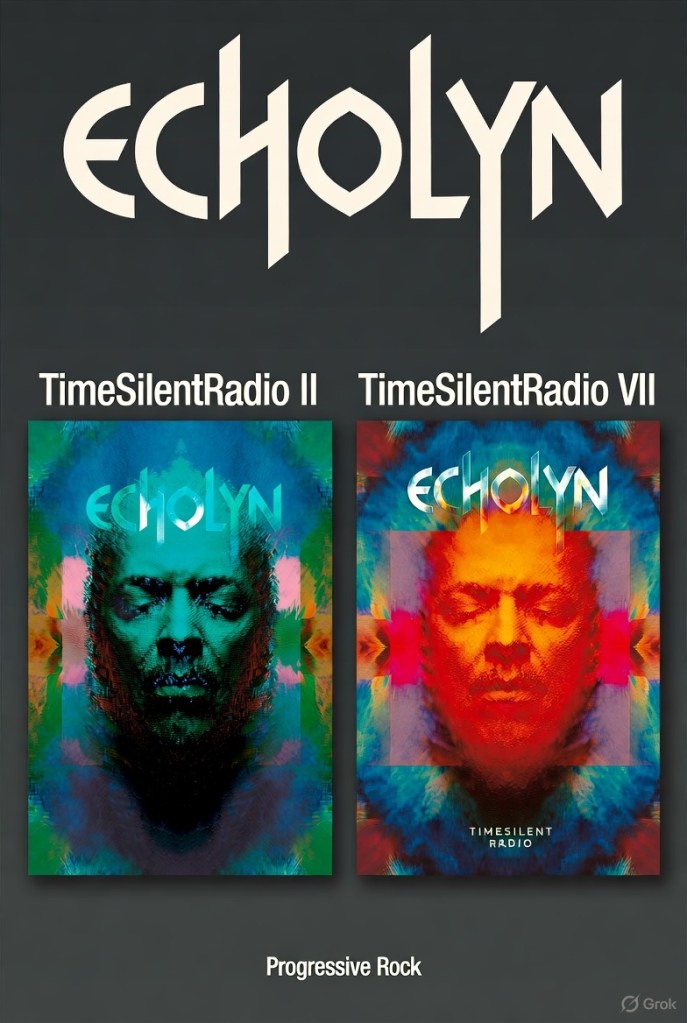


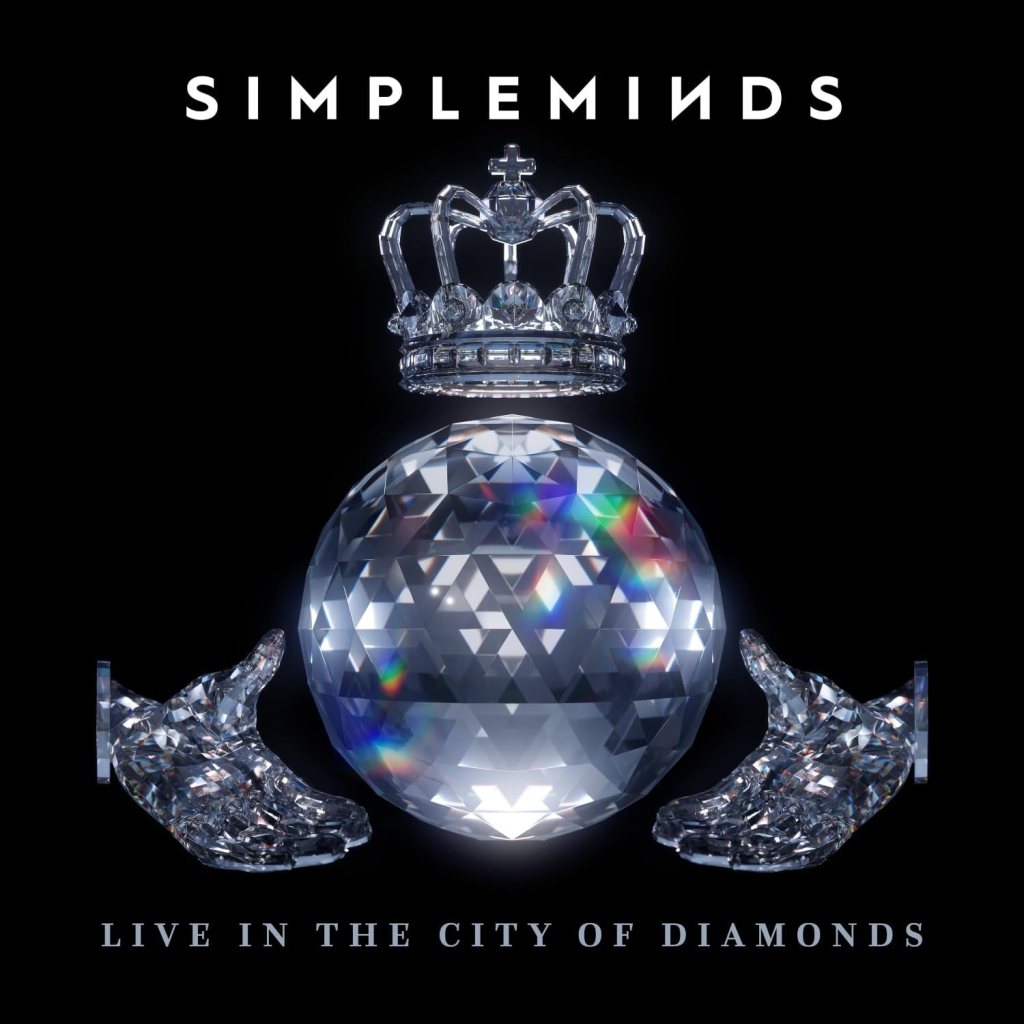


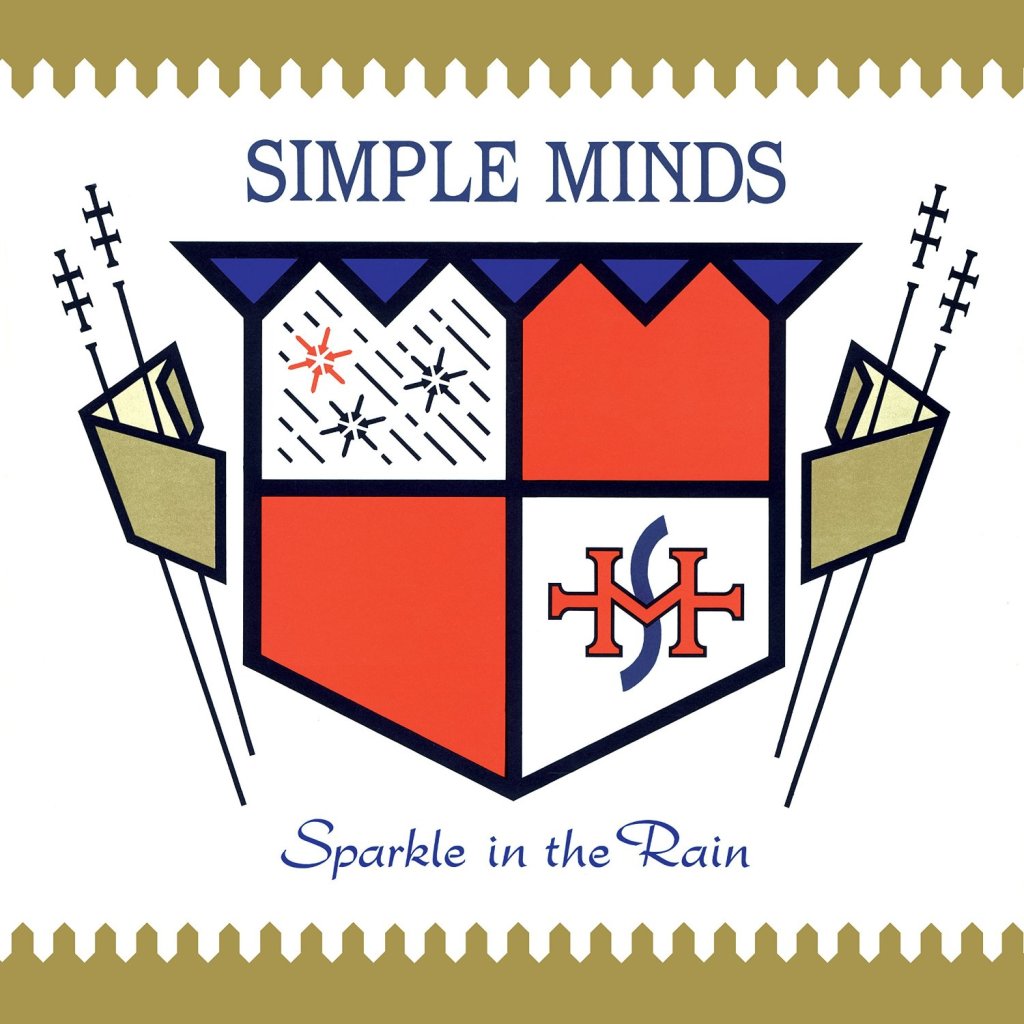
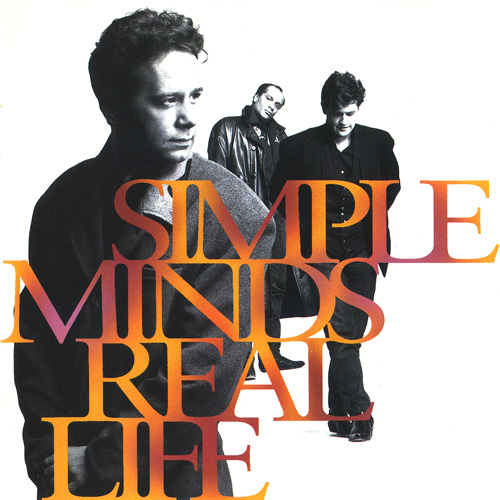


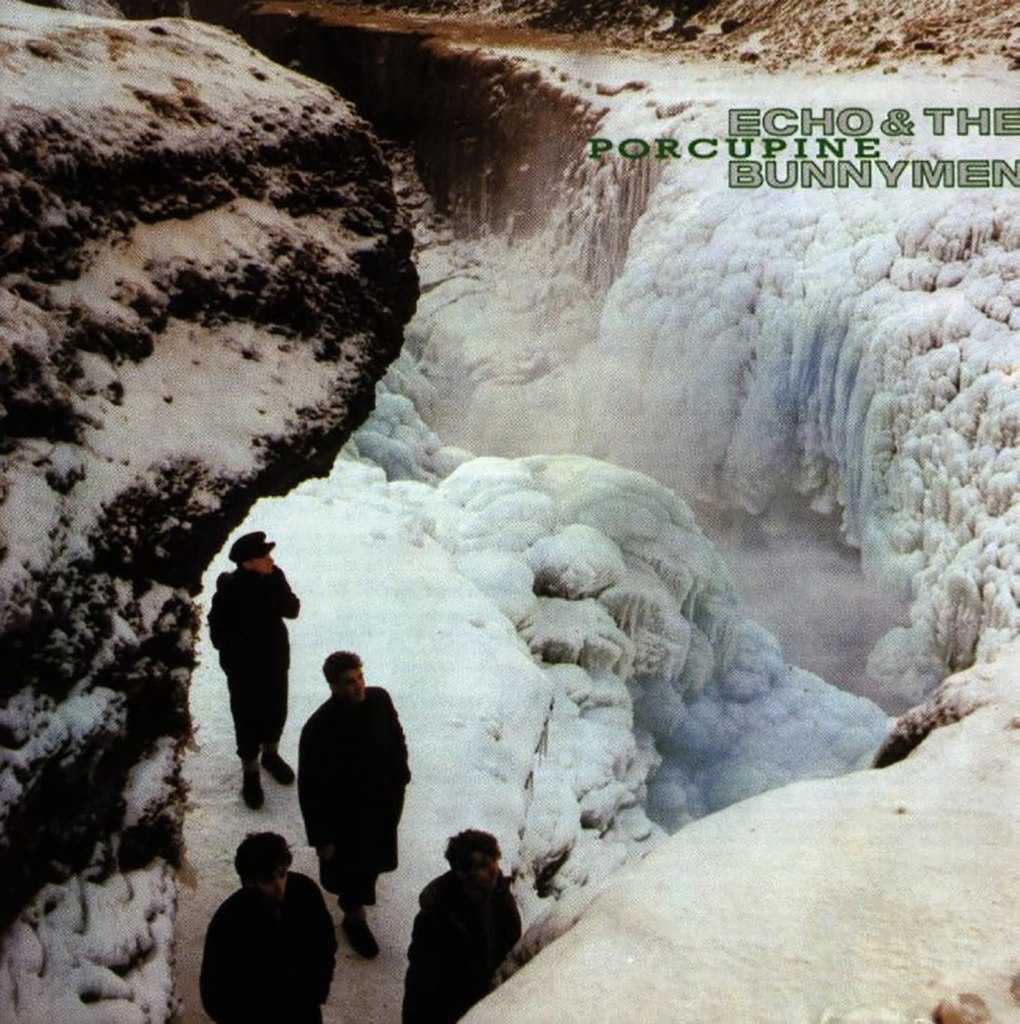
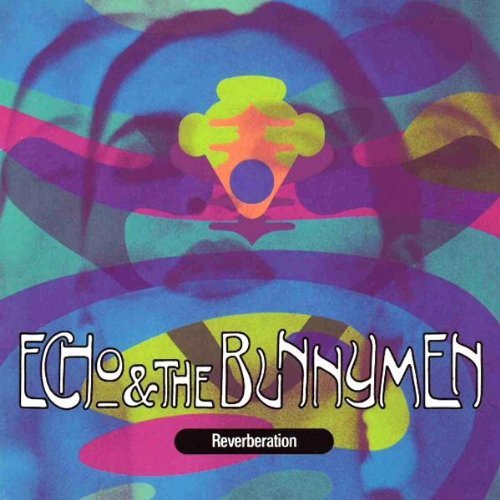


 Spirit of Cecilia
You must be logged in to post a comment.