Here in 2026, we have seen a lot of bad headlines. Gas prices are up, multiple armed conflicts are ongoing, and the general mood of the public is more on the sour side. I could list many specific reasons, but I do not come here to make you, the reader, depressed. Instead, I come here to bring you something to make you happy.
A headline that has emerged this year that is categorically good, particularly for the cohort of society collectively known as “Rush fans” (a group that includes myself and most of the other contributors to this blog), is that Rush is touring again. Most of us thought after their last tour, in 2015, that we would never get to see them play live again. And after the tragic death of Neil Peart in 2020, that line of thinking hardened into cement. But happily, we have been proven wrong, as Rush is once again touring to the delight of their fans everywhere.
In the wake of Peart’s death, the thought of Rush ever touring again was dependent on finding someone to fill his spot behind the drum kit. It’s not an overstatement to say that would be a daunting task. None other than Mike Portnoy of Dream Theater went so far as to say he was relieved that he wasn’t asked and that filling Peart’s shoes would be impossible. That’s a significant statement. Portnoy himself is an exceptional talent and one of the very few drummers that can even be mentioned in the same breath as Peart.
Portnoy’s statement underscores the point that, once they had decided they wanted to tour again, remaining Rush members Geddy Lee and Alex Lifeson were not going to have an easy time finding a drummer to make it happen. It’s not hyperbole to say that Peart was a legendary talent. Mindful of their longtime fans and their own high standards, Geddy and Alex were going to have to find someone who would be sitting in the seat formerly occupied by a legend, someone that could play his drum parts to their exacting and stratospheric standards. And yet, they found someone who could do just that.
That someone was Anika Nilles. Hailing from Germany and from a family of drummers (her father, a cousin, and some uncles), Anika began drumming at age six. But while she had some YouTube notoriety, it would have been an overstatement to say she was a well-known entity. Thus, the question hanging over this tour was “will she be up to the task?”
Verdict? By now, we can answer that question with a most emphatic “YES!!”
Since kicking off the 50 Something Tour in Los Angeles on June 7, the reviews have been overwhelmingly positive, as has the reception to Anika by the fans. We Rush fans are a merit-based bunch. We didn’t care how old or young she was, her gender, her credentials, or any of those things. We only cared if she could do the job. Night after night, she has passed that test with flying colors to the delight of everyone lucky enough to witness a show. If you closed your eyes and knew nothing about Peart’s death, you might think he’s still the one behind the kit.
For yours truly, my lucky night came on Friday, September 25 at the Frost Bank Center in San Antonio. As they opened with the classic Xanadu, I could barely contain the overwhelming sense of gratitude I had for another chance to see this incredible band. And there was an extra helping of gratitude directed at Anika herself. She was the lynchpin that made this possible. This tour doesn’t happen without her. She was the one with the courage, the guts, to step into what might be the most demanding position in rock music, and to do so under immense pressure and scrutiny. Even with all that pressure and scrutiny, and with all the demands of playing some of the most complex, difficult, and demanding drum parts ever devised, she has executed, flawlessly. Rush’s 1984 release was entitled Grace Under Pressure. Anika exemplifies that.
Of course, I don’t want to give the short shrift to Alex and Geddy. They were (and have been throughout the tour), their usual flawless selves. The playing has been incredible. The setlists have been perfect, alternating different nights, playing the entirety of the Moving Pictures albums one night, while playing the 2112 suite in its entirety on the next night (it was Moving Pictures night at the show I attended). Even better, it was clear they were having fun, doing what they love again after an 11-year break. Anika, too, was having fun. For most of the set, she held a serious expression on her face. But there were many moments a smile broke through, with the exceptionally large grin as she, once again, nailed the drum fills coming out of the solo break on Tom Sawyer. And has been par for the course on this tour, the crowd roared their approval right back at her (therearealreadycountlessvideosonYouTubeofthis).
So, Anika, from the bottom of my heart and that of Rush fans everywhere, thank you so very much for being willing to step into the breech and enable this tour to happen. And I’m sure Neil, somewhere in Heaven, is looking down and thanking you as well for honoring his legacy in the best way possible. In honoring his legacy, you are establishing your own, and what you have done for Rush fans will not be forgotten.
Before I go, there is one other woman I need to thank, namely my awesome wife, Miki. The pictures you are looking at were taken by her, and there are only an exceedingly tiny sample of the great shots she took (well over 1000 total). Thank you so much, Miki, for memorializing this incredible event. It means the world to me.
Dear Spirit of Cecilia Readers, welcome back! We hope and trust you’re each doing well. We had such a great and nostalgic time reminiscing about our years in high school and our love of music, we decided it was time to take it to the next level and talk about our post-high school years. I say post high school, because not all of us went immediately to college. Our beloved Erik Heter served brilliantly in the navy–as a submariner–immediately after high school. The rest of us, though, went directly to college. So, we cover the years, 1979-1991.
Brad: Well, the single most important thing that happened to me my freshman year (1986-1987) was meeting our own beloved Kevin McCormick. Kevin lived in the dorm next to mine, and we had crossed paths several times in September. In mid-October, though, we found ourselves on the same flight, home for our week-long fall break. Though he was ultimately heading to San Antonio, and I to Wichita, we had the same flight from Chicago to Denver. Recognizing one another, we sat next to each other on the flight. Almost forty years later, we’re still best friends!
I really didn’t like flying, but Kevin taught me a great trick as we took off–to set up an album on the walkman so that the music began as the plane began to take off down the runway and then hit full stride as it went into the air. Brilliant.
After take off, though, we talked non-stop on the flight and then had time together in Denver before our connecting flights. A moment that changed both of our lives.
Though I knew much more about older prog and jazz, Kevin seemed to have limitless knowledge about New Wave. As it turned out, he didn’t just listen to music, he was a full-fledged (and mighty good) guitarist (classical and electric), composer, and poet. To be blunt, in 1986, Kevin, more or less, defined cool. He even, amazingly enough, looked like Bono.
Though I really, really liked Rush, Kevin adored them and knew every single thing about the band. My love of the band had grown since first encountering them in 1981, but it was Kevin who really convinced me of their brilliance, and especially of the brilliance of Neil Peart. Kevin also introduced me to Blancmange and other New Wave bands. He also convinced me that it was ok that Sting went out on his own, forsaking the Police! And, when I tried to convince Kevin that albums like Invisible Touch were still great, he would have none of it.
But, most of all, I just loved hanging out with Kevin when he jammed on the guitar. We would talk for hours and hours about everything music related.
Tad: Okay, Brad, you’ve opened up the floodgates when you want to know what music I was into in college! I was an engineering undergraduate at Vanderbilt from 1979 to 1984. I’ll start with 1980, which was an incredible year for new music. By that time, I was a DJ at the school’s radio station, WRVU. As a newbie, I had the 6 – 8 am shift. I loved going through all of the promo copies we’d get, and planning my playlist.
Here are a few(!) of my favorite albums from that year:
Utopia: Adventures In Utopia Joe Jackson: Beat Crazy XTC: Black Sea *U2: Boy *Robert Palmer: Looking for Clues Yes: Drama Genesis: Duke Roxy Music: Flesh + Blood Devo: Freedom of Choice Group 87: Group 87 *English Beat: I Just Can’t Stop It Weather Report: Night Passage Rush: Permanent Waves Peter Gabriel: 3 (Melt) *Pretenders: Pretenders *Talking Heads: Remain In Light David Bowie: Scary Monsters Elvis Costello: Taking Liberties Gary Numan: Telekon The Cretones: Thin Red Line Ultravox: Vienna Hall and Oates: Voices *B-52s: Wild Planet *The Police: Zenyatta Mondatta
*I was also on Vanderbilt’s concert committee, and these artists all played live there. U2 played in the law school auditorium to maybe 400 people, believe it or not! Talking Heads gave the best show I’ve ever seen, with an expanded lineup that was incredibly funky. During the B-52s show, we were seated in the balcony in the basketball gymnasium, and everyone was bopping so hard to the music that I could feel the concrete floor flexing up and down. I was currently taking a course in reinforced concrete design, and I knew that if a crack developed, the whole thing would collapse. I grabbed my date and we ran downstairs. The band actually announced from the stage that people in the balcony had to sit still, or they would stop playing!
A few notes on some of the above albums:
Group 87 was an instrumental trio consisting of Patrick O’Hearn (bassist for Missing Persons), Mark Isham (trumpet, keyboards), and Peter Maunu (guitar, keyboards). It is still one of my all-time favorite records.
Weather Report was the group that got me into jazz – Wayne Shorter was a coleader, and through him I discovered Miles Davis and Art Blakey. Jaco Pastorius was their bassist, and he had a unique sound that Joni Mitchell used on her Hejira and Don Juan’s Reckless Daughter.
Robert Palmer’s Looking For Clues was an unusual album for him – very electronic, and featuring some songs by Gary Numan.
Elvis Costello’s Taking Liberties was proof of how incredibly prolific he was early in his career. He had released four excellent albums in three short years, and Taking Liberties was just a collection of B-sides. Every single song on it was as good or better than any other song he had released. How many people can come up with lyrics as witty as That the word upon everyone’s lipstick that you’re dedicated/Though you may not be an old-fashioned girl, you’re still gonna get dated?
XTC’s Black Sea is where Dave Gregory really makes his mark in that band. Andy Partridge and Colin Moulding were both at the top of their songwriting form.
Rush’s Permanent Waves remains my favorite album of theirs.
The Cretones were a new wave band from LA, and their songs were wonderfully catchy. Linda Ronstadt recorded several for her Mad Love album. They disappeared after two great albums. I don’t think they were even reissued on CD.
Hall and Oates’ Voices is probably the most mainstream album in my list, but what a great lineup of songs! They were definitely listening to new wave music and taking notes.
I think I played Peter Gabriel’s third album more than any other on this list. I was obsessed with the sound he came up with on it. Tony Levin on bass, Jerry Marotta on drums (but no cymbals!), and David Rhodes on guitar. Every song was so dark and powerful.
Erik: So I’m going to be the outlier here for reasons Brad mentioned above – namely, the fact that I served six years as a submariner in the US Navy right after high school. Oh, I did eventually go to college, after completing my service, but my college days were spent working a full-time job while going to school part time. And a majority of those years were in the 1990’s, which didn’t have the same impact on me musically as the 1980’s, in which my navy years fell.
Joining the military, traveling around a lot, and eventually getting assigned to a sea-going command certainly changed how I listened to music. I went from a vinyl guy to a cassette guy; from a turntable guy to a Sony Walkman guy. And man, did I go through a lot of Sony Walkmans in that period. And the number of cassettes I owned rapidly overtook the number of vinyl albums I had collected up to that point.
Music significantly shifted during my high school years that immediately preceded my navy years, and that change continued to reverberate. But at the same time, there were some consistencies. For example, my fandom of Yes didn’t waver, and in fact was supercharged in 1983 with their new album 90125. With a new guitarist (and excellent vocalist to boot) in tow, Trevor Rabin, Yes released an album that was both a radical departure from their previous work while still sounding like something only they could pull off. And it drew me in like the proverbial moth to a flame, as I couldn’t get enough of it. I’ve listened to that album all over the world, from the Mediterranean Sea to the Sea of Japan and many locales in between, some on land and some underwater. And despite using a Walkman with headphones, when I listened to 90125, so did the people in my vicinity. Nigel Tufnel wasn’t the only one who knew how to turn it up to 11.
But 90125 wasn’t the only album that resonated with me to such a strong degree. In 1984, Rush released what I consider to be their second-best album, Grace Under Pressure. Having joined the military, I started to ponder what it meant to be in situations where “the world weighs on my shoulders.” Being at an age of just entering adulthood, I was “overwhelmed by everything, yet wanting more so much.” Neil’s lyrics definitely spoke to me on that one. Better yet, on the first, glorious Saturday night of November 1984, I saw Rush play on the Grace Under Pressure tour. That was my second of six Rush shows (spread across 5 different decades), and it remains to this day the best one of the bunch.
I also quite enjoyed their subsequent albums Power Windows and Hold Your Fire, which also came out during that timeframe.
Embracing the new wave of rock music came a little slow to me. But in early 1983, while undergoing some electronics training in Great Lakes, IL (north of Chicago), I first heard U2’s War album. That did the trick, and I started paying attention to subsequent releases as well. I still like War the best of their albums, but Bono’s inflated sense of himself notwithstanding, they made some good music over the years.
My heavy metal listening expanded a little bit during those years. And in particular, I took a liking to the prog-adjacent heavy metal band, Iron Maiden. My introduction to them was via a concert in San Diego on their World Piece Tour (no, ‘Piece’ is not misspelled here), and soon after that I owned their then-current album, Piece of Mind. I would go on to purchase their next three albums as well, all of which appeared while I was still on active duty.
A few other albums really knocked my socks off during these days. Once Upon a Time by Simple Minds is jam-packed with lush melodies and great songs overall, and was in heavy rotation for about a year after its release. And while I liked some of The Cult’s earlier songs (Rain, She Sells Sanctuary), they really sealed the deal for me on 1987’s Electric, which is chock full of raw guitar and more of a roots rock sound. I also really liked Pete Townsend’s solo album White City that he released in 1985.
Another thing I enjoyed was watching Robert Plant’s evolution as a solo artist. Unlike others who were famous from their time in another band, Plant’s output during the 80’s neither rested on his Led Zeppelin laurels, nor did it run away from them.
I, or should I say we (referring to myself and the other sonar technicians I served with) also had fun with our music … meaning we figured out how to jerry-rig our Walkmans to input signals into a spectrum analyzer in the sonar room of the submarine upon which we served. This allowed us to see the music along with hearing it. And let me tell you, a young Robert Plant, when he really wanted to belt one out, could produce some massive harmonics!
My time in the service came to an end in November of 1988. When I entered six years earlier, it felt like our country was on its back and the Soviet Union was ascendant. But those six years later, America was confident and one could sense that the Soviets, no longer led by a stodgy old hardliner, were on their last legs. I too had changed quite a bit. When it comes to music, the change in my tastes was primarily one of expansion and broadening. I still liked the music I listened to in high school; in that era when so much of what a person listens to becomes embedded in their personality. At the same time, a lot of great new sounds emerged, and many of them caught my ear for good. It was a great time, and I miss it.
Brad: A second critical thing happened to me at the end of freshman year. My tape of Invisible Touch, of all albums, broke. I bought a new one at the campus store, but it was broken as well. As was its replacement. I got so fed up with defective Invisible Touches, that I decided to buy something totally new, something I knew nothing about. And, yes, I very much judged the book by its cover! I came across an album adorned with a whole slew of colorful moths, one large one dominating all the surrounding ones. I immediately loved it. It was called “The Colour of Spring” by Talk Talk. Taking a chance, I bought the album, knowing nearly nothing about the band or the album. I had had a good friend in high school, Ritchie, who had bought a Talk Talk EP, but, otherwise, they were new to me.
I proudly showed Kevin the new purchase, and he assured me it was a great band. I popped the cassette into the tape deck, and I was immediately blown away by every aspect of the music. From the beginning there was something deeply alluring about Mark Hollis’s voice but, for the life of me, I couldn’t make out the lyrics, and there was no lyric sheet with the cassette. I, however, listened to it so many times that I had the vocal cadence down pat, even if I didn’t know the words.
The following school year, July 1987-July 1988, I spent two semesters at the University of Innsbruck in Austria, and Kevin spent the same year in Rome. That March (1988), we ventured together to London and stayed in a friend’s flat. While in London, we visited EMI (trying to meet Talk Talk), Virgin, and Trident Studios. At one point, we found ourselves in a record store, and the shop had a vinyl copy of The Colour of Spring, complete with lyrics on the sleeves. I studied that sheet for nearly an hour. To say that I was blown away would be the understatement of the year. I was utterly gobsmacked by everything Hollis had to say. I’m not ashamed to admit that I cried rather openly, so moved was I. “Try to teach my children/To recognise excuse before it acts/From love and conviction to pray.” These were words of immense love and immense integrity, words to live by.
I had already had a profound religious experience a month earlier in, of all places, central Morocco, and Kevin and I had talked theology nonstop. Prior to February 1988, I was a proud (if idiotic) atheist and skeptic. By April 1988, I was a full-blown Roman Catholic. To ignore Hollis in all of this would be a crime and an absurdity. My movement back to my childhood faith had Morocco, Kevin, and Hollis written all over it.
Tad: Brad, that is a very moving memory of yours; thank you for sharing it. I also didn’t really get into Talk Talk until The Colour of Spring, but they soon became one of my favorite groups. As a matter of fact, they are the reason you and I connected. Spirit of Eden is an all-time favorite album of mine, and I was bored one evening, so I did a search for reviews of it. I clicked on a link to something you wrote about it on a site called (I think) Stormfields. It resonated with me so much that I left a comment thanking you for your review. The next thing I knew, I had a friend request from you on Facebook, and the rest is history! So I also have a lot to thank Mr. Hollis for.
Erik, it is so cool to learn how you accessed music while in the military. You and I were listening to a lot of the same music, especially Once Upon A Time and Robert Plant. The Principle of Moments is my favorite of his solo works.
Okay, here is my list of favorite albums from 1981. Not as many as in 1980, but still pretty extensive:
Genesis: Abacab Squeeze: Argybargy The Human League: Dare King Crimson: Discipline The Police: Ghost In The Machine The Vapors: Magnets Rush: Moving Pictures Devo: New Traditionalists Ultravox: Rage In Eden Psychedelic Furs: Talk Talk Talk B. B. King: There Must Be A Better World Somewhere Joan Armatrading: Walk Under Ladders Jaco Pastorius: Word of Mouth
Abacab is one of those albums that I never, ever, tire of. It’s just a perfect set of songs.
King Crimson’s Discipline kicked off my favorite iteration of this venerable prog group. Bill Bruford, Tony Levin, and Adrian Belew clicked perfectly with Robert Fripp.
The Vapors had a minor hit on their first album with “Turning Japanese”, but I always thought their followup album, Magnets, was much stronger. It sank without a trace, though.
I heard the title track to B B. King’s There Must Be A Better World Somewhere on the radio, and it moved me so much I immediately bought it. My poor roommate told me I had to be getting tired of listening to it, but I never did. I didn’t know anything about the blues, but this album really spoke to me. I got a group of friends to see him live with me, and we were pretty much the youngest and whitest people in the audience!
The production of Joan Armatrading’s Walk Under Ladders blew me away. The liner notes said Tony Levin and Jerry Marotta played on it (the same rhythm section as on Peter Gabriel’s Melt!) as well as synths by some guy named Thomas Dolby. Hmm…
I’ll go ahead and share my albums that define 1982 for me:
Prince: 1999 Roxy Music: Avalon Laurie Anderson: Big Science George Winston: December Thomas Dolby: The Golden Age of Wireless Elvis Costello: Imperial Bedroom Adrian Belew: The Lone Rhino Joe Jackson: Night and Day Donald Fagan: The Nightfly Richard and Linda Thompson: Shoot Out The Lights Utopia: Utopia Joni Mitchell: Wild Things Run Fast
Roxy Music’s Avalon is one of the finest albums ever produced. It doesn’t hurt that it is also the album my future wife and I listened to frequently while we were first dating.
Laurie Anderson’s Big Science was a hit that shouldn’t have been – it’s really weird, with Anderson’s mostly spoken vocals, but for some reason it’s compulsively listenable.
George Winston’s December is a wonderful collection of solo piano pieces that are Christmas-related. One of the first “new age” albums (a classification Mr. Winston despised), it set a very high bar that has rarely been reached.
Donald Fagan’s The Nightfly remains one of the most immaculately produced albums ever made. The songs are delightful, and I still love to listen to them.
Shoot Out The Lights is an amazing set of songs by the guitarist for the British folk rock group Fairport Convention and his wife as their marriage was falling apart. It is both heartbreaking and beautiful.
Utopia was Todd Rundgren’s group, and their Utopia album is a really fun set of catchy power pop songs. It was a three-sided record: two vinyl discs, but one only had songs on one side! I think the label went bankrupt, and the album never got much distribution. If you like Beatlesque melodies, this is right up your alley.
Brad: Tad and Erik, I absolutely love your recollections. Erik, I know I’ve told you this before, but I want to thank you for your service, especially during the absolutely critical Reagan years. Our nuclear deterrent–especially our subs–were so essential to ending the Cold War. Thank you for playing your part, above and beyond what most give.
Tad, I had forgotten that we initially bonded over Spirit of Eden. That’s wonderful. What a blessing your friendship has been.
There are still a few things I’d like to mention about college. Again, Kevin is at the center of them. First, during my junior and senior years of college, I had a Friday night prog show, which I goofily called “Nocturnal Omissions.” Yes, I really did. Of course, we were making fun of our sexuality, but I also wanted to have a show that played music most folks missed. Not surprisingly, I played a ton of prog, even though I wasn’t really supposed to. During the day, WSND 88.9 FM was a classical station, but at midnight, its format changed. We were supposed to play only “college rock” or “alternative rock.” I did that, but I also played a ton of prog. Our station reached Chicago, and I used to get a huge number of callers, usually guys five or ten years older who were stunned that anyone was still playing prog. We did nights of nothing but Yes or Rush or Pink Floyd. Hours and hours of it. In between prog songs, we’d play XTC, English Beat, Blancmange, and Tears for Fears. We also played lots and lots of Talk Talk, especially after Spirit of Eden came out and lots and lots of Kate Bush. Interestingly enough, I purchased Spirit of Eden using station funds, and my station manager was upset because it only had four tracks on it!
Second, Kevin (yes, our Kevin) had the single most popular band on campus, St. Paul and the Martyrs. They played almost every Saturday evening at Ted’s–our dance club on top of the student center. And, every Saturday, I was front and center, dancing like a mad-man. I was a terribly uncoordinated dancer–tall and gangly–but I decided early in high school, I would never give a damn what anyone thought of me and that I would have a blast. And, lo and behold, I did!
As I think back to college, I think about deepening my old loves–especially Yes, Pink Floyd, Kate Bush, Simple Minds, and Kansas–but also adopting new ones, such as Talk Talk, Ultravox, The The, Psychedelic Furs, and The Sundays.
Tad: Brad, I didn’t know you did a stint as a radio DJ as well! I love the name of your program, and I’m surprised the station manager let you use it! The 80s were a wonderful time to be in college radio, because we had (relatively) free rein in terms of what music we played. I’m glad you mentioned The The, because their debut album, Soul Mining, was one I played a lot on WRVU in 1983. One of my favorite segues was between Martha and the Muffins’ track, “Several Styles of Blonde Girls Dancing” and The The’s “Uncertain Smile” – the former flowed perfectly into the latter.
Speaking of 1983 (how’s that for a segue?), here are my most-played albums from that banner year:
Yes: 90125 Vangelis: Antarctica Soundtrack Brian Eno: Apollo: Atmospheres and Soundtracks R.E.M.: Chronic Town EP Martha and the Muffins: Danse Parc Everything But The Girl: Eden Genesis: Genesis Gang of Four: Hard Paul Simon: Hearts and Bones Tears for Fears: The Hurting Bob Dylan: Infidels Joan Armatrading: The Key David Bowie: Let’s Dance Mark Knopfler: Local Hero XTC: Mummer R.E.M.: Murmur Robert Plant: The Principle of Moments The Fixx: Reach the Beach Stewart Copeland: Rumblefish Soundtrack The The: Soul Mining Steps Ahead: Steps Ahead Eurythmics: Sweet Dreams The Police: Synchronicity Mark Isham: Vapor Drawings
Looking back at 1983, I realize that was the year I really got into ambient and space music. My local public radio station played Stephen Hill’s program, Hearts of Space, and I faithfully taped it every Thursday evening. That’s how I learned about Vangelis and Brian Eno’s Apollo. Mark Isham’s Vapor Drawings wasn’t ambient, per se, but I was familiar with him from Group 87 (see my 1980 notes).
Besides being a great year for music, 1983 was the year I first met my future wife! We both loved Joan Armatrading, and we had the good fortune to see her live. Before the show, we were walking up to the auditorium when we saw Joan smiling and watching some skateboarding kids. We chatted with her, and she was really nice. When The Key was released, we ran down to the record store to buy it that day. I ended up working in that store while I was in graduate school.
Erik has already done a fine job extolling the greatness of 90125. I’ll just add that it and Roxy Music’s Avalon were the first compact discs I bought. I would play “Leave It” to demonstrate how quiet, crisp, and clear CDs were.
Paul Simon’s Hearts and Bones wasn’t a huge seller for him, but it remains a favorite of mine. He had just married Carrie Fisher, and it was full of romantic songs.
Steps Ahead was a jazz “supergroup” consisting of Michael Brecker (sax), Mike Mainieri (vibraphone), Eliane Elias (piano), and Peter Erskine (drums). They played a show at Vandy, and it knocked me out!
Finally, Mark Knopfler’s soundtrack to Local Hero remains one of the most haunting sets of Celtic-inflected ambient music ever recorded. It never fails to put me at peace whenever I listen to it. The movie itself is still one of my favorites – a very quirky comedy about a young oil company exec in Houston sent to acquire a coastal village in northern Scotland.
Kevin: So fun reading your reflections, Bradley, on those years and fascinating how much we have in common, Tad! Early college (‘86-’88) were years of exploration for me. Besides all that Brad shared above, I also was amazed by the music of U2, XTC, the Police, Echo and the Bunnymen, particularly, Ocean Rain, which I hadn’t realized was such an amazing album–punk folk with string orchestra!
After returning from a year abroad, Brad and I had our never-forget moment listening to his early copy of Talk Talk’s Spirit of Eden. Also learning tunes for the college band introduced me to a lot of new music and older music that I had missed. Learning the music to perform the entirety of Pink Floyd’s Dark Side of the Moon was quite a masterclass. We did lots of late 60’s/early 70’s rock including The Who, The Stones, The Beatles, Lou Reed, Steely Dan, Yes. But there was a lot of college radio music as well. We even covered Talk Talk’s “Desire” from the new album. The other players were quite talented and there wasn’t much we weren’t willing to give a try.
It was a formative time and between the band and Brad’s library and radio show it really expanded my listening palette immensely.
Brad: Kevin and Tad, loved your recollections. Thank you both for those. I will admit, though, that there were bands that I adored in college that didn’t last beyond college for me. I was huge into A-ha and The Smiths. Neither of those stuck. But, bands like the Cure—especially when Disintegration (a top 10 album for me) did. I also came to love Bryan Ferry, and I still do.
Tad: Kevin, I wish I could have seen your band perform! Brad, I think Bryan Ferry is one of the most talented artists of the twentieth century. Roxy Music was my favorite group all through high school and into college. I still love the Smiths; I think Morrisey’s lyrics are hysterical, and Marr’s melodies fantastic.
My final year in undergraduate school was 1984. By this time, I had a job at Cat’s Records, near Vanderbilt. We had lots of fun in-store events, and a huge import section. Working there exposed me to Cocteau Twins, The Blue Nile, Guadalcanal Diary, and countless other alternative groups.
Here’s my final list – favorite albums of 1984:
Let’s Active: Afoot EPand Cypress Don Henley: Building the Perfect Beast Thomas Dolby: The Flat Earth Lindsey Buckingham: Go Insane The Smiths: Hatful of Hollow Howard Jones: Humans Lib This Mortal Coil: It’ll End In Tears dBs: Like This Psychedelic Furs: Mirror Moves Depeche Mode: Some Great Reward David Bowie: Tonight Cocteau Twins: Treasure Michael Hedges: Aerial Boundaries
Let’s Active was led by Mitch Easter, who produced the first two R.E.M. albums. He recorded four near-perfect albums of jangly rock that are a blast to listen to.
I always thought Lindsey Buckingham was the secret sauce in Fleetwood Mac, and his second album, Go Insane, had everything that I liked best about his music: quirky lyrics, catchy melodies, and terrific guitar.
This Mortal Coil was a “supergroup” composed of artists on England’s 4AD label. Very moody and angsty, but Elisabeth Fraser’s song, Another Day, is three minutes of the most beautiful music ever recorded.
I know Bowie fans generally don’t like Tonight, but I love it. Loving the Alien is one of my favorite songs of his.
Michael Hedges was an acoustic guitarist, and his Aerial Boundaries completely changed the way people thought the guitar could be played. I assumed he recorded it by overdubbing himself on several tracks. Then I saw him live, and he played every song perfectly, by himself. It was jawdropping. He died much too young.
Carl: I’m late and last to this party, but perhaps that’s fitting as I’m a (very!) little bit younger than my elder brothers in musical arms. And while there is some overlap, I’m struck by the huge holes in my musical tastes in college and how different my limited tastes were in many ways (for example, I didn’t get into jazz at all until I was 25, around the same time I got married).
I graduated from a small town (Plains, Montana) high school in May 1987, and a month later I was attending a year-long art program, essentially an Associate’s degree in graphic design, in Phoenix. The culture shock was real. It was also, overall, good for me in many ways. My roommate was an Italian-American kid from San Diego, and one of our first conversations was about music. I was into Kansas, CCM/John Fogerty, and an assortment of contemporary Christian (CCM) artists, especially Petra, Matthew Ward, Whiteheart, David Meece, and others. He was a huge Rush fan, which was common ground, but also into Depeche Mode and New Order, who held little to no interest for me. In fact, most New Wave bands left me cold at the time, although certain songs broke through.
In art classes, I sat next to Tim, a transplant from London with a glorious British accent. He was a musician, and he was, he told me, into “U2, the Smiffs, and the Baytills.” I recognized the first (I was a big fan of “Joshua Tree,” of course), then figured out the third (famous band from Liverpool that I rarely listen to), and had never heard of “The Smiths.” Bands such as The Smiths, The Cure, et al, did nothing for me and still don’t. But it was not an anti-British thing on my part, as I was an established fan of Yes, the Moody Blues, Queen, Asia, ELP, and GTR. Oddly enough, I never really listened to early Genesis, and rarely have.
What I discovered was that my schoolmates broke down into a couple of different musical camps. There was the heavy metal camp (Iron Maiden!), the alternative/punk folks (Butthole Surfers, anyone?), and the Top 40 crowd. My tastes tended to be either 10 to 20 years behind the times or far too Christian (Stryper, however, was an ecumenical choice for some).
From 1988-1991, I attended two Christian schools: Northwest Nazarene College in southern Idaho, and Briercrest Bible College in southern Saskatchewan. My one year at NNC was a strange one in various ways, but it was there that I first heard Tracy Chapman’s fantastic debut album, dived deeply into the back catalog of Elton John (inspired by his live album recorded in Australia), and went even further down the Kansas, Kerry Livgren, A.D., Steve Morse, Dixie Dregs rabbit hole, which I still enjoy to this day.
My two years in Canada influenced and shaped me in many ways, including on the musical front. It was there that I was introduced to the stunning music of King’s X, the brilliance of Phil Keaggy, my favorite Paul Simon album (“The Rhythm of the Saints”) and Eric Clapton album (“Journeyman”) and Queensrÿche album (“Empire”), as well as a host of CCM artists, several of whom I got to see perform live at the school. I would single out King’s X as especially important, as they introduced me to tunings, sounds, lyrics, and wild marriages of metal, folk, gospel, and prog that changed how I heard and understood contemporary music, helping me to appreciate groups such as Living Colour, Porcupine Tree, Soundgarden, and Radiohead.
I could well be wrong and chronologically-biased, but I think that the late Eighties and early Nineties was the final great era of exceptional contemporary Christian music, with landmark works by White Heart (“Freedom”, 1989), Charlie Peacock (“The Secret of Time”, 1990; “Love Life”, 1991), The Choir (“Circle Slide”, 1990), King’s X (“faith hope love”, 1990), Russ Taff (“Russ Taff”, 1987; “The Way Home” 1989), Margaret Becker (“Immigrant’s Daughter”, 1989; “Simple House”, 1991), David Meece (“Candle In The Rain”, 1987; “Learning To Trust,” 1989), Ashley Cleveland (“Big Town,” 1991), Chagall Guevara (“Chagall Guevara,” 1991), among several others.
Finally, a few other artists figure prominently at that time for me. First, I wore out my cassette of Trevor Rabin’s “Don’t Look Away” (1989), which is an underappreciated work of musical art. Secondly, I listened to a lot (a LOT) of Steve Morse and Eric Johnson, and I never tire of hearing any and all music by both men. Third, I was introduced to the magical voice of Maria McKee, whose debut album came out in 1989, and then to my first real Van Morrison album, “Avalon Sunset,” which came out the same year. In fact, a classmate had me listen to both on the same day, a wonderful “twofer”! And I will always have wonderful memories of driving 12 hours across Montana and into Canada—often not seeing another car for many miles—while blasting Rush’s “Chronicles”.
At that point, I was 21, and I had yet to discover jazz, which has been my biggest musical love for 30 years, or the music of Frank Sinatra, Mel Torme, Sarah Vaughan, Ella Fitzgerald, and other greats. And Radiohead, Soundgarden, Porcupine Tree, and others were also on the horizon, along with some trips through trip-hop, electronica, ambient, and so forth. But those four years of college were filled with an abundance of memorable music, much of which I return to today.
Tad: Well, dear readers, there you have it – some long and varied reminiscences of Spirit of Cecilia’s favorite music from their college days. The period from 1979 – 1995 was probably unique in the sheer variety of great music one could hear on the radio. We hope you enjoyed our little stroll down Memory Lane!
I have been a big fan of the progressive rock group Rush since the early ’80s when “The Spirit of Radio” was all over the radio. In fact, Permanent Waves is probably my favorite Rush album. I also enjoy reading musicians’ autobiographies and getting a “behind the scenes” look at how their music is created.
That said, Geddy Lee’s autobiography, My Effin’ Life, is somewhat of a disappointment. Lee is the bassist and vocalist of Rush; he and guitarist (and lifelong best friend) Alex Lifeson wrote almost all of the music to their vast catalog. Drummer Neil Peart was their lyricist. My Effin’ Life weighs in at a hefty 536 pages (the draft was allegedly 1200 pages!), and I was hoping to learn about the genesis of such classic songs as “Natural Science”, “Tom Sawyer”, and “The Big Money” among many others. Lee comes up short on the working details of how they composed their songs, but he doesn’t stint on describing how much and how often they all consumed drugs!
Dear Spirit of Cecilia Readers, two close friends—Kevin McCormick and Ivan Pongracic—and I recently had a lengthy email discussion about the virtues of U2. You all know Kevin as he’s a regular here and one of the SOC editors. Ivan, though, might not be as familiar. He’s a fantastic guy and friend. He’s a professor of economics at Hillsdale College, and he’s the lead guitarist of several surf bands, including Lords of Atlantis and The Madeira. As you’ll see, he’s also the most passionate about U2. Kevin and I tend to like the earlier albums. Here’s a slightly (only slightly) abbreviated version of our conversation. Yours, Brad
Version 1.0.0
Brad: Dear Ivan, since we talked a week or so ago, I’ve been listening to lots of U2. My favorite album is definitely October. Hope you’re doing well!
Ivan: Excellent! But you remain your own man, a true individual – I think almost everybody thinks of October as a bit of a backward step between Boy and War, suffering from the dreaded “sophomore jinx” syndrome! So, the fact you’d consider it your favorite, well, you’re definitely unique! 🤣 (The same goes for “Zooropa”!). Have you, BTW, checked out “No Line on the Horizon”?
Brad: Ivan, thanks for the note! I’m glad to know I’m my own man! Ha. I’m including my great friend, Kevin McCormick, on this email—just to get his input on the best U2 album.
Version 1.0.0
Ivan: Hi Kevin! Here’s my (three-tier) ranking:
Top tier: The Unforgettable Fire, The Joshua Tree, Achtung Baby, All That You Can’t Leave Behind, How To Dismantle an Atomic Bomb
Middle Tier: Boy, War, No Line on the Horizon
Bottom Tier: October, Rattle and Hum, Zooropa, Pop, and Songs of Innocence/Experience
(I should point out that there are tracks on October, R&H and Zooropa that I really love, I just find them overall a disappointment – but Gloria is amazing, and All I Want Is You is almost certainly my all-time favorite U2 song. The title track of Zooropa is killer, and there’s some good stuff on Pop, too. I can’t say the same about the last two albums, which have zero redeeming qualities, as far as I’m concerned.)
Brad: Thanks, Ivan. For me, top tier would be October, Under a Blood Red Sky, The Joshua Tree.
Mid-tier would be War, Boy, Unforgettable Fire. Rattle and Hum (I love Desire)
Ivan: I’m telling you, my friend, you’ve really GOTTA do a deeper dive into their post-’90 catalog, especially Achtung Baby, All That You Can’t Leave Behind, and How To Dismantle an Atomic Bomb. Those are just amazing albums!
Version 1.0.0
Brad: I also think that U2’s b-sides from 1980-1990 are stunning. Love them. Not as much as I love Cure b-sides, but close.
Kevin: Okay, here goes:
Top Tier: October, War, Unforgettable Fire,
Middle Tier: Boy, The Joshua Tree, Achtung Baby
I’m with Brad on the b-sides!!
Ivan: Kevin, et tu on nothing after ’91? 😁
Kevin: (I forgot to include Under a Blood Red Sky–top tier!). Here’s my honest response to the later albums. If they were made by any other band, I’d probably be more impressed. But there was such a shift toward the “rock star” thing, beginning with The Joshua Tree that it was a personal disappointment for a band that held great promise for something beyond a rock band. I don’t hold it against them anymore. That’s a tough road to travel. But it was a pretty personal thing at the time. No doubt there were many influences that shaded my reception of those albums. And you (Brad) and I have discussed it a lot. The Joshua Tree concert that I saw was really what changed things for me. To me, October has the real songs of innocence and that’s why I love it so much. Despite the rushed songwriting and lousy production, the album just shines with sincerity. And after reading Bono’s autobiography, I would say it’s much harder to keep that up once it has become your job and the salaries of other people depend on your success.
Version 1.0.0
Ivan: Quite funny how different our preferences are – even only on the ’80s albums! I’m personally just blown away that Achtung Baby would do nothing for you, Brad. Well, de gustibus non disputandum est! (dammit! 😁) And Kevin, I think I understand where you’re coming from. But I also followed them on that journey they took in the ’90s, which is that they were starting to realize that they had turned into a total caricature by the end of the ’80s, and the only way forward was to go in the opposite direction. I also remember Bono saying, who really wants a super-successful, rich and famous rock star that’s always miserable and hates his success? So, they embraced all the cliches, but in a mostly ironic way – most importantly embracing FUN along the way, which I thought was pretty brilliant. The Zoo TV tour was mind-blowingly innovative, too, really setting the stage for so much of what was to come with stadium tours over the past three decades, they did it first, going from very barebones stages and concerts to the most high-tech things available at the time. I think they absolutely had to do all that to avoid becoming even more of a joke than they were by the end of the ’80s, that super-earnest, save-the-world stuff had really worn thin. They thought that, and I think they were right. That’s my take on it, anyway. 🙂 The bottom line is I think they continued to make some amazing music, even though it was quite different from their ’80s stuff. A feature, not a bug.
Kevin: Well said Ivan. Yes, I think that Bono himself (and my brother, Colin😄) would agree with you. There’s no doubt that as an ensemble they learned to make really great music and hold themselves to a high standard. And they definitely invested a fortune on making great albums and producing incredible live shows. But that wasn’t what was so interesting about them to me. The same was true for me with R.E.M. I love the early stuff and dislike most of the later music. Not because I don’t hear some quality music in the later records, but because it lacks the charm of the earlier recordings. Not their fault. Just my preference. That early music is connected to much more than just my ears.
Ivan: Fair enough. I definitely appreciate the (potential) genius of innocence – but also the (potential) genius of experience, knowledge, and skill. They can both be wonderful. But the bottom line: the music either connects with you or it doesn’t, and nothing else matters. Obviously something that cannot be forced. I think most of Bono’s lyrics in the ’80s are very naive, very black and white, and with Achtung Baby there’s a newfound depth. He’s now truly an adult, addressing adult themes and issues, and writing from the perspective of a great deal of shades of gray and ambivalence and complexity. And that’s a pretty remarkable thing, I think. (And all this is coming from a guy that almost never cares AT ALL about lyrics with any band! 🤣) BTW, there are definitely similarities in the lyrics of AB to Rush’s Counterparts album, I think.
Brad: Ivan, you’ve inspired me to re-listen to things. Achtung, Zooropa, and Pop. Here’s what I like:
On Achtung:
I really, really like: Until the End of the World (especially the bass), Who’s Going to Ride Your Wild Horses, Ultraviolet (my favorite), and Love is Blindness
On Zooropa:
I really like: Zooropa, Some Days Are Better Than Others (again, great bass), Dirty Day (the buildup is phenomenal), and The Wanderer
On Pop:
I absolutely love Please (but nothing else on the album)
Ivan: You’ve told me that Ultraviolet is your favorite Achtung Baby track by far. And it’s funny since to me that track is the most conventionally U2 track on that album, and it seems like a betrayal of the innovative, bold, groundbreaking spirit of that album, it seems like a retreat. To use another Rush analogy, Alex has often talked about how disappointed he was that they didn’t stick to the Spirit of Radio/Free Will format of short, to-the-point songs with the rest of Permanent Waves, that he felt it was a copout and disappointment that they did Natural Science and Jacob’s Ladder, which could have nicely fit on Hemispheres or A Farewell to the Kings, and he thought they made a decision to be done with that. Anyway, that’s how I see Ultraviolet, FWIW.
Version 1.0.0
Kevin: Okay Ivan, gotta reply to your last comment on Rush. Whatever Alex thinks in hindsight, I would argue that “Natural Science” is the best song Rush ever did, by far: conceptually, lyrically, musically, compositionally. It is the summation of who Rush was/is. It doesn’t matter where they were “going” or where they wanted to be. Even “Moving Pictures” had “The Camera Eye” and “YYZ” is total prog. “Natural Science” captures it all in 9 1/2 minutes. Pure gold!
Ivan: Well, Kevin, I think you’re the first person I’ve met that feels that passionately about Natural Science! Wow. Alas, I can’t say I share your feelings about that track, though it’s fine, I don’t mind it – but on that album I much prefer the two big ones and Jacob’s Ladder, FWIW. (That may be a function of my relative “youth” 😁, as Brad mentioned, as my favorite Rush is ’80-’88, that’s the stuff I grew up with, and all the serious proggy stuff, 2112, AFTK, Hemispheres, was before my time, and still in general doesn’t do all that much for me (with a few notable exceptions.) Anyway, I think your point certainly stands that the artists themselves may be biased about particular tracks in a way that the fans are not, and their own perceptions are not ultimately really relevant. But I do feel that way about Ultraviolet. I’ve never heard any of the U2 guys talk about that track in such a way, so this is just my personal perception, and I thought that Alex Lifeson tidbit was relevant, but I could be way off!
Kevin: Ivan and Brad, I’ve enjoyed hearing our different perspectives (our “different strings” perhaps?🙃). I would never claim an objective take on any of the music I like: I’m totally partisan to what I connected with at a particular time. And Ivan I agree–I think the Alex reference is very relevant to the discussion. Your observation is quite true: the creators of the art don’t often have an objective understanding of what they’ve created for most listeners. It’s too close for them to see it. But it’s fun to talk with two people who actually know a lot about both Rush and U2 enough to discuss them in depth. I don’t suspect that there are a huge number of people who match that venn diagram.
Ivan: Thanks for the lovely email, Kevin, and I couldn’t agree more, much fun to talk about all this stuff with other knowledgeable individuals! I was thinking a bit more about this whole conversation and reflecting on my own musical background. The Beatles were my formative musical love, the band that made me develop a passion for music – and their first two albums I was exposed to were Help (’65) and The White Album (’68). Well, those two are about as far apart as two albums of music can possibly be – and I loved them both equally. So, from the beginning I loved when bands dramatically changed their sounds, evolved and grew. I’ve always tried to give maximum grace to bands I loved that engaged in such things and tried to not get stuck in the past. It obviously doesn’t always work, but I’ve discovered that stuff that the fans sometimes react badly to may actually have a lot more merit than apparent at first, if I can just open my mind and my heart to it. That’s what I’ve tried to do with U2, and I was able to hang in there with them until this most recent period, where they finally lost me. And I think it’s definitely paid off with Rush in the past, too – even if they did some albums that I don’t love, they also eventually produced stuff like Counterparts and Clockwork Angels, which I think are really excellent. Anyway, there you go! Maybe persuade you at least a bit to give some of the post-’91 U2 more of a chance (which Brad has already done – kudos to you, my friend!).
My favorite Rush album has been, at least going back to April 1984, Grace Under Pressure. I realize that among Rush fans and among prog fans, this might serve as a contentious choice. My praise of GUP is not in any way meant to denigrate any other Rush albums. Frankly, I love them all. Rush has offered us an outrageous wealth of blessings, and I won’t even pretend objectivity.
I love Rush. I love Grace Under Pressure.
I still remember opening Grace Under Pressure for the first time. Gently knifing the cellophane so as not to crease the cardboard, slowly pulling out the vinyl wrapped in a paper sleeve, the hues of gray, pink, blue, and granite and that egg caught in a vicegrip, the distinctive smell of a brand new album. . . . the crackle as the needle hit . . . .
I was sixteen.
From the opening wind-blown notes, sound effects, and men, I was hooked, completely. I had loved Moving Pictures and Signals–each giving me great comfort personally, perhaps even saving my life during some pretty horrific junior high and early high school moments.
But this Grace Under Pressure. This was something else.
If Moving Pictures and Signals taught me to be myself and pursue excellence, Grace Under Pressure taught me that once I knew myself, I had the high duty to go into the world and fight for what’s good and right, no matter the cost. At sixteen, I desperately needed to believe that, and I thank God that Peart provided that lesson. There are so many other lessons a young energetic boy could have picked up from the rather fragile culture of the time and the incredibly dysfunctional home in which I was raised. With Grace Under Pressure, though, I was certainly ready to follow Peart into Hell and back for the right cause. Peart certainly became one of the most foundational influences on my life, along with other authors I was reading at the time, such as Orwell and Bradbury.
Though I’m sure that Peart did not intend for the album to have any kind of overriding story such as the first sides of 2112 or Hemispheres had told, GUP holds together as a concept album brilliantly.
The opening calls to us: beware! Wake up! Shake off your slumbers! The world is near its doom.
Or so it seems.
Geddy’s voice, strong with anxiety, begins: “An ill wind comes arising. . .” In the pressures of chaos, Pearts suggests, we so easily see the world fall apart, ourselves not only caught in the maelstrom, but possibly aggravating it. “Red Alert” ends with possibly the most desperate cry of the Old Testament: “Absalom, Absalom!” Certainly, there is no hope merely in the self. Again, so it seems.
The second song, gut wrenching to the extreme, deals with the loss of a person, his imprint is all that remains after bodily removed from this existence. Yet, despite the topic, there is more hope in this song than in the first. Despite loss, memory allows life to continue, to “feel the way you would.” I had recently lost my maternal grandfather–the finest man I ever knew–before first hearing this album. His image will always be my “Afterimage.”
It seems, though, that more than one have died. The third song takes us to the inside of a prison camp. Whether a Holocaust camp or a Gulag, it’s unclear. Frankly, it’s probably not important if the owners of the camp are Communists or Fascists. Either way, those inside are most likely doomed. Not only had I been reading lots of dystopian literature in 1984 (appropriate, I suppose, given the date), but I was reading everything I could find by and about Solzhenitzyn. This made the Gulag even more real and more terrifying.
Just when the brooding might become unbearable, the three men of Rush seem to offer a Gothic, not quite hellish, smile as the fourth song, “The Enemy Within” begins. Part One of “Fear,” the fourth track offers a psychological insight into the paranoia of a person. Perhaps we should first look at our own problems before we place them whole cloth upon the world.
Pick needle up, turn album over, clean with dust sponge, and drop needle. . . .
Funk. Sci-fi funk emerges after the needle has crackled and founds its groove. A robot has escaped, perhaps yearning for or even having attained sentience. I could never count how many hours of conversation these lyrics prompted, as Kevin McCormick and I discussed the nature of free will. It’s the stuff of Philip K. Dick, the liberal arts, and the best of theology.
More bass funk for track six and a return to psychological introspection, “Kid Gloves.” But, we move out quickly into the larger world again with the seventh track, “Red Lenses,” taking the listener back to the themes of paranoia. When the man emerges for action, will he do so in reaction to the personal pain he has experienced, or will he do so with an objective truth set to enliven the common good?
In the end, this is the choice for those who do not lose themselves to the cathode rays. Is man fighting for what should be or he is reacting merely to what has happened, “to live between a rock and a hardplace.”
Unlike the previous albums which end with narrative certainty, Grace Under Pressure leaves the listener with more questions than it does answers, though tellingly it harkens to Hemingway and to T.S. Eliot.
Given the album as a whole, one might take this as Stoic resignation–merely accepting the flaws of the world. “Can you spare another war? Another waste land?”
Wheels can take you around
Wheels can cut you down. . . .
We’ve all got to try and fill the void.
But, this doesn’t fit Peart. We all know whatever blows life dealt Peart, he stood back up, practiced twenty times harder, and read 20 more books. That man did not go down for long. And, neither should we.
In the spring of 1987, much to my surprise, one of my humanities professors allowed me to write on the ideas of Peart. I can no longer find that essay (swallowed up and now painfully lonely on some primitive MacPlus harddrive or 3.5 floppy disk most likely rotting in a landfill in central Kansas), but it was the kind of writing and thinking that opened up whole new worlds to me. My only quotes were from “Grace Under Pressure,” drawing a distinction between nature of the liberal arts and the loss of humanity through the mechanizing of the human person. It dealt, understandably, with environmental and cultural degradation, the dangers of conformist thinking, and the brutal inhumanity of ideologies. It was probably the smartest thing I’d written up to that point in my life, and even my professor liked it.
Of course, the ideas were all Peart’s, and I once again fondly imagined him as that really great older brother–the one who knows what an annoying pain I am, but who sees promise in me anyway, giving me just enough space to find my own way.
I’m fifty seven, and I still want Neil to have been my older brother.
Hello, Spirit of Cecilia readers! Kevin J. Anderson has a Kickstarter campaign up and running for a gorgeous reissue of his Terra Incognita trilogy of fantasy novels and accompanying music that includes a new album from Roswell Six – Terra Incognita: Uncharted Shores. Brad Birzer, Rick Krueger, and Tad Wert share their thoughts on it.
Tad: Brad and Rick, I understand this is the third Terra Incognita album, but they haven’t been on my radar. What’s the story behind this group, and how are they connected to author Kevin Anderson?
Rick: Tad and Brad, it’s great to join you two for a roundtable at long last! I’m sure Brad knows a lot more about this project than I do. But I first came across Kevin Anderson when he and Neil Peart wrote a novel based on the Rush album Clockwork Angels. That one led to two more novels in the CA universe over the years, Clockwork Lives and Clockwork Destiny; all three of them were delightfully true to Peart’s concepts, with lots of clever Easter eggs from the Rush canon and enjoyable plot twists. The only other novel of Anderson’s I previously read is The Dark Between the Stars, the first part of a science fiction trilogy that was nominated for a Hugo award back in 2015 – solid, sprawling space opera fun. I’ve just downloaded his latest, Nether Station and am racing through it; he’s got that ever so slightly pulpy, lickety-split writing style down. it’s about a deep space expedition that, little by little, gets kinda eldritch . . .
But that really just scratches the surface of what Anderson has done. He’s most famous for continuing Frank Herbert’s Dune saga with Herbert’s son Brian; he’s also produced tie-in novels in the Star Wars, X-Files and DC universes; he’s an extremely prolific writer overall, whether it’s sci-fi, fantasy, horror or any combination of those genres – by his count, about 180 novels to date. On top of all that, he and his wife Rebecca Moeste run their own publishing company, WordFire Press.
Through Brad’s connections with Anderson, I’m on WordFire’s mailing list, so I’ve noticed that he’s run a few Kickstarter campaigns over the years. His latest campaign is a reissue of Terra Incognita, a fantasy trilogy originally published in 2009-2011. The thing that’s different about these books, though, is that the first two had soundtracks; apparently, Anderson has had a lot of contact with the music world over the years. And maybe that’s where I should let Brad take over.
Brad: My dear friends, Tad and Rick, so great to do this with you guys! And, to talk about one of my all-time favorite human beings, Kevin J. Anderson. I’ve been reading Kevin’s works for years, but I only got to know him for the first time about 11 years ago. I had a one-year position at the University of Colorado-Boulder (2014-2015 academic year), and that position came with some funding to bring speakers in. As soon as I arrived in Longmont (where we lived for the year), I contacted Kevin (whom I had never met) and Dan Simmons. I never heard back from Simmons, but Kevin immediately agreed to come speak for me. He and his lovely (and equally talented) wife, Rebecca, came to Boulder, and Kevin gave an excellent speech on the art of writing fiction. He called it his “pop-corn theory,” explaining that ideas happen all over the place. I loved the speech.
And, I also loved Kevin and Rebecca. We hit it off at dinner at an Indian restaurant right before Kevin’s talk. He then invited us to his famous New Year’s Eve party for 2015. Dedra and I happily drove to Monument to see Kevin’s impressive and rather Arthurian house! Crazily enough, my car slid down his steep driveway and almost crushed the natural gas vein! Thank the good Lord that disaster was averted and New Year’s Eve was a different kind of blast. One of the great things about Kevin is he knows how to form communities. He’s a natural leader.
We also really bonded over his friendship with Neil Peart. In fact, it was Kevin who suggested I write the book about Peart’s lyrics, Cultural Repercussions, for his WordFire Press. I was deeply honored to do so not just because of my love of Rush, but also because of my respect for Kevin.
And, Kevin has deep roots in the prog rock community. Indeed, I can’t imagine a current writer who has greater or more legitimate ties to prog than does Kevin. Rush’s Grace Under Pressure inspired Kevin’s first novel, Resurrection, Inc., and Kevin’s never been shy about his inspirations: Rush, Kansas, Styx . . . .
Rick, you brought up Clockwork Angels and its surrounding universe. Admittedly, I love the Clockwork trilogy–the novels, the audiobooks, the graphic novels–and I think that Kevin really offered new insights into Rush and, frankly, into music. To me, Clockwork Angels is Chestertonian, and I don’t understand why it’s not been made a Netflix series!
When I first encountered Kevin’s music project, Roswell Six, I was understandably impressed by the scope as well as the execution of the vast project. Kevin has a great entrepreneurial spirit, but always with the artistic soul. Roswell Six perfectly blends Kevin’s many loves and expertises. I’ve been proudly listening to the first two CDs since they were first released, and I happily include them among my all-time favorite albums. I’m especially taken with the first CD, 2009’s Beyond the Horizon.
When Kevin first announced this Kickstarter project–hardback editions of Terra Incognita as well as a re-release of the first two Roswell Six CDs, AND a brand-new third CD, I was absolutely thrilled. I pledged during the second hour of the campaign. And, that campaign has done exceedingly well. Initially hoping to hit the $10,000 mark, the Kickstarter project, as of this writing, is at the $51,000 mark with 399 backers! Incredible. And, so well deserved.
So, what do you guys think of the music?
Tad: Okay, both of you have much more experience with Anderson’s work than I. When I saw that there was a companion novel to Rush’s Clockwork Angels, I immediately read it and enjoyed it very much. The Roswell Six albums slipped under my radar, though.
That said, I really like this third album, Terra Incognita (Uncharted Shores). To my ears, it’s pretty much straightforward, classic progrock. Fans of Kansas, Styx, Spock’s Beard, Threshold, Arena, et al. will love it. The fact that there are so many different vocalists brings to mind an Arjen Lucassen project – especially when the beautiful voice of Anneke van Geirsbergen appears in track 3, “A Sense of Wonder”.
I like the acoustic, Celtic sounding “Haunted and Hunted” a lot. “Lighthouse” is another highlight for me, with its chugging rock riffing and excellent guitar soloing. “The Ballet of the Storm” is an instrumental that has a very nice intro played on violin that transforms into a warm piano/electric guitar duet underpinned by some excellent bass.
“The Key to Creation” features the return of Anneke, and it has a fun 80s vibe to it – it’s got a relentless beat with a wall of synthesized sound. As a matter of fact, I think this is my favorite track on the album. It has a nice hook in the chorus that sticks in my ear.
“Unexpected” keeps the musical quality high with, I believe, Dan Reed handling the vocals. I feel like these songs will take on more meaning when I have the chance to read the accompanying novels. They obviously follow a storyline. In many of the tracks, I can hear sounds of the sea, which makes sense, given the Uncharted Shores title!
Rick: Brad, what you said about Anderson’s connections in the music world helped me get my bearings for listening to Uncharted Shores; it definitely has that American heartland prog vibe with some nifty touches of funk (but also touches of European theatricality, as Tad pointed out). KJA gave an interview this week with Michael Citro of Michael’s Record Collection where they go into the background behind the music; the basic tracks are written and performed by Bob Madsen (bass), Billy Connolly (guitar), Jerry Merrill (keys) and Gregg Bissonette (drums) – all artists working under the umbrella of The Highlander Company Records. (Madsen’s band The Grafenberg Disciples announced themselves to the world a few years back with a tribute to Peart, “No Words”, that caught Anderson’s attention.) And all that excellent violin work is by Jonathan Dinklage – he led the Clockwork Angels string section on those 2012 & 2013 tours. Rush connections aplenty!
The guest vocalists take the whole thing up a notch as well. Michael Sadler from Saga sings on the title song. “Hunted and Haunted” and “Lighthouse”; he’s played one of the “lead roles” for all three albums. Like you said, Tad, Ted Leonard and Anneke give it their all on their feature tracks. But the big surprise for me was Dan Reed, who takes the villain role on “Mortal Enemies” and “Unexpected”; for a minute, I thought Steve Walsh had emerged from retirement! Reed has this grizzled timbre, but a real purity of tone and expression underneath, and he absolutely sells the part. And The Grafenberg Disciples vocalist Hans Eberbach brings it all home on “Not In My Name” – gutsy and soulful by turns, and consistently dramatic (with Tull’s Doane Perry contributing a spoken-word cameo as a capper)! I think that’s the track that’s my favorite so far.
But there isn’t a duff song on the new album, and it definitely grew on me the second time through. I agree with you, Tad, that knowing the Terra Incognita storyline better will probably help, but the core emotions and throughline of the story come across loud and clear. According to the Anderson/Citro interview, all the albums are being released through Sony (on InsideOut?) in the fall, but I decided not to wait; I’ve pledged for the ebooks and the digital albums, so my summer reading and listening are already lined up. And when the CDs go to broad release – who knows? It’d be far from the first time I’ve bought music twice!
Brad: Tad and Rick, so well stated! And, yes, I pledged to buy all three albums as well, even though I already own the first two. If you’ve not listened yet, I especially recommend the first track on Beyond the Horizon: Ishalem. Incredible prog metal. Very much in line with Ayreon or Dream Theater.
For those out there not totally familiar with Kevin, he has, as noted above, written extensively in the Star Wars, Dune, and X-Files franchises. My favorite of his own books (that is, those not set in another mega genre/universe) are Nether Station (a sequel to H.P. Lovecraft’s Mountains of Madness) and Stake (a completely original novel questioning the existence of the supernatural).
Again, all praise to Kevin for bringing together so many beloved things: fantasy, science fiction, and prog rock!
Tad: Kevin Anderson’s Kickstarter link is here, for those interested!
To live between a rock and a hard place In between time Cruising in primetime Soaking up the cathode rays To live between the wars in our time Living in real time Holding the good time Holding on to yesterdays
You know how that rabbit feels Going under your speeding wheels Bright images flashing by Like windshields towards a fly Frozen in the fatal climb But the wheels of time Just pass you by
Wheels can take you around Wheels can cut you down We can go from boom to bust From dreams to a bowl of dust We can fall from rockets’ red glare Down to “Brother, can you spare…” Another war, another wasteland And another lost generation
It slips between your hands like water This living in real time A dizzying lifetime Reeling by on celluloid Struck between the eyes by the big-time world Walking uneasy street Hiding beneath the sheets, got to try and fill the void
You know how that rabbit feels Going under your speeding wheels Bright images flashing by Like windshields towards a fly Frozen in that fatal climb But the wheels of time Just pass you by
We can go from boom to bust From dreams to a bowl of dust We can fall from rockets’ red glare Down to “Brother, can you spare…” Another war, another wasteland And another lost generation
Wheels can take you around Wheels can cut you down Fall from rockets’ red glare Down to “Brother, can you spare…” Another war, another wasteland Another lost generation
Greetings, SoC readers! In our latest symposium, Brad, Erik, Kevin, and Tad discuss a true prog classic: Rush’s 1980 album, Permanent Waves, with a side trip to their live album, Exit…Stage Left.
Tad: Gentlemen, let me state right off the bat that Permanent Waves is my favorite Rush album. I know it’s not their “best”, but it is the one I listen to most often. I love the way it bridges earlier albums like A Farewell To Kings and Hemispheres to future masterpieces like Moving Pictures and Power Windows. Also, it’s the first album where Geddy tones down his banshee wail a bit, paving the way for mass acceptance.
Erik: Tad – while Moving Pictures is my favorite Rush album, I certainly think a good case can be made for Permanent Waves. And to give it due credit, I don’t think Moving Pictures can be made by Rush without them first making Permanent Waves. As you mention, it serves as a bridge from their previous works to what they became in the 1980’s.
One thing that Permanent Waves represents to me is Rush learning how to trim the fat, so to speak. Over previous albums, Rush had become more ambitious in their musical output, from both a compositional standpoint as well as their experimentation with different sounds, including keyboards. Although this phenomena began almost as soon as Peart joined the band, they really turned it up to 11 starting with 2112. It culminated with Hemispheres, which included the side-long suite that gave the album its title as well as the incredibly complex instrumental, La Villa Strangiato (and I must mention it also contained my favorite anti-commie song of all time, The Trees). When compared to these previous albums, Permanent Waves seems relatively stripped down. Indeed, members of the band stated that they were exhausted making Hemispheres and were looking to scale things back at the time they recorded Permanent Waves.
In doing such an album, Rush added the final piece to their repertoire that made Moving Pictures possible – the ability to be economical with their music and the balancing of that with larger ambitions. Indeed, there were not-so-subtle hints that they were doing this on my two favorite pieces from the album, Jacob’s Ladder and Natural Science. Both of these songs show the ambition that drives some of the best progressive rock, while also showing enough restraint to attain the aforementioned balance.
I have a few other observations I’ll make in my next entry, but for now, I’ll turn the floor over to one of the other participants here.
Brad: Dear Tad, Erik, and Kevin! From the blistering guitar attack in the opening moments of Permanent Waves (Spirit of Radio) to the final, sighing ambient sounds (Natural Science), this album is a stunner. It’s so utterly different from all the Rush albums that preceded it, and, yet, in some mysterious way, it’s a perfect continuation of Rush music and magic.
As I’ve mentioned before, I didn’t come to Rush until the spring of 1981. I was a seventh grader at Liberty Junior High in Hutchinson, Kansas, and I had done something to earn detention. Detention meant an extra period after school in the school library. None of this really mattered–my mom wouldn’t get home from work until 5, so she’d never know that I was in detention, and the library was my favorite place at the junior high.
I don’t even remember what I did to earn detention, but I’m sure it had something to do with me talking too much in class.
Regardless, my fellow detainees were Troy and Brad (a different Brad). One of them had a Genesis Duke lapel pin (on his jean jacket), and we started talking progressive rock. I was quite familiar with Genesis, Yes, and Kansas, but I’d never heard of Rush. Troy and Brad assured me that I had to listen to Moving Pictures, the latest album from Rush. Despite detention, I immediately went out and bought the album. I was immediately hooked!
From there, I worked backward, encountering the beauty that is Permanent Waves. I loved the six songs, I loved the cover and the artwork, and I especially loved the lyrics.
Strangely, though, it wasn’t until I first met Kevin McCormick that I became obsessed with the lyrics for “Natural Science”. As a gift to me, Kevin (in his beautiful and distinctive penmanship) wrote out the lyrics of the song for me. I carefully folded those lyrics and kept them in my wallet for decades. Indeed, they shaped my whole outlook on life. I’m a practicing Catholic, but, thanks to Peart and Kevin, I will also always be an idealistic Stoic.
Since I have the floor, I’ll also add this. Tad, I love that you included Exit Stage Left in this discussion. Rush, I think, at least up through Different Stages always bookended the various styles of their music with a live album. After Vapor Trails, Rush began to release live album after live album, thus changing their previously careful M.O. All to the good, I say, as I want more Rush rather than less Rush.
Still, back to Exit Stage Left. If I had to list my ten favorite live albums of all time, Exit would be among them. Maybe not number one, as I think the production values of the album sound dated at this point. But, the music. So glorious. And, the transitions from song to song are just extraordinary.
I especially appreciate the transition on side three of the double album, Broon’s Bane to The Trees to Xanadu. Heaven itself! I realize that the album came from several different concerts, but I would’ve loved to have been at any one for the Permanent Waves and Moving Pictures tours.
Tad: Erik, I think you nailed one of the most attractive characteristics of Permanent Waves – there is absolutely no fat; it’s the leanest album of their career! Even the relatively long tracks, “Jacob’s Ladder” and “Natural Science” (7:27 and 9:19 respectively) are models of conciseness. Brad, I agree with you that “Natural Science” is a keeper. It is my favorite song on the album. When Alex starts an arpeggiated riff and Geddy first sings
Wheel within wheels in a spiral array A pattern so grand and complex Time after time we lose sight of the way Our causes can’t see their effects
is one of their greatest musical moments. And of course, I have to appreciate Peart’s hopeful take on humanity:
The most endangered species, the honest man Will still survive annihilation.
Another favorite song – and this might be a surprise to you all – is “Different Strings”. It’s so unlike anything Rush had recorded before – understated, elegant, and, well, hushed in its sound. I love how Geddy utilizes harmonics on his bass to underline the melody, while Alex pulls off a lazy, loping guitar solo.
“Entre Nous” is simply a beautiful song, both in melody and lyrics. There is perfect balance in it between the heavy guitar riff at the beginning and Alex’s delicate touch during the chorus. Meanwhile, Neil’s lyrics are very mature – it’s impossible for two individuals to fully know and understand each other, but it is possible to grow close via mutual respect.
Erik: Great, stuff guys! I am happy that we all have agreement on Natural Science and Jacob’s Ladder.
Another fond memory I have of this album was that it marked the time when I really started to hear Rush on the radio frequently. I had been a Rush fan for about two years at this point, but only occasionally heard them on the radio, with songs like “Fly By Night,” “Closer to the Heart,” and “Working Man.” I don’t recall ever hearing anything off of “2112” or “Hemispheres” on the radio in those days. But starting with Permanent Waves, Rush broke through on my preferred FM rock station quite forcefully, starting with the ironic hit The Spirit of Radio. I call it ironic because the song was basically a call for artistic integrity over going for the lowest common denominator to have hits, and yet this song might have been Rush’s biggest hit up to that time. I certainly heard it on the radio much more than any of their previous music. Entre Nous and Freewill also got plenty of radio airplay. On the latter of those two, along with The Spirit of Radio, I was also able to get a preview of Permanent Waves when I caught my first Rush concert at Rupp Arena in Lexington, KY, in September of 1979. Oddly, I remembered Freewill more than the hit song.
Increased radio airplay is another way that Permanent Waves presaged what was to come the following year with Moving Pictures, as it exposed Rush to a wider audience that was receptive to the follow-on. Another aspect of the music that I noticed here was the incorporation of certain sounds not found on previous Rush albums, particularly the reggae-influenced interlude found on The Spirit of Radio. Similar sounds found their way onto the next two albums with Vital Signs in Moving Pictures, and Digital Man on Signals. I’ve read elsewhere that the members of the band were listening to The Police quite a bit around this time, and these reggae excursions are evidence of that. They serve as more evidence of the manner in which Permanent Waves served as a turning point that teed up Rush for what was to come.
Onto Exit … Stage Left now. If this is not my favorite live album of all time, it is certainly in the top five. Between February and October of 1981, no album of mine was in more heavy rotation than Moving Pictures. It took another Rush release – the live album we are discussing – to change things. This was just such a stellar live album, great recording and great sound throughout.
Brad, you and I are going to be doing a Vulcan mind meld on what proved to be side three of the vinyl edition of Exit … Stage Left – Broon’s Bane, to The Trees, and into Xanadu. While all four sides of that album received plenty of play by me, none received more than this epic side three. And as for Xanadu itself? This is my favorite version, which I strongly favor over the studio version. The latter was a bit dry in its sound and production overall, while the live version here smoothed out the rough edges without losing any of the punch or dynamics of the original.
But to give the other sides their due, mention must be made of a rousing version of Closer to the Heart, which received more than a little well-deserved airplay of its own. Freewill and Jacob’s Ladder also make respective appearances, coming off well in the live setting. And of course, we have the rousing intro on side one with The Spirit of Radio. In short, Exit … Stage Left perfectly encapsulates the Rush era that played out between their previous live album and this one. In sound, setlist, and performance, it’s really hard to find a better live album than this, and I’m not sure I ever have. Insert chef’s kiss -here-. 🙂
Brad: Tad, I’m completely with you on Entre Nous and Different Strings. Each shows a side of Rush rarely seen but always appreciated. Erik, I really appreciate your enthusiasm, especially for the various sides of Exit. . . Stage Left. Somehow, the band just really captured its best self with that live album. As much as I appreciate all Rush live albums (and I own them all in various formats), it’s always Exit. . . Stage Left that I go back to the most. It’s one of my-all time favorite live albums as well.
Overall, though, I must state, as much as I love Permanent Waves (and I do), in hindsight, the album really feels like a transition album, itself pointing to something else. In this case, it’s pointing toward Moving Pictures and Signals but, I think, also to the very angular Grace Under Pressure. Power Windows and Hold Your Fire seem well beyond Permanent Waves, taking both new wave and jazz fusion in fascinating directions.
Natural Science, though, is the one exception to this transition idea. It seems it could’ve only existed on Permanent Waves. Nothing like it had ever come before and really nothing like it would ever come again. Not only is the song perfectly constructed, but Neil’s stoic lyrics really hit the peak of his writing. I think Camera Eye off Moving Pictures was probably an attempt at a sequel to Natural Science. Yet, as gorgeous as Camera Eye is, it simply doesn’t possess the power (more refined than raw) of Natural Science.
Kevin: Hear, hear! To all you gents for your wonderful reflections on this tremendous recording and its live cousin! Once again I’m late to the party–but with good reasons. 1)It’s recital time for the guitar studio, so my time is limited and 2) I plan to give a more complete treatment of this masterpiece on these Spirit of Cecilia pages in the coming days. However, to this already detailed commentary here, I would just like to add that, for me, Permanent Waves is the masterpiece and Moving Pictures is the unusually powerful sequel.
Lemme’ e’splain…no, there is too much, Lemme summup: It’s not only that without Permanent Waves there would be no Moving Pictures, though Erik’s observation is true enough. But it is precisely the beautifully blended nature of the artistry of Permanent Waves where its genius lies.
Moving Pictures captured a nearly global audience; its themes of personal independence and encounters with modernity make it universally relatable in the global modern age. This combined with the new-found confidence the band discovered upon really breaking through to regular radio play, as Tad so rightly states. Furthermore, Exit…Stage Left followed quickly on MP’s heels right when MTV was just launching. The engaging live videos from these songs suddenly reached an enormously broad audience they might have otherwise missed in the times of the radio ghettos of the early eighties. Neil Peart stated many times that this was when Rush had found its sound.
And as much as I love that sound, it’s heavy: musically, thematically, and aurally. I miss the whimsy of their earlier recordings. Permanent Waves retains some of that whimsy both in its sound and in the lyrics. There is a personal touch found on the album that I sense as more intimate than on Moving Pictures. That touch certainly returns on subsequent albums, but there is something magical about the combination of sounds and wonders on Permanent Waves. Brad notes in his own inimical style, the opening flurry of Spirit of Radio–it’s brilliant! Not only musically, but it’s a bright, shimmering sound—“a shifting shaft of shining.” And it shimmers throughout the album.
Here these young travelers are forging through completely new territory as a band. They don’t know exactly what they are doing or where they are going, but that’s the genius of it. The magic is created through the instincts of three musicians who have spent countless hours on the road together. They’ve tried to carve their own sound, but have gotten lost in the trees (and the fountain of lamneth). Finally they arrive at this creative space with all of their skills and ideas intact and they simply let loose!
The resulting work of art resounds with the spirit of youth, the confidence of the road warrior, and the slight uncertainty of the as-yet unwise sage. It’s a joy to listen to and still has an incredible power, both spiritual and musical, after so many years. So Hear Hear!: To the boys in Morin-Heights in that Canadian autumn weaving the fabric of our dreams!
Brad: Kevin, what great thoughts. So glad you joined the conversation. It wouldn’t be a Rush conversation without you! I very much look forward to your fuller thoughts on all this.
Tad: One last thing I’d like to add – I love the cover art for Exit…Stage Left! I think it is the first time Hugh Syme incorporated visual puns, and boy, this cover is packed with them. There are images from every previous Rush album, and when I first saw it I was like a kid in a candy store.
Gentlemen, thank you for your wonderful insights into Permanent Waves and Exit…Stage Left. I think most diehard Rush fans would agree that this period in the group’s long career was a peak. And, it was nice to see them finally break through to a much wider audience. They never looked back, did they?
Thanks to Kevin J. Anderson and Wordfire Press, I had the opportunity to revise and expand my intellectual biography, Neil Peart: Cultural Repercussions, originally published in 2015.
On June 14, Wordfire will release an ecopy as well as a trade paperback. To preorder the ecopy, go here: https://books2read.com/b/3LwEA1.
I’ve had the chance to write about many of my heroes during my professional career, including J.R.R. Tolkien, Christopher Dawson, Charles Carroll of Carrollton, and Russell Kirk. Peart, though, remains at the top of the list. The man combined integrity, intelligence, and action. It was such an honor to write about him and spend time in is mind and in his soul.
His words meant a great deal to me at 13, and they remain a great deal to me at 54. Peart has been, I believe, one of the most influential figures of the last half century–shaping the lives of many non-conformists, and unleashing the power of the individual spirit and mind.

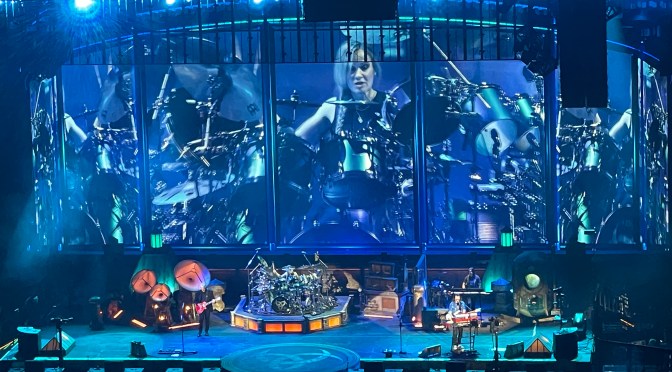
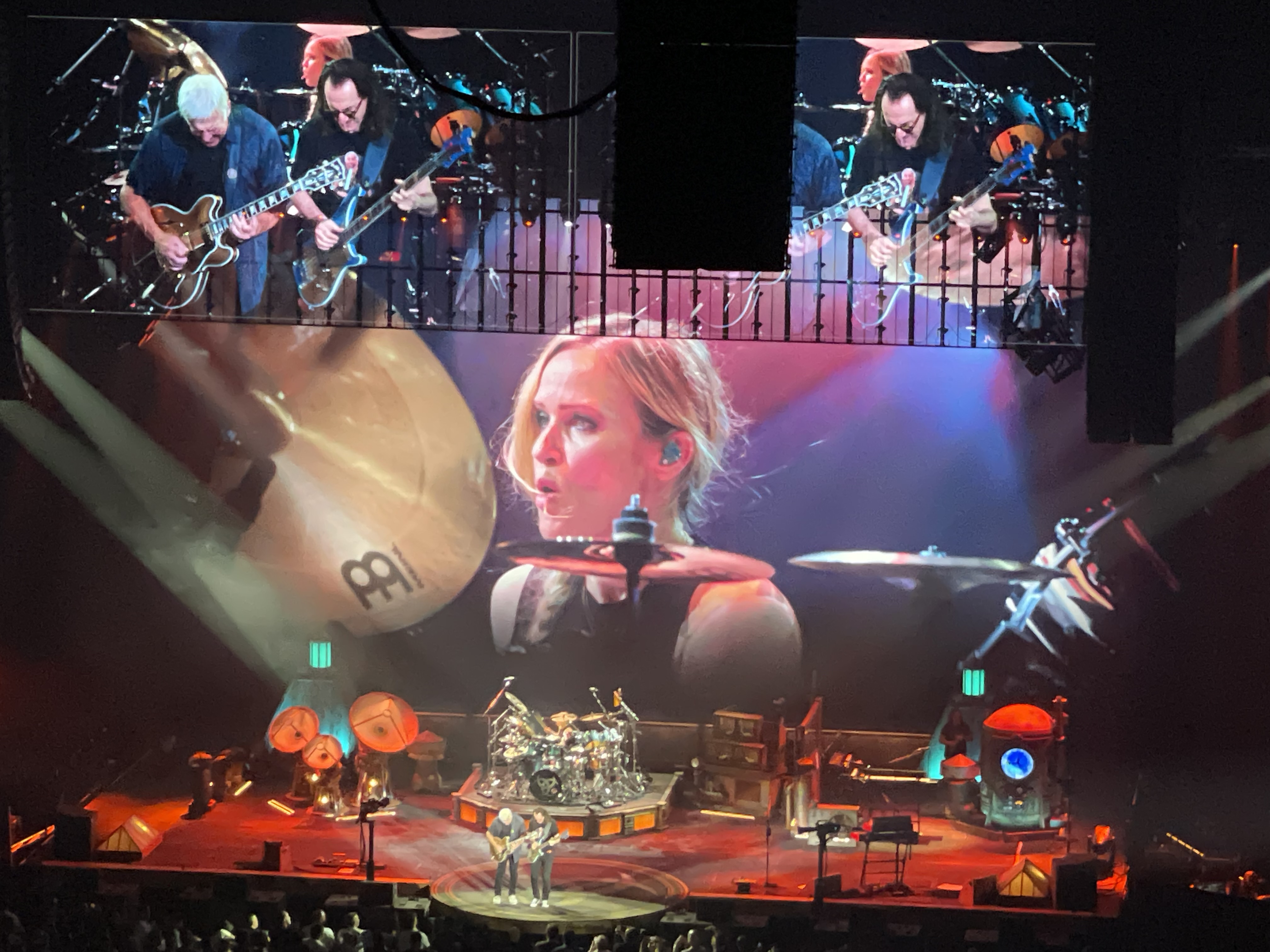
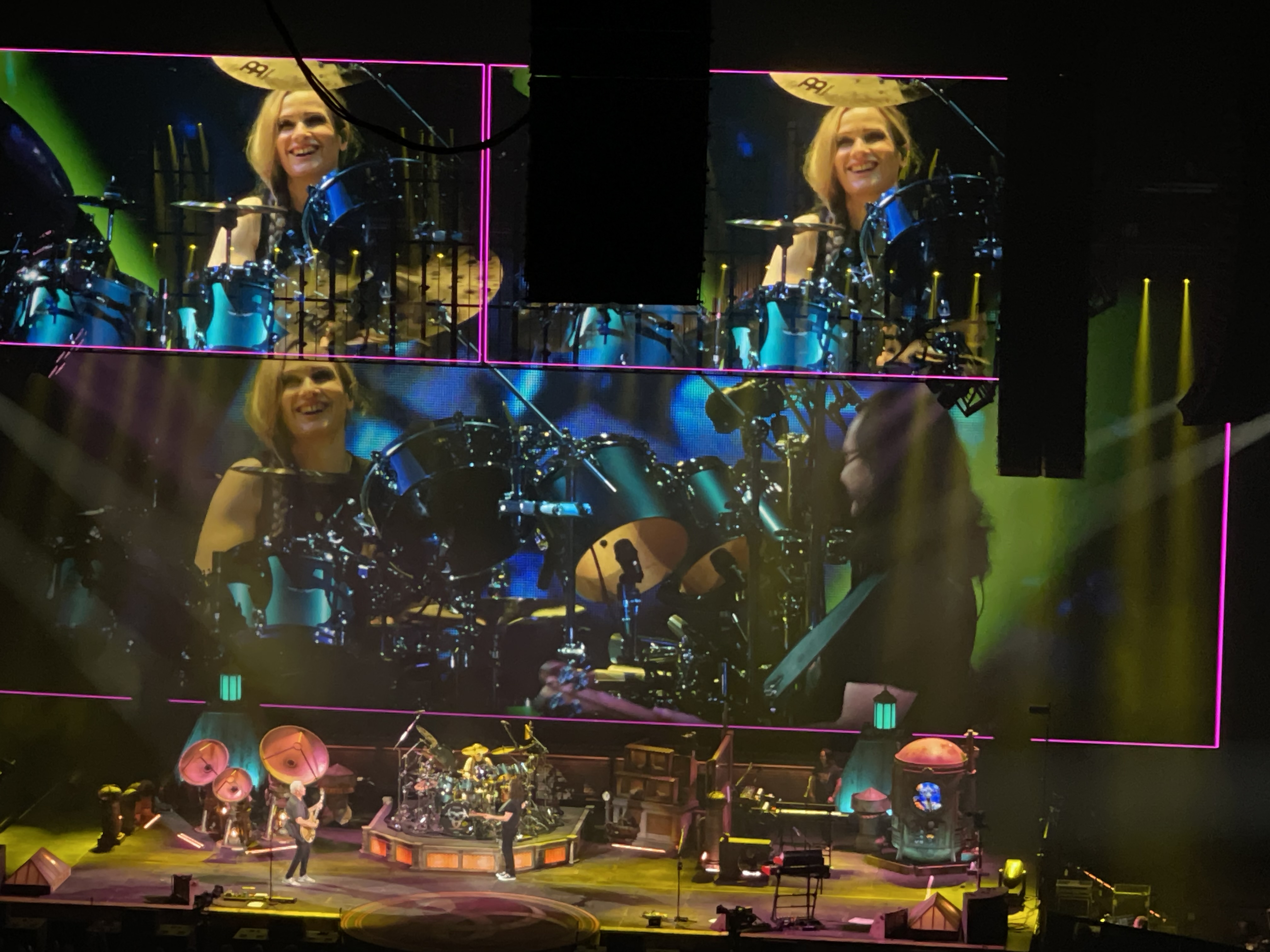
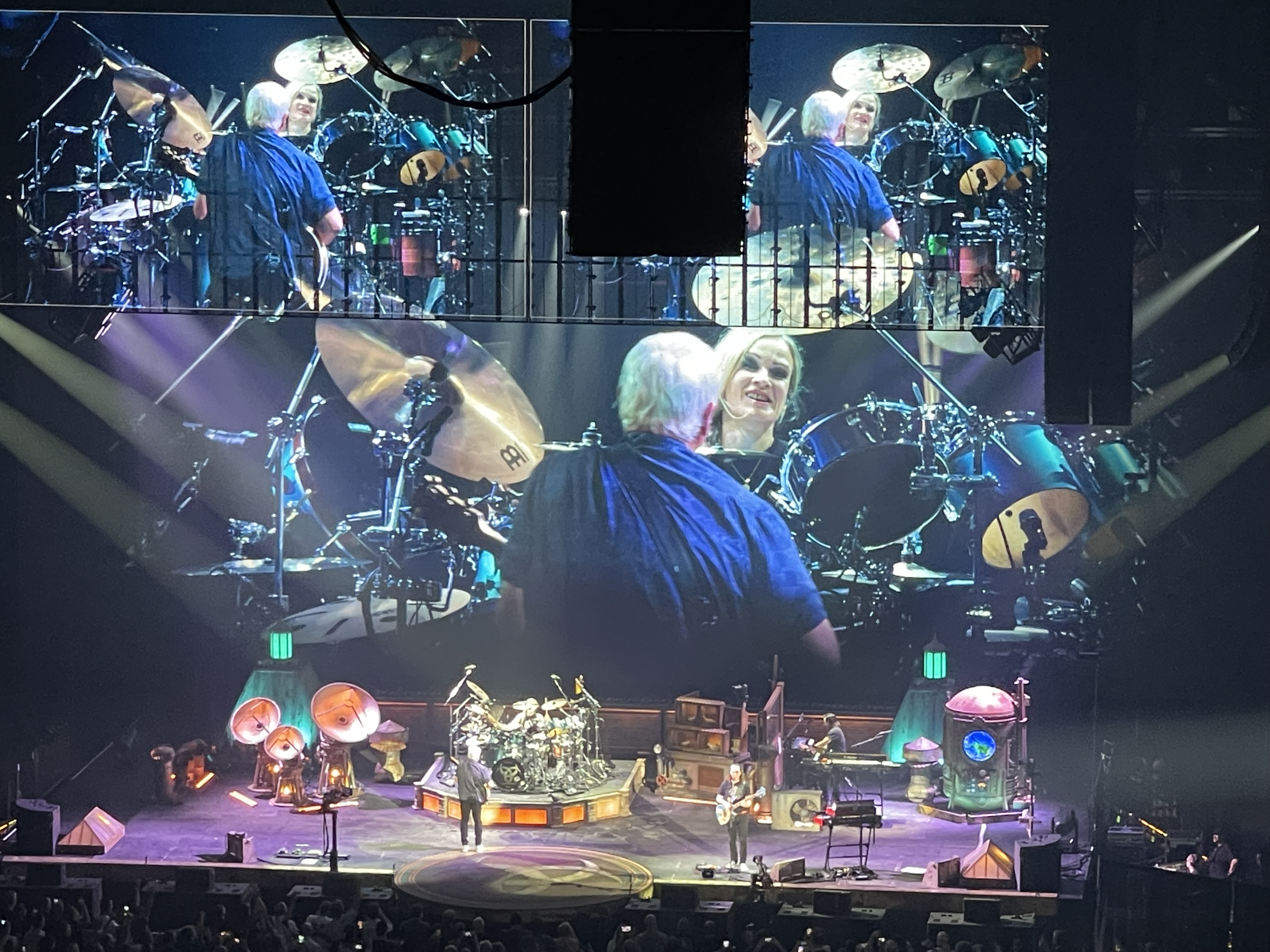
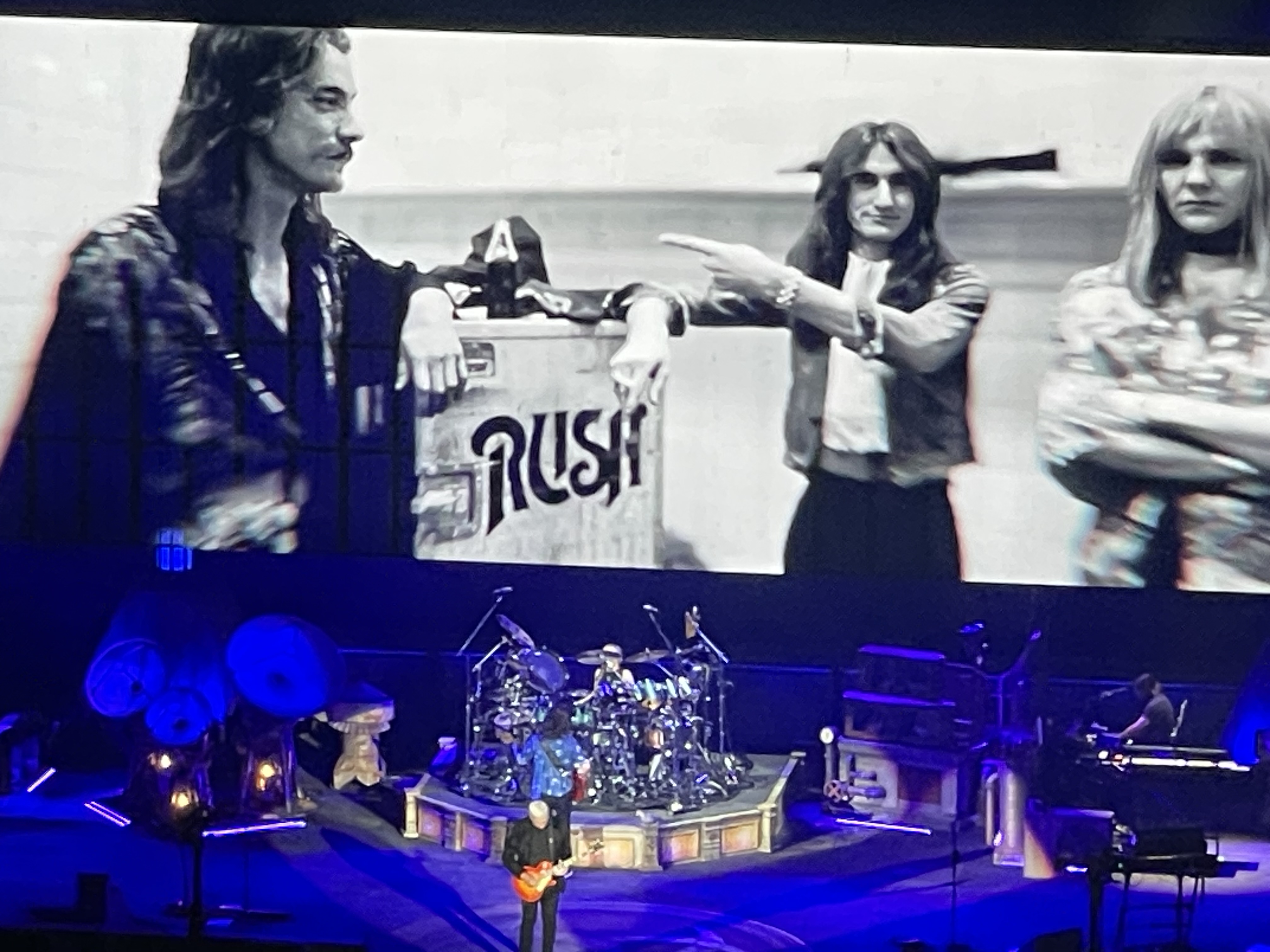
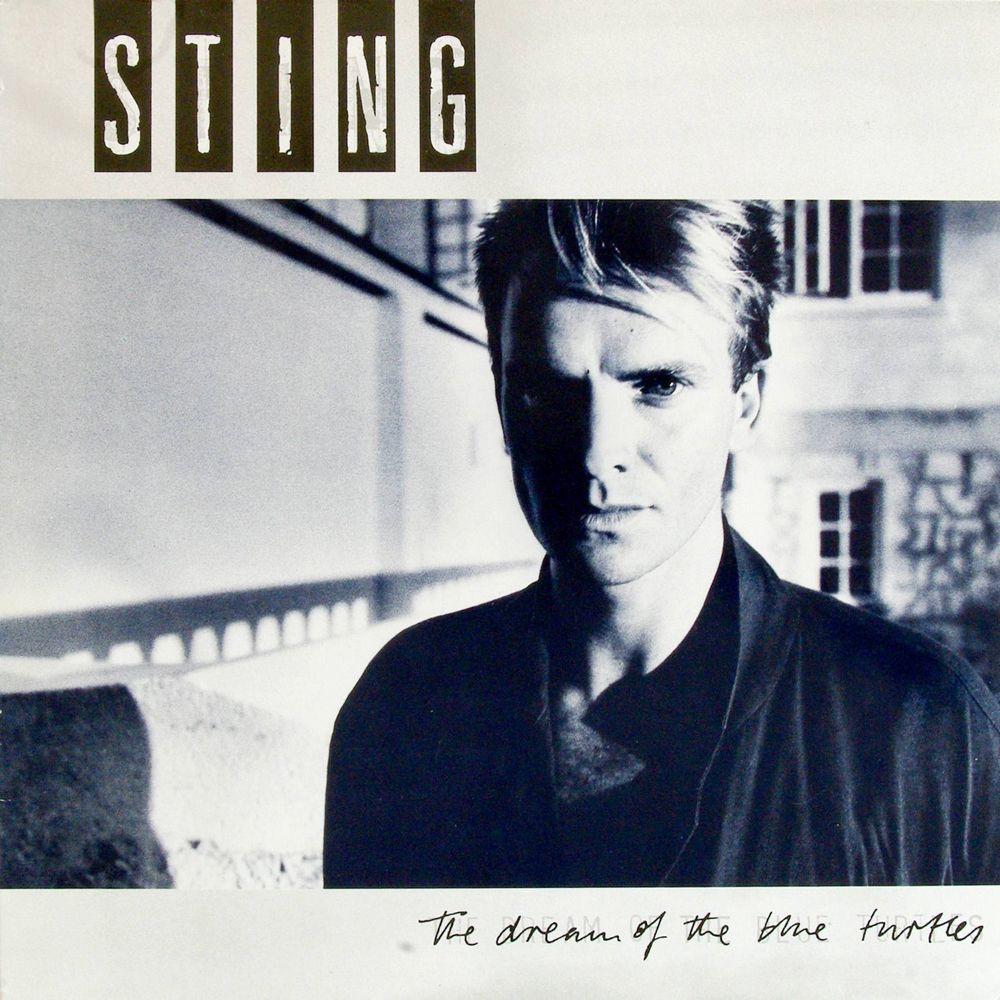
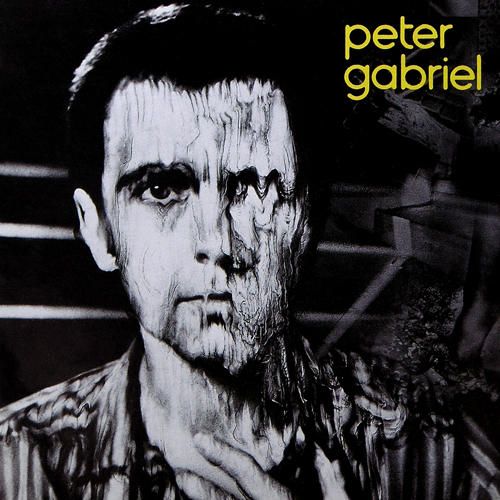
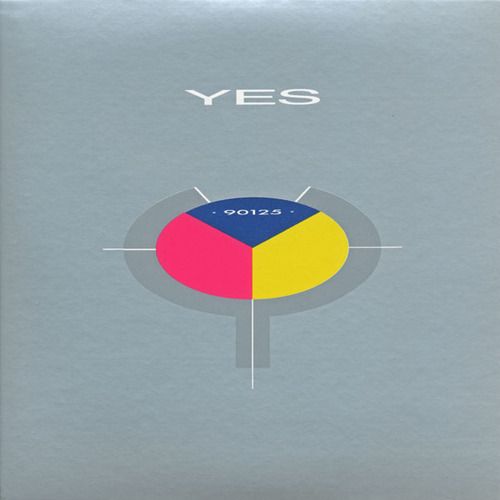
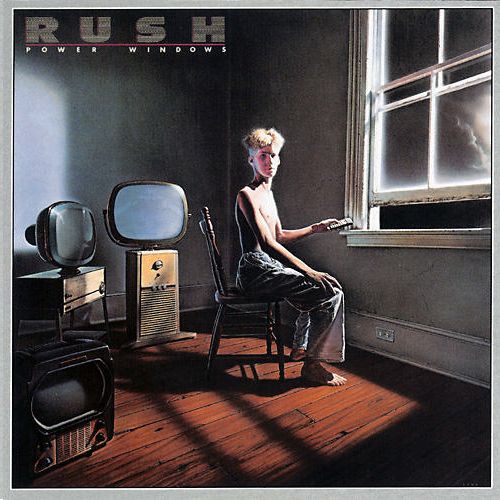
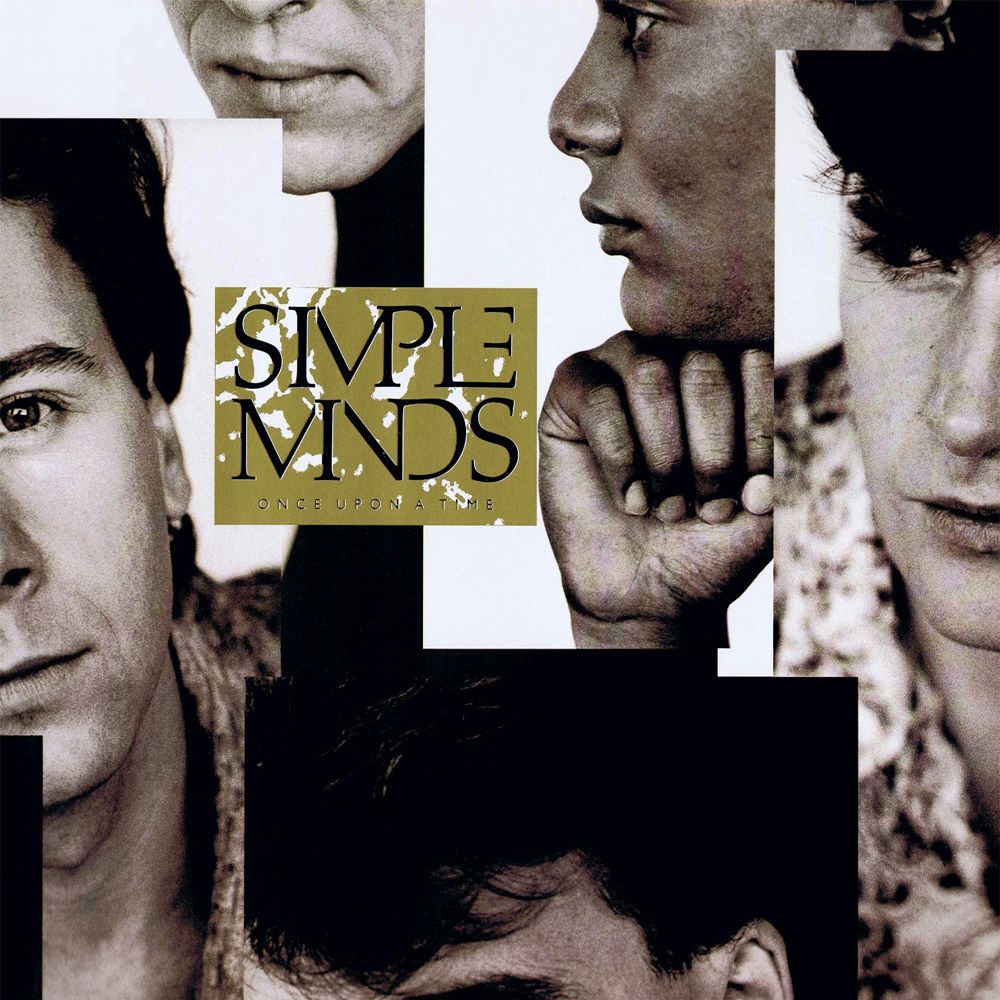
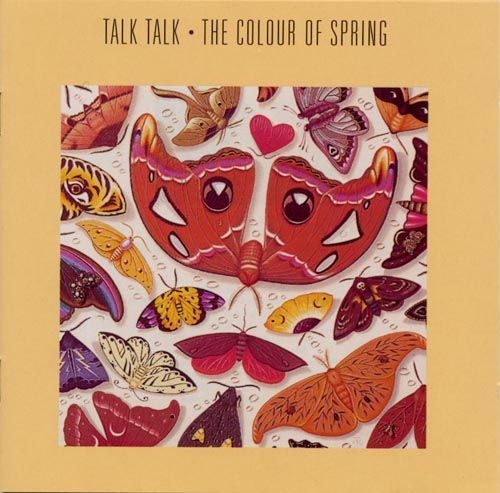
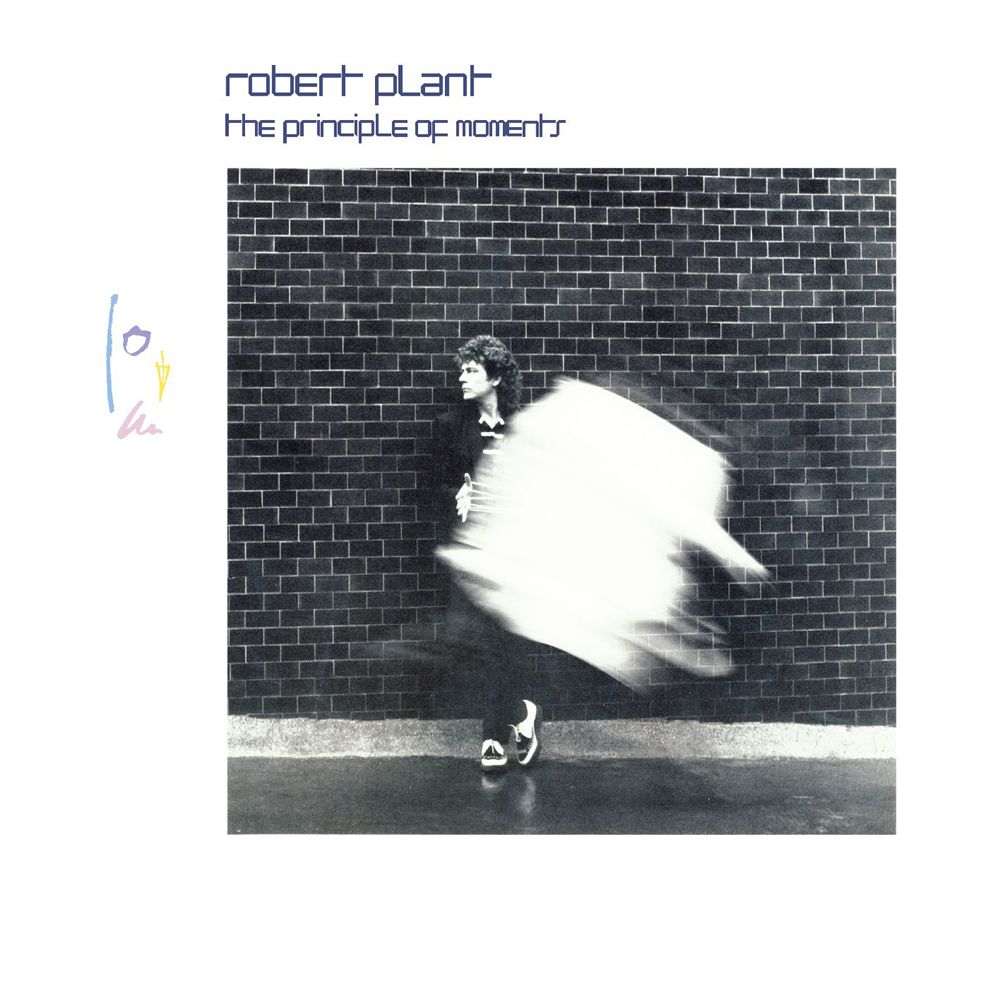
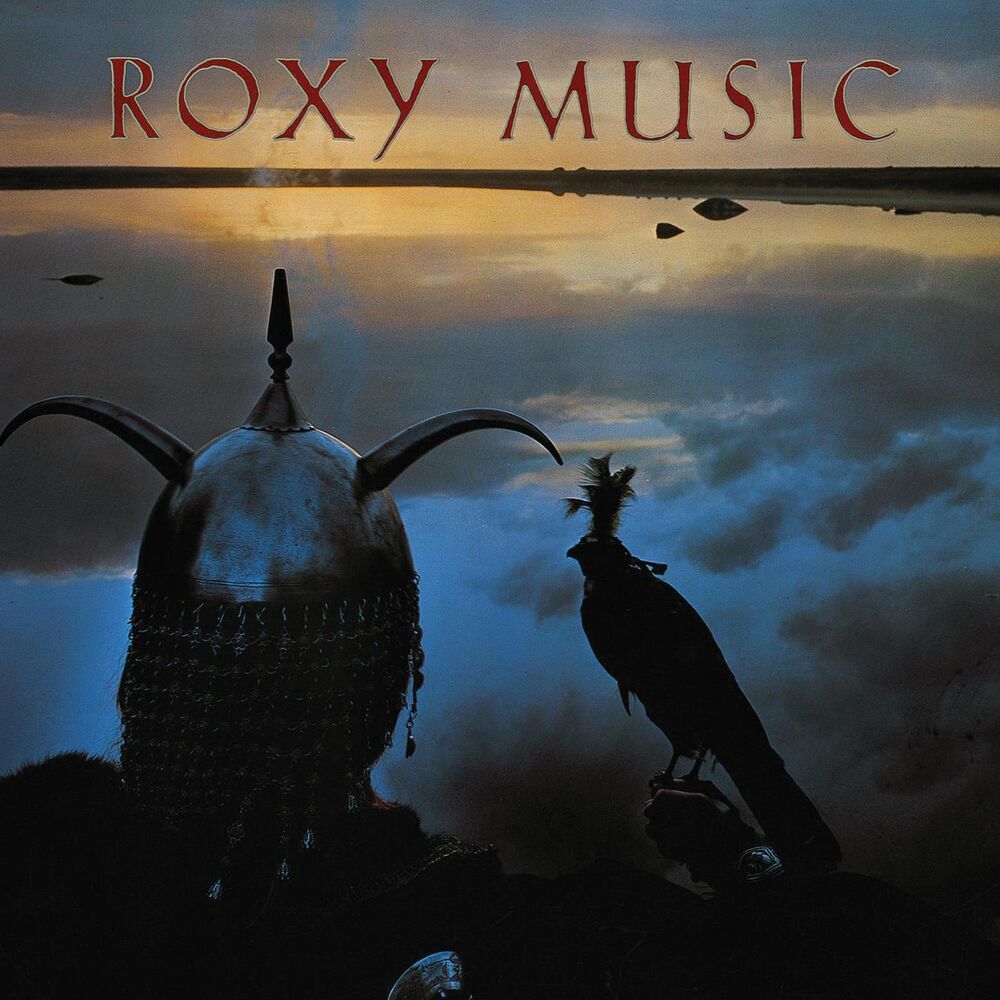
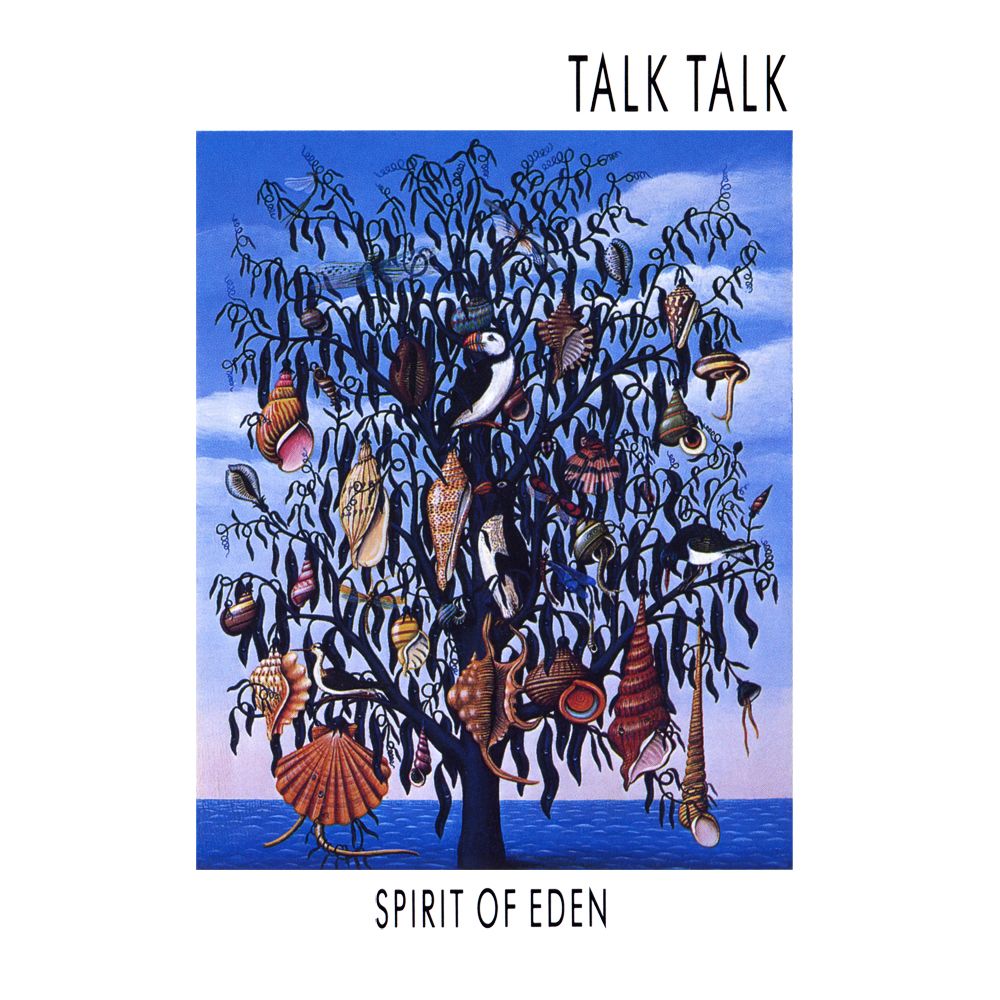
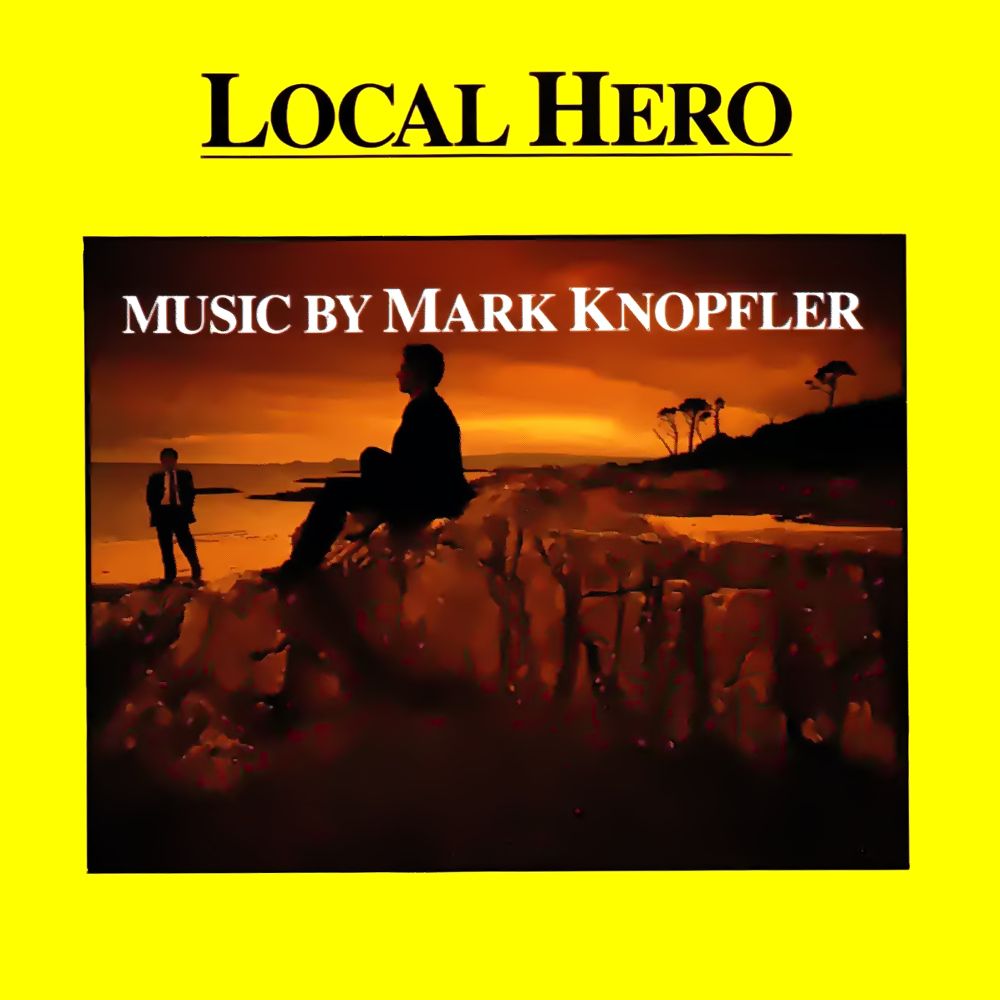
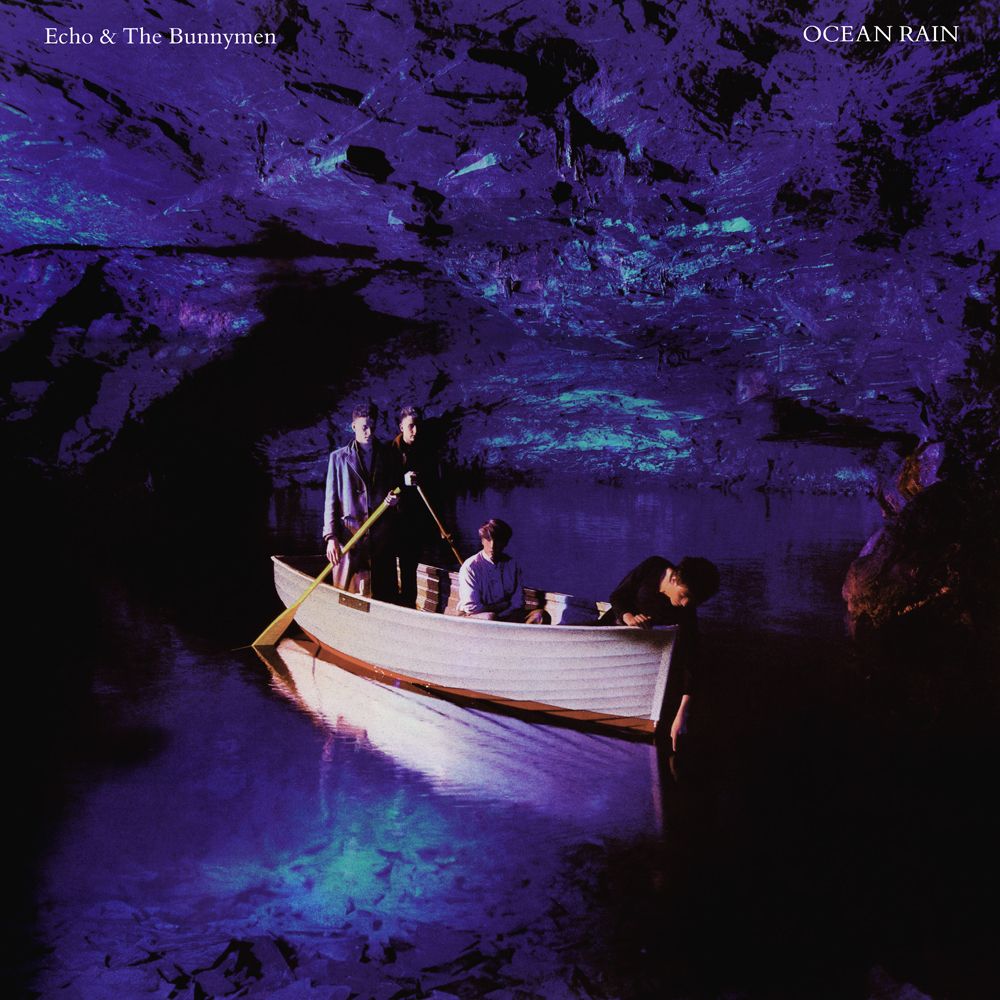
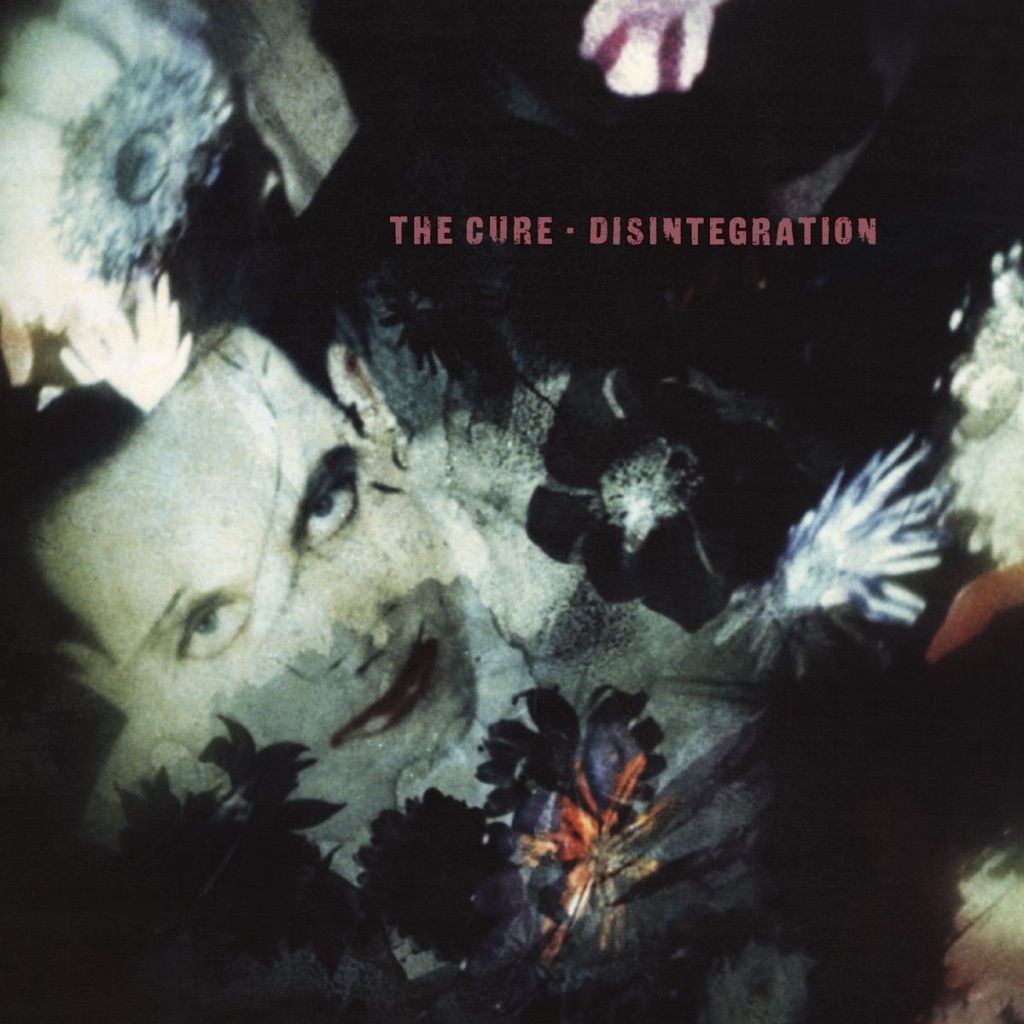
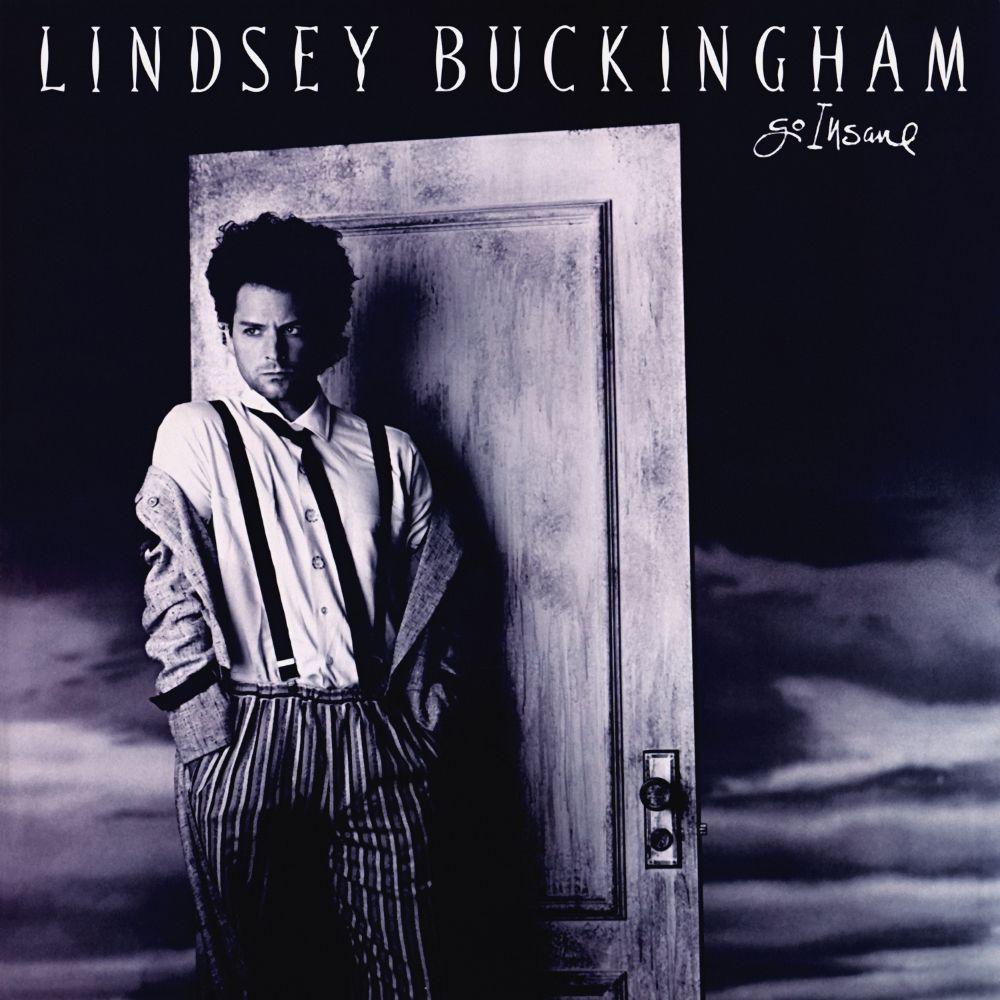
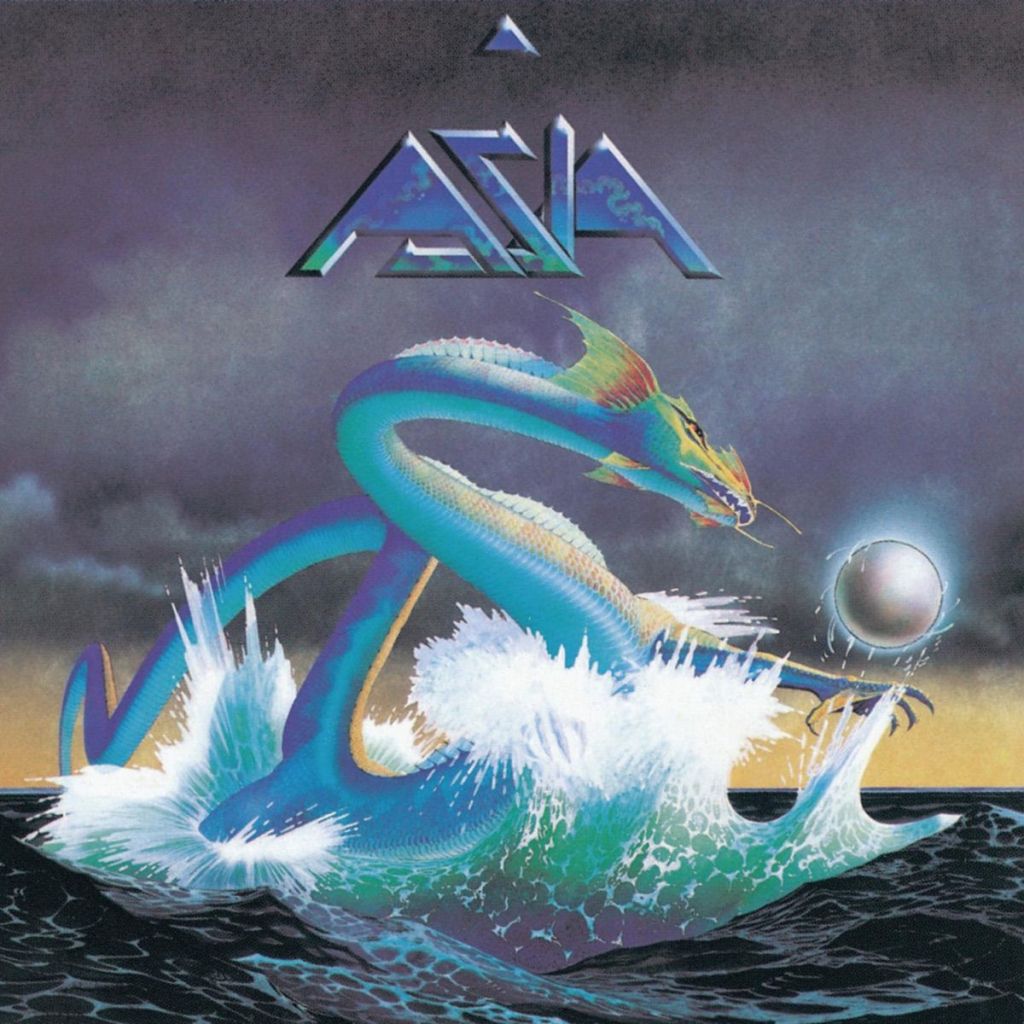
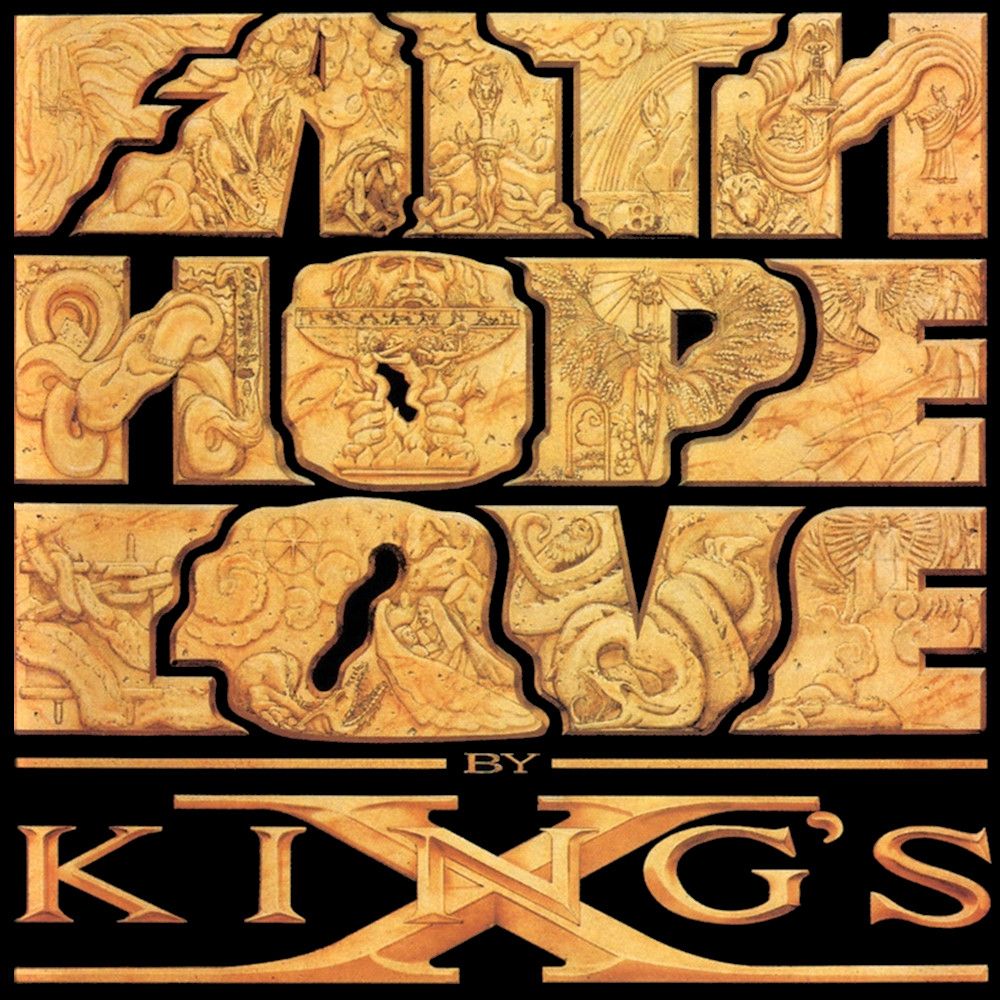


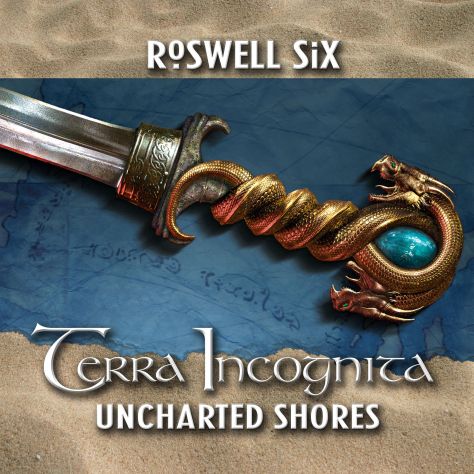




You must be logged in to post a comment.