A hummingbird in our garden in January 2024.OUR PALS: LANEY AND LEO IN OUR GARDEN JANUARY 2024. We just adopted Laney as his mistress, our neighbor had recently died.
“Dogs are our link to paradise. They don’t know evil or jealousy or discontent. To sit with a dog on a hillside on a glorious afternoon is to be back in Eden, where doing nothing was not boring–it was peace.”
(Milan Kundera)
I recently read a horrendous article about dogs being dumped over the outskirts of town and left to die. There was a redeeming characteristic to the article: two volunteers pledged to bring the dogs water and food. Like me, they were saddened at the cruelty and selfishness of so many humans and wanted to help the dogs.
Dogs are fascinating. They vary immensely in size and color more than any other mammal, so they are unique.
Dogs are, of course, Man’s Best Friend. They are probably our oldest animal companion the very first domesticated animal. In fact, without the dog our civilization may not have come into existence at all!
My father had a dog. My grandfather had a dogs almost everyone had a dog at one time or another. They were part of the family and part of the family history.
Lincoln loved dogs. He had a dog named Fido. Stanley Coren tells us:
“This dog was almost always with Lincoln and the people of Springfield would report that it was a common sight to see Lincoln walking down the street with Fido walking behind, carrying a parcel by the string tied around it. A regular stop for Lincoln was at Billy’s Barbershop for a haircut. Fido would settle down to wait outside patiently, although he could easily be lured into a game involving jumping and twirling when young children came by and paid any particular attention to him.”
Dogs have their flaws, however, They need attention and can be expensive to maintain. I think dogs tend to be dirty and greedy (for food).
And dogs have been known to fight over food.
Dogs who have been abandoned generally speaking are the most aggressive about defending their food. Having a bad master or none at all is bad for dogs. Through neglect and through the fear of hunger dogs can become aggressive. They say a hungry dogs forgets his training, forgets his master and believes in nothing to his bones and his meat when starving. So bad behavior is not really the dogs fault.
Sadly, very aggressive dogs have to be put down sometimes. So dirtiness and possible danger and aggression (particularly in large dogs) are a problem.
But are they any worse than human beings are in this flaw? Many poorly raised and marginalized people have poor hygiene and are thieves and aggressive bullies.
But given half a chance the average dog has one purpose in life: to be a loving companion to his master or mistress and loyally give his or her heart.
There is no friend like a dog. He will always welcome you home with affection and a jolly wag of his tail and a happy glint in his eye! He will warn you of danger, of strangers or intruders. If he doesn’t he is telling you something as well.
I remember the famous Sherlock Holmes story, The Silver Blaze.
“Is there any point to which you would wish to draw my attention?’
‘To the curious incident of the dog in the night-time.’
‘The dog did nothing in the night-time.’
‘That was the curious incident,’ remarked Sherlock Holmes.”
The fact the dog communicated was whoever came to see the horse in the stable was NOT a stranger but a well-known and trusted individual.
If there is a leak in the laundry room he will tell you.
If there is smoke he will sound the alarm.
Poor fellow! he is confused and frightened by the 4th of July as well as thunder and lightning.
But when you comfort him he brings you delight and more than ever is glad YOU ARE HIS MASTER and YOU ARE HIS FRIEND.
You are glad he is by your side.
And of course we talk to our dogs and wish they could talk to you! Sometimes it seems as if they try!
I genuinely love dogs and do not want to see them suffer or be harmed in any way. I love animals in general and am fascinated by them. I love the birds who visit our garden and who make their nests and lay their eggs in our eaves.
But my favorite animal is the dog because they are our link to paradise.
The saddest thing about a dog is we know he will be with us only for a short while. We get a dog and we know we will probably have to say goodbye to it long before we die because their lives are short.
But perhaps this is one of the greatest gifts a dog bestows to us.
The dog teaches us not to worry too much about tomorrow. We are all mortal.
The dog teaches us to be happy and grateful for small things that each day of life provides.
A warm blanket. A satisfying meal. A full water bowl. A scented garden. A cool summer breeze. A sweet breath of clean air.
A quiet evening.
And the love and companionshp of a true friend.
“And all I ask is a merry yarn from a laughing fellow-rover,
And quiet sleep and a sweet dream when the long trick’s over.”
(John Masefield)
“Your days are numbered. Use them to throw open the windows of your soul to the sun. If you do not, the sun will soon set, and you with it.” MARCUS AURELIUS GARY COOPER IN GARDEN OF EVIL (1954)
Ah, moon of my delight, [who know'st]1 no wane,
The moon of Heav'n is rising once again:
How oft hereafter rising shall she look
Through this same garden after me - in vain!

And when Thyself with shining Foot shall pass

Among the Guests Star-scatter'd on the Grass,

And in thy joyous Errand reach the Spot

Where I made one - turn down an empty Glass!
orship:


 by Edward Fitzgerald (1809 - 1883), appears in The Rubáiyát of Omar Khayyám, First Edition, no. 75, first published 1859 FROM THE PERSIAN
In this, our latest dialogue, Brad Birzer and Tad Wert discuss the new album from the multi-talented Dave Kerzner, Heart Land Mines, Vol. 1. Kerzner has been involved in many different projects, all of them excellent. Besides his solo albums, he was also a member of Sound of Contact, Arc of Life, and In Continuum. He rivals Neal Morse and Mike Portnoy in the number and variety of musical ventures he participates in.
Tad: Brad, when I read Dave’s liner notes to Heart Land Mines, Vol. 1 and saw that these were songs from the 90s that he wrote after a relationship with a girlfriend broke up, I had low expectations. But I have really enjoyed this album from the first time I listened to it! It doesn’t hurt that Kerzner has a great ear for a musical hook – “Dreaming In LA” sounds like classic Bad Company to me, but better.
This album is proggy – Kerzner’s voice has that laconic quality that always recalls David GIlmour – but it’s primarily a straightforward rock album that would be at home on an FM radio station in 1975. There’s a lot of acoustic guitar – “Back To One” sounds like an Eagles hit with its vocal harmonies. Anyway, maybe I’m emphasizing its retro qualities a little too much, but I find myself really taken with them!
Brad: Tad, thank you so much for asking me to do this review of Kerzner’s Heart Land Mines. I’m sorry to be late in replying. Since you first invited me to write this, I’ve been to the University of Louisville and back. Not quite Tennessee, Tad, but still a beautiful city and state! I gave lectures on sociologist Robert Nisbet and fabulist J.R.R. Tolkien, and I had a blast while I was there–especially seeing one of my long-time friends, Gary Gregg. He’s not a progger, but he is a brilliant guy.
As far as I know, I have everything Kerzner has released (at least if bandcamp is to be believed), and I’ve been a huge fan of his since the deluxe edition of New World came out. Wow, do I remember when that came out–I was utterly blown away by it. Indeed, that album would rank as one of my all-time favorites, and I go back to it frequently. I also really enjoyed Static and would also rank it very highly in my all-time lists. His In Continuum albums also move me and have a high place in my rankings.
From my perspective, Kerzner is ELO progged up, and Pink Floyd popped up. He has an infectious way about creating an ear-friendly riff while also complicating the matter in the proggiest fashion. And, his production is always crystal clear and fetching.
For whatever reason, however, I’ve not been able to get into Heart Land Mines. I’ve listened to it now three or four times, but it’s failed to grab me in the way that Kerzner’s previous albums have.
I will say, however, that you’re absolutely right, if this were 1975, Kerzner would be huge on Album Rock Radio. On the album, he clearly embraces the ethos and sound of Led Zeppelin, the Eagles, Bad Finger, etc.
Don’t get me wrong. I really like Heart Land Mines, but it’s yet to become a part of my being in the way that his other albums have. At this point, I’m happy to move on to his other albums and consider Heart Land Mines a labor of love, but not of genius.
Please tell me why I’m wrong!
Tad: Brad, as always, you have the perfect phrase to describe an artist’s work: “ELO progged up, and Pink Floyd popped up” is Kerzner in a nutshell!
I wouldn’t say Heart Land Mines is a work of genius, but gosh, I think it’s a blast to listen to. It serves as a reminder of how far pop music has fallen since the 70s. We both agree Heart Land Mines would be a huge hit on mid-70s AOR. Today, it appeals to a niche audience. I know, I know – in the 70s guys our age were complaining about how great big band music was, and how awful radio was!
Anyway, I have enjoyed Kerzner’s semi-autobiographical musical journey here. He took what seems to be an ugly breakup of a relationship and turned it into a very catchy set of songs. “Manic Calm” has an irresistible guitar riff (I’m a sucker for a descending scale) that I can listen to over and over. “Eye Of The Storm” is the best Pink Floyd song since “High Hopes”. And I love the way he reprises a couple of songs to pull everything together into a cohesive package.
Like you, I’ve tried to buy everything Kerzner has put out, but it’s hard to keep up with the guy! Sound of Contact’s eponymous album was near-perfect progressive rock, but it looks like personality clashes have kept them from ever getting together again. I have both of his In Continuum albums, and I like them a lot, but to my ears, neither of them have any melodies that are as memorable as some of the ones on Heart Land Mines.
I agree that Heart Land Mines is a labor of love (or maybe broken love!), but I find it to be a thoroughly pleasurable listen. Sometimes, that’s all I want or need. I’ve always had a soft spot for power pop, and if a song’s melody doesn’t grab me, I have a hard time getting into it. Kerzner is a fantastic songwriter, I am so glad he decided to dust off these old tunes and record them.
Brad: thanks for the good words and the reminder, Tad. You’re absolutely right, Heart Land Mines is a work of AOR genius, and it would’ve been a massive hit–along with Hotel California–in the 1970s. Too bad for Kerzner that he’s temporarily out of joint!
For what it’s worth, I’ve given Heart Land Mines a few more listens since I wrote the first reaction, and the album very much continues to grow on me. I would say that the album not only embraces The Eagles and Bad Company, but also, to a certain extent, Elvis Costello.
Overall, it’s a delight of influences. I even hear bits of Stone Temple Pilots and Steely Dan and other bands from the 1980s and the 1990s.
Kerzner is never shy about his debt to other bands, but these debts seem quite blatant and serious.
Regardless, I’m so glad to live in the same world as Dave Kerzner Whatever I think of this particular album, I know that my life is immensely better because of his music.
Tad: And on that note, I think we’ll bring this joint review to a close. Spirit of Cecilia readers, if you haven’t yet experienced the magic of Dave Kerzner’s music, you should check out his first solo album, New World; if you like it (and we think you will!), then Heart Land Mines is a worthy followup.
LISTEN TO PODCASTS OR AUDIBLE BOOKS DURING BASEBALL SEASON LISTEN TO BASEBALL GAMES ON THE RADIO OR MLB AT BAT YOUTUBE NEWS (London TImes/Sky News/etc).
WORK IN GARDEN clean the pool. ENJOYING NATURE OR GO FOR WALKS IN THE PARK SWIM WHEN WEATHER IS GOOD
STUDY LANGUAGES ON DUOLINGO AND ALSO WITH SUPPLEMENTARY DICTIONARIES AND READINGS WHILE LISTENING TO CLASSICAL MUSIC AND SIPPING ON THERMOS OF TEA
READ X (TWITTER) AND POST ON BLOG OR FB read books.
(I USED TO LOVE TO GO TO THE MOVIES BUT HAVE ONLY GONE OCCASIONALLY RARELY SINCE 2017. LAST MOVIES I SAW IN THE MOVIES WERE BARBIE 2023 (ok) 1917 and Darkest Hours.).
I like old movies and will see one now and again. Most TV series are too much for me. I enjoyed REACHER. But it was a limited series and not too long.
RICHARD K MUNRO (Ricardo Munro) aka “AULD MUNRO” or “EL SUPREMO” I taught memory techniques writing, study skills, , history, languages for over 34 years. I have studied languages for over 50 years.
From my earliest days as a teacher (chiefly a language and history teacher) I taught my students a little unit THE KEYS TO MEMORY. ‘ORG a MEAN FAM AR EFFORT”[1] (“Arg! A mean family is an effort”) is a mnemonic device.[2] The keys to memory are ORGANIZATION, MEANINGFULNESS, FAMILIARITY, ACTIVE REHEARSAL and EFFORT. Org! a Mean Family AR EFFORT! This fictional somewhat humorous sentence I invented myself for a psychology class in 1987. I used it my entire teaching career. No matter what class I taught I stressed the KEYS TO MEMORY as a study aide. I believe it was helpful to many.
Creating mnemonic devices can be time consuming and it takes experience to make effective ones. It is always good, as much as possible to make your OWN study cards and invent mnemonic devices. Naturally one can borrow mnemonic devices from others. In my experience ready-made vocabulary or study cards have the virtue of being correct and ready for review and study. Also, ready-made study cards are expensive. Another problem with “spark charts” or study cards you are just passively reading. And the cards or charts may not align directly with the text one is using. Passive listening and passive reading ALONE are not effective learning strategies. But they are better if combined with other strategies such as active note-taking, audiovisual aids (music, maps, films), reading aloud, speaking and writing practice. And there is no question that if one does not PRACTICE and REVIEW and ACTIVELY USE skill one tends to forget over time. I remember arithmetic, basic geometry and elementary algebra but I have forgotten calculus, chemistry, and most of anatomy because I have hardly used them in my career. I remember typing, Spanish, Latin, history, literature very well because I have studied and taught these my entire career.
Excellent examples of common mnemonic devices.
Great example of a Spanish mnemonic device WITH practical examples and vocabulary. It displays the complete present indicative of the two verbs (SER and ESTAR). It even has examples of ERRORS that one should avoid.
very good summary of memory retention and WHY WE FORGET. It is interesting to study WHY WE FORGET but not as useful as studying the KEYS TO MEMORY>
#1 Let us begin with organization one of the KEYS TO MEMORY. ORGANIZATION which is have some SYSTEM of some way of organizing information for review and study. I annotate dictionaries [i](adding words and idioms I find in reading. I always keep NOTEBOOKS. Some notebooks are for subject matter (Spanish, Italian, Greek, history, science, literary terms, and literature notes). One can organize by themes, characters, chapter, by author, by time period by category (domestic vs. foreign). Organizing by elements are classified as metals (iron, gold, mercury, copper, silver -good conductors of heat and electricity) , nonmetals ( sulfur and phosphorus -reactive with air). Some notebooks were for vocabulary and grammar only (with examples). Spanish has to separate verbs for “to be” (SER and ESTAR). One simple way to remember most of the distinctions is ESTAR=LO/TEMP (location, illness temporary condition). SER=TOC (tic tock =TIME ORIGIN OR CHARACTERISTIC ) “DEDOS” (fingers) is a good mnemonic for the usage of the SUBJUNCTIVE in Spanish. DEDOS=Deseos (desires) emoción (emotion) Dudas (doubts) opinión (opinion) sugerencias (suggestions). This mnemonic also is a good way to review Spanish vocabulary. .) “DOCTOR/PLACE” (see chart) is also a good mnemonic for SER and ESTAR BUT perhaps a little TOO DEVELOPED (so harder to memorize and teach). Whatever sticks is the one you should use.
Prepositional use, for example, in Spanish and English require special study. I know from experience prepositions are translation problem. Here mere translation of a word is not enough; one must have a complete example for total clarity. I have these extended examples in my notebooks and study cards.
ENGLISH
SPANISH
translation
FROM
Le quitó el lápiz a su hermana
He took the pencil FROM his sister.
FROM MORNING TO NIGHT
Trabaja el maestro de la mañana a la noche
The teacher works from morning to night.
On/onto the floor
Los huevos cayeron al suelo
The eggs fell onto (on) the floor.
By hand
Lo hizo a mano
She made it BY hand
I noted early on my studies my Spanish to English comprehension was almost 99% BUT going from English to Spanish I made most of my mistakes. Reading vocabulary is a passive skill and that will normally be your best skill. Speaking and writing are active skills that require more practice and thought. I made study cards for terms or new vocabulary.
I used color coding with ink, pencils, and index cards as well as abbreviations. I always used PENCIL for English and RED for IMPORTANT (or REVIEW). I normally use colors for the target language. When I taught bilingual social studies and Spanish for Native Speakers GREEN was always Spanish and blue or black for English. It doesn’t matter what color you use as long as you are consistent. For example, I always use PENCIL for English. I vary colors for other target languages chiefly out of practicality.
YOU CAN GROUP words and concepts by part of speech such as ADJECTIVES or VERBS. List synonyms and antonyms. For synonyms I always used = sign. I always use slash mark for antonyms GOOD/BAD. FOR FALSE or PARTIALLY FALSE COGNATES I use this symbol: ≠ for example Spanish éxito (success) ≠ Salida (exit). I would usually mark them with a RED ASTERISK. Injuria is an example of a partially false cognate MEANING an insult or slanderous allegation NOT a physical injury which would be in Spanish herida. Concepts like FALSE COGNATES, SYNONYMS, ANTONYMNS and (true) Cognates are very important for vocabulary development and language learning. Problem(English or German) or problema Spanish or Greek (πρόβλημα ) problème (French)is a derivative word that appears in dozens of languages. So one is not learning merely ONE Spanish word but really a root that is used in hundreds of languages.
[1] Some mnemonic devices are well-known. I favor acronyms (4-7 letters), acrostics and fictional invented names such as “Roy G. Biv” (the colors of the rainbow) or “F X Misterio” (romantic themes in Spanish literature: Fáustico, Exótico,Misterioso (Mysterious, exotic and Faust–like) Acrostic rhymes are more time consuming to create as are rhyming poems but they certainly aid the memory. It appears studies show chunks of three names or acronyms of 5-7 words or letters are ideal. After you’ve introduced the acrostic strategy and acronym strategies you can do whole class activities occasionally. The important thing is sharing practical mnemonic devices and encouraging students to use these strategies. Other well-known acronyms are for example, FANBOYS for the seven coordinating conjunctions For, And, Nor, But, Or, Yet, SoHOMES for the five great lakes in North America: Huron, Ontario, Michigan, Erie, Superior. Q& A (Question and Answer ) is one of the easiest and most universally used acronym. There are also internet acronyms used in texts and chats:LOL (laughing out loud) and other variants. IMHO (in my honest opinion). TTYL (Talk to You Later) EMT (Emergency Medical Technician). There are many military acronyms at well and new ones are created all the time. You can google them when you need them. Some of the common ones are POW (prisoner of War) MIA (Missing In Action) KIA (killed in action) AWOL (absent without leave)PT (physical training)
#2 MEANINGFULNESS which is the quality of being useful, beneficial , or important.
A learner must have a positive attitude to what he or she is studying. When I taught English for learners or Spanish, I always began my class with the reasons WHY English was important, useful, beneficial and FUN. I always began my Spanish classes with why Spanish was BEAUTIFUL, USEFUL, BENEFICIAL and FUN. I passed out an index card to each student and had them copy down these simple motivational phrases in Spanish. They were to say this ALOUD every day at least once and the more the better.
Me gusta el español (I LIKE SPANISH; SPANISH IS PLEASING TO ME)
Amímegustaespañol, (I really like Spanish)
El español es útil y puede ayudarme (SPANISH IS USEFUL and CAN HELP ME
Elespañol es hermoso (SPANISH IS BEAUTIFUL)
Elespañolesfonético (Spanish is phonetic and easy to spell).
Elespañolnoes difícil (SPANISH IS NOT DIFFICULT)
Es bueno estudiar y respasar todos los días (It is Good to study and review EVERY DAY).
I would also joke that Spanish helped my romantic life. Being bilingual made it twice as easy to get a date Saturday night. Latin aunts and mother in laws liked me because I was polite, brought food, wine and presents AND I spoke to them in Spanish. I would ask when autocontrol was good and when it was bad. In Spanish it was Good (autocontrol=self control) but in English (OUT OF CONTROL) it was bad. In Spanish being an AS is Good a compliment (it means ACE or STAR) In English being an ASS is pejorative. I remember the first time I heard this expression when a Spanish friend said to me with a smile and a laugh Tú eres un as (YOU ARE AN ACE). At first I was momentarily angry but I quickly understood =everyone was smiling and laughing- he was giving me a compliment! Here is some simple humor I would work into my basic classes.
Q Por qué está tan triste el cuaderno de matemáticas?(why is the math notebook so sad?
A Porque tiene muchos problemas. (Because he is full of problems!)
Q ¿Cuál es la fruta máscómica? (What is the most comical fruit) A Naranja ja ja ja. (ORANGE HA HA HA)
Q¿Cuál es la fruta más paciente? (What is the most patient fruit?) A Es pera. It’s the pear! (espera WAIT)
Q ¿Cómo se dice nariz en inglés? (HOW DO YOU SAY NOSE IN ENGLISH?) A No sé. NOSE.[1]
Liking a language or having a love or affection for it helps MEANINGFULNESS enormously. If one develops a passion or devotion for a subject it will become more meaningful. I loved Spanish music and songs at was attracted to them. Also, I was fascinated that soccer and baseball were broadcast and written about in Spanish so that was how I began to read and listen to Spanish and with great joy[2]. I also found it was fun to talk to players in their native languages (and get a few autographs). [3]The first Spanish I ever read for pleasure was the baseball roundup in El Diario newspaper. I learned basic Spanish sports and baseball vocabulary and the past tense of common verbs.
The subject matter or language you study must have a PRACTICAL advantage (such as learning a useful language such as Spanish for social or commercial purposes or gaining a certificate in a technical field) or an INTELLECTUAL advantage (such [4]as helping with comprehension of grammar by studying Latin, the appreciation of music such as opera or lieder such as Italian, French or German). Studying Latin and Greek will help with the study of medical or technical terms. Meaningfulness if found through literature, poetry gives us JOY or a SPIRITUAL or philosophical advantage (such as studying Stoic Philosophers or the Bible). I never tire to read or listen to Stoic philosophers, reading C. S. Lewis, Gilbert Highet’s CLASSICAL TRADITION or his shorter book MAN’S UNCONQUERABLE MIND or JESUS and LAO TZU: the Parallel Sayings (ed. Aronson). Some things have an entertainment value such as learning how to draw, studying chess, learning to play music or gaining the finer points of golf or soccer or baseball as a player, manager or fan. Spanish was never a chore when I heard music, a song or listened to a good ball game. When I lived in Spain, I saw many movies dubbed in Spanish or VO (version original usually English with Spanish subtitles). To this day I see many movies on NETFLIX with English subtitles or dubbed in Spanish or Portuguese just for fun.
#3 FAMILIARITY which is an acquaintance or knowledge of something. If one grows up in New York or the Spanish Southwest one will have contact with Spanish language ads, restaurants and native speakers. If one can travel it helps to be immersed in a German-speaking or Italian-speaking or Spanish-speaking environment. If Spanish, Yiddish or German are the heritage languages of your parents and grandparents you probably have some familiarity with those languages. When I lived in New York I heard or spoke Spanish every day! I also heard a lot of Yiddish words in conversation or on the radio. When I visited Italy the first time, I had some familiarity with Italian from songs and operas AND my knowledge of Spanish. I could communicate effectively with Italians from day one. If one knows the history of Indo-European languages one realizes the inseparable connection between these languages. If one learns Latin grammar, then the grammar of other languages is easier to understand. I know Spanish well and realize that Greek, Spanish Italian, Latin and English are all related and share roots and vocabulary. “Any time someone learns a foreign language it leads them to consider the workings of their own language in greater detail, and , since the syntactic structures of Latin….are relatively complicated, familiarity with that language can give students the understanding needed to work with a greater repertory of grammatical possibilities in English as well.”[6] Therefore, learning Italian or French will be easier for someone with a good vocabulary of English, Spanish and Latin. German or Swedish is easier if one knows English and so on. Even a language like Hindi or Punjabi which use different alphabets are easier to learn to speak due to their similarities to English, French, Spanish and Gaelic.[7]
Scottish soldiers communicated with Indian soldiers during WW1 via a patois of Gaelic, English, Hindi and Punjabi
In general the more technical and academic the root word the more likely it is a true or identical cognate. False and partially false cognates are about 5-10%. When I was teaching Spanish (or English) I often would just made a pre-test like this (note some cognate words are partially false or need explanation):
Spanish
English
Commentary
perdonar
To pardon or to forgive
terminar
To end or terminate (finish off)
La dirección
Direction or ADDRESS
Also means MANAGEMENT or course (of a boat or plane) (rumbo) Also tendency.
El compañero
Companion, comrade
Classmate colleague
El talento
Talent or aptitude
Ancient coin (talent)
El crítico
Critic, reviewer
El momentocrítico (crucial momento) la crítica (criticism; literary criticism ;critique
La miseria
Misery suffering
Poverty Misero=wretched
#4 ACTIVE REHEARSAL
Active rehearsal is very important for memory development and learning. If possible, Active Rehearsal should be ALOUD or (next best) by WRITING and even better by TOTAL PHYSICAL RESPONSE. [8] With TPR you act out the words (if possible, such as going to the right, going to the left, going up, going down, drinking, pointing, eating, cooking, mixing, kicking, hitting, throwing standing, or sitting or singing). I always used large color picture cue cards in my classes to stimulate conversation or responses. I had a picture of a HELICOPTER but also taught the common words (HELO or BIRD). The students would hear these words in movies or TV shows. The advantage of using a picture is one is NOT TRANSLATING. A/R or active rehearsal is a way of reviewing information and moving it from short-term to long-term memory. During active rehearsal, you repeat (practice) the vocabulary or material to be remembered in a very active and deliberate way.
One sequence I found helpful was to make a series of QUESTIONS AND ANSWERS with the most common interrogative words on large cue cards. One starts with the most COMMON words first such as WHERE , YES, NO, THANK YOU and then QUE/DONDE/COMO/CUANDO/POR QUE (words that are not inflected (masculine or feminine or have plurals.[9]
I know some languages well but many others I have only a smattering but I always get by. When in Greece some years ago we woke up in a rural area and there seemed to be almost no activity and no signs or advertisements. After a few moments we saw a Greek man walking down the street I waved at him and asked Milás angliká? (Do you speak English)[10]Ochi, he said (NO). So I asked simply WHERE IS BREAD AND WATER, YES? Poú eínai psomí kai neró nai?[11] He understood completely and showed us where a small café offered us bread, water, olives, cheese as well as coffee. Efcharistó[12], I said THANK YOU! My father who spoke Spanish and Tagalog in the Philippines during WW2 said knowing another language was helpful and could even save your life. With only a basic vocabulary one can communicate and find things. Of course, one can use a smartphone translator I suppose but it is so much easier to rely on yourself and save your batteries.
Here are more examples of active rehearsal. As mentioned, before I always use index or study cards. Just MAKING THEM and writing them out is a good learning technique. ROTE LEARNING can be effective if it is varied and active. A very poor way is what I did when I first studied Spanish. I just read over the vocabulary which was listed alphabetically. It was followed by a short list of idioms and cognates (which I always ignored because they were never on the quizzes). I always did my homework and spent time studying but typically I got the first word and last words right and missed those in the middle. In addition, since I didn’t practice writing them, I made spelling and accentuation mistakes. I was frustrated by getting C’s and B’s on quizzes and tests. I could never get an A. After talking to my teachers and classmates I changed my approach.
I began to COPY OUT ALL OF THE WORDS ON STUDY CARDS and shuffled them. I studied SPANISH TO ENGLISH and then (more difficult) ENGLISH TO SPANISH. I quickly identified words I knew and made a list of the words I did not know. I would put the ones I knew in one pile. I reviewed 20-30 words a day. My mother did not know Spanish, but she could quiz me at random. I began to get 90% and then sometimes 100% on my quizzes. I went from a B student to a solid A student and then became an AP Spanish student. I won the Spanish Language Prize at my school. I began to copy out the “bonus words” (cognates) and translate them with my dictionary. I began using colored drawing to help explain words. One thing I loved doing was drawing in full color the flags of Spanish speaking countries or the Allies/Central Powers or Allies/Axis power. Over time I became aware of the concept of COGNATES (TRUE COGNATES) and FALSE FRIEND or FALSE COGNATES. The key is organizing the study cards and if learning a language not putting too much information on the card. I always used a color for the target language (or bright highlighting). Usually, I would have only one word on each side, the exception being verbs. Sometimes I would break down the verbs starting with GERUNDS or INFINITIVES. Then I would progress to studying persons and tenses. If studying a subject material, I would break down into topics and have short outlines. I always tried to develop MNEMONIC DEVICES for geography, lists of allies[13], causes of a war, advantages and disadvantages, debates or for essays.
#5 EFFORT is perhaps the key to memory. If one studies effectively with good organization, knowledge of connections or familiarization,if one believes one’s studies are meaningful, and if one varies his practice or active rehearsal consistently with focus and effort one will advance as much as one is able. Effort is the physical or mental effort to achieve something or produce something. Effort must be consistent. Time on task is an important part of consistent effort. No matter how good is your teacher is or how excellent your textbook or language learning program your progress depends principally on your own attitude -a sense of meaningfulness- and consistent serious effort.
Helen Keller said: “Be of good cheer. Do not think of today’s failures, but of the success that may come tomorrow. You have set yourselves a difficult task, but you will succeed if you persevere; and you will find a joy in overcoming obstacles. Remember, no effort that we make to attain something beautiful is ever lost.” Theodore Roosevelt wrote:“ Nothing in the world is worth having or worth doing unless it means effort, pain, difficulty… I have never in my life envied a human being who led an easy life. I have envied a great many people who led difficult lives and led them well.”
No skill is should be practiced indifferently and intermittently. Any art or skill worth learning will require TIME and CONSISTENT EFFORT. Of course, not everyone will develop a high skill level in every field. I always wanted to draw and paint better but I could become a great artist but I became good enough to help make simple drawings to help me learn languages or teach. I always loved music and wanted to be a virtuoso at the piano. I learned to read music and memorized the notes. But I realized after a number of years I was never going to get beyond TORNA A SORRENTO or LOCH LOMOND or JOY TO THE WORLD. But knowing something about music has always given me greater understanding and delight.
There is no royal road to geometry as has been attributed to Euclid [14]. [i] There is no such thing as “instant Spanish” or “instant Algebra”. On the contrary true learning means following the path of hard work and persistence over a long period of time day after day, week after week month after month even years.
Remember, ideally, mnemonic devices should be chunked to 5 to 7 letters. Everyone is different but one should experiment and choose the techniques which work the best for you.
When studying for my comprehensive Spanish MA exams I had many of my books and notebooks at hand for reference if necessary but created study cards for themes with literary terms and outlines of literary works or chronology.
I knew the basic outline of the exams (written and oral). I still have my notes. I started with series of cards I taped to the wall near the desk where I studied daily for about six weeks. (I also was finishing 9 credits at the time and had exams for those three classes). To get my MA I had to have 27 credits in Spain plus one independent study (a paper on Don Quixote in Spanish). I studied in 1989, 1990, 1991,
It is important to know what material is being testing and how the tests are organized. I grew up with essays and pencil and paper tests but I learned late in life that online testing was a different skill and required special practice.
Friday July 26 1991:
EXAM: CELA
For each of these I had notebooks from years of study and color-coded study cards I created myself.
Saturday July 27 1991:
Medieval Literature (Poem of the Cid etc) SALMON COLORED CARDS
Spanish Grammar WHITE & YELLOW CARDS
Spanish Civilization and culture YELLOW CARDS
Sunday July 28, 1991
1)Golden Age (Emphasis Drama) Siglo De Oro (Salmon Colored cards)
2)19th Century (Emphasis Romantic Drama) Salmon colored cards
3) 20th Century Literature (Emphasis Cela, Lorca, Machado)
Monday July 29, 1991
1)Poem of the Cid
2)19th Century Romantic Poetry
JULY 30, 1991 No exam scheduled (oral exams) STUDY AND REVIEW
July 31 1991 Oral Exams with three native speaking Spanish PhDs
1) grammar orthography and accentuation
2) familiarity with the list of the 50 most famous plays, poems and books in the Spanish language including Garcia Lorca, Machado, La Celestina, Tirso de Molina, Cervantes
3) General questions on Spanish civilization and comparative literature.
I made reference to the operas of Verdi based on Spanish plays and compared Yeats and Shakespeare to Garcia Lorca, and referred to the influence of Shaw, Fennimore Cooper, and Walter Scott on Spanish literature. I did well on all my essay exams but I really shone on the oral exams due to my fluent Spanish and deep knowledge of Spanish and Western Literature. One could say I prepared thirty years for that test! Had I been younger and with fewer obligations, I might have gotten into a Ph.D. program in comparative literature. However, it was not in the cards. I could not afford to stop working, quit my job and lose my medical benefits. So without regrets, I made my career as a k-12 language and bilingual teacher.
My GPA for my MA was 3.97. The only reason I got that was because I had to type my paper on Don Quixote on an old Smith Corona typewriter while I was teaching full-time and coaching soccer. I had some typos that I corrected with white out and one of the three professors gave me a B+ and two with more sympathy gave me an A hence the A-. For economic reasons, I had to get my last three credits before Dec 31 so as to raise my salary retroactively for the whole year.
I would like to close on the use of technical resources such as computers and online resources such as search engines like BING or GOOGLE . I read an article a few years ago “Are search engines supplanting our memory?” “People worry about what our relationship to technology is doing to our cognition,” said Betty Sparrow, a researcher at Columbia University who led the research. “They worry about looking up everything online and not remembering it all.”
Ubiquitous availability of the Internet may be causing a shift in how much information we retain in our memories, researchers claim. Because search engines such as Google and Bing are so readily at hand, through desktop computers and mobile phones, we feel less need to remember details that can be easily looked up, note researchers from Columbia University, the University of Wisconsin, and Harvard University. ?” [15]
This is a problem for schools as smartphones and AI can be used for cheating. I feel personal phones should be restricted during school hours and prohibited absolutely during formal testing. I remember even a few years ago students would turn in short essays that were merely pasted on translations from Google Translate. I knew the students were cheating but I ignored this and thanked them for their work. I then said that was merely step one of the assignment. Step two was to create a glossary of the vocabulary in the essay. Step three was to use at least 15 new words in complete original sentences (in class). Students could use hard-cover dictionaries but no electronic devices. Teachers must have some oral questions and answering, oral presentations, dictations, and written exercises with paper and pencil in class. You cannot rely entirely on scantron tests or take-home assignments. When are 100% online as in some Canvas Zoom classes in my opinion one must schedule exams over a week and orally test each student.
I use search engines and online encyclopedias and dictionaries. But I don’t rely on them entirely.[16] While search engines provide a vast source of information at our fingertips, they also present a possible peril for us by the repetition of an error or a fake quotation as well as deliberate misinformation. Photographs , documents and recordings CAN BE altered or faked,
“Use it or lose it” is an old saying. Not using your brain could affect your mental health over the years. I spent years studying Portuguese but found though I could still read it fluently I had lost some of my oral fluency over the years. So I decided to review and practice Portuguese [17] at least 10 minutes a day when I do my language study. It has helped revitalize my Portuguese and introduce me to Brazilian accents and vocabulary (I had lived in Funchal and Lisbon only).
Similarly, if one doesn’t do math in one’s head or by pencil and paper one may become completely dependent on calculators. So I still calculate my tips or basic sums in my head or by pencil. Over reliance on our laptops and smartphones is very tempting but by doing so we lose a lot.
When I come into contact with non-English speakers I try to see if they speak a language, I know such as Spanish and if they don’t I use what I know of oral Arabic or Greek or Hindi. In the years I taught I always picked up words and phrases from the native languages of the students I had. I could then remind them to behave or to speak English.
Of course, words like COFFEE, TEA, COCA-COLA are almost universal! alraja’ altahaduth bial’iinjilizia ….iinjilizia SPEAK ENGLISH PLEASE (ARABIC) krpaya angrejee mein baat karen SPEAK ENGLISH PLEASE (Hindi) Qǐng jiǎng yīngyǔ )SPEAK ENGLISH PLEASE (Chinese). I didn’t need to recur to my smart phone though I had cardboard study cards with words and commands for various languages. As a language teacher, I invited my students to speak English, especially in class. But I never told them to “shut up and talk American” on their breaks or free time and I didn’t mind talking to them in their language after school. I gave my students bonus points for making inspirational posters in their native languages with the phrase ONLY THE EDUCATED ARE FREE (Epictetus) in English and Arabic as well as Greek, Tagalog, Spanish, Portuguese, Latin, Gaelic, Hindi, Punjabi, Chinese, Karen, Japanese and Chinese. In doing so I spread a very important concept (The importance of education for our lives) and also the importance of AUTHENTIC BILINGUALISM and LITERACY in multiple languages. Students were fascinated by the variety of languages spoken at the school. I found out many times that students could speak and understand a language but could no longer write it. So sometimes their parents would help them. Students would prepare Hindi and Arabic glossaries for me that I would share with future students.
A person who reads and studies in another language and who makes his own translations gains great knowledge as well as analytical skills that make for mastery of a language and the ability to communicate. Foreign contacts (and possible romantic partners) will be favorably impressed by your respect for their language and culture and your seriousness in dealing with them. Fluent command of a language is based upon THE KEYS TO MEMORY.
San Joaquin Valley, USA January 2024
[1] One time I was baffled by a student’s response to a test. He responded over and over again NOSE NOSE NOSE. I finally realized he was saying “no sé” (I don’t know).
[3] I met a few bullfighters in my day plus had nice conversations with Orlando Cepeda, Felipe Alou, Rico Carty, Roberto Clemente and Luis Tiant. I didn’t always get an autograph but I got a few. The experience was what was really memorable!
[6] George, Coulter H. 2020. How Dead Languages Work. Oxford University Press, USA.
[7] Hāṁ, uha māṛī hai kuṛī YES SHE IS A BAD GIRL. (Punjabi )Ella es mala SHE IS A BAD GIRL Spanish. Hāṁ uha mara gi’ā hai YES HE IS DEAD (Punjabi) Tha tha e marbh (HA HA E MARV) He is dead (Gaelic). My grandfather told me that during WW1 Scottish Highlanders and Indian soldiers communicated via a Gaelic/English/French/Hindi/Punjabi patois made easier by having some vocabulary in common. Maiṁ hāṁ (I AM, Punjabi) (MISE, me Gaelic) Tusī hōō (YOU ARE, Punjabi) Is tusa (You are Gaelic) Uha hai (HE IS, Punjabi) Tha E (he is GAELIC) Tusīṁ pi’āsē hō (YOU ARE THIRSTY; Punjabi) tha am pathadh ort (YOU ARE THIRSTY; Gaelic). Ika dō tina cāra paja (one two three four five, Punjabi) aon dhà trì ceithir còig Gaelic=5 Pump (Welsh)(One two three four five). Zīrō, kujha nahīṁ (ZERO, nothing). ITALIAN (niete). SPANISH NADA(nothing).
(16) EL BARQUITO CHIQUITITO, canciones infantiles – YouTube is a Good way to practice numbers and basic vocabulary. Song with subtitles, for example, this type of active rehearsal is the way many children learn the abedecario (ABCS) their ABCs by singing the rhyming alphabet song. Songs, poems, and rhymes are very effective mnemonic devices BUT they are very time-consuming to create so I don’t normally recommend them UNLESS they are well-known and ready-made.
[13] TAG (Turkey Austria Germany) RED WHITE AND BLUE POWERS (Allies) FRANCE, BRITAIN, USA. WW2 Hitler did a jig JIG (JAPAN ITALY GERMANY ) Axis powers. I would act out caricatures of world leaders and the kids could identify them….CHURCHILL with hat and cigar and V for victory. FDR in a chair with his cigarette holder, Hitler with his mustache, Mussolini with his chin and gestures. Stalin with picture cards of a block of ice and sign GULAG THIS WAY.
[14] μὴ εἶναι βασιλικὴν ἀτραπὸν ἐπί γεωμετρίαν, Non est regia [inquit Euclides] ad Geometriam via) The Greek is from Proclus (412–485 AD) [14] (in Commentary on the First Book of Euclid’s Elements, the Latin translation is by Francesco Barozzi in 1560) The absence of a “royal road” to geometry implies that there is no substitute for the fundamental building blocks of knowledge. Lacking these essential foundations leads to a weak or imperfect understanding. To get you have to exert effort to sweat. “You sweat you get, you snooze you lose.”
[16] I have many dictionaries and still like to use physical dictionaries. I enjoy audible books and e-books but I find that I remember much more when I read a physical book. [16] For example, when I read e-books I can’t remember the title or the author. For serious study, I like to have a printout or a physical book.
I have Latin-Spanish dictionaries, German-Spanish dictionaries, Spanish-only dictionaries, and Portuguese-only dictionaries. I have Greek dictionaries, Latin dictionaries, Scottish Gaelic dictionaries, Irish Gaelic dictionaries, French dictionaries, and multilingual dictionaries (including Rumanian as well as major languages). I have etymological dictionaries. I do use online dictionaries of course but for study and review, I prefer a physical dictionary. Older dictionaries have literary quotations or references that one would find nowhere else. One reference book I use regularly is the OXFORD COMPANION TO ENGLISH LITERATURE (5th edition) edited by Margaret Drabble.
I agree with the Greco-Roman philosophers that wisdom is, eventually, chief among virtues. However, wisdom is a virtue that comes later in life and slowly. Wisdom is a slow growth. It is not, then, first among the virtues we can hope to impart or encourage in the youth. The very first virtues, I think, a child can learn are politeness, thankfulness (gratitude) and obedience.
Cicero said: “Beginning with the bonds of affection between family and friends, we are prompted to move gradually further out and associate ourselves firstly with our fellow citizens and then with every person on earth.”
So what is early education? Child rearing (or breeding) is the product of one’s personal associations in the home, in one’s neighborhood, one’s community, and one’s school. Rearing or bringing up the youth presupposes properly coordinating the habits of the young and subordinating the wild, the unhygienic, the selfish, and the baser instincts of our single but riven race.
A people, a nation or a civilization must have its moral education, its code of civility and norms as well as its time of formal instruction or schooling.
There is a Spanish saying of which I am fond: “Para la virtud, la educación; para la ciencia la instrucción” which means “First teach virtue, manners, good habits and civility; then school for knowledge.” This saying has long fascinated me because it implies that formal education (instruction; schooling) must be preceded and accompanied by what we used to call “breeding” or “upbringing” or training in manners, socially acceptable behavior, politeness, or civility.
In English, there is much confusion today as to the role of parents, community, and school in the rearing, training, and education of children and youth, and this confusion is reflected in our opaque, modern usage of silly and synthetic expressions like “parenting”, “empowering” etc. which are cut off from the Aristotelian concepts which were once the basis of all Western schools.
In the division favored traditionally by the French and Spanish, we can clearly perceive the influence of Thomistic and Greek philosophy (particularly Aristotle and Plato). So in Spanish one can say without any irony that one’s grandparents were bien educados (polite, generous and courteous) but sin instrucción alguna (without formal schooling -even illiterate). Himmler was formerly schooled, a wise Spanish nurse said to me, but muy maleducado (without social graces, without a moral conscience, boorish and rude, in short, a barbarian).
Haim Ginott made a very wise observation in his wonderful book Teacher and Child :
On the first day of the new school year, all the teachers in one private school received the following note from a principal:
Dear Teacher: I am the survivor of a concentration camp. My eyes saw what no man should witness. Gas chambers built by learned engineers Children poisoned by educated physicians/ Infants killed by trained nurses. Women and babies shot and burned By high school and college graduates. So I am suspicious of education. My request is: Help your students become human. Your efforts must never produce learned monsters, skilled psychopaths, educated Eichmanns. Reading, writing and arithmetic are important only if they serve to make our children more humane.
Ginott is saying that moral and character education (what the Spanish know as ‘”educación”) is really more important even than academic achievement or excellence because it is what makes people respectful, merciful, decent and fully human or humane. The Spanish language makes it very clear that education is a process of socialization and ethical development which is accompanied by and followed by “aprendizaje” (which means learning but also “apprenticeship”) which leads to a higher intellectual development called formal education or instruction (formación o instrucción).” The French have the same concept and a similar vocabulary and speak of ‘bonne éducation’ (good manners) or “politesse et civilité” (politeness and civility) as important virtues. Formal schooling is sometimes called “education” or “études” (studies) but especially “instruction et formation” (schooling and academic training). Language helps shape our ideas and our perspectives. It for this reason I believe the well-educated person will have training in one or more languages besides English.
“One ought, every day at least, to hear a little song, read a good poem, see a fine picture, and, if it were possible, to speak a few reasonable words.” ― Johann Wolfgang von Goethe, Wilhelm Meister’s Apprenticeship
That’s certainly is my motto FOR THE GOOD LIFE.
And this shall be for music when no one else is near The fine song for singing, the rare song to hear! That only I remember, that only you admire Of the broad road that stretches and the roadside fire!
(R L STEVENSON)
***
O I had ance a true love, now I hae nane ava; And I had three braw brithers, but I hae tint them a’. My father and my mither sleep i’ the mools this day – I sit my lane amang the rigs, aboon sweet Rothesay Bay.
It’s a bonnie bay at morning, and bonnier at noon, But bonniest when the sun draps and red comes up the moon. When the mist creeps o’er the Cumbraes and Arran peaks are gray, And the great black hills, like sleeping kings, sit grand roun’ Rothesay Bay.
Then a bit sigh stirs my bosom, and wee tear blin’s my e’e, And I think of that far countrie wha I wad like to be. But I rise content i’ the morning to wark while I may – I’ the yellow har’st field of Ardbeg, aboon sweet Rothesay Bay.
This old Scottish song, which I have known for most of my life, reminds us there is beauty in this world but also sadness, loneliness, loss, and separation. But we should rise content each morning to work and study while we may and if we have lost loves and homelands we should be grateful that we have known friendship and love.
Working as a tour guide in Segovia Spain in the early 1980s. AMOR BRUJO TOURS and TRANSLATIONSI don’t have a lot of cash on hand but I always have a leather purse with $20 worth of half dollars at hand and I have a bag with about $150 of change hidden away. I don’t normally carry a lot of cash. Most of my purchases are by credit card. I never use a debit card.
I have a chance for a long life.
Already I am grateful for the years I have lived (mostly in good health). I am 68 years old and older than many people I worked with, studied with or loved. I have known people who died in their teens, in their twenties, in their thirties in their forties, in their fifties, and in their early sixties. I once saw a Sea Knight Helicopter fly away and cursed the fact I was not on it. It hit bad weather and crashed about 15 minutes later 23 Marines were killed including some people I knew. Our company commander canceled our trip and we had to march more than 20 miles back to camp in bad weather. Sometimes as Auld Pop used to say your number is up.
One lesson I have learned in life is that the body is a fragile vessel and that we are all mortal. Every day of good health is a gift. I think being married has kept me reasonably happy and healthy. Choosing a good spouse is one of the most important decisions one can make for one’s happiness and health. I have been married for almost forty-two years to my best friend of the last fifty years. John Joseph Powell in The SECRET OF STAYING IN LOVE wrote: “It is an absolute human certainty that no one can know his own beauty or perceive a sense of his own worth until it has been reflected back to him in the mirror of another loving, caring human being.”
Yes, no one can know true happiness unless they know the love of a husband and wife or of a child. I know when I first saw my grandchildren it was love at first sight! I do believe in enthusiasms and love at first sight.
Yes, no one can know true happiness unless they know the love of a husband and wife or of a child. I know when I first saw my grandchildren it was love at first sight! I was happy the day I was married -but not as happy as my parents I think and I was happy when our children were born -a very special gift for which I am eternally grateful- but there is no joy like the surprise or extra-inning gift of grandchildren. Children mean sacrifice and a lot of hard work but they pay dividends a hundred times over. Hugh Heffner with his multitudinous and mostly sterile dud in the mud sex was really a chump, not a champion. He thought he knew what life was but wasted most of his life in hedonistic trivialities. He thought he knew what love was but he knew only a fraction of the Four Loves.
This is the actress MAUREEN O’ HARA (1939) as Esmeralda in the film HUNCHBACK OF NOTRE DAME. Who with eyes and heart in breast could not fall in love with such a smile?
To be happy one has to be in reasonable health. One has to have something to do with your time. So it is important to have hobbies and intellectual interests and a few good friends. One should be loved and have someone to love, have a roof over your head, some soup at the boil, some tasty food to eat, One needs plenty of water to drink and wash, One thing l learned is that one can go days even weeks of light eating but one cannot go very long without water. So water is my favorite beverage!
To be happy one has to have some dreams and something to hope for. Many of my personal dreams are unrealized but I had fun trying to achieve those dreams. I hiked many mountains I climbed many ruins in Sicily, Crete, Madeira, in Portugal, Spain, Scotland, Greece and Italy. I kissed a few pretty girls and they kissed me back. I have gone deep sea fishing in the Atlantic and Pacific. I played a lot of baseball and became in the words of a local athlete “decent”. I served honorably in the Marine Corps. I have published a few articles and one-act plays but never have written (a published book). I have written (privately) three volumes of essays and personal recollections that my daughter published. They are primarily for my grandchildren. I have taught many classes in history, literature, and languages and helped many students. I have coached sports teams and seen great athletes at play. All of our children and grandchildren are bilingual and were or are being raised as native speakers of Spanish and English.
I love monumental public memorials and sculptures though Shakespeare sang in the Sonnets of the immortality of literature:
“Not marble nor the gilded monuments
Of princes, shall outlive this powerful rhyme,
But you shall shine more bright in these contents
Than unswept stone, besmeared with sluttish time.”
When I visit the cemetery or war memorials, I walk past hundreds or even thousands of names that represent life stories now silenced forever.
Oh, they are the Silent Ones. May the many monuments that abound around the globe to those who have fought to protect our freedom and national independence remind us of duty, the cardinal virtue of courage, the inestimable value of valor, the honor evoked by such sacrifice!
Look at and contemplate {those}
” names …inscribed on the parchment of fame;
Heroes whose seeds were a noble example
That others might follow and honour thy name.”
I know that recorded history holds the adventures of a few who managed to be inscribed in the parchment of fame.
I have never thought I needed to live a life worthy of being recorded.
I never really sought fame or wealth but contentment and the quiet and security of a nice house and library. ] I enjoy quiet cafes, quiet rivers, quiet museums, and quiet walks in the park or in a forest. I have always wanted to live an honorable life of service to my school, my country, my family, and my God. “non mihi non tibi sed nobis as the Romans said, “not for me alone nor for thee all but for the common good of all.”
I knew all about the world of books. For most of my life, they were my biggest adventure. Books could take you into a better world. A world where there were fine songs for singing, moving laments, sports heroes, romance, adventures, tragedies, military adventures, explorations, mysteries, prayers, legends, and yes, even magic. Of course, the articles, stories, songs, and books ended eventually. Then you had to go back to being yourself.
So in the final analysis bookish adventures are not enough. A man craves the freedom to see places and do things. And when you are old you can look back and remember. This is one of the reasons I enlisted in the Marine Corps , worked in construction as a laborer (I helped build Bill Gate’s home in Bothwell, Washington), and why I lived and traveled in Latin America, Spain, and Europe as much as I could. I knew my time, my health, my freedom, and my financial independence were limited. My father always said, “You have to take chances in life. The door of opportunity opens and then closes. If you don’t move ahead when you have the chance you can lose out forever. You have to decide if it is worth taking the chance.”
I realize I am the biggest threat to my emotional, financial, and physical health.
So what do I do?
Number one I have a wife, children, life insurance, some savings, and some property. I am not a doomsday prepper by any means but I believe in having emergency food, water, and medicine just in case of some natural catastrophe. I have a solar crank radio, a solar charger, flashlights, batteries, candles. a first aid kit, an emergency stove, extra medicine, and spare glasses. That is not excessive. If one wants to have a long life one must be prepared to take care of oneself in case of an accident or an emergency.
One thing I hope is that I do not outlive my wife, my children, or my grandchildren. I hope I live long enough so that my grandchildren have memories of me and get to know and love me. That is an important goal in my life. I look forward with joy to every spring. I love the birds who come to visit and feed in our garden. I love the plants and flowers that bloom.
Leo and Laney enjoy our garden too Jan 2024
I do a lot of serious reading (classics, non-fiction, biography) but I enjoy lighter fare such as adventure tales, mysteries and westerns. I enjoy reading jokes and joke books.
I love reading about baseball and listening to games (chiefly) via MLB at Bat. I listen to games in Spanish and English. I first listened to baseball games in Spanish in the 1970s and it helped develop my Spanish.
Otherwise, I don’t spend a lot of time on spectator sports. I glance at the newspaper but that’s about it. Most of the time I am happy to read about the final score.
I try to set time aside for PHYSICAL EXERCISE and JOY ( I try to walk daily in the park and clean the pool and garden). When the weather is good I swim once or twice a day. I love reading and listening to classical music so I have CD’s and a nice BOSE player, plus SPOTIFY plus ITUNES for my phone.
I love to read the papers -The Wall Street Journal and our local paper every morning or Commentary magazine. I listen to LONDON TIMES radio reports as well as the Daily Telegraph and some Israeli news as well.
I spend some time on PERSONAL GROWTH. I love studying languages and spend about 2-3 hours a day studying new languages and reading ones I know. I have taken up a new hobby! Drawing. I always have drawn a little bit in my language studies but I have decided I can improve the quality of my notebooks! I enjoy singing or humming songs. I enjoy reciting poetry by heart just for fun. I also set aside time for relaxation. If I am tired or have a headache I rest and have some tea with lemon, Splenda or honey. I make a thermos of it to sip all afternoon.
I love doing FACETIME with our grandchildren it is so wonderful to talk to them and see them so full of joy and happiness. It feels good to hear them say “YAYO, WHEN ARE YOU COMING TO VISIT?”
I enjoy phone conversations with a few friends but am not really a phone person. I have to plan to call someone. Basically, I think calling can be an intrusion. And I know some people don’t like long or serious conversations. So my conversations with books are more satisfying than most phone chit-chatting. But I call people who call me. People who don’t call me or write to me I pray for but don’t worry about. It’s sad when old friends drift away but the truth that’s life.
So I prefer to write on my blog,The Spirit of Cecilia or THE GILBERT HIGHET SOCIETY on FB or email people. I text some family and friends and share book titles via Audible.
I try to be moderate in what I eat and drink (I primarily drink water coffee and tea). I have a physical once or twice a year and take my medicines.
I know that if one is to enjoy a LONG LIFE one has to do what one can to stay as healthy as possible. Then the chances for a happy long life are better.
As a young man and in middle age I traveled a lot so I am happy that I had that experience. But now I really have lost my wanderlust. I only want to travel to visit our grandchildren. Most days I am at home, on the porch, in the garden, in my library, in the TV room , or listening to podcasts or books on tape in bed. My wife and I enjoy JEOPARDY and British mysteries and shows on Masterpiece Theater. I don’t drive very much anymore perhaps once a month or less! I spend some time on Twitter (X) and Facebook and check my email at least every other day. I enjoy corresponding with people in Italy, Scotland, Israel , and throughout the English-speaking world.
I have always had the Munro motto in mind which is Dread God (and obey his commandments because that is the whole duty of man). BIODH EAGAL DHE OIRRE in Gaelic or Reverence you unto God. It is a very ancient motto and reminds us that Munro is a Christian name -it means the descendant of the Men of the Halo River the Roe (the Saint’s River) a place name in Ireland. That is probably the first Bible quote I ever knew and I heard it at least from 1959. I think It helps to have God and a little religion in your life. But that’s just my opinion. People should have freedom of conscience and choose their own paths. The only thing I go do is set a good example and invite people to consider the Good Life as I see it and seek it.
An ancient motto I have known since at least 1960 is NE OBLIVISCARIS do not forget. This was the Regimental motto of my grandfather’s old Regiment 1914-1919, the Thin Red Line of Heroes (The Argyll and Sutherland Highlanders) At Balaklava in the Crimean War, the Argylls were called the Gaelic Rock. If they had failed the entire British and Allied army may have been destroyed but they calmly spread out in a thin line of two, fixed bayonets and fired aimed volley after volley from their Enfield Rifles. Their commander Sir Colin Campbell said, “Lads, we have to stop them or fall in the effort.” The Argylls near him said to him laconically, “Aye, we’ll stand until you give the order.” The war correspondents who were present were astonished at their discipline and cool courage. The Thin Red Line of Heroes became a symbol of the courage and professionalism of the British Army but especially the Scottish Highland Regiments. Many of my ancestors served in Highland Regiments.
And of course, I am a loyal man so SEMPER FIDELIS (always faithful) is a motto also. This is the motto of the US Marine Corps.
Another motto is CUIMHNICH AIR NA DAOINE BHON TAINIG TUSA (REMEMBER THE PEOPLE YOU CAME FROM).
I believe marriage is a sacrament and I have always been loyal to my wife and family putting their security and happiness above everything else.
I face firmly towards the future but never forget the past. I know in a long journey some things have to be left behind.
I only wish for my granddaughters and future grandchildren that they will have strong faith, good values, a good education, and the warmth and security of a good family.
For that is the duty of a good man, a good father, and a good husband. If you live a good life you will want to live a long life and I think you have a better chance for achieving a long life.
Daily writing prompt
What are your thoughts on the concept of living a very long life?
Greetings, Spirit of Cecilia readers! In this post, Brad Brizer and Tad Wert discuss their love for another classic album – in this case, The Cure’s Disintegration.
Tad: Brad, we’re reviewing this album at your suggestion, and I’m glad we’re giving it its due! I have to admit that Disintegration slipped by me at the time it was released. I was listening to the B-52s’ Cosmic Thing, Don Henley’s The End of Innocence, Paul McCartney’s Flowers In The Dirt, Todd Rundgren’s Nearly Human…in other words, a lot of “pop” music. Up to that point, the only Cure album I had listened to extensively was 1985’s The Head On The Door.
However, many years later I eventually caught a bug that only The Cure could fix (did you catch that? 🙂 and I dove into their entire catalog. Disintegration is definitely a peak of their long career. For me, it’s rare that an album creates an overall mood and atmosphere as consistently good as Robert Smith and company do with this album.
Brad: Dear Tad, thank you so much for agreeing (happily, I take it!) to review Disintegration. Ever since it came out–way back in 1989–I’ve been in love with the album. Indeed, from my first listen, it grabbed me rather hard and has held on for thirty-five years. It is, I think, the proggiest of The Cure’s albums, which helps explain why I like it so much. A kind of pop-prog or prog-pop, in the vein (though sounding nothing like) Pet Sounds by the Beach Boys or Skylarking by XTC.
The Cure is also famous for truly poppy songs–such as “Friday, I’m in Love.” I like these songs, but I don’t love them. These are almost entirely absent from Disintegration, which is another plus to my mind. I definitely much prefer a song like “Disintegration” to “Friday, I’m in Love.” I’d be pretty disappointed if the former didn’t exist in my life, but if I never hear the latter again, I won’t be upset.
Even the poppier songs on Disintegration–such as “Love Song”–aren’t that poppy, and they fit perfectly into the flow of the album. The album is almost perfectly produced, and the track order allows for the album to build and build (more on this in a later comment).
Again, I love this Disintegration as an album, and I always include it in my top 10 favorite albums of all time, along with several by Rush, Talk Talk, Kate Bush, Yes, Genesis, and Tears for Fears.
The album first came out in May 1989, at the very end of my junior year of college, and I was introduced to it by my great friend, Ron Strayer, then a student at the University of Kansas. We had been debate partners throughout high school, and we often shared our loves in common–science fiction novels, movies, and music. Ron’s tastes were always a little more poppier (in the alternative/college scene), and mine were always proggier (toward Genesis, Yes, etc.), but we mixed well.
This is, of course, the 35th anniversary of the album, but on the 20th anniversary, Roger O’Donnell of The Cure wrote an 11,000 (!!!) word reminiscence–complete with lots of great photos–of the making of the album.
I will admit, I’ve read this through twice, and I find it an amazing story. A weird story, but an amazing one.
Tad: Brad, thanks for sharing O’Donnell’s memoir of the recording of Disintegration. I love learning about the background of great albums. One thing he mentioned, and I kind of agree with, was his disappointment with the mastering – he says it sounded compressed and flat. He suggests that the live versions recorded at Entreat Plus (available on the 3-disc Deluxe Edition) are better representations. I don’t know about that, but the live versions are very good – a more open sound.
Okay, let’s discuss the songs. The one track that I absolutely love is “Lullaby”. Referring again to O’Donnell’s piece, I was surprised to learn that the band had all of the instrumental tracks completed before Robert Smith sang any lyrics. That means they had no idea that “Lullaby”, with its bouncy melody would end up being such a creepy song about spiders and death! Still, it is my favorite song on the album.
I also love the majestic opener, “Plainsong”. It is a perfect mood-setter for the entire album, with its massive, dirge-like chords that never relent. “Lovesong” is a nice respite from all the gloom, but I prefer the darker songs. I especially like “Prayers for Rain” – it slowly builds and builds into a beautiful edifice of sound. “Homesick” is one of the prettiest songs The Cure ever recorded, and “Untitled” is a wonderful closing track. It sounds like a musical postscript to a long letter, if that makes sense. [Brad: yes, this makes perfect sense]
I’m looking at the track times of these songs, and I never realized how lengthy they are! “Lovesong” at 3:29 is the shortest, while half of them are longer than 6 minutes. It’s a credit to the strength of the songs that I never feel like the album drags or is too long.
Brad: Excellent response, Tad. It’s funny (in a strange kind of way), I just finished Steven Hyden’s This Isn’t Happening: Radiohead’s Kid A . . . and I loved it.
But, it struck me several times in reading the book that when The Cure is experimental–especially as they were with Disintegration–they’re as innovative as the best of them.
You reminded me in email about our three-way conversation three years ago about whether or not The Cure were prog. In some ways, bands like The Cure and Radiohead are beyond prog. They simply are. They’re unique, and the music they create, overall, transcends musical boundaries.
Much of what The Cure has written has been very much in the pop vein, but much of it is just weird and experimental and wonderful and unique. One of my favorite collections is The Cure, Join the Dots, a four-disk exploration of their b-sides. Many of the b-sides are straight-up pop, but several are really experimental and proggy. Needless to write, The Cure’s b-sides would be almost anyone else’s a-sides.
Back to Disintegration. I’ve never noticed the mix as sounding flat or compressed, but I do love the dark consistency of the album. From the opening track, “Plainsong,” to the final track, “Untitled,” it feels as though we’re barely breathing–perhaps just on the surface of a lake, grasping for air. There’s a brilliant suffocation to the production of the album. The album, in some mysterious way, just feels “alive” but, again, grasping.
I wonder if Disintegration just happens to be the last of the great analog recordings, while digital would become the norm after 1989? I have no idea–just a thought.
Agreed, though, that The Cure sound amazing live. I’ve never seen them in concert in real time, but I own all the DVD/Blu-ray concerts the band has released, and they are among my favorites. Again, the pop songs are fun, but it’s the more intense, experimental songs live that really grab me. I love watching the interplay of the band members, especially on the more complicated songs.
Earlier, I mentioned how much I love the flow of Disintegration. The track order seems, in large part, to make this album. You’re absolutely right to call much of it “dirge like.” Again, I would call it grasping for life, perfect headphones in a dark room kind of music.
I especially appreciate the sequence of the second half of the album: “Fascination Street” to “Prayers for Rain” to “The Same Deep Water as You” to “Disintegration” to “Homesick” to “Untitled.” It’s as dark as dark can get, but so relentlessly driving. Even the one moment of hope, when it starts to rain at the beginning of “The Same Deep Water as You,” and after “Prayers for Rain,” begs the question: did our prayers get answered only to have us drown?
Even the transition from “The Same Deep Water as You” to “Disintegration” is treacherous. After all, the couple seems to die kissing in the former, but in the latter we have:
Yeah, I miss the kiss of treachery
The shameless kiss before I feed
The stench of a love for younger meat
And the sound it makes when it cuts in deep
The holding up on bended knees
The addiction of duplicities
As bit by bit, it starts the need
To just let go, my party piece
Brutal. And, together, the two songs take up nearly 18 minutes of the album.
Tad: Brad, thanks for making me aware of Join The Dots; now I have something else to add to my wishlist!
I agree with you that The Cure is best when they aren’t trying to be anything except experimental. And your Radiohead comparison is most apt. I originally thought The Head On The Door and Kiss Me, Kiss Me, Kiss Me were better than Disintegration, but over time I’ve reversed my opinion. On the first two, I get the feeling they are deliberately striving for a more pop sound, while on Disintegration, they had no plans to make a bestseller (if O’Donnell’s memory can be trusted!). I hated Kid A when it first came out, thinking it was pretentious and noisy. Now, it is my favorite album of theirs.
You also capture the same feeling I have when I listen to Disintegration – it is almost suffocating in its density. I mean that in a good way, believe it or not. All of its songs are of a piece, and it is one of those albums that is an album – every track adds to the whole, and the sum is much greater than its parts. In this age of streaming, I don’t believe artists think in terms of albums any more – except for proggers. Maybe that’s why you and I are so enamored of that genre; it’s still creating suites of songs that should be listened to as albums, and not as separate tracks.
Well, my friend, I think we’ve done The Cure’s Disintegration justice. As the years go by, it seems to gain in stature, and rightfully so. And to our Spirit of Cecilia readers, thanks so much for stopping by. If you have any suggestions for what you’d like us to discuss, let us know in the comments!
I had just turned 33 when Radiohead’s Kid A came out on October 2, 2000, and I was in my second full-year of teaching at Hillsdale College. My wife and I had been married for two years, and we were expecting our second child.
Though I purchased it on CD, I pretty much wore it out playing it continuously for a year or so after its release (at least until Amnesiac came out the following late spring). For whatever reason, I especially loved having Kid A on low volume during office hours. It, more often than not, became a conversation piece with my students. And, my students seemed to love the album as much as I did.
Admittedly, I was relatively new to Radiohead. Like everyone else in the early 90s, I had heard “Creep”—Radiohead’s original and the Tears for Fears cover—innumerable times, but it never just grabbed me. It always seemed like a nice alternative pop song, but nothing more. At the time, I was even surprised that someone as innovative as Roland Orzabal played it, considering his original music. . . well, far more original.
In the fall of 1997, I purchased O.K. Computer in a small record shop in Helena, Montana. To say that I was blown away by it would be a total understatement. The album absolutely floored me, and, being a prog rock guy, I thought prog had found its answer to the disappearance of classic Yes and Peter-Gabriel era Genesis. Admittedly, I became more than a little obsessed with Radiohead, purchasing then Pablo Honey, The Bends, My Iron Lung, and Airbag. I had family and friends in Japan at the time, and I was able to get some Japanese releases of Radiohead, too. In other words, I became a full-blown Radiohead obsessive. To this day, I own every release (including several obscure ones) as well as several books by or about Radiohead. I also religiously watched the video, Meeting People is Easy.
Yet, for whatever reason, I’ve hardly written about the band. I’ve listed Radiohead albums—especially Kid A—as among my favorites, but I’ve never given them the writing space I’ve given to Talk Talk, Rush, Steven Wilson, Big Big Train, Kate Bush, or Tears for Fears.
To be sure, I have no idea how I missed Steven Hyden’s excellent 2020 book, This Isn’t Happening: Radiohead’s Kid A and the Beginning of the 21st Century. In fact, crazily, I’d never heard of it until my wife gave it to me for Christmas. Then, I devoured it. A truly great read.
A music journalist, Hyden—ten years younger than yours truly—offers a memoir of growing up with Radiohead and being 23 when Kid A first appeared. As he sees it, though Kid A preceded 9/11 by nearly a year, it perfectly captured the mood of the beginnings of the twenty-first century, a century, thus far, of political polarization, paranoia, and warfare. This, then, is the essence of the book. Throughout This Isn’t Happening, Hyden offers a beautiful essay on the meaning of music, the meaning of life, and the meaning of the world. It’s all terribly subjective, of course, but it’s excellent as such.
As he brilliantly sums up in his conclusion:
“That’s what I hear now when I listen to Kid A—a desperation to not feel disconnected from one another, our environment, our very own souls or whatever the essence of who we are is. Radiohead diagnosed this malaise at the heart of so many of us at the dawn of the twenty-first century. And then they (perhaps unwittingly) offered themselves up as a remedy, crating music that has provided a common thread in our personal narratives, a rare constant presence amid so much change and disruption. Even as everything else in your life has been turned over since the first time you heard ‘Creep,’ you still have your relationship with this band’s music. Even when Radiohead themselves have felt lost, they’re provided ballast to so many of us for decades. You can hear the common anxieties that bonded so many of us back then in Kid A—about technology, about globalism, about the precarious state of truth and decency in our political lives. Radiohead conveyed these chaotic feelings with free-jazz horn sections and Aphex Twin-inspired glitches and other musical flourishes that might seem outdated now. But, the vibe of this record—the uncertainty, the darkness, the abject fear that things will only grow worse—has felt like a constant in our world ever since.”
While I could relate to many of Hyden’s personal experiences, there were also several I couldn’t. On the relatable side, I never once voted for a Bush—the original or Scrub—and I’ve been deeply opposed to the military conflicts after 9/11.
On the unrelatable side, Hyden comes from a much more culturally left-wing position than I do, and I’m also coming out of a prog background rather than a pop one. Hyden also references several music groups and movies I’ve never even heard of. I suppose this is just a generational defect on my part.
Hyden also makes a convincing case that Kid A is a bold and revolutionary move in Radiohead’s discography. To me, it was always a natural and fascinating evolution from OK Computer, in the way that Talk Talk’s Spirit of Eden evolved from The Colour of Spring. After reading This Isn’t Happening, I’m now more on Hyden’s side. Maybe Kid A truly was revolutionary for the band.
I only have one complaint, and it’s a fairly minor one. At times, Hyden is prone to exaggeration. Believe me, it’s part of the charm of the book, too. But, when he makes statements such as 9/11 being “the worst tragedy in American history,” I have to scratch my head. Worst in what way? Numerically? Far more—in fact, 52,000—died at the Battle of Gettysburg. Morally? I would call the internment of Japanese-Americans under Franklin Roosevelt, the enslavement of African-Americans, or the unwarranted decimation of the American Indian far more tragic. Anyway, a minor complaint.
I don’t want to end on a negative note. Again, I highly recommend this book—for anyone interested in music or, frankly, the world itself. One of my favorite parts of This Isn’t Happening was the author hypothetically creating his own version of Kid A/Amnesiac. It was thoughtful and thought-provoking, and I felt like a good friend had just made a mixed tape for me. Thank you, Steven.



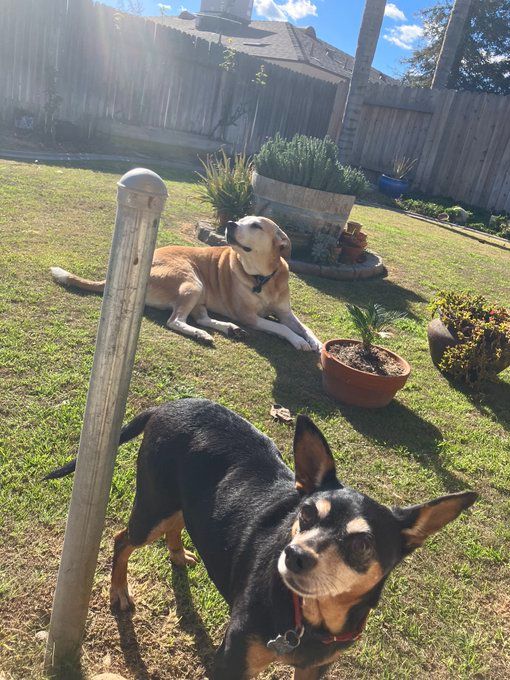


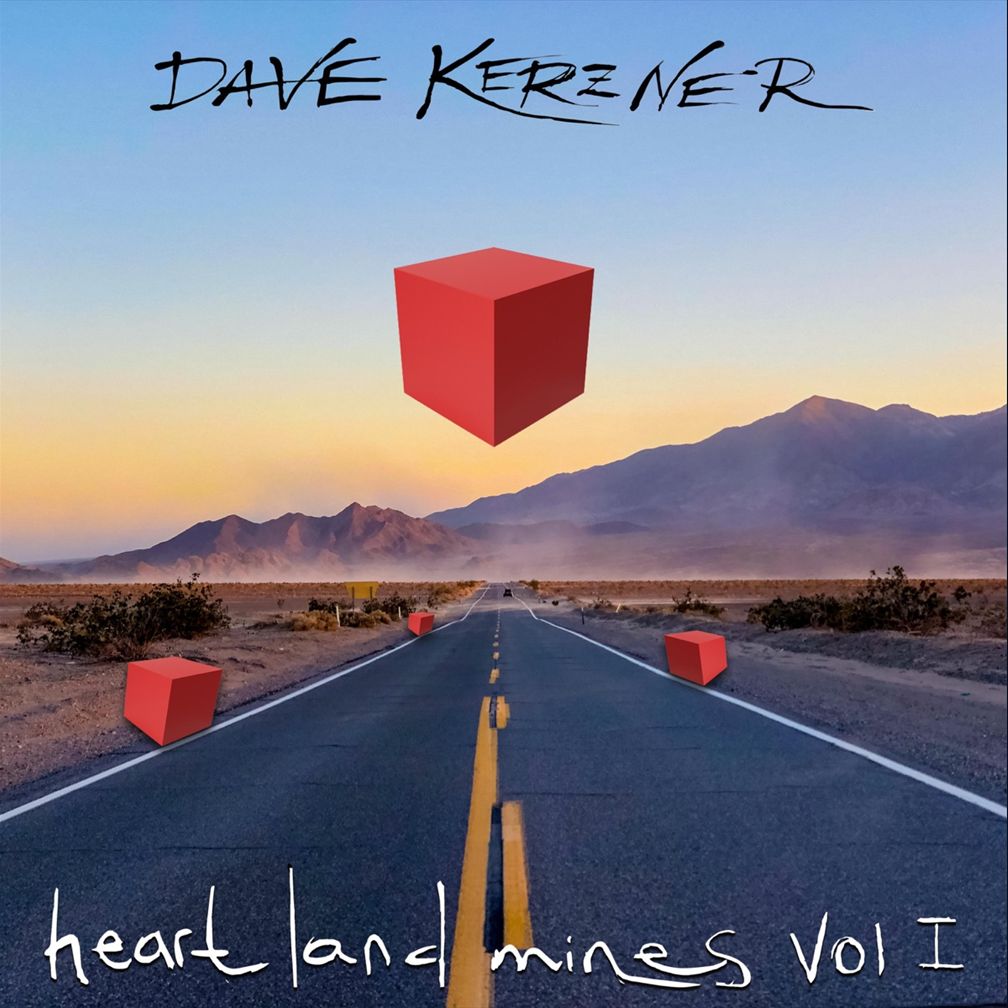


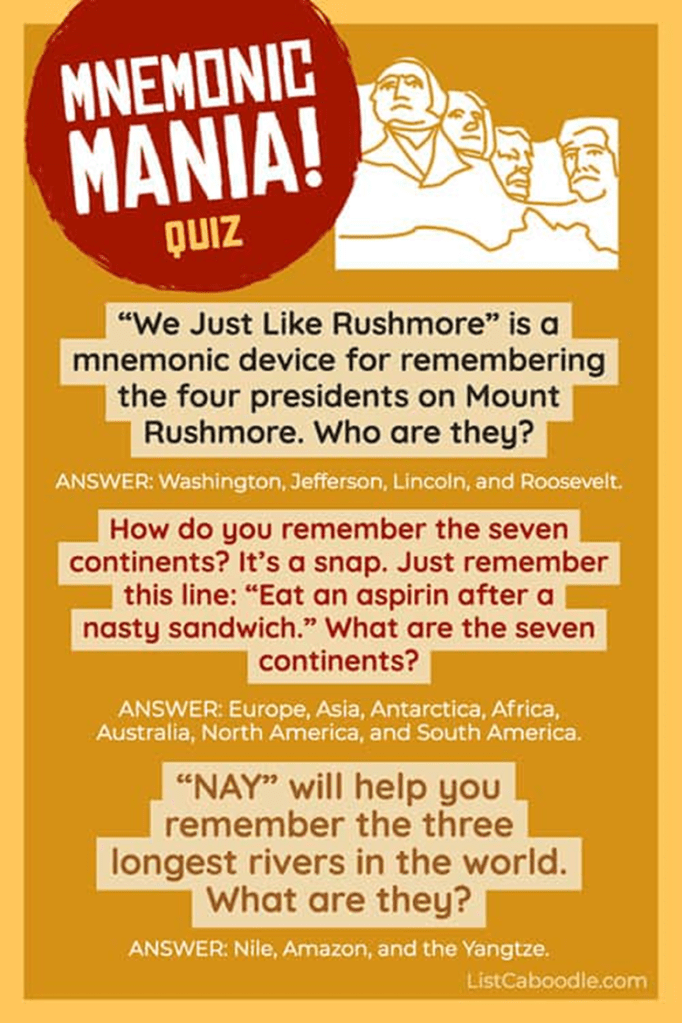


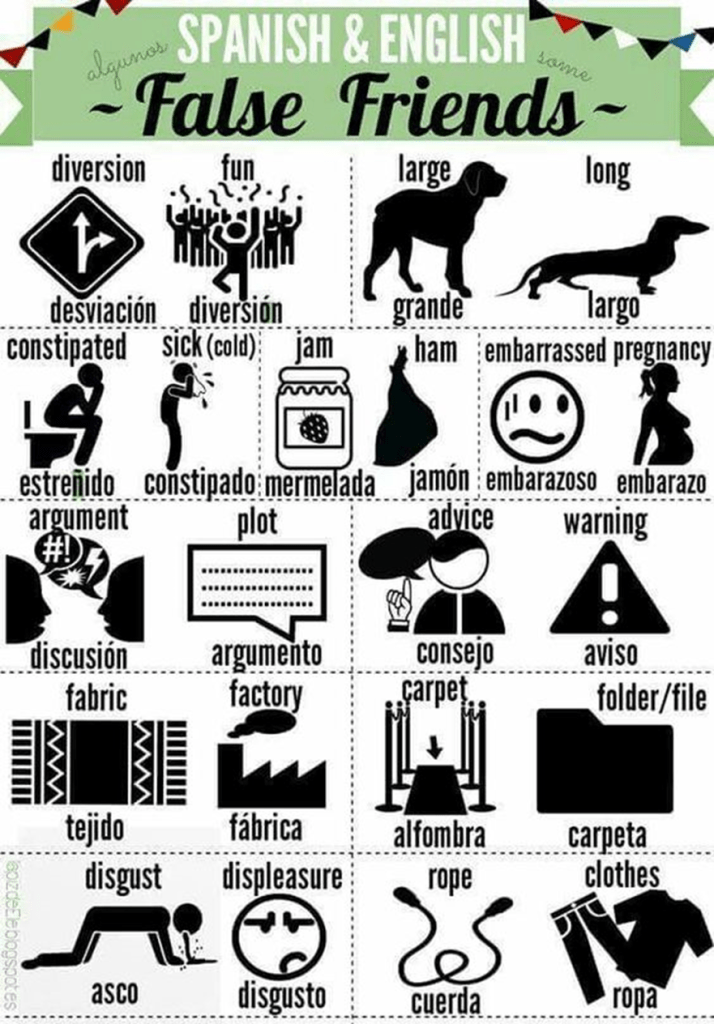




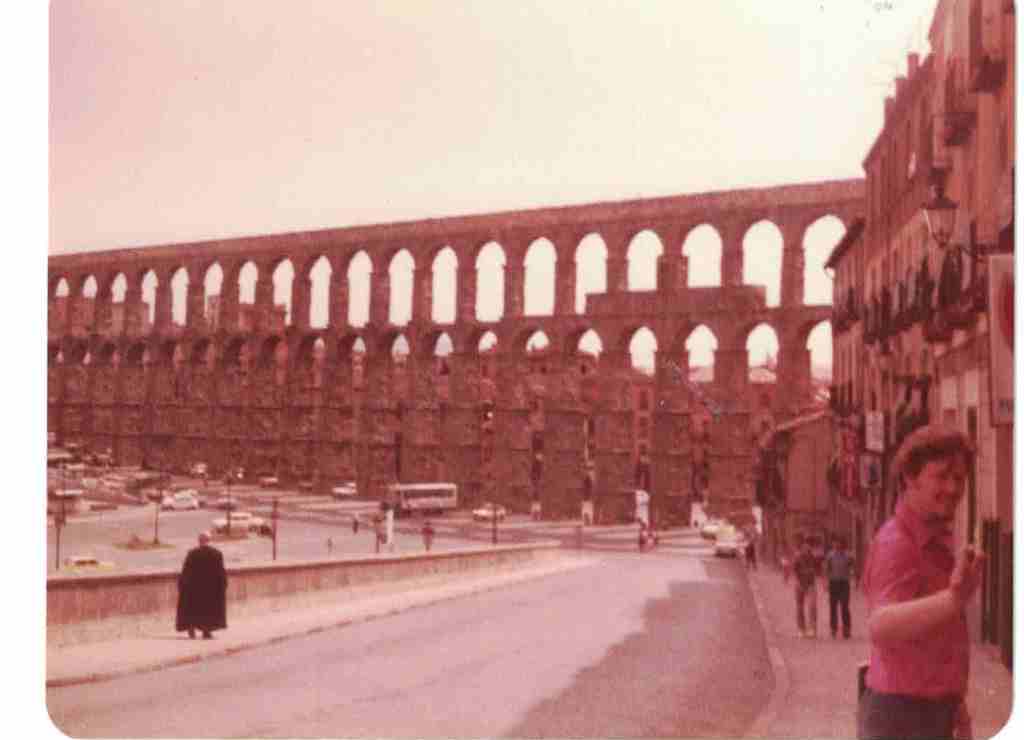

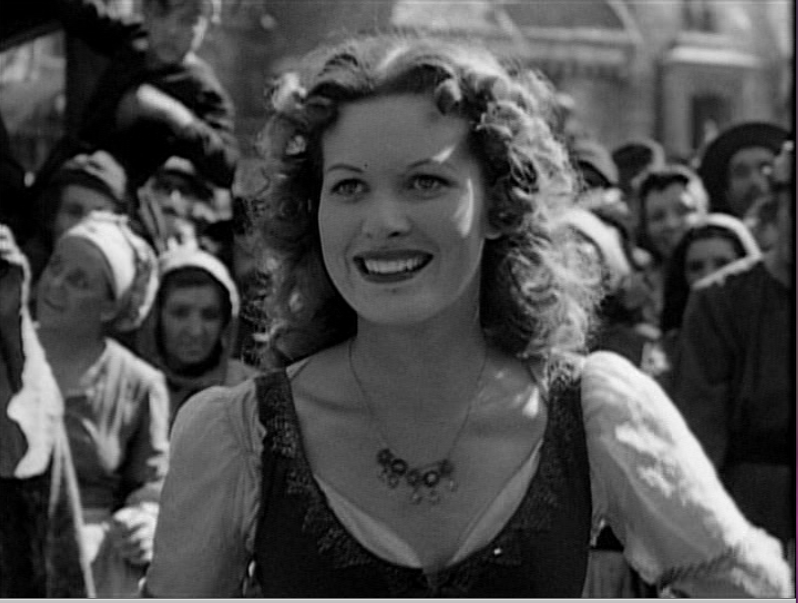
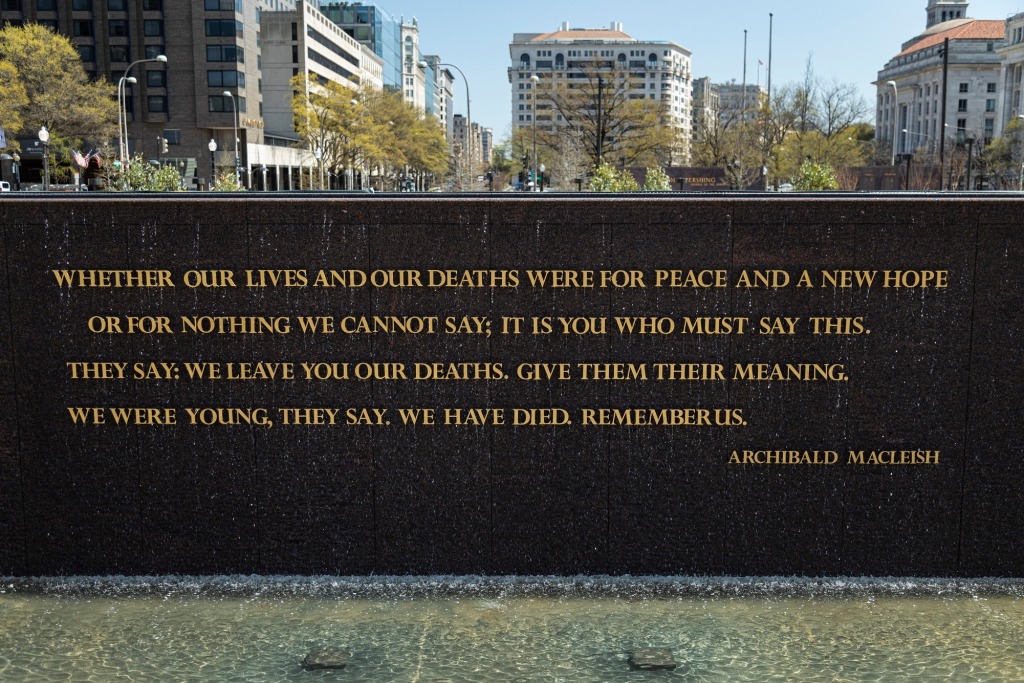

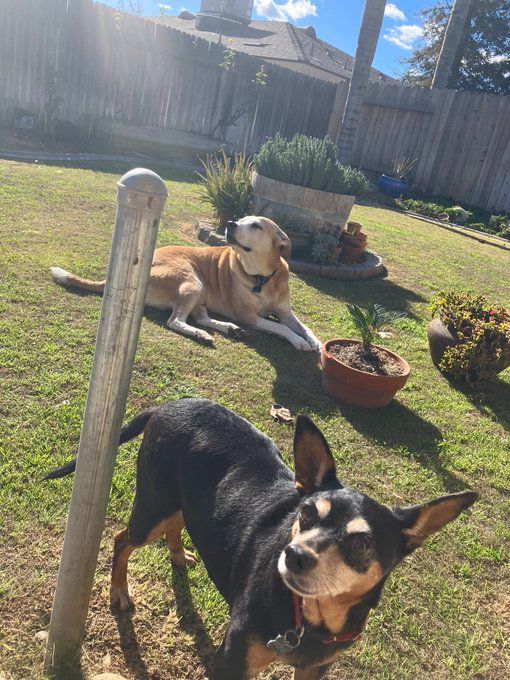



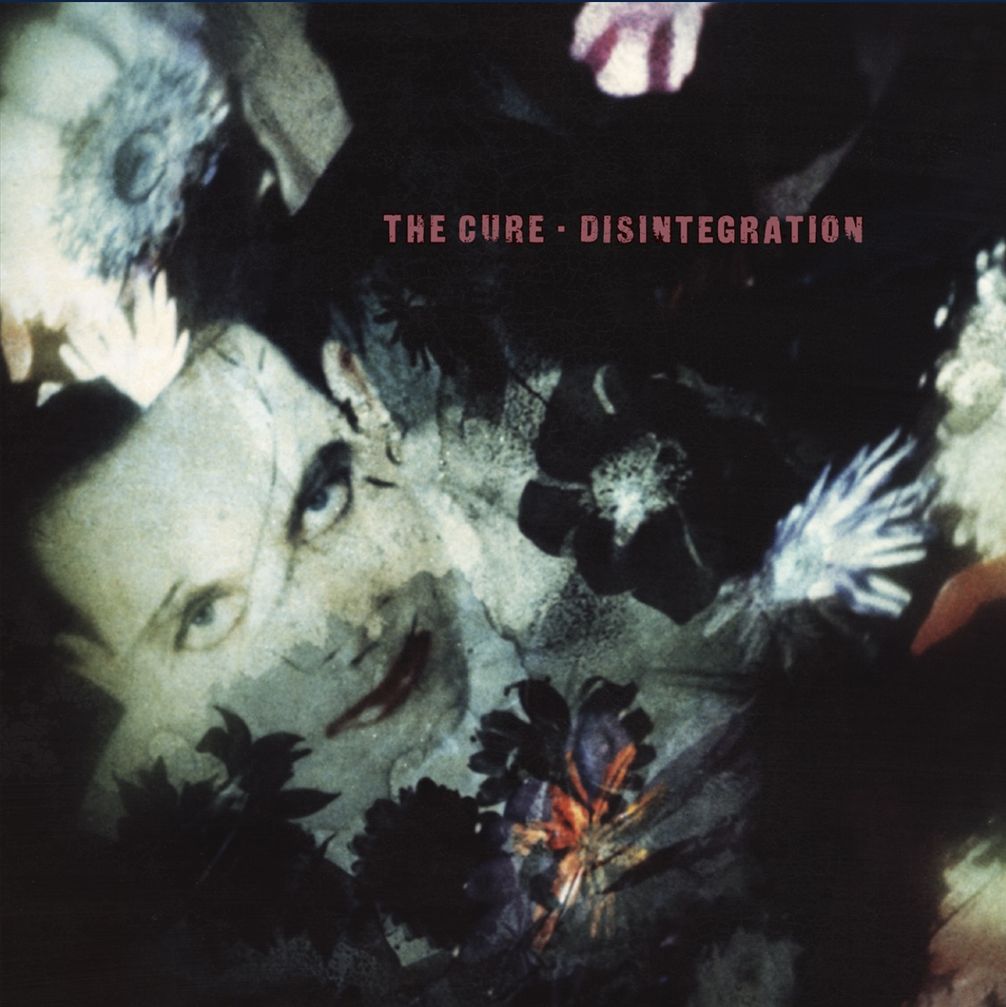

 Spirit of Cecilia
You must be logged in to post a comment.