
College Music Memories, 1979-1995
Dear Spirit of Cecilia Readers, welcome back! We hope and trust you’re each doing well. We had such a great and nostalgic time reminiscing about our years in high school and our love of music, we decided it was time to take it to the next level and talk about our post-high school years. I say post high school, because not all of us went immediately to college. Our beloved Erik Heter served brilliantly in the navy–as a submariner–immediately after high school. The rest of us, though, went directly to college. So, we cover the years, 1979-1991.
Brad: Well, the single most important thing that happened to me my freshman year (1986-1987) was meeting our own beloved Kevin McCormick. Kevin lived in the dorm next to mine, and we had crossed paths several times in September. In mid-October, though, we found ourselves on the same flight, home for our week-long fall break. Though he was ultimately heading to San Antonio, and I to Wichita, we had the same flight from Chicago to Denver. Recognizing one another, we sat next to each other on the flight. Almost forty years later, we’re still best friends!
I really didn’t like flying, but Kevin taught me a great trick as we took off–to set up an album on the walkman so that the music began as the plane began to take off down the runway and then hit full stride as it went into the air. Brilliant.
After take off, though, we talked non-stop on the flight and then had time together in Denver before our connecting flights. A moment that changed both of our lives.
Though I knew much more about older prog and jazz, Kevin seemed to have limitless knowledge about New Wave. As it turned out, he didn’t just listen to music, he was a full-fledged (and mighty good) guitarist (classical and electric), composer, and poet. To be blunt, in 1986, Kevin, more or less, defined cool. He even, amazingly enough, looked like Bono.
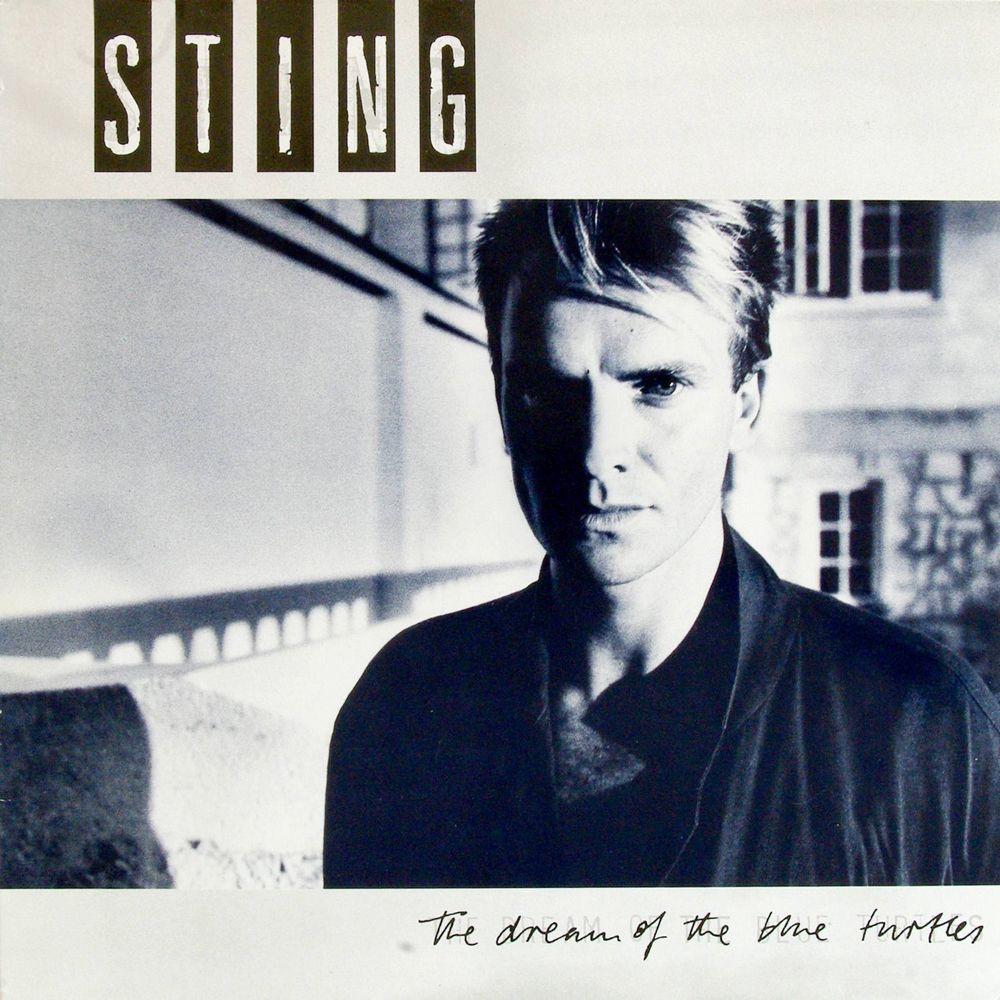
Though I really, really liked Rush, Kevin adored them and knew every single thing about the band. My love of the band had grown since first encountering them in 1981, but it was Kevin who really convinced me of their brilliance, and especially of the brilliance of Neil Peart. Kevin also introduced me to Blancmange and other New Wave bands. He also convinced me that it was ok that Sting went out on his own, forsaking the Police! And, when I tried to convince Kevin that albums like Invisible Touch were still great, he would have none of it.
But, most of all, I just loved hanging out with Kevin when he jammed on the guitar. We would talk for hours and hours about everything music related.
Tad: Okay, Brad, you’ve opened up the floodgates when you want to know what music I was into in college! I was an engineering undergraduate at Vanderbilt from 1979 to 1984. I’ll start with 1980, which was an incredible year for new music. By that time, I was a DJ at the school’s radio station, WRVU. As a newbie, I had the 6 – 8 am shift. I loved going through all of the promo copies we’d get, and planning my playlist.
Here are a few(!) of my favorite albums from that year:
Utopia: Adventures In Utopia
Joe Jackson: Beat Crazy
XTC: Black Sea
*U2: Boy
*Robert Palmer: Looking for Clues
Yes: Drama
Genesis: Duke
Roxy Music: Flesh + Blood
Devo: Freedom of Choice
Group 87: Group 87
*English Beat: I Just Can’t Stop It
Weather Report: Night Passage
Rush: Permanent Waves
Peter Gabriel: 3 (Melt)
*Pretenders: Pretenders
*Talking Heads: Remain In Light
David Bowie: Scary Monsters
Elvis Costello: Taking Liberties
Gary Numan: Telekon
The Cretones: Thin Red Line
Ultravox: Vienna
Hall and Oates: Voices
*B-52s: Wild Planet
*The Police: Zenyatta Mondatta
*I was also on Vanderbilt’s concert committee, and these artists all played live there. U2 played in the law school auditorium to maybe 400 people, believe it or not! Talking Heads gave the best show I’ve ever seen, with an expanded lineup that was incredibly funky. During the B-52s show, we were seated in the balcony in the basketball gymnasium, and everyone was bopping so hard to the music that I could feel the concrete floor flexing up and down. I was currently taking a course in reinforced concrete design, and I knew that if a crack developed, the whole thing would collapse. I grabbed my date and we ran downstairs. The band actually announced from the stage that people in the balcony had to sit still, or they would stop playing!
A few notes on some of the above albums:
Group 87 was an instrumental trio consisting of Patrick O’Hearn (bassist for Missing Persons), Mark Isham (trumpet, keyboards), and Peter Maunu (guitar, keyboards). It is still one of my all-time favorite records.
Weather Report was the group that got me into jazz – Wayne Shorter was a coleader, and through him I discovered Miles Davis and Art Blakey. Jaco Pastorius was their bassist, and he had a unique sound that Joni Mitchell used on her Hejira and Don Juan’s Reckless Daughter.
Robert Palmer’s Looking For Clues was an unusual album for him – very electronic, and featuring some songs by Gary Numan.
Elvis Costello’s Taking Liberties was proof of how incredibly prolific he was early in his career. He had released four excellent albums in three short years, and Taking Liberties was just a collection of B-sides. Every single song on it was as good or better than any other song he had released. How many people can come up with lyrics as witty as That the word upon everyone’s lipstick that you’re dedicated/Though you may not be an old-fashioned girl, you’re still gonna get dated?
XTC’s Black Sea is where Dave Gregory really makes his mark in that band. Andy Partridge and Colin Moulding were both at the top of their songwriting form.
Rush’s Permanent Waves remains my favorite album of theirs.
The Cretones were a new wave band from LA, and their songs were wonderfully catchy. Linda Ronstadt recorded several for her Mad Love album. They disappeared after two great albums. I don’t think they were even reissued on CD.
Hall and Oates’ Voices is probably the most mainstream album in my list, but what a great lineup of songs! They were definitely listening to new wave music and taking notes.
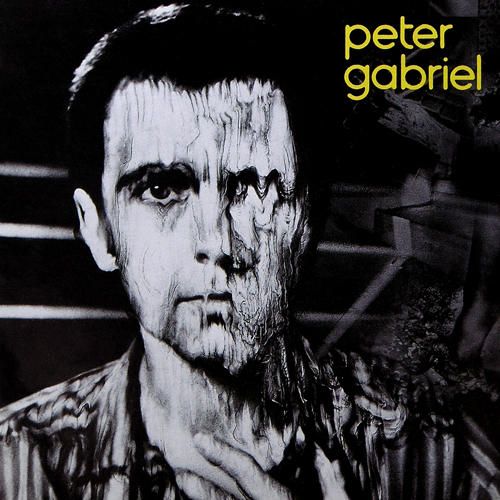
I think I played Peter Gabriel’s third album more than any other on this list. I was obsessed with the sound he came up with on it. Tony Levin on bass, Jerry Marotta on drums (but no cymbals!), and David Rhodes on guitar. Every song was so dark and powerful.
Erik: So I’m going to be the outlier here for reasons Brad mentioned above – namely, the fact that I served six years as a submariner in the US Navy right after high school. Oh, I did eventually go to college, after completing my service, but my college days were spent working a full-time job while going to school part time. And a majority of those years were in the 1990’s, which didn’t have the same impact on me musically as the 1980’s, in which my navy years fell.
Joining the military, traveling around a lot, and eventually getting assigned to a sea-going command certainly changed how I listened to music. I went from a vinyl guy to a cassette guy; from a turntable guy to a Sony Walkman guy. And man, did I go through a lot of Sony Walkmans in that period. And the number of cassettes I owned rapidly overtook the number of vinyl albums I had collected up to that point.
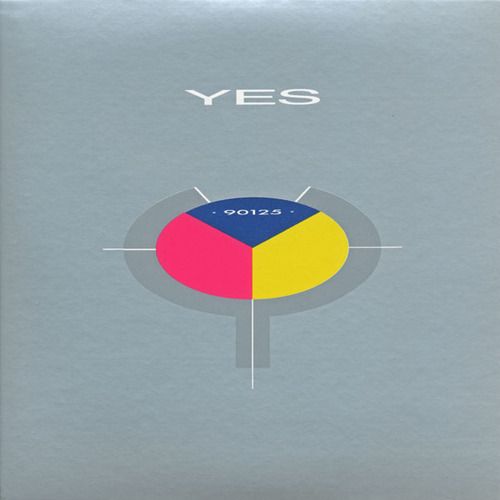
Music significantly shifted during my high school years that immediately preceded my navy years, and that change continued to reverberate. But at the same time, there were some consistencies. For example, my fandom of Yes didn’t waver, and in fact was supercharged in 1983 with their new album 90125. With a new guitarist (and excellent vocalist to boot) in tow, Trevor Rabin, Yes released an album that was both a radical departure from their previous work while still sounding like something only they could pull off. And it drew me in like the proverbial moth to a flame, as I couldn’t get enough of it. I’ve listened to that album all over the world, from the Mediterranean Sea to the Sea of Japan and many locales in between, some on land and some underwater. And despite using a Walkman with headphones, when I listened to 90125, so did the people in my vicinity. Nigel Tufnel wasn’t the only one who knew how to turn it up to 11.
But 90125 wasn’t the only album that resonated with me to such a strong degree. In 1984, Rush released what I consider to be their second-best album, Grace Under Pressure. Having joined the military, I started to ponder what it meant to be in situations where “the world weighs on my shoulders.” Being at an age of just entering adulthood, I was “overwhelmed by everything, yet wanting more so much.” Neil’s lyrics definitely spoke to me on that one. Better yet, on the first, glorious Saturday night of November 1984, I saw Rush play on the Grace Under Pressure tour. That was my second of six Rush shows (spread across 5 different decades), and it remains to this day the best one of the bunch.
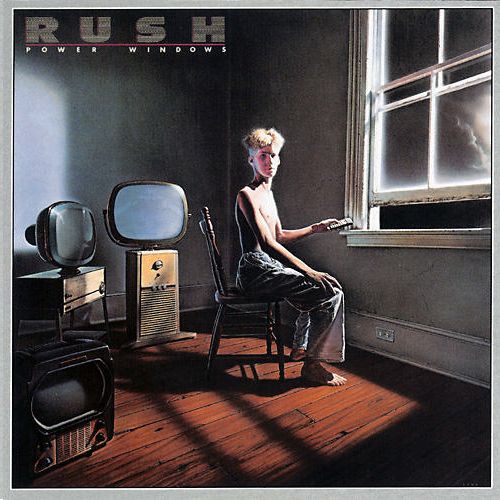
I also quite enjoyed their subsequent albums Power Windows and Hold Your Fire, which also came out during that timeframe.
Embracing the new wave of rock music came a little slow to me. But in early 1983, while undergoing some electronics training in Great Lakes, IL (north of Chicago), I first heard U2’s War album. That did the trick, and I started paying attention to subsequent releases as well. I still like War the best of their albums, but Bono’s inflated sense of himself notwithstanding, they made some good music over the years.
My heavy metal listening expanded a little bit during those years. And in particular, I took a liking to the prog-adjacent heavy metal band, Iron Maiden. My introduction to them was via a concert in San Diego on their World Piece Tour (no, ‘Piece’ is not misspelled here), and soon after that I owned their then-current album, Piece of Mind. I would go on to purchase their next three albums as well, all of which appeared while I was still on active duty.
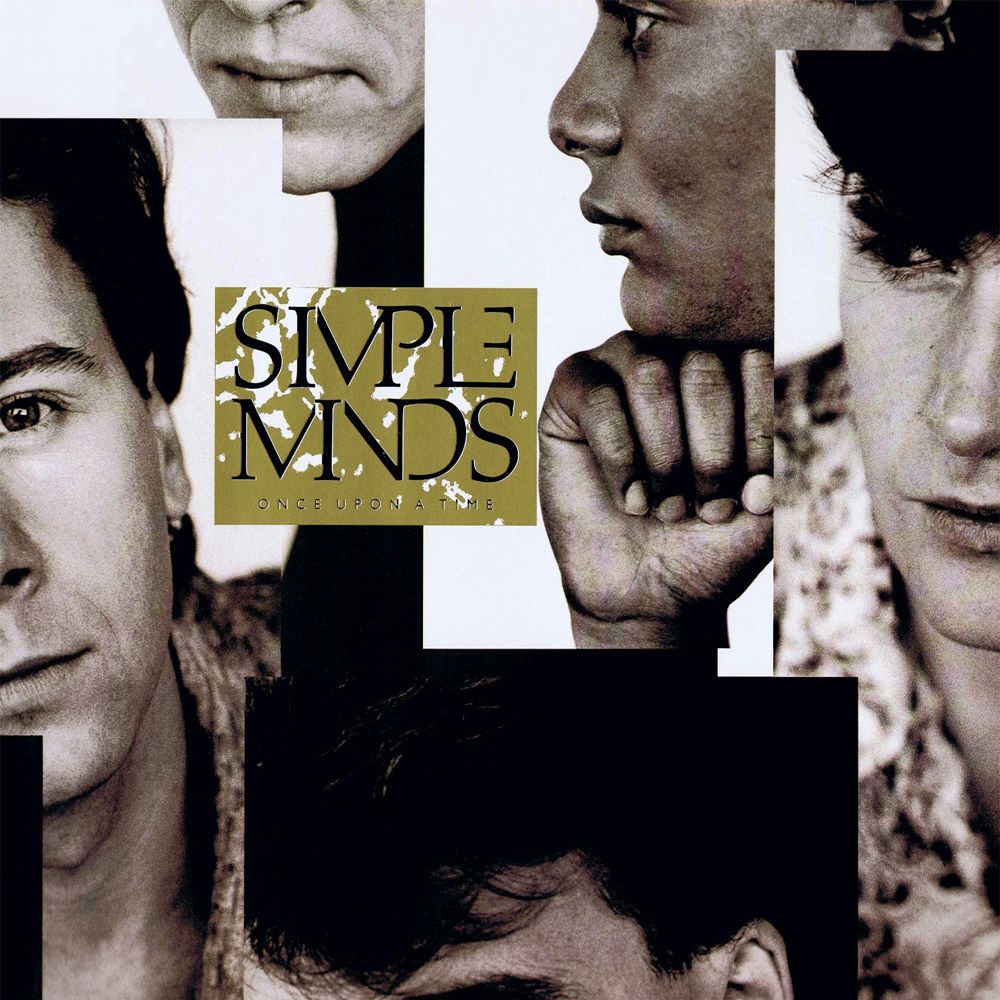
A few other albums really knocked my socks off during these days. Once Upon a Time by Simple Minds is jam-packed with lush melodies and great songs overall, and was in heavy rotation for about a year after its release. And while I liked some of The Cult’s earlier songs (Rain, She Sells Sanctuary), they really sealed the deal for me on 1987’s Electric, which is chock full of raw guitar and more of a roots rock sound. I also really liked Pete Townsend’s solo album White City that he released in 1985.
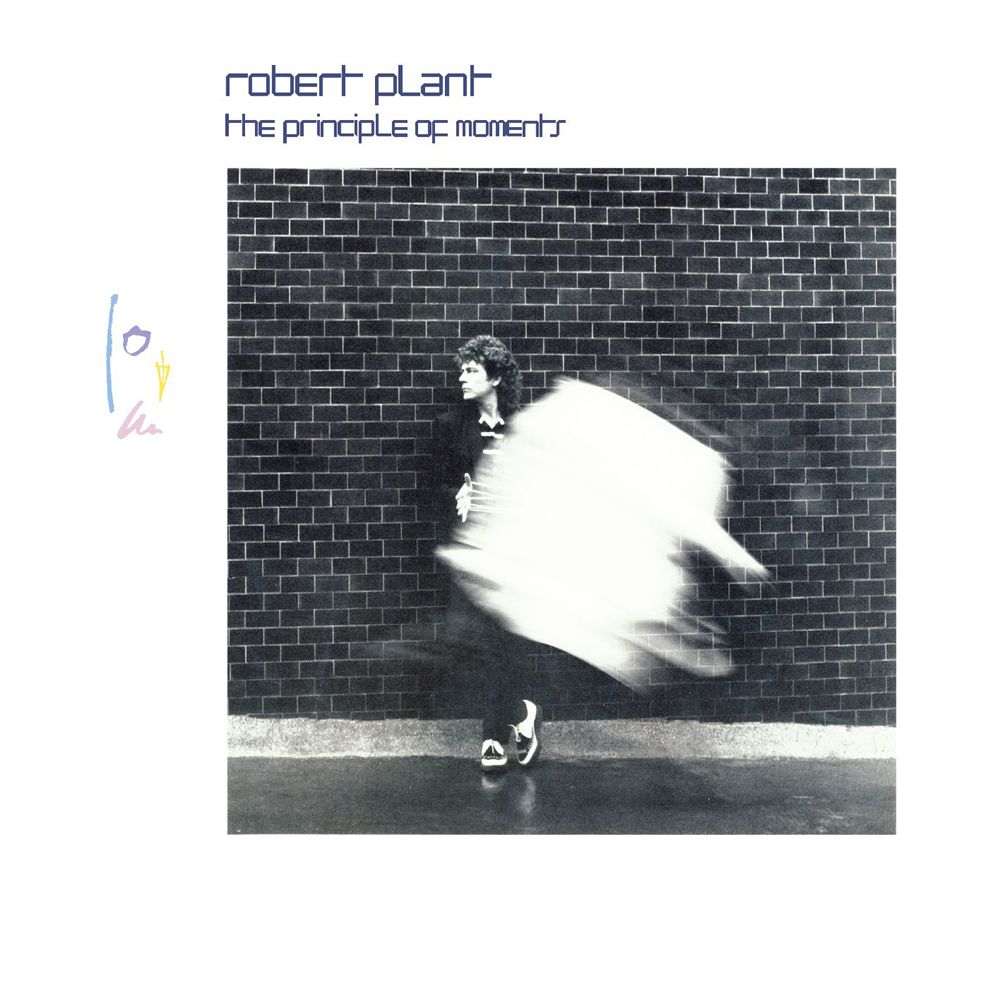
Another thing I enjoyed was watching Robert Plant’s evolution as a solo artist. Unlike others who were famous from their time in another band, Plant’s output during the 80’s neither rested on his Led Zeppelin laurels, nor did it run away from them.
I, or should I say we (referring to myself and the other sonar technicians I served with) also had fun with our music … meaning we figured out how to jerry-rig our Walkmans to input signals into a spectrum analyzer in the sonar room of the submarine upon which we served. This allowed us to see the music along with hearing it. And let me tell you, a young Robert Plant, when he really wanted to belt one out, could produce some massive harmonics!
My time in the service came to an end in November of 1988. When I entered six years earlier, it felt like our country was on its back and the Soviet Union was ascendant. But those six years later, America was confident and one could sense that the Soviets, no longer led by a stodgy old hardliner, were on their last legs. I too had changed quite a bit. When it comes to music, the change in my tastes was primarily one of expansion and broadening. I still liked the music I listened to in high school; in that era when so much of what a person listens to becomes embedded in their personality. At the same time, a lot of great new sounds emerged, and many of them caught my ear for good. It was a great time, and I miss it.
Brad: A second critical thing happened to me at the end of freshman year. My tape of Invisible Touch, of all albums, broke. I bought a new one at the campus store, but it was broken as well. As was its replacement. I got so fed up with defective Invisible Touches, that I decided to buy something totally new, something I knew nothing about. And, yes, I very much judged the book by its cover! I came across an album adorned with a whole slew of colorful moths, one large one dominating all the surrounding ones. I immediately loved it. It was called “The Colour of Spring” by Talk Talk. Taking a chance, I bought the album, knowing nearly nothing about the band or the album. I had had a good friend in high school, Ritchie, who had bought a Talk Talk EP, but, otherwise, they were new to me.
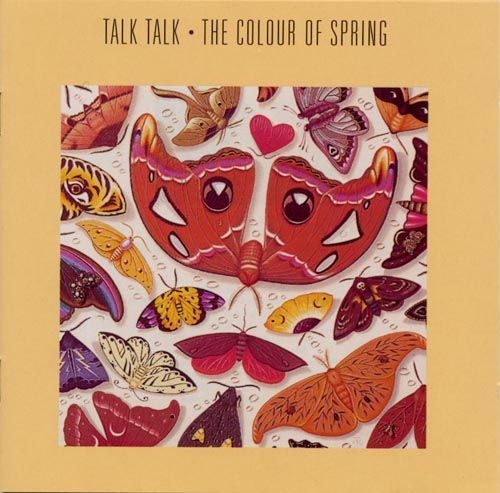
I proudly showed Kevin the new purchase, and he assured me it was a great band. I popped the cassette into the tape deck, and I was immediately blown away by every aspect of the music. From the beginning there was something deeply alluring about Mark Hollis’s voice but, for the life of me, I couldn’t make out the lyrics, and there was no lyric sheet with the cassette. I, however, listened to it so many times that I had the vocal cadence down pat, even if I didn’t know the words.
The following school year, July 1987-July 1988, I spent two semesters at the University of Innsbruck in Austria, and Kevin spent the same year in Rome. That March (1988), we ventured together to London and stayed in a friend’s flat. While in London, we visited EMI (trying to meet Talk Talk), Virgin, and Trident Studios. At one point, we found ourselves in a record store, and the shop had a vinyl copy of The Colour of Spring, complete with lyrics on the sleeves. I studied that sheet for nearly an hour. To say that I was blown away would be the understatement of the year. I was utterly gobsmacked by everything Hollis had to say. I’m not ashamed to admit that I cried rather openly, so moved was I. “Try to teach my children/To recognise excuse before it acts/From love and conviction to pray.” These were words of immense love and immense integrity, words to live by.
I had already had a profound religious experience a month earlier in, of all places, central Morocco, and Kevin and I had talked theology nonstop. Prior to February 1988, I was a proud (if idiotic) atheist and skeptic. By April 1988, I was a full-blown Roman Catholic. To ignore Hollis in all of this would be a crime and an absurdity. My movement back to my childhood faith had Morocco, Kevin, and Hollis written all over it.
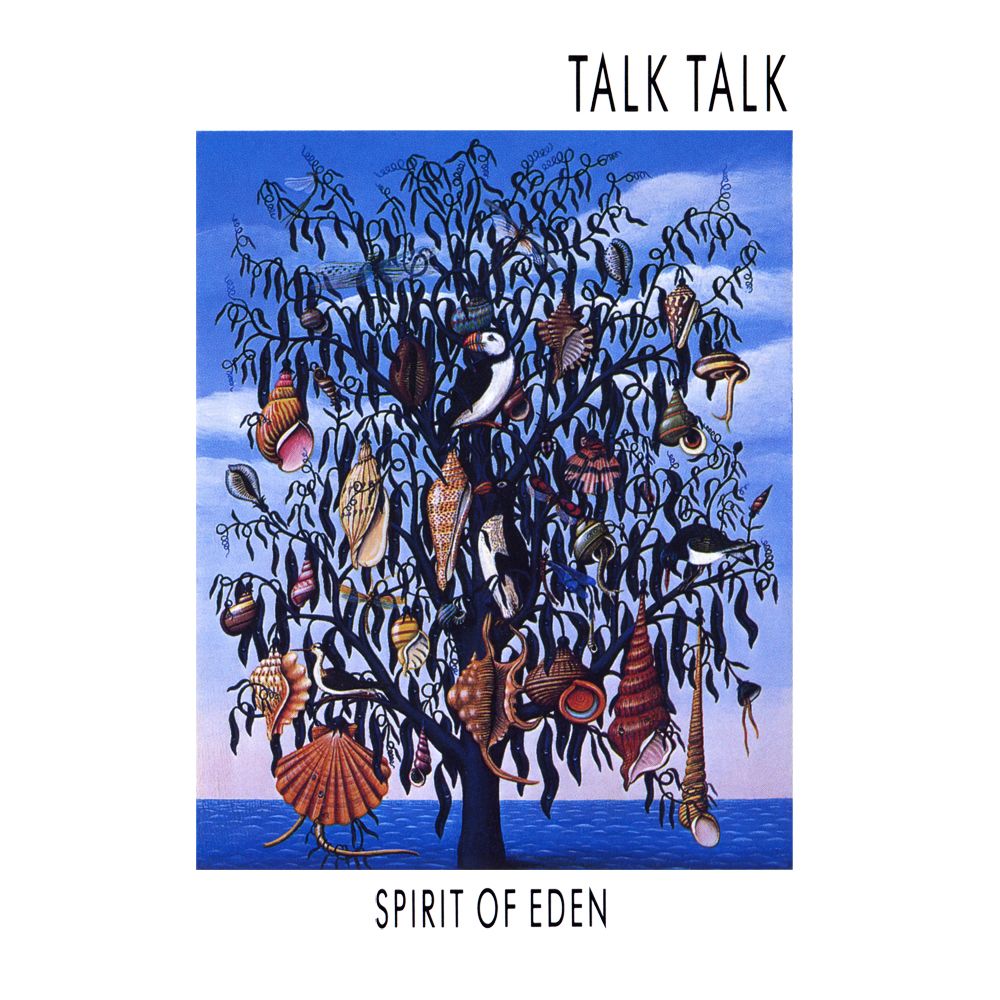
Tad: Brad, that is a very moving memory of yours; thank you for sharing it. I also didn’t really get into Talk Talk until The Colour of Spring, but they soon became one of my favorite groups. As a matter of fact, they are the reason you and I connected. Spirit of Eden is an all-time favorite album of mine, and I was bored one evening, so I did a search for reviews of it. I clicked on a link to something you wrote about it on a site called (I think) Stormfields. It resonated with me so much that I left a comment thanking you for your review. The next thing I knew, I had a friend request from you on Facebook, and the rest is history! So I also have a lot to thank Mr. Hollis for.
Erik, it is so cool to learn how you accessed music while in the military. You and I were listening to a lot of the same music, especially Once Upon A Time and Robert Plant. The Principle of Moments is my favorite of his solo works.
Okay, here is my list of favorite albums from 1981. Not as many as in 1980, but still pretty extensive:
Genesis: Abacab
Squeeze: Argybargy
The Human League: Dare
King Crimson: Discipline
The Police: Ghost In The Machine
The Vapors: Magnets
Rush: Moving Pictures
Devo: New Traditionalists
Ultravox: Rage In Eden
Psychedelic Furs: Talk Talk Talk
B. B. King: There Must Be A Better World Somewhere
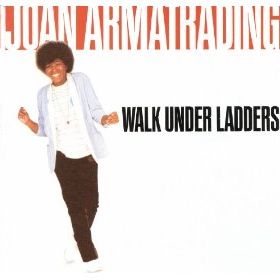
Joan Armatrading: Walk Under Ladders
Jaco Pastorius: Word of Mouth
Abacab is one of those albums that I never, ever, tire of. It’s just a perfect set of songs.
King Crimson’s Discipline kicked off my favorite iteration of this venerable prog group. Bill Bruford, Tony Levin, and Adrian Belew clicked perfectly with Robert Fripp.
The Vapors had a minor hit on their first album with “Turning Japanese”, but I always thought their followup album, Magnets, was much stronger. It sank without a trace, though.
We’ve discussed Ultravox’s Rage In Eden elsewhere here at Spirit of Cecilia.
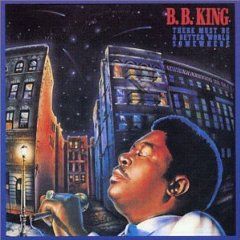
I heard the title track to B B. King’s There Must Be A Better World Somewhere on the radio, and it moved me so much I immediately bought it. My poor roommate told me I had to be getting tired of listening to it, but I never did. I didn’t know anything about the blues, but this album really spoke to me. I got a group of friends to see him live with me, and we were pretty much the youngest and whitest people in the audience!
The production of Joan Armatrading’s Walk Under Ladders blew me away. The liner notes said Tony Levin and Jerry Marotta played on it (the same rhythm section as on Peter Gabriel’s Melt!) as well as synths by some guy named Thomas Dolby. Hmm…
I’ll go ahead and share my albums that define 1982 for me:
Prince: 1999
Roxy Music: Avalon
Laurie Anderson: Big Science
George Winston: December
Thomas Dolby: The Golden Age of Wireless
Elvis Costello: Imperial Bedroom
Adrian Belew: The Lone Rhino
Joe Jackson: Night and Day
Donald Fagan: The Nightfly
Richard and Linda Thompson: Shoot Out The Lights
Utopia: Utopia
Joni Mitchell: Wild Things Run Fast
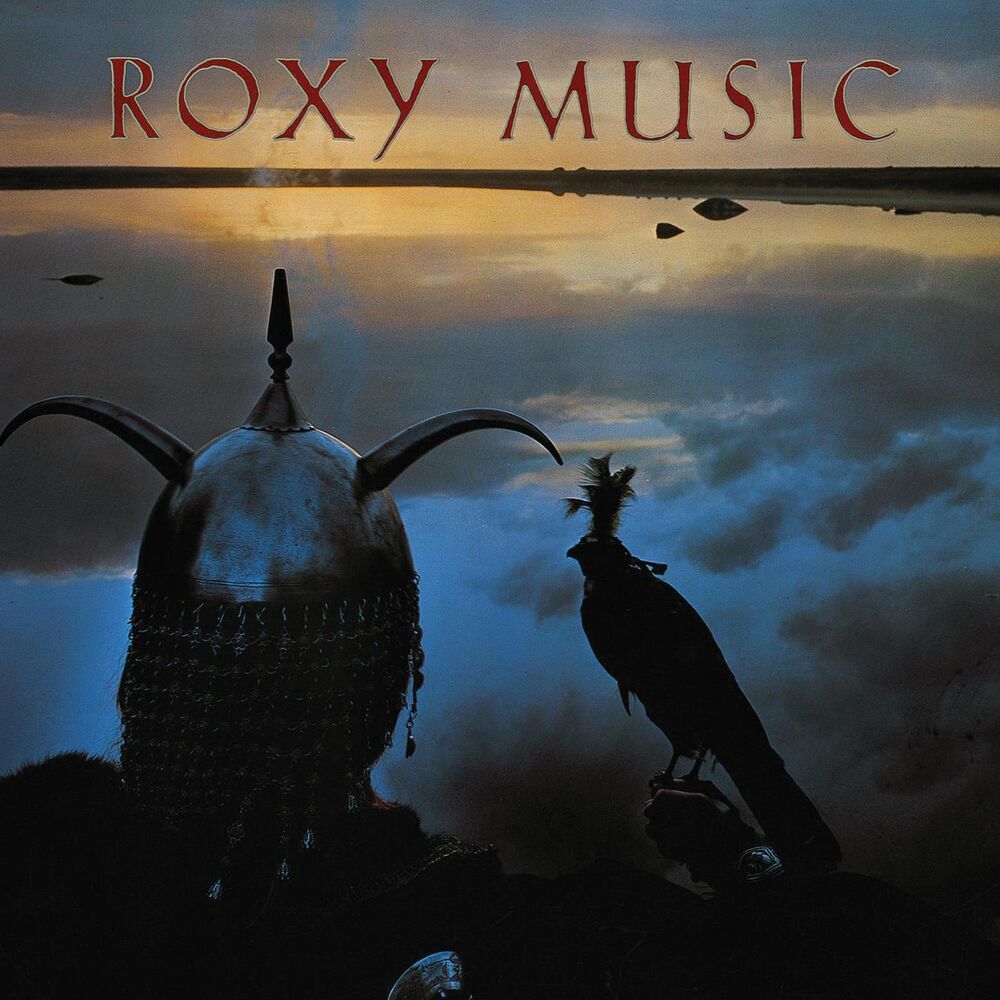
Roxy Music’s Avalon is one of the finest albums ever produced. It doesn’t hurt that it is also the album my future wife and I listened to frequently while we were first dating.
Laurie Anderson’s Big Science was a hit that shouldn’t have been – it’s really weird, with Anderson’s mostly spoken vocals, but for some reason it’s compulsively listenable.
George Winston’s December is a wonderful collection of solo piano pieces that are Christmas-related. One of the first “new age” albums (a classification Mr. Winston despised), it set a very high bar that has rarely been reached.
Donald Fagan’s The Nightfly remains one of the most immaculately produced albums ever made. The songs are delightful, and I still love to listen to them.
Shoot Out The Lights is an amazing set of songs by the guitarist for the British folk rock group Fairport Convention and his wife as their marriage was falling apart. It is both heartbreaking and beautiful.
Utopia was Todd Rundgren’s group, and their Utopia album is a really fun set of catchy power pop songs. It was a three-sided record: two vinyl discs, but one only had songs on one side! I think the label went bankrupt, and the album never got much distribution. If you like Beatlesque melodies, this is right up your alley.
Brad: Tad and Erik, I absolutely love your recollections. Erik, I know I’ve told you this before, but I want to thank you for your service, especially during the absolutely critical Reagan years. Our nuclear deterrent–especially our subs–were so essential to ending the Cold War. Thank you for playing your part, above and beyond what most give.
Tad, I had forgotten that we initially bonded over Spirit of Eden. That’s wonderful. What a blessing your friendship has been.
There are still a few things I’d like to mention about college. Again, Kevin is at the center of them. First, during my junior and senior years of college, I had a Friday night prog show, which I goofily called “Nocturnal Omissions.” Yes, I really did. Of course, we were making fun of our sexuality, but I also wanted to have a show that played music most folks missed. Not surprisingly, I played a ton of prog, even though I wasn’t really supposed to. During the day, WSND 88.9 FM was a classical station, but at midnight, its format changed. We were supposed to play only “college rock” or “alternative rock.” I did that, but I also played a ton of prog. Our station reached Chicago, and I used to get a huge number of callers, usually guys five or ten years older who were stunned that anyone was still playing prog. We did nights of nothing but Yes or Rush or Pink Floyd. Hours and hours of it. In between prog songs, we’d play XTC, English Beat, Blancmange, and Tears for Fears. We also played lots and lots of Talk Talk, especially after Spirit of Eden came out and lots and lots of Kate Bush. Interestingly enough, I purchased Spirit of Eden using station funds, and my station manager was upset because it only had four tracks on it!
Second, Kevin (yes, our Kevin) had the single most popular band on campus, St. Paul and the Martyrs. They played almost every Saturday evening at Ted’s–our dance club on top of the student center. And, every Saturday, I was front and center, dancing like a mad-man. I was a terribly uncoordinated dancer–tall and gangly–but I decided early in high school, I would never give a damn what anyone thought of me and that I would have a blast. And, lo and behold, I did!
As I think back to college, I think about deepening my old loves–especially Yes, Pink Floyd, Kate Bush, Simple Minds, and Kansas–but also adopting new ones, such as Talk Talk, Ultravox, The The, Psychedelic Furs, and The Sundays.
Tad: Brad, I didn’t know you did a stint as a radio DJ as well! I love the name of your program, and I’m surprised the station manager let you use it! The 80s were a wonderful time to be in college radio, because we had (relatively) free rein in terms of what music we played. I’m glad you mentioned The The, because their debut album, Soul Mining, was one I played a lot on WRVU in 1983. One of my favorite segues was between Martha and the Muffins’ track, “Several Styles of Blonde Girls Dancing” and The The’s “Uncertain Smile” – the former flowed perfectly into the latter.
Speaking of 1983 (how’s that for a segue?), here are my most-played albums from that banner year:
Yes: 90125
Vangelis: Antarctica Soundtrack
Brian Eno: Apollo: Atmospheres and Soundtracks
R.E.M.: Chronic Town EP
Martha and the Muffins: Danse Parc
Everything But The Girl: Eden
Genesis: Genesis
Gang of Four: Hard
Paul Simon: Hearts and Bones
Tears for Fears: The Hurting
Bob Dylan: Infidels
Joan Armatrading: The Key
David Bowie: Let’s Dance
Mark Knopfler: Local Hero
XTC: Mummer
R.E.M.: Murmur
Robert Plant: The Principle of Moments
The Fixx: Reach the Beach
Stewart Copeland: Rumblefish Soundtrack
The The: Soul Mining
Steps Ahead: Steps Ahead
Eurythmics: Sweet Dreams
The Police: Synchronicity
Mark Isham: Vapor Drawings
Looking back at 1983, I realize that was the year I really got into ambient and space music. My local public radio station played Stephen Hill’s program, Hearts of Space, and I faithfully taped it every Thursday evening. That’s how I learned about Vangelis and Brian Eno’s Apollo. Mark Isham’s Vapor Drawings wasn’t ambient, per se, but I was familiar with him from Group 87 (see my 1980 notes).
Besides being a great year for music, 1983 was the year I first met my future wife! We both loved Joan Armatrading, and we had the good fortune to see her live. Before the show, we were walking up to the auditorium when we saw Joan smiling and watching some skateboarding kids. We chatted with her, and she was really nice. When The Key was released, we ran down to the record store to buy it that day. I ended up working in that store while I was in graduate school.
Erik has already done a fine job extolling the greatness of 90125. I’ll just add that it and Roxy Music’s Avalon were the first compact discs I bought. I would play “Leave It” to demonstrate how quiet, crisp, and clear CDs were.
Paul Simon’s Hearts and Bones wasn’t a huge seller for him, but it remains a favorite of mine. He had just married Carrie Fisher, and it was full of romantic songs.
Steps Ahead was a jazz “supergroup” consisting of Michael Brecker (sax), Mike Mainieri (vibraphone), Eliane Elias (piano), and Peter Erskine (drums). They played a show at Vandy, and it knocked me out!
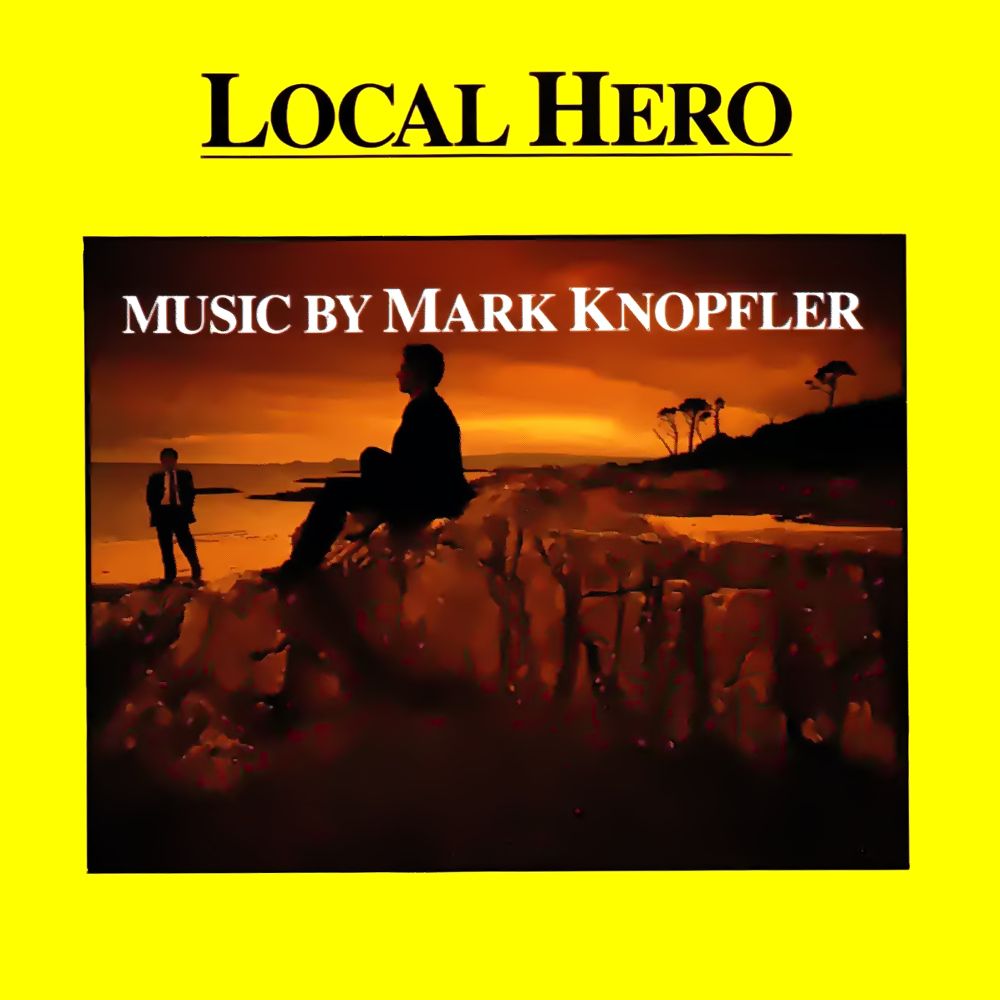
Finally, Mark Knopfler’s soundtrack to Local Hero remains one of the most haunting sets of Celtic-inflected ambient music ever recorded. It never fails to put me at peace whenever I listen to it. The movie itself is still one of my favorites – a very quirky comedy about a young oil company exec in Houston sent to acquire a coastal village in northern Scotland.
Kevin: So fun reading your reflections, Bradley, on those years and fascinating how much we have in common, Tad! Early college (‘86-’88) were years of exploration for me. Besides all that Brad shared above, I also was amazed by the music of U2, XTC, the Police, Echo and the Bunnymen, particularly, Ocean Rain, which I hadn’t realized was such an amazing album–punk folk with string orchestra!
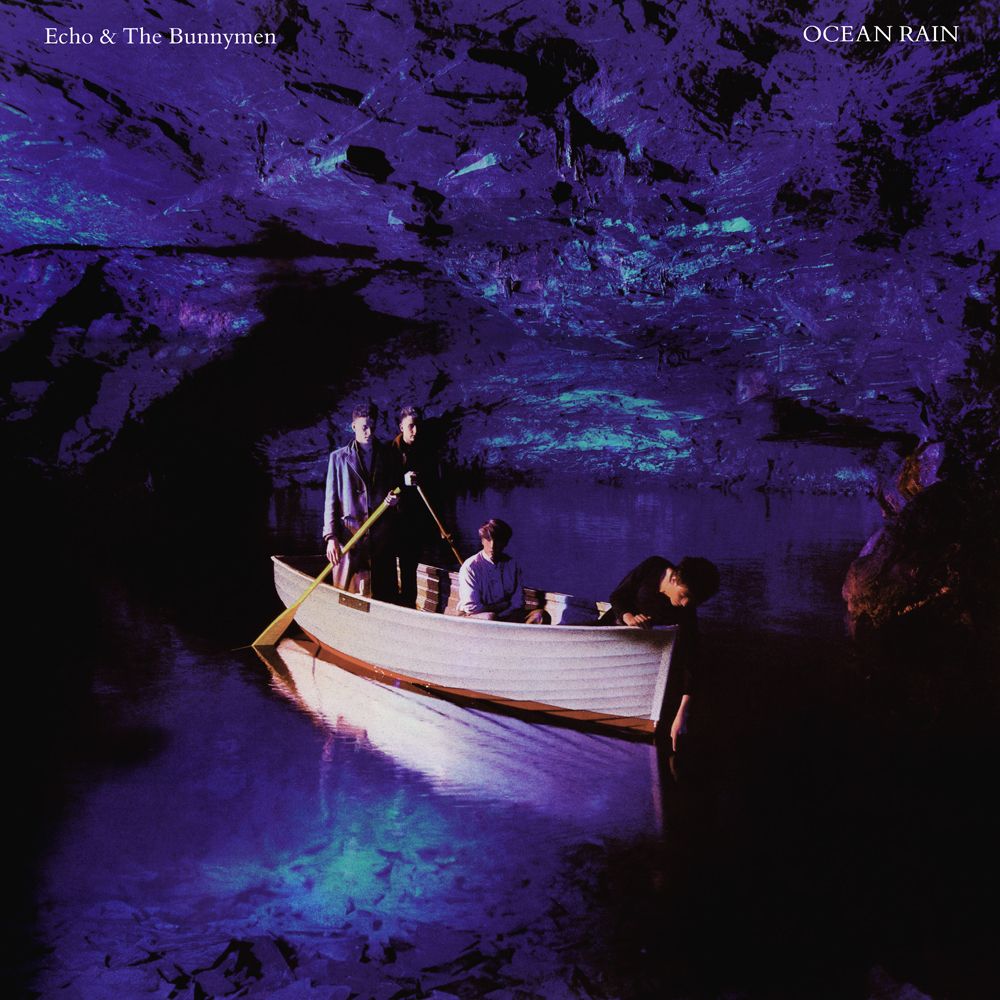
After returning from a year abroad, Brad and I had our never-forget moment listening to his early copy of Talk Talk’s Spirit of Eden. Also learning tunes for the college band introduced me to a lot of new music and older music that I had missed. Learning the music to perform the entirety of Pink Floyd’s Dark Side of the Moon was quite a masterclass. We did lots of late 60’s/early 70’s rock including The Who, The Stones, The Beatles, Lou Reed, Steely Dan, Yes. But there was a lot of college radio music as well. We even covered Talk Talk’s “Desire” from the new album. The other players were quite talented and there wasn’t much we weren’t willing to give a try.
It was a formative time and between the band and Brad’s library and radio show it really expanded my listening palette immensely.
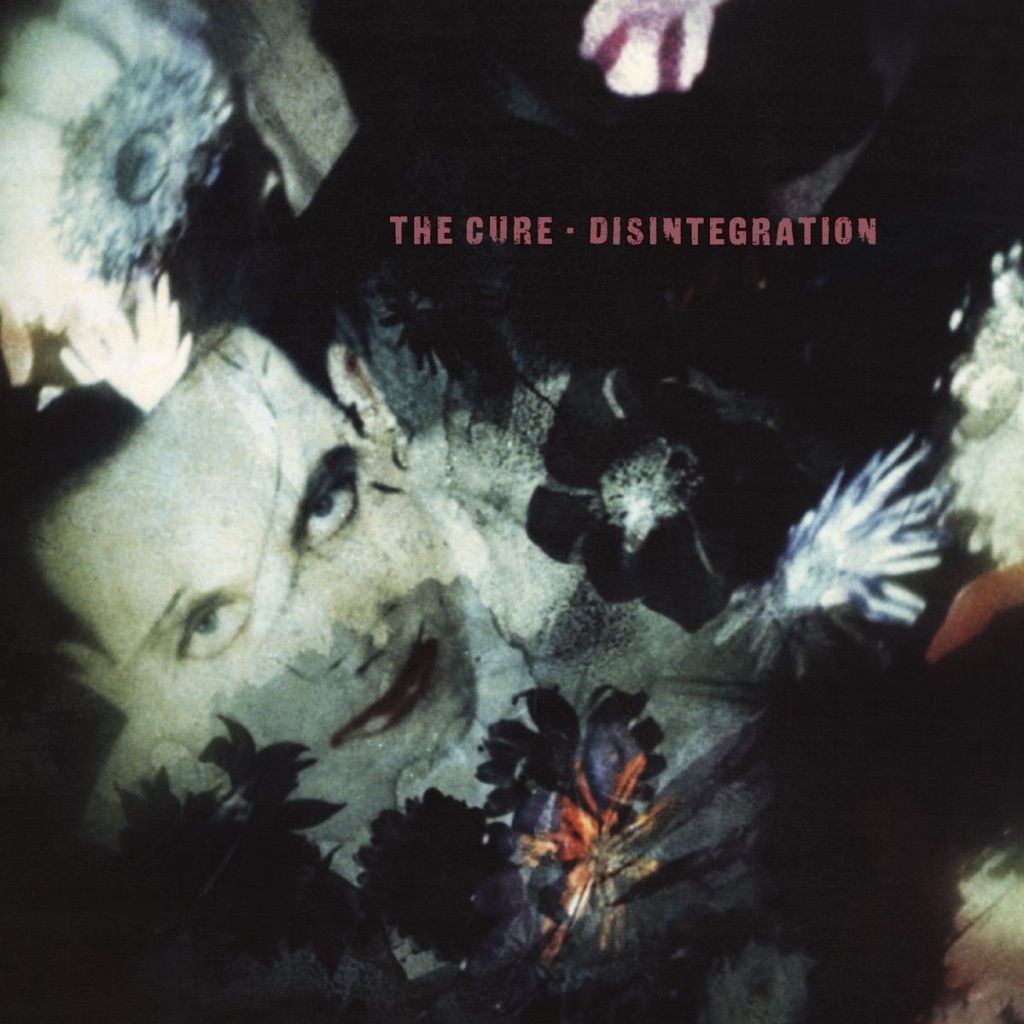
Brad: Kevin and Tad, loved your recollections. Thank you both for those. I will admit, though, that there were bands that I adored in college that didn’t last beyond college for me. I was huge into A-ha and The Smiths. Neither of those stuck. But, bands like the Cure—especially when Disintegration (a top 10 album for me) did. I also came to love Bryan Ferry, and I still do.
Tad: Kevin, I wish I could have seen your band perform! Brad, I think Bryan Ferry is one of the most talented artists of the twentieth century. Roxy Music was my favorite group all through high school and into college. I still love the Smiths; I think Morrisey’s lyrics are hysterical, and Marr’s melodies fantastic.
My final year in undergraduate school was 1984. By this time, I had a job at Cat’s Records, near Vanderbilt. We had lots of fun in-store events, and a huge import section. Working there exposed me to Cocteau Twins, The Blue Nile, Guadalcanal Diary, and countless other alternative groups.
Here’s my final list – favorite albums of 1984:
Let’s Active: Afoot EP and Cypress
Don Henley: Building the Perfect Beast
Thomas Dolby: The Flat Earth
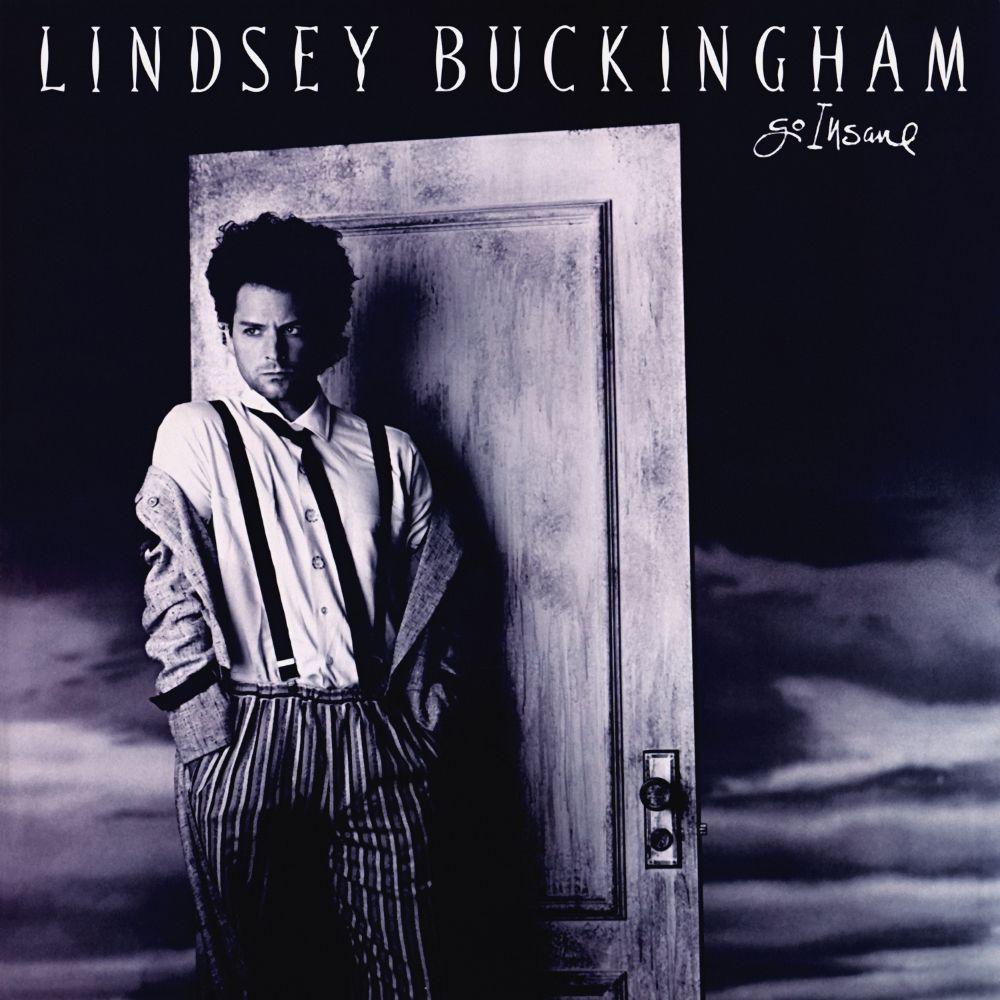
Lindsey Buckingham: Go Insane
The Smiths: Hatful of Hollow
Howard Jones: Humans Lib
This Mortal Coil: It’ll End In Tears
dBs: Like This
Psychedelic Furs: Mirror Moves
Depeche Mode: Some Great Reward
David Bowie: Tonight
Cocteau Twins: Treasure
Michael Hedges: Aerial Boundaries
Let’s Active was led by Mitch Easter, who produced the first two R.E.M. albums. He recorded four near-perfect albums of jangly rock that are a blast to listen to.
I always thought Lindsey Buckingham was the secret sauce in Fleetwood Mac, and his second album, Go Insane, had everything that I liked best about his music: quirky lyrics, catchy melodies, and terrific guitar.
This Mortal Coil was a “supergroup” composed of artists on England’s 4AD label. Very moody and angsty, but Elisabeth Fraser’s song, Another Day, is three minutes of the most beautiful music ever recorded.
I know Bowie fans generally don’t like Tonight, but I love it. Loving the Alien is one of my favorite songs of his.
Michael Hedges was an acoustic guitarist, and his Aerial Boundaries completely changed the way people thought the guitar could be played. I assumed he recorded it by overdubbing himself on several tracks. Then I saw him live, and he played every song perfectly, by himself. It was jawdropping. He died much too young.
Carl: I’m late and last to this party, but perhaps that’s fitting as I’m a (very!) little bit younger than my elder brothers in musical arms. And while there is some overlap, I’m struck by the huge holes in my musical tastes in college and how different my limited tastes were in many ways (for example, I didn’t get into jazz at all until I was 25, around the same time I got married).
I graduated from a small town (Plains, Montana) high school in May 1987, and a month later I was attending a year-long art program, essentially an Associate’s degree in graphic design, in Phoenix. The culture shock was real. It was also, overall, good for me in many ways. My roommate was an Italian-American kid from San Diego, and one of our first conversations was about music. I was into Kansas, CCM/John Fogerty, and an assortment of contemporary Christian (CCM) artists, especially Petra, Matthew Ward, Whiteheart, David Meece, and others. He was a huge Rush fan, which was common ground, but also into Depeche Mode and New Order, who held little to no interest for me. In fact, most New Wave bands left me cold at the time, although certain songs broke through.
In art classes, I sat next to Tim, a transplant from London with a glorious British accent. He was a musician, and he was, he told me, into “U2, the Smiffs, and the Baytills.” I recognized the first (I was a big fan of “Joshua Tree,” of course), then figured out the third (famous band from Liverpool that I rarely listen to), and had never heard of “The Smiths.” Bands such as The Smiths, The Cure, et al, did nothing for me and still don’t. But it was not an anti-British thing on my part, as I was an established fan of Yes, the Moody Blues, Queen, Asia, ELP, and GTR. Oddly enough, I never really listened to early Genesis, and rarely have.
What I discovered was that my schoolmates broke down into a couple of different musical camps. There was the heavy metal camp (Iron Maiden!), the alternative/punk folks (Butthole Surfers, anyone?), and the Top 40 crowd. My tastes tended to be either 10 to 20 years behind the times or far too Christian (Stryper, however, was an ecumenical choice for some).
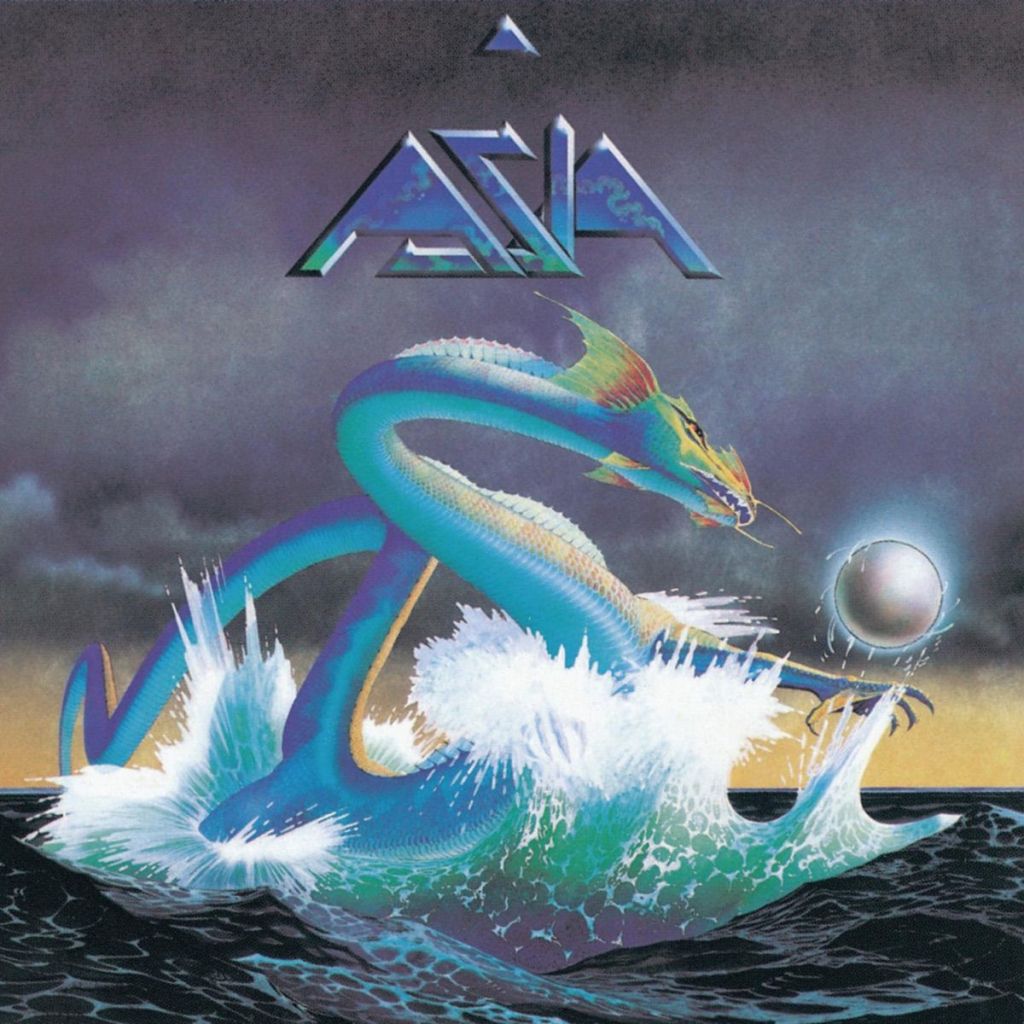
From 1988-1991, I attended two Christian schools: Northwest Nazarene College in southern Idaho, and Briercrest Bible College in southern Saskatchewan. My one year at NNC was a strange one in various ways, but it was there that I first heard Tracy Chapman’s fantastic debut album, dived deeply into the back catalog of Elton John (inspired by his live album recorded in Australia), and went even further down the Kansas, Kerry Livgren, A.D., Steve Morse, Dixie Dregs rabbit hole, which I still enjoy to this day.
My two years in Canada influenced and shaped me in many ways, including on the musical front. It was there that I was introduced to the stunning music of King’s X, the brilliance of Phil Keaggy, my favorite Paul Simon album (“The Rhythm of the Saints”) and Eric Clapton album (“Journeyman”) and Queensrÿche album (“Empire”), as well as a host of CCM artists, several of whom I got to see perform live at the school. I would single out King’s X as especially important, as they introduced me to tunings, sounds, lyrics, and wild marriages of metal, folk, gospel, and prog that changed how I heard and understood contemporary music, helping me to appreciate groups such as Living Colour, Porcupine Tree, Soundgarden, and Radiohead.
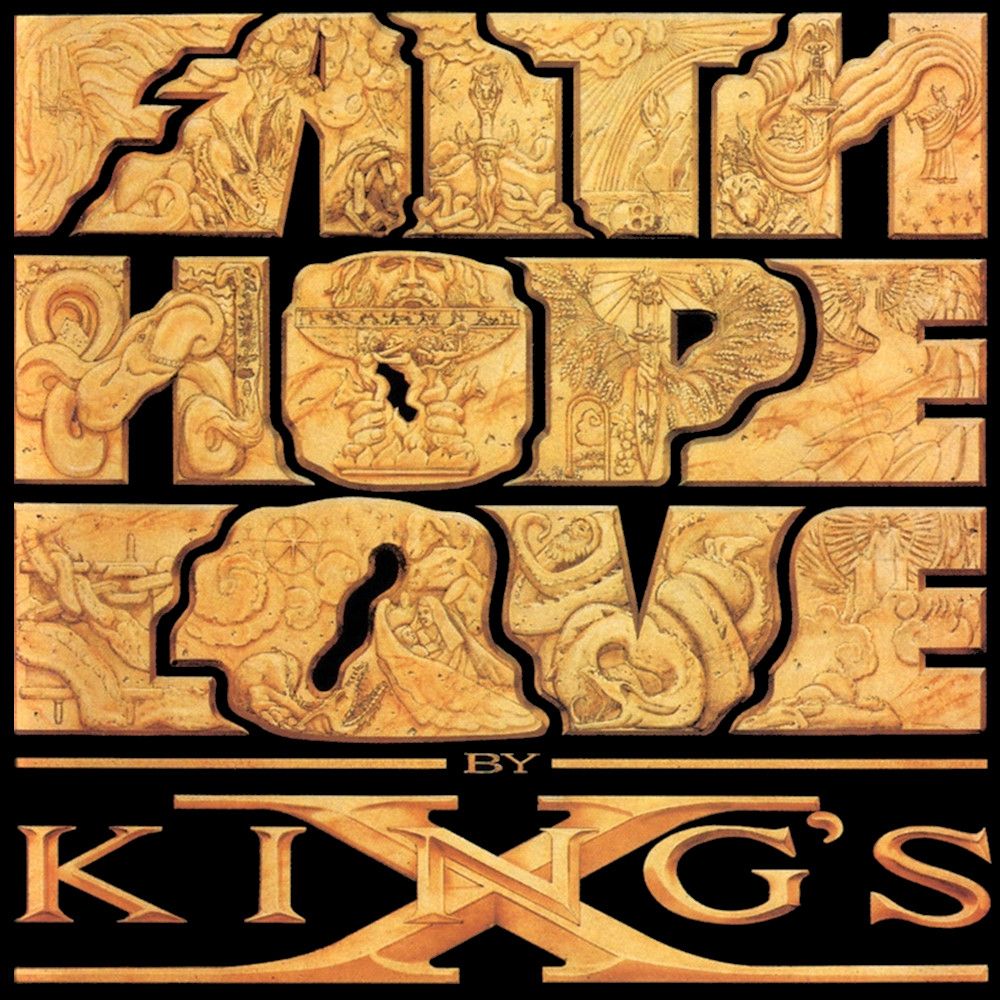
I could well be wrong and chronologically-biased, but I think that the late Eighties and early Nineties was the final great era of exceptional contemporary Christian music, with landmark works by White Heart (“Freedom”, 1989), Charlie Peacock (“The Secret of Time”, 1990; “Love Life”, 1991), The Choir (“Circle Slide”, 1990), King’s X (“faith hope love”, 1990), Russ Taff (“Russ Taff”, 1987; “The Way Home” 1989), Margaret Becker (“Immigrant’s Daughter”, 1989; “Simple House”, 1991), David Meece (“Candle In The Rain”, 1987; “Learning To Trust,” 1989), Ashley Cleveland (“Big Town,” 1991), Chagall Guevara (“Chagall Guevara,” 1991), among several others.
Finally, a few other artists figure prominently at that time for me. First, I wore out my cassette of Trevor Rabin’s “Don’t Look Away” (1989), which is an underappreciated work of musical art. Secondly, I listened to a lot (a LOT) of Steve Morse and Eric Johnson, and I never tire of hearing any and all music by both men. Third, I was introduced to the magical voice of Maria McKee, whose debut album came out in 1989, and then to my first real Van Morrison album, “Avalon Sunset,” which came out the same year. In fact, a classmate had me listen to both on the same day, a wonderful “twofer”! And I will always have wonderful memories of driving 12 hours across Montana and into Canada—often not seeing another car for many miles—while blasting Rush’s “Chronicles”.
At that point, I was 21, and I had yet to discover jazz, which has been my biggest musical love for 30 years, or the music of Frank Sinatra, Mel Torme, Sarah Vaughan, Ella Fitzgerald, and other greats. And Radiohead, Soundgarden, Porcupine Tree, and others were also on the horizon, along with some trips through trip-hop, electronica, ambient, and so forth. But those four years of college were filled with an abundance of memorable music, much of which I return to today.
Tad: Well, dear readers, there you have it – some long and varied reminiscences of Spirit of Cecilia’s favorite music from their college days. The period from 1979 – 1995 was probably unique in the sheer variety of great music one could hear on the radio. We hope you enjoyed our little stroll down Memory Lane!
 Spirit of Cecilia
You must be logged in to post a comment.