Our own Dr. Brad Birzer joins hosts Scott Bertram and Jeff Blehar for an in-depth discussion of Rush on their Political Beats podcast. The more than 2 1/2 hour conversation begins with Rush’s debut album and continues all the way through Clockwork Angels. It’s a lot of fun to listen to, even if you aren’t a Rush fanatic. Jeff Blehar had never heard a single Rush song before he listened to their entire discography in preparation for this episode, and his takes on their various albums are refreshingly honest and fair.
We’re midway through the decade – thanks for joining us on our journey through the musical highlights of the 2010s!
In terms of music distribution, compact disc sales continued their steep decline. In 2000, 943 million CDs were sold. By 2015, that number had dropped to a little over 100 million. iTunes (and mp3s in general) was fading fast as Spotify, Amazon Music, and Apple Music attracted listeners to their streaming platforms. What these trends mean for artists remains to be seen. As it gets harder to earn income from recorded music, will that discourage new artists from getting started?
On the other hand – stepping back and taking a longer view of history – perhaps we’ll look at the 20th century as an aberration in terms of the financial rewards many recording artists were able to garner. For most of recorded history, musicians and composers have had to struggle to survive, and even the the most gifted relied on wealthy patrons.
Fortunately for us in the 21st century, there is no shortage of great artists producing fine music, and 2015 was a good example. So here are the highlights of that year, in alphabetical order.
The Dear Hunter: Act IV: Rebirth In Reprise
Casey Crescenzo has released five of his planned six acts. Act IV: Rebirth In Reprise is my favorite so far. As usual, there is everything but the kitchen sink here. “A Night On The Town” is the key track as it swings like a Gershwin composition before an exhilarating rock motif takes over.
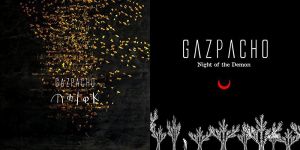
Gazpacho: Molok & NIght Of The Demon
Another year, and not one, but two Gazpacho releases. Molok is another dark concept album about the ancient demon utilizing modern technology for his nefarious purposes (I think). The fact that Molok has some of the prettiest music Gazpacho has ever made makes the concept go down easy. Night Of The Demon is a live set where the band really cooks. It’s a perfect introduction to them, if you’re curious.
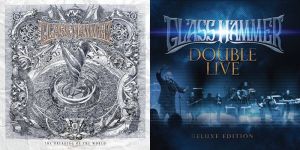
Glass Hammer: THe Breaking Of The World & Double Live
Another year, and not one, but two Glass Hammer releases. The Breaking Of The World is another peak for them (how do they keep doing that?) with essential songs “Mythopoiea”, “North Wind”, and “Nothing, Everything”. Double Live is a terrific no-frills live performance. Susie Bogdanowicz and Carl Groves are excellent singing classics like “The Knight Of The North” and “If The Stars”, while the band rocks tighter than a tick.
I Am The Manic Whale: Everything Beautiful In Time
A new band from Reading, England, I Am The Manic Whale sprang fully formed from the brain of Michael Whiteman (the band name is an anagram of his). This is an impressive debut with songs celebrating subjects ranging from 10,000 year clocks to the joys of parenting messy toddlers. “Princess Strange” is an inspiring take on cyberbullying. A true delight to listen to, and worthy of a large audience.
Karnatake: Secrets of Angels
Veteran proggers Karnataka enlisted new singer Hayley Griffiths for Secrets Of Angels, and she really lit a fire under them. Opening track “Road To Cairo” has a killer middle eastern riff that is as satisfying as Led Zep’s “Kashmir”. The title track is also excellent.
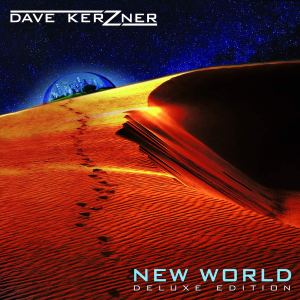
Dave Kerzner: New World
The keyboardist and composer from Sound Of Contact struck out on his own and produced this wonderful Floydian sci-fi epic. Put it on, and imagine you are back in 1977, hearing a fantastic new prog masterpiece.
Lonely Robot: Please Come Home
John Mitchell’s (Arena, Frost*, It Bites) first album in a trilogy about an astronaut lost in space. One of the best albums of the decade, Lonely Robot features John’s excellent vocals and stellar guitar work. Every song is memorable, but “Oubliette” and “Are We Copies?” are standouts.
Neal Morse Band: The Grand Experiment
The first album from The Neal Morse Band is one of the best of the decade. First, it is NOT a Morse solo record – this is a band effort with all members contributing to the songwriting. Second, Neal found a young multi-instrumentalist in Eric Gillette who is simply phenomenal and spurs everyone to new heights. “Alive Again” may just be the finest epic Neal has been involved in.
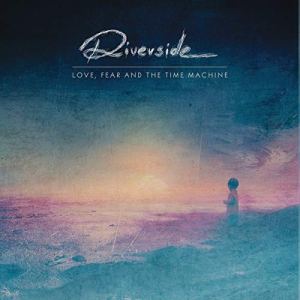
Riverside: Love, Fear, and the Time Machine
This was my favorite album of 2015, and I still listen to it fairly often. Riverside pulled together their metal and hard rock roots with Mariusz Duda’s gentler Lunatic Soul excursions, and came up with a winning mix. Add in some nods to ’80s new wave, and this is a very fine record.
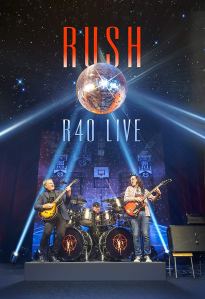
Rush: R40
A document of Rush’s 40th anniversary tour, where they played songs from every phase of their long career. The stage set began filled to the brim with props and effects, and they gradually shed them as they worked their way back to the first shows they played in a high school auditorium.
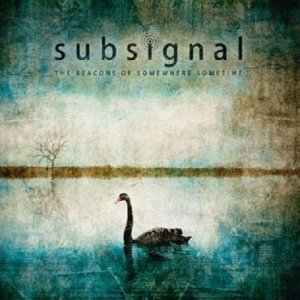
Subsignal: The Beacons Of Somewhere
Subsignal’s The Beacons Of Somewhere was a highlight of 2015. Straight-ahead prog rock with awesome melodies. “Everything Is Lost” is an excellent song, as is the multi-part title track. Every time I listen to this marvelous album, I hear new details that delight.
Tesseract: Polaris
Tesseract toned down the more extreme metal aspects of their music for Polaris, and that made a huge difference. Daniel Tompkins has always been a terrific vocalist, but on this album he really shines. “Dystopia” soars, and “Tourniquet” is a gorgeous cacophony of sound. “Phoenix” makes me want to drive 100 mph. A great album that earned Tesseract a well-deserved wider audience.
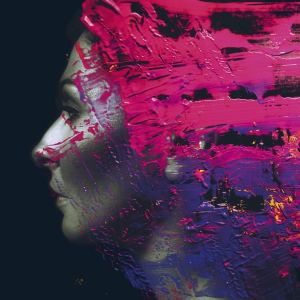
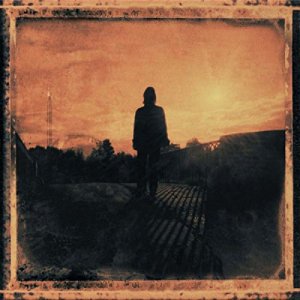
Steven Wilson: Hand.Cannot.Erase
Steven Wilson’s Hand.Cannot.Erase caused the biggest stir in progworld in 2015. It was his breakthrough album, catapulting him into the mainstream, and deservedly so. That said, the subject is so emotionally harrowing (the true story of a young woman who died alone in her apartment, and wasn’t discovered for three years) that I have a hard time enjoying it.
Yes; Progeny
A box set that contains recordings of seven concerts from 1972. Yes was touring in support of Close To The Edge, and this is a fascinating document of a young and hungry band at the peak of their powers. Yes, the setlist stays constant, but it is fun to hear how their performances evolved over a short period of time, and how they dealt with onstage setbacks, like a local FM radio station taking over their PA system!
Once again, I easily could have doubled the length of this post. I left off excellent albums by Bruce Soord, Downes Braide Association, Echlyn, Izz, and Perfect Beings, among others. Let us know what your Best of 2015 list is in the comments!
We’re continuing our look back at the decade that is ending in a few weeks with a fond recall of 2013. It was another exceptional year in terms of high quality music, and I have selected fifteen albums that represent just how good that year was for lovers of prog and rock. Once again, my choices are in alphabetical order.
The Beatles: Bootleg 1963
Okay, this is certainly not prog, but the Beatles were the greatest rock group of all time. This is a huge collection of studio outtakes from 1963 that was initially available for purchase for only a few hours on iTunes. Why only a few hours? Because the 50 year copyright on them was set to expire if they weren’t made commercially available. Once they were put on the marketplace, their copyright was safe, and the music label could continue to make money off of them.
That said, these tracks are a fascinating glimpse into how good John, Paul, George, and Ringo were from the beginning of their recorded career. They hit their harmonies effortlessly, and their musicianship is excellent. This collection is now available on Apple Music, and it is worth checking out if you are a even a casual Beatles fan.
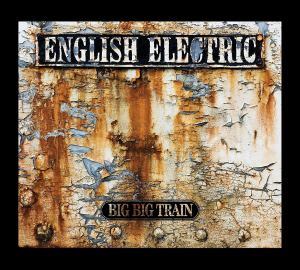
Big Big Train: English Electric Part 2; Full Power
Big Big Train followed up 2012’s English Electric Part 1 with English Electric Part 2, which was, in some fan’s eyes, even better. It opens with the propulsive “East Coast Racer” and includes the tender “Curator of Butterflies”. “The Permanent Way” pulls together several themes from the two parts beautifully.
Later in 2013, BBT released a deluxe 2-disc edition of Parts 1 and 2 with a changed running order and extra tracks entitled Full Power. I suppose it is the definitive edition, but I prefer the original separate albums.
Cosmograf: The Man Left In Space
One of my favorite albums of the decade is Cosmograf’s The Man Left In Space. It is a concept album about the anguish an astronaut goes through as he realizes he will not be returning home from his space voyage. Great music, sensitive lyrics, and snippets of audio conversations create a claustrophobic soundscape that is redeemed by the uplifting finale, “When the Air Runs Out”.
David Bowie: The Next Day
After he released Reality in 2003, Bowie announced he was retiring from music. Ten years later, The Next Day appeared. Reality was a career high point, but The Next Day is a worthy successor. In it, Bowie explores all of his eclectic musical interests, and delivers a terrific set of songs. The album cover is simply a vandalized version of his 1978 classic, “Heroes”, as if to say, “What’s past is past. Listen to me now.”
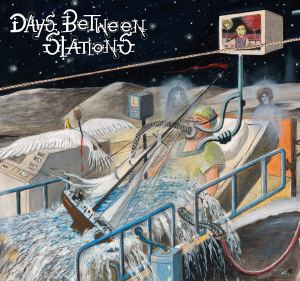
Days Between Stations: In Extremis
Los Angeles-based Days Between Stations released their excellent second album, In Extremis in 2013. It features Colin Moulding of XTC fame on the catchy “The Man Who Died Two Times”, and “Eggshell Man” is one of the best epics of the decade.
Ludovico Einaudi: In A Time Lapse
Einaudi is a classical composer and pianist, and In A Time Lapse is a superb collection of his minimalist-tinged compositions. Unabashedly melodic and romantic, this album is a beautiful listening experience.
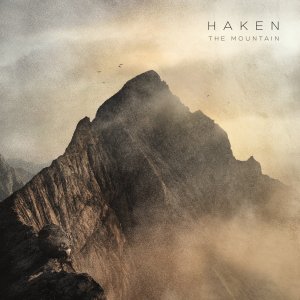
The Mountain was Haken’s third album, and it was a breakthrough. Every song is excellent, and “Paraidolia” is one of the best in their entire catalog. This album was my favorite of 2013 (yes, I liked it even more than BBT’s Full Power). Today, Haken is one of the top bands in progworld. This album shows why they deserve all the accolades.
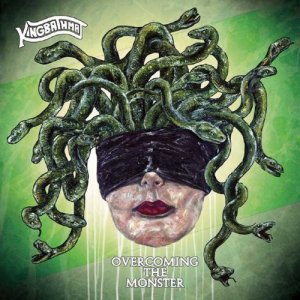
KingBathmat: Overcoming The Monster
KingBathmat is the brainchild of John Bassett, and for a while in the mid-’10s it looked like they were going to conquer the world. Overcoming The Monster is their best album, and it is a hard-driving metal/psychedelic/progressive melodic masterpiece. “Kubrick Moon” is one of the weirdest yet satisfying songs I’ve ever heard.
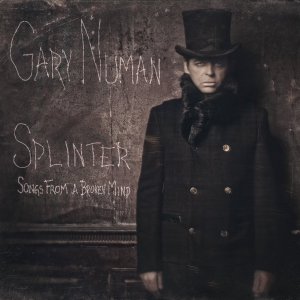
Gary Numan: Splinter – Songs From A Broken Mind
Most people in America think Gary Numan is that one-hit wonder guy with the song about cars. He’s actually had a long career, with many ups and downs, and Splinter is an incredible return to form. Trent Reznor owes a lot to Numan, as Splinter illustrates. A very strong album, performed very well. The bass is absolutely thunderous, and the hooks Numan sets up sink in and won’t let go.
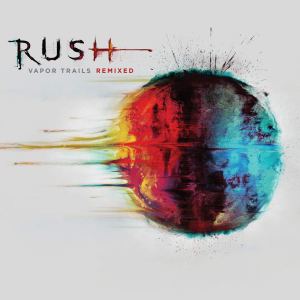
Rush: Vapor Trails, remixed
Not a 2013 album, but a welcome rerelease. The original 2002 album was greeted rapturously, because no one knew if Rush would ever perform together after Neil Peart’s personal losses. Once the initial excitement subsided, it was clear that the mix on Vapor Trails was a disaster. With this version, these fantastic songs can be heard as the band intended.
Sand
Matt Healey (North Atlantic Oscillation) released this solo album that could be another NAO set. It is a wonderful album, including an ode to Halley’s telescope (“Elegy For The Old Forty-Foot”). I’m a fan of anything NAO does, and SAND is an essential part of their catalog.
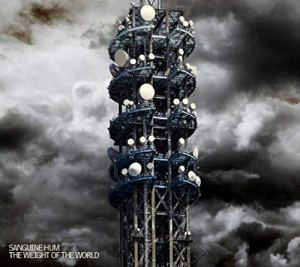
Sanguine Hum: The Weight Of The World
Sanguine Hum’s second album is even better than their excellent debut. The title track is 15 minutes of endlessly delightful pop that flies by in no time. The Weight Of The World is a career high that they have yet to surpass.
Sound Of Contact: Dimensionaut
One of the best albums of the decade. Simon Collins (son of Phil, with his father’s vocal and drum chops) and Dave Kerzner formed the creative nucleus of this band and released a terrific concept album about a being who can travel through different dimensions. “Mobius Slip” is one of the most exhilarating 20 minutes in rock. Too bad Collins and Kerzner couldn’t patch up their differences to work together again. We’re all poorer for it.
Steven Wilson: The Raven That Refused To Sing
When I first heard Steven Wilson’s opening track to The Raven That Refused To Sing, I thought, “Hmm… Early ’70s Herbie Hancock fusion with Yes.” I’m not a fan of that particular mixture, but fortunately, track 2 is one of Wilson’s finest ever: “Drive Home”. I admire him for trying new things and never sitting still musically – that’s what keeps me interested in his work.
Other significant releases in 2013: Anathema’s concert set Universal, Blackfield’s IV, The Dear Hunter’s Migrant, Nosound’s Afterthoughts, and Tesseract’s Altered State. Let us know your favorites that we missed in the comments!
As I mentioned in Part 2 of this series, 2012 is when the floodgates open for prog releases. This post features 15 albums from that halcyon year, and it barely scratches the surface! So let’s dive into the great music 2012 had for us, in alphabetical order.
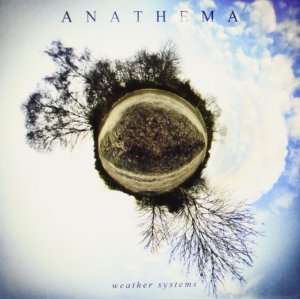
Anathema: Weather Systems
Anathema followed up the wonderful We’re Here Because We’re Here with the even better Weather Systems. Featuring a weather-related song cycle – “The Gathering Of The Clouds”, “Lightning Song”, “Sunlight”, and “The Calm Before The Storm” – Anathema produces a prog classic.
Big Big Train: English Electric Part 1
After a 2-year absence, Big Big Train returned in a big way with English Electric, Part 1. David Longdon is now fully integrated into the band, and his songwriting sparkles, particularly on joyous romps like “Uncle Jack”. One of BBT’s finest hours, ever.
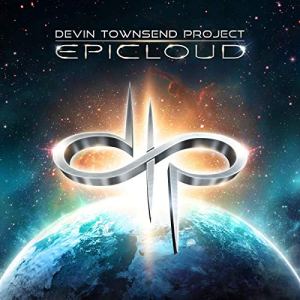
Devin Townsend Project: Epicloud
All of the disparate styles Devin Townsend played with on previous albums is synthesized in this masterpiece. Power pop, metal, gospel -it’s all here in one big beautiful mess.
Echolyn: Echolyn (“Windows album”)
This album topped a lot of critics’ Best of 2012 lists, and rightly so. Every song is perfect, and “Some Memorial” may be the best they’ve ever done. This is a classic prog record that will still be lauded decades from now.
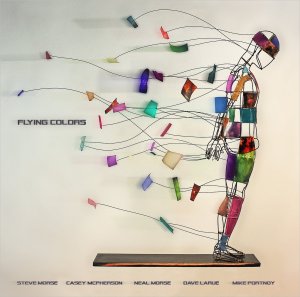
Flying Colors
This effort from the prog supergroup comprised of Neal Morse, Mike Portnoy, Steve Morse, Dave Larue, and Casey McPherson was a very impressive debut. Everyone participating subsumed his personality in service to the group, and the result was a lot of fun – reminiscent of the best of ’70s arena rock.
John Galgano: Real Life Is Meeting
This is a somewhat obscure gem by John Galgano, the bassist of Izz. It’s a quiet, beautiful, philosophical collection of songs that is truly charming. There is a lot of depth and solace in these songs.
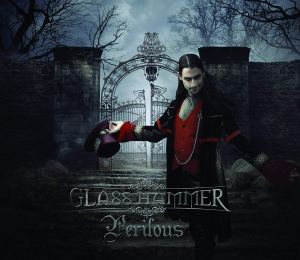
Glass Hammer: Perilous
Glass Hammer continued its winning streak with the third album to feature Jon Davison. Perilous is one long song chronicling the adventures of two children trapped in a, well, perilous land populated by malignant beings. The music is appropriately exciting and compelling.
It Bites: Map Of The Past
John Mitchell (Arena, Frost*, Lonely Robot) took over It Bites’ reins for this marvelous concept album about a young man confronting his past and his tortured relationship with his father. “Wallflower” is one of his finest songs.
Arjen Anthony Lucassen: Lost In The New Real
Arjen Lucassen (Ayreon, among many other projects) released this solo effort in 2012, and it featured his love of science fiction themes. Many years in the future a cryogenically preserved man is revived and brought up to date with all the changes that have occurred in society while he was frozen. Along the way, Arjen gives us a history of rock while an evil Rutger Hauer narrates. Great fun.
Mystery: The World Is A Game
I’ve written a full post on this excellent band, and this is one of their best albums. It’s a perfect introduction to Mystery if you’ve never heard them. “Another Day” is a 19 minute song that ranks with the best epics in the genre.
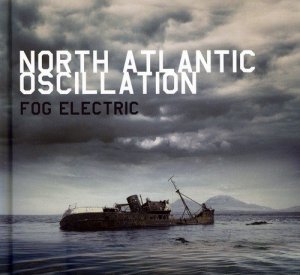
North Atlantic Oscillation: Fog Electric
The second album by Kscope’s North Atlantic Oscillation still has their impossibly angelic vocal harmonies from the debut, but there is an undercurrent of unease in songs like “Savage With A Barometer”. Utterly unique sound, and one of the best albums of the decade.
O.S.I.: Fire Make Thunder
The fourth (and final?) album from the Office Of Strategic Influence. Jim Matheos (Fates Warning) and Kevin Moore (Dream Theater, Chroma Key) collaborate on another fine collection that is somewhat somber but always melodic. If you need music for a rainy afternoon, O.S.I. is the perfect choice.
Producers: Made In Basing St.
Another supergroup, this time composed of, surprise, producers. Trevor Horn, Lol Creme, Stephen Lipson, and Ash Soan (with a uncredited Chris Braide on vocals) combine to produce a wonderful pop confection. Too bad they only lasted for one album.
Rush: Clockwork Angels
In 2012, we had no way of knowing this would be Rush’s final album, but what an album to go out on. It was meant to be the soundtrack to a Kevin Anderson sci-fi novel, but it works well as a standalone work of art. Rush pulled out all the stops on their tour supporting it, and it remains a high point of their career.
Ultravox: Brill!ant
This was a complete surprise – after decades of inactivity, the ’80s synth band Ultravox reunited in 2012 and put together this terrific set of songs. It was as if they never left, still at the top of their form. If you loved Vienna and Rage In Eden, then this is a must-have album.
That’s 15 albums from 2012, and I could have added many more. District 97, Downes Braide Association, Gazpacho, Headspace, Izz, KingBathmat, Pineapple Thief, Porcupine Tree, Storm Corrosion, Threshold, Time Morse, and Yppah all released outstanding records. Let us know what your favorites of 2012 were in the comments!
In our continuing series of posts celebrating the music of the 2010’s, here is Chapter 2: 2011.
2011 was a relatively quiet year music- and prog-wise. I’ve chosen to highlight ten albums that have survived the test of time, and one or two might surprise. Once again, they are listed in alphabetical order.
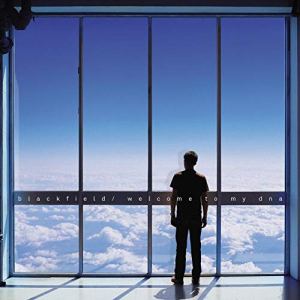
Blackfield: Welcome To My DNA
A Steven Wilson side project with Aviv Geffen, Welcome To My DNA is their third release. This was a very nice, radio-friendly collection of songs (with one terrible misstep: Geffen’s “Go To Hell”). With the benefit of hindsight, one can see the influence this project had on Wilson’s excellent To The Bone years later.
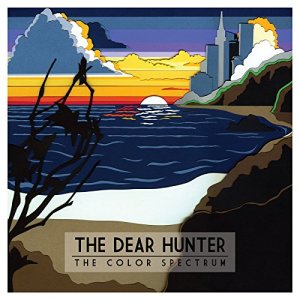
The Dear Hunter: The Color Spectrum
Casey Crescenzo took a break from his six-act arc of albums (still in progress, BTW) to record this nine EP collection of songs inspired by the color spectrum. It begins with black, and works through the rainbow to end at white. It sounds insufferably pretentious, but it works. Dear Hunter manages to master every conceivable style of rock, from hard-core industrial (black) to pleasant folk (yellow). If you missed this set, check it out. It is an amazing achievement.
Duran Duran: All You Need Is Now
Duran Duran were always far more than ’80s pinup boys. Simon LeBon is a fine lyricist, and their melodies stand the test of time. All You Need Is Now is a surprisingly strong album, where they come close to the peaks they reached in their heyday, after spending years wandering in the wilderness.
Glass Hammer: Cor Cordium
The second Glass Hammer album to feature vocalist Jon Davison, and it builds on the strengths of 2010’s If. Every track is a winner, with “To Someone” a particular highlight. Once again, the cover art is a hoot.
Neal Morse: Testimony 2
Neal Morse continued chronicling his conversion to Christianity, focusing this time on a miraculous healing of his infant daughter. As expected with Morse, the music is excellent as endlessly satisfying melodies pour forth. The bonus disc contains three of his finest compositions: “Absolute Beginners”, “Supernatural”, and the 26-minute epic “Seeds Of Gold”.
Radiohead: King Of Limbs
Radiohead releases are few and far between, so when King Of Limbs showed up in 2011, it caused a stir. The first five tracks are dominated by relentless rhythm – maybe they’d been listening a lot to Philip Glass and Steve Reich? Anyway, it isn’t until “Codex” that a real melody shows up. “Give Up The Ghost” and “Separator” close things out on a relatively gentle note.
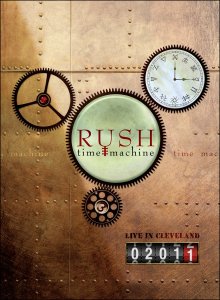
Rush: Time Machine
A DVD/CD set that documented Rush’s performance in Cleveland. Rush has released a lot of concert videos, and this is one of their best. They weren’t touring in support of a specific album, so they cover songs from every phase of their long career, and even preview a couple from the not-yet-released Clockwork Angels.
Sanguine Hum: Diving Bell
When I first heard this group, I was very excited. They managed to meld Devo-like rhythms to XTC-worthy tunes while creating a sound all their own. This was the strongest debut album of 2011, and is still a joy to listen to.
Steven Wilson: Grace For Drowning
Steven Wilson’s second solo album, and it put to rest any hopes of Porcupine Tree working together again. This was an ambitious two-disc set that ran a gamut of styles. Wilson is an inspired composer of seductive melodies (“Deform To Form A Star”), and he isn’t afraid to wear his influences on his sleeve, i.e. late-’60s Beach Boys or King Crimson. Like a lot of double albums, it might have been stronger as a single disc.
Yes: Fly From Here
Just when you think you’ll never hear anything new worth hearing from Yes, they surprise you with a strong album like Fly From Here. This one featured vocalist Benoit David, from the Canadian group Mystery, and it included Trevor Horn and Geoff Downes from Drama days. One of their best late-career efforts.
And that wraps up our musical look back to 2011. Not the most productive year with regard to prog, but just wait until 2012 – the floodgates are about to open!
Mystery’s Latest Album – 2018’s Lies & Butterflies
Now that it appears Geddy, Neil, and Alex are on permanent hiatus, what’s a devoted Rush fan to do? Fortunately, there are some excellent choices available. My top recommendation is another Canadian band, Mystery.
Led by guitarist Michel St-Pere, they have been releasing wonderful albums on a regular basis since the 1990s. As is the case with many groups in the prog genre, their lineup has changed over the years, but the high level of musicianship, top-notch production, and inviting songcraft has been consistent. Past members include drummer Nick D’Virgilio (Spock’s Beard, Big Big Train) and vocalist Benoit David (Yes).
The first time I heard of Mystery was through Tony Rowsick’s indispensable podcast, ProgWatch. He posted an excellent interview with St-Pere in April of this year (you can listen to it here), and he included lots of songs from the band’s long career. My curiosity was piqued, so I followed them on Spotify. After listening obsessively to Mystery music for several days, I went ahead and ordered hard copies of some of their albums.
Call me a throwback, but I still like owning CDs of artists that are special, if only to enjoy the artwork and reading the lyrics. Besides, there is no guarantee that a particular artist’s work will always be available via streaming.
Anyway, after listening to the entire Mystery discography, I recommend the new listener begin with The World Is A Game. It features Benoit David on vocals, and D’Virgilio on drums. Song-for-song, it is an incredibly strong collection, and it ends with one of their finest songs ever, “Another Day”.
2012’s The World Is A Game – Mystery’s masterpiece (so far)
Next, the live album, Second Home, is a very good set of songs from more recent releases, and it features Mystery’s current vocalist, Jean Pageau. Finally, their most recent release, Lies and Butterflies, continues the streak of outstanding melodic prog rock.
As I’ve already mentioned, fans of Rush should love this stuff, as well as admirers of Genesis, Pink Floyd, Dream Theater, and Neal Morse. St-Pere is a terrific player who wields his guitar with admirable restraint. His lyrics touch on contemporary issues like isolation in the midst of social media, ignorance and prejudice, finding truth in a world full of deception.
Here’s a concert video of “Another Day”. I love the joy St-Pere (on the left) radiates as his band effortlessly performs this complex piece.
[A slightly different version from the one that appeared at The American Conservative. With thanks to TAC and all concerned.–BB]
Sometime just prior to
spring break, March 1981, I sat at one of the old wooden tables in Liberty
Junior High, in Hutchinson, Kansas. The
building no longer exists, having been destroyed that same year to make way for
Liberty Middle School. The old building had charm, even in its dilapidation,
while the updated one, not surprisingly, reeks of prison. What happened to
those lovingly carved, tagged, and scarred tables at which I once sat, read,
scrawled, and thought, I have no idea. They either sold at auction or met the
same fate as the scarily swaying staircases. In the end, the bulldozer comes
for us all.
One particular March day in
1981, though, means something quite special to me. Being in detention for some
reason that now eludes me (though, I was probably in for having talked too much
in class; I never did get good conduct grades), I sat with my fellow detainees
and friends, Troy S. and Brad (yes, same first time) L. I had gone to early
grade school with each of them at Wiley Elementary, reuniting in junior high
after three years apart while I attended Holy cross Catholic school, grades
four through six. Since we’d last seen each other in third grade, our music
tastes had changed rather considerably, and I started pontificating about the
brilliance of Genesis’s 1980 album, Duke. Troy and Brad were into harder music,
and they asked me if I’d ever listened to a Canadian band called Rush? I hadn’t, I admitted, intrigued. Having two older brothers, I knew Jethro
Tull, Yes, and Genesis quite well, but neither of them had ever embraced
anything harder than Kansas. After Troy
and Brad gushed about the band, I rode my bike to the local record store
immediately following school that day and purchased Rush’s latest album, Moving Pictures.
To write that the album changed my life would be nothing less than a trite understatement. It radically altered my understanding of the world, not only by its words, but, especially, by its example. To this day, I can remember the smell of that album sleeve, glossy, thick, and oily, quite different from the cheap paper-thin sleeves prevalent among so many commercial albums. With three kinetic photos of the band members on the right side of the sleeve, white lettering giving credit on a black ground on the left side, and all of the lyrics on the alternate side of the sleeve, I devoured every word and image. Something profound spoke to my eager and open thirteen-year old mind.




























You must be logged in to post a comment.