Tag Archives: The Cure

Spirit of Cecilia’s Best of 2024

Greetings, music lovers and readers of Spirit of Cecilia! 2024 is fast coming to a close, and the SoC crew would like to share their favorite albums of the year. There was a lot of great new music, terrific deluxe reissues, and releases from old favorites. Hopefully, our lists will lead to some albums you will love as well.

Brad: Tad, thanks for starting us off and inviting everyone to participate.  Always great to write with you!  I’ll just start with an alphabetical listing of my favorite releases of 2024:

  • “Dogs” by Pink Floyd, as done by Tim Bowness and Giancarlo Erra
  • Airbag, The Century of the Self
  • BBT, Flare on the Lens
  • BBT, The Likes of Us
  • Bruce Soord, Caught in the Hum
  • David Gilmour, Luck and Strange
  • Frost*, Life in the Wires
  • IZZ, Collapse the Wave
  • Tears for Fears, Songs for a Nervous Planet
  • The Bardic Depths, What We Really Like in Stories
  • The Cure, Songs of a Lost World
  • The Pineapple Thief, It Leads to This
  • The Pineapple Thief, Last to Run EP
  • The Tangent, To Follow Polaris
  • Tim Bowness, Powder Dry

And, I’m not even including vital re-releases such as the deluxe edition of Synchronicity by the Police; Fear of a Blank Planet by Porcupine Tree; Spectrum ‘97 by Phish; Lament by Ultravox; Bursting Out by Jethro Tull; or This Strange Engine by Marillion.

If I go just by my playlist numbers, I’d have to list “Dogs”, Frost*, IZZ, and, especially, The Cure.  In fact, since The Cure first arrived, I’ve listened to almost nothing else.  But, I went through such phases with Frost* and IZZ, too.  And, really, I can’t recommend the single of “Dogs” highly enough.  Bowness and Erra give it just the right beauty and creepiness that a proper Pink Floyd remake so desperately needs.

I must admit, though, I’m totally against the lyrical content of “Dogs.”  I can’t believe our entrepreneurs are so bloodthirsty as this.  Like or despise Elon Musk, for example, as you will, but he’s not bloodthirsty.  In fact, if anything, I think he’d hate to “be dragged down by the stone.”  And, he would hate to drag anyone else down by the stone.  He definitely wants to win, but he wants to win fairly, by the rules established by society (unless all of society is corrupt, but let’s hope that Pink Floyd isn’t so Marxian as this).  Maybe I’m wrong, however.  Perhaps, I’m deaf, dumb, and blind, and that I keep pretending. . .  Is this how Roger Waters saw his friendship/adversarial relationship with David Gilmour?  If so, so very sad.  For my money, give me Phish’s “Bouncing Around the Room” as the touchstone song dealing with entrepreneurship.

To be certain, though, I’m also a bit biased on the whole The Bardic Depths release.  Given that I wrote the lyrics for it, I’m quite taken with it.  Dave Bandanna did an amazing job in composing the music.  So brilliant, so beautiful, so mystical, so joyful.  Dave brings every song to life, and I’m always stunned to hear my own words given form and made manifest.

And, then, what’s not to love about the new David Gilmour?  In fact, when he sings with his daughter, Romany, I’m completely taken.  So much better than Dogs, co-written with Roger Waters..  Especially if you listen to something as glorious as “Between Two Points.”  I would give anything to have such a relationship with my daughter that I could write something so gorgeous with her.  Romany over Roger any day.

And, seriously, this brings me to all the incredible re-releases of 2024.  Oh, to be “Prince Caspian” and float upon the waves.  Oh, to be Prince Caspian.  Dang, Phish was simply brilliant when they were.

I also want to single out Airbag.  I don’t know their politics, but it strikes me that with this release, especially, they’re trying to combat conformism and cancel culture.  I could be wrong, but I’m willing to take a chance that this is a brilliant counter-cultural masterpiece.   One that shakes the conformists of the world to their very foundations.  And, who wouldn’t love that bass playing and interplay with the drums?  Genius.  Thank God for the non-conformists of the world.  Airbag sounds like Pink Floyd, in terms of legacy, but they are completely their own band.

If Airbag sounds anti-political, Robert Smith on the new Cure album, sounds confessional.  Bless me, Father, I, Robert Smith, have sinned, and something wicked this way comes.  Truly, the latest The Cure album is a masterpiece, a true sequel to Pornography and Disintegration.  My love and respect for Smith only grows with age.

If Airbag is countering the world and Smith is confessing for us all, then IZZ is proclaiming the inherent goodness of each one of us.  I’m not sure what the lyrics are all about on Collapse the Wave, but I feel that John Galgano and Laura Meade are asking us to look at our best selves.  Rather than be dour, they find wonder.  As far as I can tell, IZZ has been reading a lot of T.S. Eliot and a lot of John Paul II.

Tad: What a great list, Brad! Yours and mine overlap quite a bit, since we are often of like mind when it comes to music. Here is mine, based on how often I listened to each album:

8. Kyros – Mannequin

7. IZZ – Collapse the Wave

6. Jeff Johnson/Phil Keaggy – Spinning On a Cosmic Dime

5. Tears For Fears – Songs For a Nervous Planet

4. Airbag – The Century of the Self

3. Bardic Depths – What We Really Like In Stories

2. The Cure – Songs of a Lost World

1. Frost* – Life In the Wires

I’ve been a fan of Kyros’ music for several years now. They wed 80s sensibilities to 2020s expertise. Mannequin is another great collection of pop/prog.

Like you, I admire IZZ enormously. As far as I can tell, the lyrics to the title track are about quantum physics and faith. Who else but the Galgano brothers could pull off such an ambitious song? They definitely succeed.

Jeff Johnson and Phil Keaggy have collaborated several times before, and Spinning On a Cosmic Dime is the most lighthearted and fun of their albums. Johnson is a master of all keyboards – acoustic and electronic, while Keaggy is one of the finest guitarists alive today. When they get together, magic happens.

The Tears For Fears is primarily a live album, but the five new studio tracks are some of the best songs they’ve ever recorded.
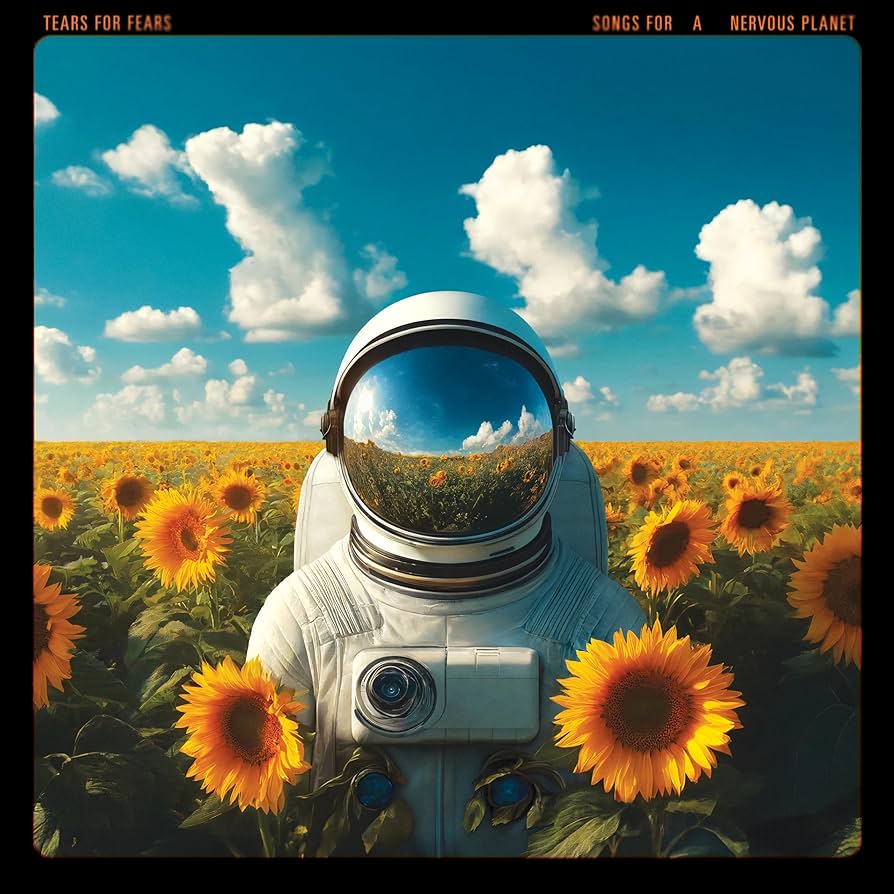
You’ve already said everything I could want to say about the Airbag album. They continue to impress me with their social commentary, and their instrumental chops are outstanding. Their previous album, A Day At the Beach, is still my favorite, but The Century of Self is really, really satisfying.

The Bardic Depths’ new one is also a great album. Listening to it is like having a beer with C.S. Lewis, Tolkien, and the other Inklings. To my ears, it’s the most musically ambitious set of songs from TBD, and I have thoroughly enjoyed listening to it throughout 2024.

The Cure’s album came out of nowhere as far as I was concerned, and I approached it with some trepidation – there’s nothing worse than an old favorite trying to recapture the spark and failing miserably. Robert Smith et al. came up with a fantastic album that easily holds its own with their previous best. Amazing!

Frost*’s Life In the Wires is far and away the most-played album of 2024 for me. I have yet to tire of it, and every time I listen to it I find some new and delightful detail. Jem Godfrey sings all of the vocals on this one, and he is terrific. The beautiful melodies pouring out of my speakers are such a bountiful feast for my ears. The story is fascinating as well – a young man rebels against a world run by AI when he hears a pirate radio broadcast. After tracking it down to its source, it turns out to be an automated program. But then things get weird – he seems to sacrifice himself to become the new source of the radio broadcasts and spark an awakening of humanity. At least that’s how I read it. 

So that’s what I spent my time listening to this past year. I also loved the Ultravox Lament box set and the Talk box set by Yes. It’s nice to have this often overlooked album get the treatment it deserves. 

Brad: Yes, Tad, thanks for the reminder about Yes’s 30th anniversary edition of Talk.  The last of the Trevor Rabin-Yes era albums, it’s simply beautiful.  Clearly, the band was going for a progressive AOR sound at the time, but the production is so very clean.  I love the packaging as well for it.  Not overblown, but a solid release in terms of presentation.  Don’t get me wrong, I love big box sets like Lament by Ultravox, but sometimes the smaller packaging works just as well.  For me, Marillion’s and Jethro Tull’s releases–in terms of packaging–hit the sweet spot.  Basically small books that fit perfectly on a book shelf.

Thanks, too, for the story about the new Frost*.  I’ve listened to it numerous times, but I’d not figured out the lyrics.  What a great story!  Now, I’ll listen to it with different ears.

I’m so glad we agree on The Cure, on Airbag, and on Frost*.  Three essentials of the year.

As it turns out, The Cure also released their brand new album as a live release–Songs from a Live World–as well.  Gorgeous.  Seriously, what else can Robert Smith do?  He simply captures the mood of every era in which he finds himself.  And, I, for one, am so fortunate to be alive when Robert Smith is alive.

I would also note that 2024 is an important anniversary date.  Kevin McCormick’s gorgeous Squall came out in 1999, a mere 25 years ago!  Even the rather snobbish All-Music recognized the brilliance of Squall.  As far as I understand it, McCormick is working on a follow-up CD.

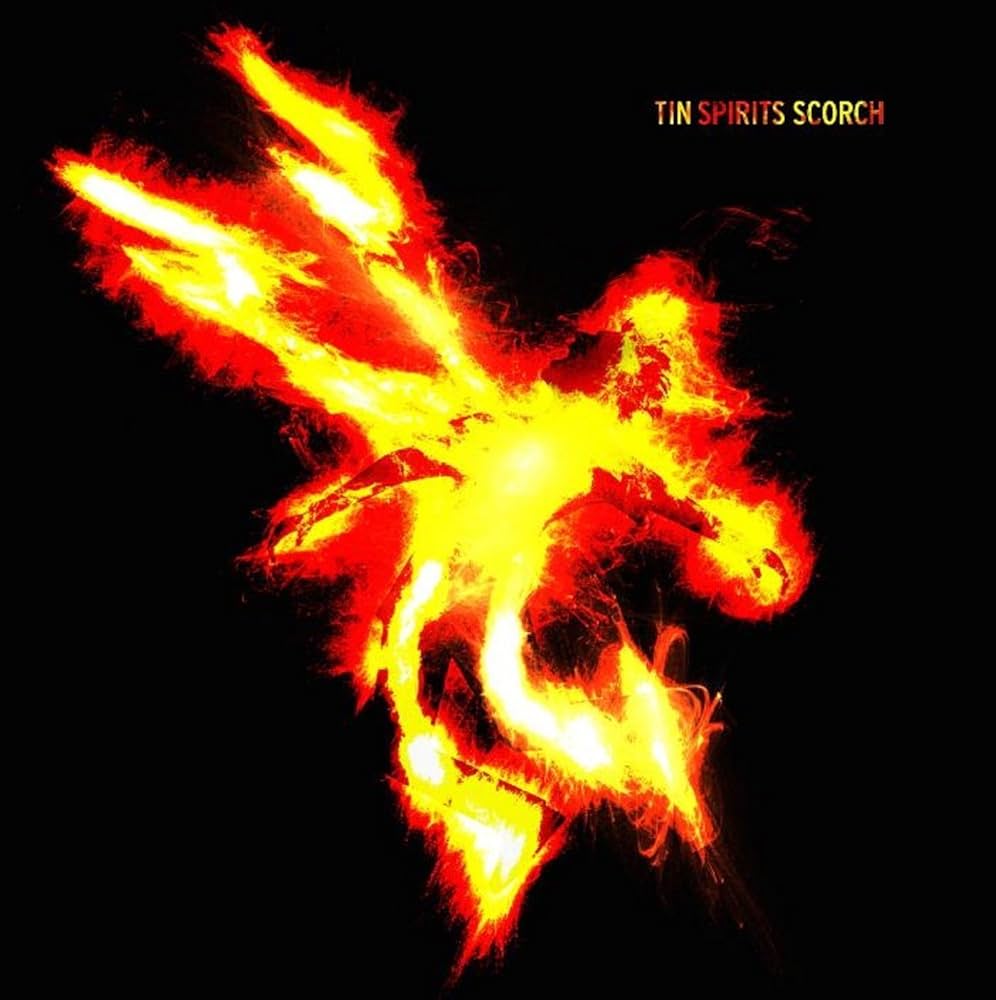
It’s also the ten-year anniversary of the genius Scorch by the Tin Spirits.  A favorite album.  Also, ten years ago, appeared the brilliant Demon by Gazpacho and Anathema’s mediocre to good Distant Satellites.  
But, Holy Moses, it’s not just about Tin Spirits.  If we go back to the twentieth anniversary of releases, 2004, we get to The Pineapple Thief, Variations on a Dream; Glass Hammer’s Shadowlands; Proto-Kaw, Before Came After; The Tangent, The World We Drive Through; Ayreon, The Human Equation; and Marillion, Marbles.  Sheesh, what else do you want?

Carl: Full and necessary confession: 2024 turned out to be year in which I listened to little new prog rock, or rock of any kind. Not for any lack of new and worthy rock music, but 2024 also turned out to be the year in which I fell quite a ways down The Vinyl Rabbit Hole. I’ll likely say more about that in a separate post on my favorite jazz of 2024, but suffice to say that I’ve been haunting various thrift and record stores. 

My most listened album of the year was released 30 years ago: Seal’s second album (1994), titled, inconveniently enough, Seal—just like his 1991 debut. A deluxe edition was released, with a remastered version of the album (fantastic), as well as alternative versions of the songs (also wonderful). I listened to this album countless times when it first came out, and I have never tired of it (or of his first or third, titled Human Being). Why has it resonated so strongly with me? I’m not entirely sure, but for me it is a perfect pop/rock album, and it sits squarely in the middle of a trio of albums that I continue to think is one of the finest three-in-a-row rock/pop album families you’ll ever hear. 

I enjoyed the new albums by Frost* and Pineapple Thief and if I listened more closely, I’m confident that I would really like them. Both bands have consistently produced accessible, intelligent prog rock of the highest order, so I plan to revisit them in the weeks to come. 

Caligula’s Horse’s Charcoal Grace is mysteriously but aptly titled, as the music has a dusky, burnt quality that also shines with many moments of delicate beauty. This Aussie band has been a longtime favorite, and this album adds to a discography rich with ridiculous chops and vocals at the service of exquisitely crafted songs. A keeper. 

Keep Me Fed by The Warning, the talented sister trio out of Mexico, is (as they say) a banger. Or a series of bangers, the sort of swaggering, catchy hard rock—with sublime harmonies—that has been sorely missed in recent years. For my money, I prefer their live versions a bit more; they are dynamic performers whose young ages (20 to 25) defy (even bely) the band’s evident maturity and exuberant zest. 

Speaking of all female bands, a somewhat guilty pleasure this year has been watching videos of the mind-melting Japanese metal band Lovebites. They have been compared to Iron Maiden and similar metal bands, which makes it all the more strange as I have never cared that particular genre. All five of these ladies are virtuosos, and Miyako Watanabe, one of the two guitarists, was a classical pianist until her late teens, when she picked up electric guitar for the first time. The live album Memorial For The Warrior Souls (2024) and the studio album Judgment Day (2023) are unrelentingly fast, in-your-face, melodic, and—yes—tremendous fun. Check them out live on YouTube and prepare to be amazed.

Myles Kennedy might just be the hardest working and (by all accounts) nicest rocker out there today, and his third solo album The Art of Letting Go is classic Kennedy—powerful, assured, dynamic, moving—with some nice little twists. His is one of the finest rock voices of the past couple of decades, but his guitar playing and song writing are just as polished, varied, and inviting. 
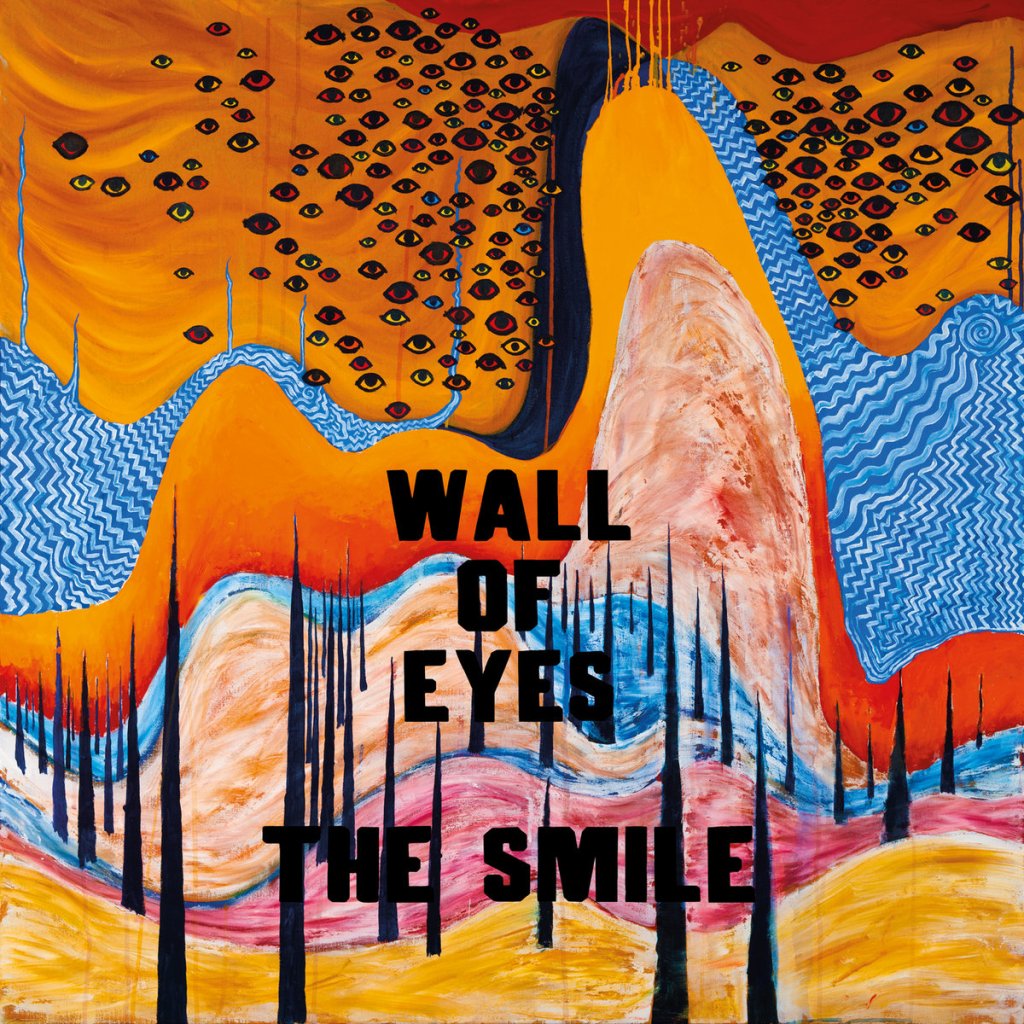
The Smile is like Radiohead if it didn’t have all of its members–and if it released albums more quickly. Which is what it is, with Thom Yorke (vocals, guitar, bass, keys) and Jonny Greenwood (guitar, bass, keys) joined by Tom Skinner (drums). Wall of Eyes (released in January) and Cutouts (same session, released in October) are quirky, dark, strangely fun, often weird, always melodic, and never, ever boring. Yorke’s voice is timeless and Greenwood’s playing, which is always so distinctive, is a revelation. And this album comes across to me as even more jazz influenced than their debut—but never in a direct, obvious way. Great stuff!

One of my favorite country artists, Dwight Yoakam, is back with his first new album in almost a decade. Brighter Days finds the Bakersfield legend firing on all cylinders, apparently reenergized by marriage and a young son. Dwight sounds half his age (68) and his band, no surprise, is tight and razor sharp. Every cut is worth the price, with the deceptively simple “I Spell Love” getting a nod from this fan. 

Speaking of artists aging well, Van Morrison continues his remarkable output, with three albums: Beyond Words, New Arrangements and Duets, and Live at Orangefield. The first is all instrumental and is enjoyable, with some unexpected quirks. The second is a solid collection, featuring collaborations with Kurk Elling, Joss Stone, and Willie Nelson, all to good effect. But the live album, recorded a few years ago, is a revelation, captures a mid-70s Morrison at the top of his powers, featuring (as usual) a crack band and some other-worldly backing vocals. It rewards repeated listens and is a notable testament to Morrison’s brilliance as both a singer and songwriter. 

Brad: Carl, excellent choices.  I, too, like The Smile, and I, too, (thanks to you) listened to a lot of Seal II as well!  I also bought Trevor Horn’s memoir, but I have yet to read it.

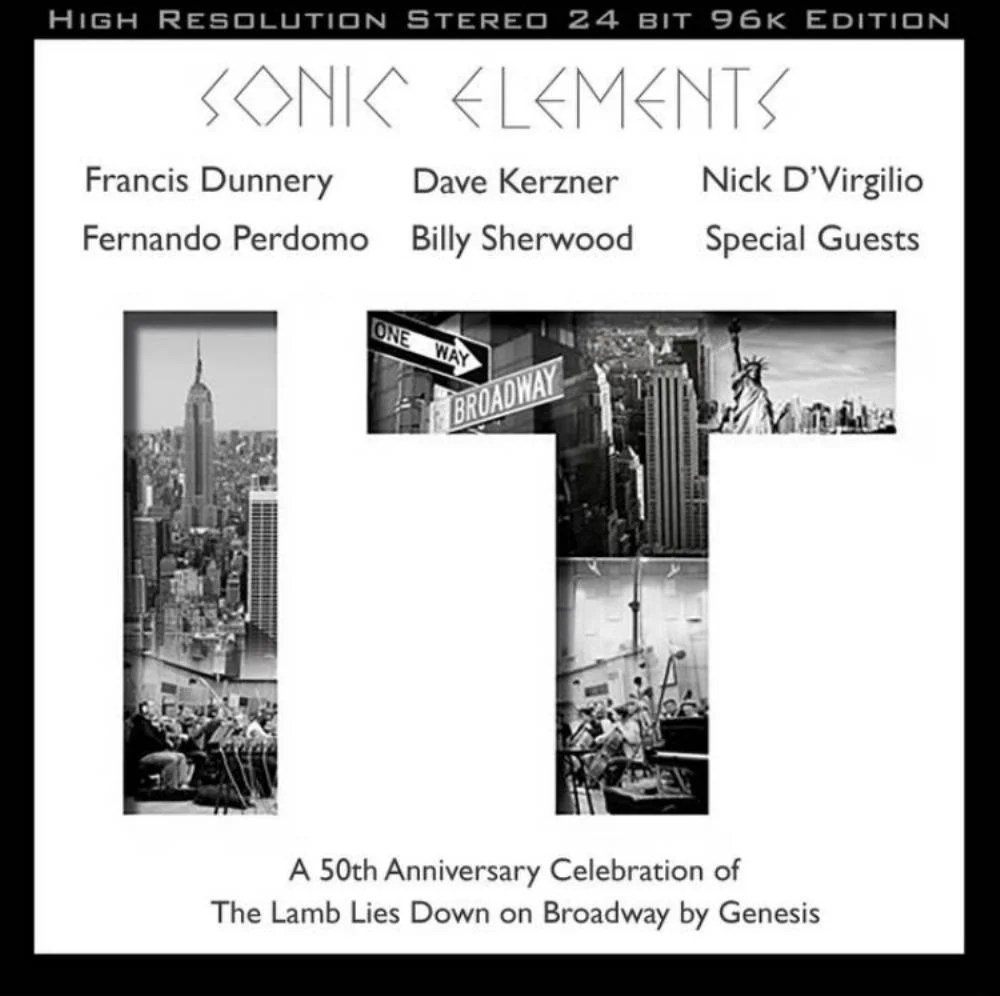
Well, folks, this pretty much wraps up 2024 for us.  We have a lot to look forward to in 2025.  It looks like The Cure will be releasing more music, there’s a new and final season of Stranger Things, and we’ll be celebrating the 50th anniversary of The Lamb Lies Down on Broadway by Genesis.  Not only is there a 50th anniversary edition of The Lamb coming out, but the brilliant Dave Kerzner has re-recorded the entire album and is offering it as a 3-cd set plus hi-res download for only $49.99, plus shipping.
Big Big Train will be touring the U.S, and IZZ will be performing some stripped down shows–maybe even in Hillsdale!

I’m sure we’ll continue to give our hard-earned money to The Burning Shed and Rita Kay Drew’s The Band Wagon USA.  I highly recommend supporting both of these truly excellent business enterprises.  Amazingly enough, each is competitive with Amazon, even with overseas shipping costs.

Tad, Carl, Kevin, Erik, and I wish you all a Merry Christmas (remember, we’re only on day three of twelve), a Happy Hanukkah (remember, we’re also only on day three!), and Happy New Year, everyone!
The Cure’s Disintegration: An Appreciation

disintegration

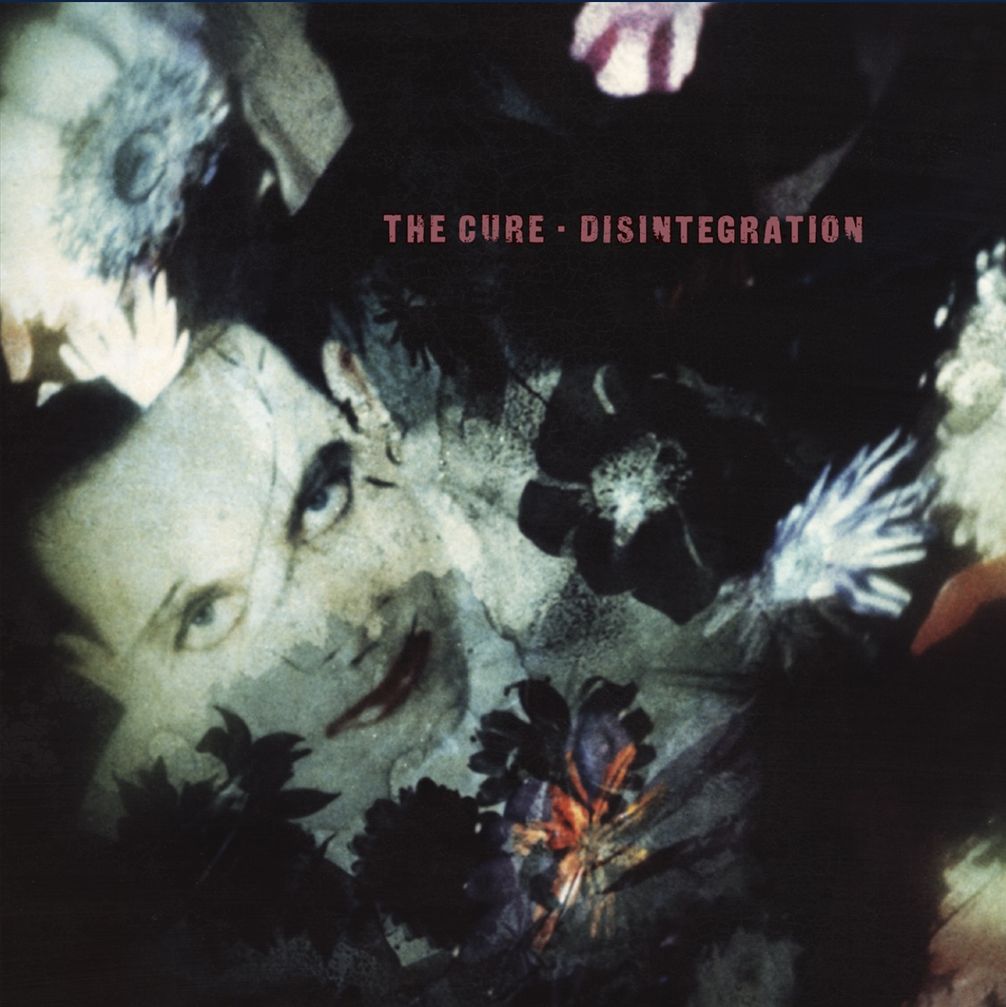
Greetings, Spirit of Cecilia readers! In this post, Brad Brizer and Tad Wert discuss their love for another classic album – in this case, The Cure’s Disintegration.

Tad: Brad, we’re reviewing this album at your suggestion, and I’m glad we’re giving it its due! I have to admit that Disintegration slipped by me at the time it was released. I was listening to the B-52s’ Cosmic Thing, Don Henley’s The End of Innocence, Paul McCartney’s Flowers In The Dirt, Todd Rundgren’s Nearly Human…in other words, a lot of “pop” music. Up to that point, the only Cure album I had listened to extensively was 1985’s The Head On The Door

However, many years later I eventually caught a bug that only The Cure could fix (did you catch that? 🙂 and I dove into their entire catalog. Disintegration is definitely a peak of their long career. For me, it’s rare that an album creates an overall mood and atmosphere as consistently good as Robert Smith and company do with this album.

Brad: Dear Tad, thank you so much for agreeing (happily, I take it!) to review Disintegration.  Ever since it came out–way back in 1989–I’ve been in love with the album.  Indeed, from my first listen, it grabbed me rather hard and has held on for thirty-five years.  It is, I think, the proggiest of The Cure’s albums, which helps explain why I like it so much.  A kind of pop-prog or prog-pop, in the vein (though sounding nothing like) Pet Sounds by the Beach Boys or Skylarking by XTC.

The Cure is also famous for truly poppy songs–such as “Friday, I’m in Love.”  I like these songs, but I don’t love them.  These are almost entirely absent from Disintegration, which is another plus to my mind.  I definitely much prefer a song like “Disintegration” to “Friday, I’m in Love.”  I’d be pretty disappointed if the former didn’t exist in my life, but if I never hear the latter again, I won’t be upset.

Even the poppier songs on Disintegration–such as “Love Song”–aren’t that poppy, and they fit perfectly into the flow of the album.  The album is almost perfectly produced, and the track order allows for the album to build and build (more on this in a later comment).

Again, I love this Disintegration as an album, and I always include it in my top 10 favorite albums of all time, along with several by Rush, Talk Talk, Kate Bush, Yes, Genesis, and Tears for Fears.

The album first came out in May 1989, at the very end of my junior year of college, and I was introduced to it by my great friend, Ron Strayer, then a student at the University of Kansas.  We had been debate partners throughout high school, and we often shared our loves in common–science fiction novels, movies, and music.  Ron’s tastes were always a little more poppier (in the alternative/college scene), and mine were always proggier (toward Genesis, Yes, etc.), but we mixed well.

This is, of course, the 35th anniversary of the album, but on the 20th anniversary, Roger O’Donnell of The Cure wrote an 11,000 (!!!) word reminiscence–complete with lots of great photos–of the making of the album.

I will admit, I’ve read this through twice, and I find it an amazing story.  A weird story, but an amazing one.

Tad: Brad, thanks for sharing O’Donnell’s memoir of the recording of Disintegration. I love learning about the background of great albums. One thing he mentioned, and I kind of agree with, was his disappointment with the mastering – he says it sounded compressed and flat. He suggests that the live versions recorded at Entreat Plus (available on the 3-disc Deluxe Edition) are better representations. I don’t know about that, but the live versions are very good – a more open sound.

Okay, let’s discuss the songs. The one track that I absolutely love is “Lullaby”. Referring again to O’Donnell’s piece, I was surprised to learn that the band had all of the instrumental tracks completed before Robert Smith sang any lyrics. That means they had no idea that “Lullaby”, with its bouncy melody would end up being such a creepy song about spiders and death! Still, it is my favorite song on the album.

I also love the majestic opener, “Plainsong”. It is a perfect mood-setter for the entire album, with its massive, dirge-like chords that never relent. “Lovesong” is a nice respite from all the gloom, but I prefer the darker songs. I especially like “Prayers for Rain” – it slowly builds and builds into a beautiful edifice of sound. “Homesick” is one of the prettiest songs The Cure ever recorded, and “Untitled” is a wonderful closing track. It sounds like a musical postscript to a long letter, if that makes sense. [Brad: yes, this makes perfect sense]

I’m looking at the track times of these songs, and I never realized how lengthy they are! “Lovesong” at 3:29 is the shortest, while half of them are longer than 6 minutes. It’s a credit to the strength of the songs that I never feel like the album drags or is too long.

Brad: Excellent response, Tad.  It’s funny (in a strange kind of way), I just finished Steven Hyden’s This Isn’t Happening: Radiohead’s Kid A . . . and I loved it.  

But, it struck me several times in reading the book that when The Cure is experimental–especially as they were with Disintegration–they’re as innovative as the best of them.  

You reminded me in email about our three-way conversation three years ago about whether or not The Cure were prog.  In some ways, bands like The Cure and Radiohead are beyond prog.  They simply are.  They’re unique, and the music they create, overall, transcends musical boundaries.  

Much of what The Cure has written has been very much in the pop vein, but much of it is just weird and experimental and wonderful and unique.  One of my favorite collections is The Cure, Join the Dots, a four-disk exploration of their b-sides.  Many of the b-sides are straight-up pop, but several are really experimental and proggy.  Needless to write, The Cure’s b-sides would be almost anyone else’s a-sides.

Back to Disintegration.  I’ve never noticed the mix as sounding flat or compressed, but I do love the dark consistency of the album.  From the opening track, “Plainsong,” to the final track, “Untitled,” it feels as though we’re barely breathing–perhaps just on the surface of a lake, grasping for air.  There’s a brilliant suffocation to the production of the album.  The album, in some mysterious way, just feels “alive” but, again, grasping.

I wonder if Disintegration just happens to be the last of the great analog recordings, while digital would become the norm after 1989?  I have no idea–just a thought.

Agreed, though, that The Cure sound amazing live.  I’ve never seen them in concert in real time, but I own all the DVD/Blu-ray concerts the band has released, and they are among my favorites.  Again, the pop songs are fun, but it’s the more intense, experimental songs live that really grab me.  I love watching the interplay of the band members, especially on the more complicated songs.

Earlier, I mentioned how much I love the flow of Disintegration.  The track order seems, in large part, to make this album.  You’re absolutely right to call much of it “dirge like.”  Again, I would call it grasping for life, perfect headphones in a dark room kind of music.  

I especially appreciate the sequence of the second half of the album: “Fascination Street” to “Prayers for Rain” to “The Same Deep Water as You” to “Disintegration” to “Homesick” to “Untitled.”  It’s as dark as dark can get, but so relentlessly driving.  Even the one moment of hope, when it starts to rain at the beginning of “The Same Deep Water as You,” and after “Prayers for Rain,” begs the question: did our prayers get answered only to have us drown?

Even the transition from “The Same Deep Water as You” to “Disintegration” is treacherous.  After all, the couple seems to die kissing in the former, but in the latter we have:

Yeah, I miss the kiss of treachery

The shameless kiss before I feed

The stench of a love for younger meat

And the sound it makes when it cuts in deep

The holding up on bended knees

The addiction of duplicities

As bit by bit, it starts the need

To just let go, my party piece

Brutal.  And, together, the two songs take up nearly 18 minutes of the album.

Tad: Brad, thanks for making me aware of Join The Dots; now I have something else to add to my wishlist!

I agree with you that The Cure is best when they aren’t trying to be anything except experimental. And your Radiohead comparison is most apt. I originally thought The Head On The Door and Kiss Me, Kiss Me, Kiss Me were better than Disintegration, but over time I’ve reversed my opinion. On the first two, I get the feeling they are deliberately striving for a more pop sound, while on Disintegration, they had no plans to make a bestseller (if O’Donnell’s memory can be trusted!). I hated Kid A when it first came out, thinking it was pretentious and noisy. Now, it is my favorite album of theirs.

You also capture the same feeling I have when I listen to Disintegration – it is almost suffocating in its density. I mean that in a good way, believe it or not. All of its songs are of a piece, and it is one of those albums that is an album – every track adds to the whole, and the sum is much greater than its parts. In this age of streaming, I don’t believe artists think in terms of albums any more – except for proggers. Maybe that’s why you and I are so enamored of that genre; it’s still creating suites of songs that should be listened to as albums, and not as separate tracks.

Well, my friend, I think we’ve done The Cure’s Disintegration justice. As the years go by, it seems to gain in stature, and rightfully so. And to our Spirit of Cecilia readers, thanks so much for stopping by. If you have any suggestions for what you’d like us to discuss, let us know in the comments!

A Symposium on The Cure: Prog or Something Else?

Readers of Spirit of Cecilia, we have a special treat for you: not a dialogue, but a full-fledged, three-way symposium! The topic: Is the Cure a prog band or not? Join Editor-in-Chief Brad Birzer, Tad Wert, and the brilliant Kevin McCormick to learn what they concluded.

Brad: Tad and Kevin, I’m in the mood to talk about The Cure!  Granted, in the middle of the COVID crisis, “The Cure” could mean a lot of things, not all of them pleasant.  But, I mean specifically the English rock band, led by everyone’s favorite mischievous trickster, Robert Smith.  That guy with huge teased hair, smeared lipstick, and boot-like tennis shoes.

Though identified and remembered mostly as a Goth and a post-punk New Wave group, The Cure always employed progressive rock elements rather effectively in many of their songs and, sometimes, throughout the entirety of some of their albums.  Some of this prog influence, of course, came from the band’s love of minimalism, drone/wall of sound, and Eric Satie. 

Admittedly, because of my prog obsession, I want The Cure to be proggish!  So, I might be reaching here.  But, it’s really hard for me to listen to album such as their 1989 masterpiece, Disintegration, and not think prog.

If pushed, I would happily rank that album in my top 10 albums of all time, sitting near Spirit of Eden, Laughing Stock, Moving Pictures, Songs from the Big Chair, Skylarking, Selling England By the Pound, and Close To the Edge. Every song on Disintegration fits perfectly with every other song on the album, and it makes for a wildly effective album in its consistency, art, and beauty.

In hindsight, Smith has claimed Disintegration to be the middle of a trilogy, beginning with 1982’s Pornography and ending with 2000’s Bloodflowers. If a trilogy isn’t proggy, nothing is!

Of course, much of The Cure is really clever pop as well.  In fact, despite having a distinctive sound, The Cure are about as diverse–when it comes to style–as any band over the past fifty years.

Tad: Okay, Brad, I’ll tentatively  accept your assertion that The Cure are prog, even though it never occurred to me until you and I made each other’s acquaintance! Even though I was a huge British music fan in the ‘80s, I was a little late to the Cure party. I think it was because my first exposure to them was hearing “The Lovecats” on the radio and I took an immediate dislike to that song (I still think it is too cute for its own good). However, while working in a record store in 1985, a coworker was a Cure nut and he played The Head On The Door instore repeatedly. I liked that album, and they earned my grudging respect.

That said, THOTD was the only Cure album in my collection for many years until I heard “Why Can’t I Be You?” on the radio, and I realized there was a gaping hole in my musical knowledge. So I embarked on an exploration of Cure music via some shady file-sharing software (this was in the ‘00s, before streaming!) and discovered how terrific Seventeen Seconds, Faith, Disintegration, and Wish were. 

When most people think “prog”, they think of extraordinary technical proficiency on musical instruments, shifting and odd time signatures, long song lengths, and lyrics that deal with deep subjects. While The Cure fail to check the boxes on the first three criteria, they often hit the jackpot on the fourth. And I would argue even their early work – Seventeen Seconds and Faith – have a proggy sensibility to them. Both of those albums (particularly the latter) set up and carefully maintain a consistent atmosphere throughout their entire length. They aren’t mere collections of unrelated songs, but song suites whose impact is far greater than the sum of their parts. As far as later works, I think “From The Edge Of The Deep Green Sea” off of Wish is about as proggy as you can get. I’m holding off on sharing my thoughts on Disintegration until we hear from Mr. McCormick!

[To keep reading, please scroll down a bit . . .]

Continue reading A Symposium on The Cure: Prog or Something Else?

the cure at 40

Curaetion. Well worth owning. Trust me!

As noted recently on Spirit of Cecilia, The Cure are on the verge of releasing three new albums. Robert Smith revealed this in an interview with a New Music Express affiliate. Exciting news. Indeed, somewhat astounding news, especially given that the band hasn’t released anything since 2008. When Smith goes into the studio, he clearly means to make the most of it.

Last year, though, Smith gave us a three-disk deluxe set of The Cure’s 1990 remix album, MIXED UP, unquestionably announcing that the band is VERY much alive and well. The music, especially, holds up well.

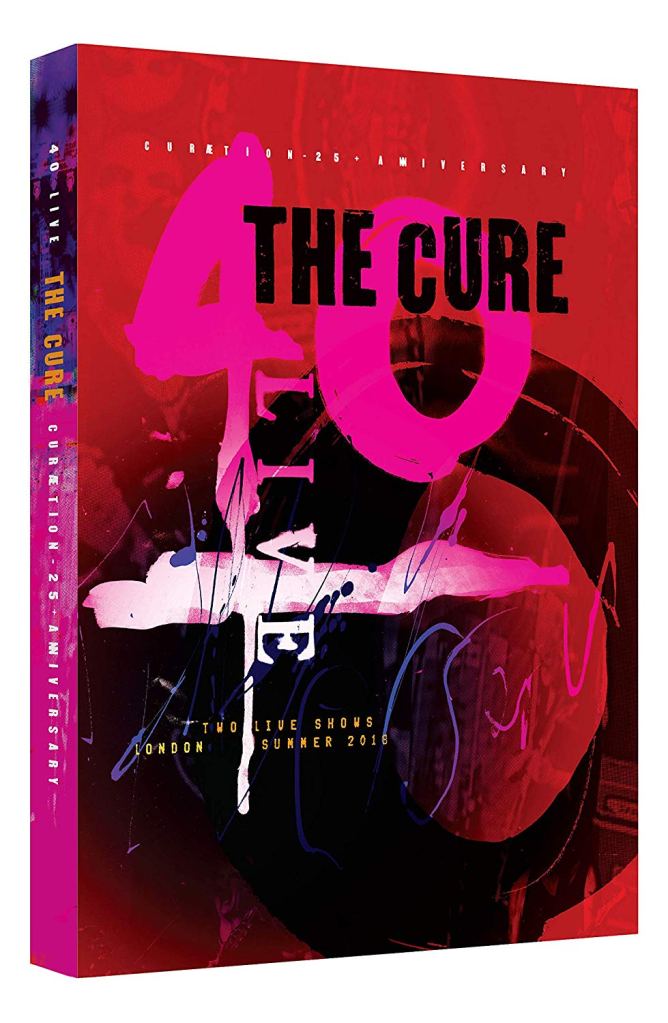
Just last week, The Cure released its massive eight disks (two blu ray, two DVD, and four CD) of live material, CURAETION, all recorded in in 2018 to celebrate the fortieth anniversary of the band.

What’s astounding to me is that the band sounds as good as it’s ever sounded, and this is saying something special. After all, this is a band that has been audiophiliac from album 1. That forty years on they can still sound so amazing (crisp, intense, meaningful) really does speak volumes about the band.

I’ve been a hardcore fan since JAPANESE WHISPERS first appeared in 1983.

While I don’t mind (not in the least) the wackier, sillier, poppier side of The Cure (for example, “Friday I’m in Love”), I have always preferred the band’s darker side. DISINTEGRATION is still a top-ten album for me, whatever music genre we’re discussing. To me, DISINTEGRATION is every bit as prog-gy as CLOSE TO THE EDGE.

Regardless, I highly recommend CURAETION. You’ll have to choose between a variety of sets, but choose you must. Well worth it. I went whole hog and bought the 2 blu-ray set as well as the 2DVD/4CD set. And, yes, I’m a happy man.

It’s Saturday, and I’m in love again.

approaching our first birthday

Well, birthdays all around!

XTC as Dukes. Does it get much better? Yes, Steven Wilson as Porcupine Tree remixes.

Tomorrow, our wonderful poet-in-residence, Kevin McCormick, is turning 52. Just a good deck of cards.

On November 22, the website turns one. How great is this? Too great, to be sure.

Very recently, some excellent music has shown up in the Spirit of Cecilia mailbox. New Flower Kings, new Cure (well, new live Cure), new Elbow, new old Peter Gabriel, and new old Dukes of Stratosphear. Some new Bruce Soord, too. A blessing of riches. If all goes well, Glass Hammer’s remixed and renewed LEX REX should show up tomorrow.

Reviews forthcoming. . .

And, of course, expect great pieces from Tad, Erik, Mahesh, Richard, and Alex and others! All to the good.