All posts by Thaddeus Wert

High school math teacher and fan of all kinds of music, but most of all prog.

Surf’s Up for the Lords Of Atlantis

Lords of Atlantis

Hello, Spirit of Cecilia music fans! In this post, Brad Birzer and Tad Wert discuss the recently released eponymously titled album by Lords of Atlantis.

Tad: Okay, Brad, you were the one who suggested we tackle this album, and I confess I was unfamiliar with it. When I first cranked it up, I thought it was a soundtrack to an Hawaii 5-O episode! It’s an interesting mix of surf music and prog, all instrumental. According to the House of Tabu website, it is a supergroup of sorts from the surf genre, bringing together guitarist Ivan Pongracic and drummer Dane Carter of The Madeira, guitarist Jeremy DeHart of The Manakooras and Aqualads, and bassist Jonpaul Balak of Surfer Joe and the Tikiyaki multiverse.

Tell me why you are so enthusiastic about these guys!

Brad: Dear Tad, I love doing these with you.  Thank you, my friend.  I’m sorry to be a bit late in responding.  We started college classes on Wednesday, I had a wedding on Friday afternoon, and, my oldest son, Nathaniel, returned for a year in Jerusalem today.  So, lots and lots of chaos in the Birzer household!

Tad, I will freely admit, I’m not in the least objective when it comes to the Lords of Atlantis.  I’ve had the privilege of meeting (briefly) Dane Carter, the drummer, and he’s a great guy.  But, my real bias is with Ivan Pongracic.  He’s not only one of my favorite colleagues at Hillsdale (he teaches economics), but he’s also one of my closest friends.  So, when I hear Ivan’s guitar’s beautiful Hawaii 5-0 style guitar, I think gentleman, friend, economist, friend, colleague, friend, fellow beer drinker, friend, and fellow cat lover!

I’m a huge fan of The Madeira (I even own a t-shirt!), and I’m an even bigger fan of Lords of Atlantis.  Ivan has been shaped by The Shadows, by The Beatles, by Pink Floyd, etc.  The guy is not only brilliant, he’s also the epitome of an artist when it comes to surf and prog.  He reeks of integrity.

I told him recently that I have a hard time reviewing his music, only because it’s instrumental.  When you and I review, I focus so heavily on lyrics, Tad.  As Ivan told me (and I believe him), instrumental just means “imagist.”  That is, each song is a color, each song is a chapter, and each song is a story.  I love that.

Tad: Brad, that is fascinating, and it explains why you are an evangelist for the Lords. Now that I understand that context, let me say that the first time I listened to their album, it was the guitar work that most impressed me. I can definitely hear shades of David Gilmour, especially on the song, Seaglass. As a matter of fact, I think that is my favorite track of the album. It’s a beautiful song with a wonderful melody. Barbary Corsairs is another winner, reminiscent of early Merseybeat music. Atlas is a roaring rocker that I like a lot as well. Throughout the entire album, Pongracic is a master of the lean and economical guitar phrase (sorry, I couldn’t resist!).

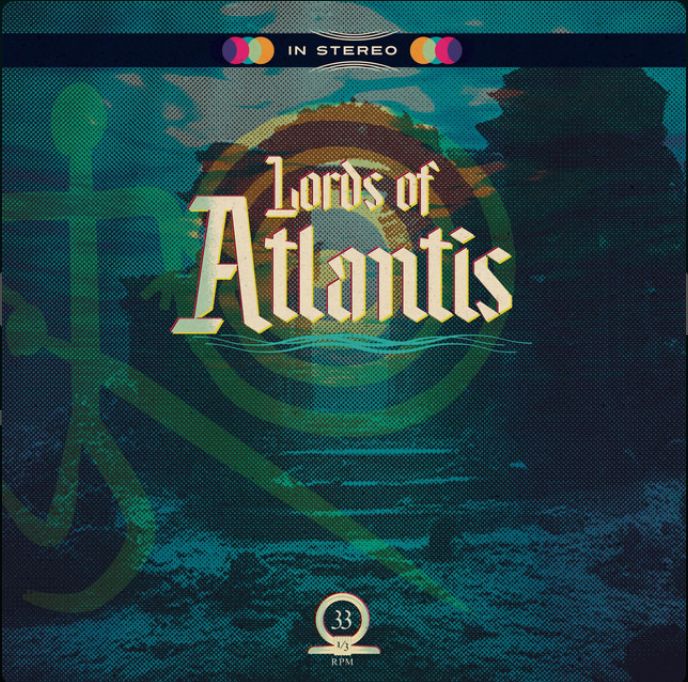
Also, let me mention how much I like the cover art. It has a fun retro feel to it, with its “In Stereo” flag at the top, and the 33 1/3 rpm at the bottom. Very cool!

Brad: Thanks, Tad, for indulging my passions and my friendships!  I agree with you completely about the Lords of Atlantis and the David Gilmour feel.  But, then, of course, there’s a HUGE Dick Dale feel and influence as well.  So. . . Gilmour, Dale, Pongracic.  Amazing trio!  Two things I’d like to add to this conversation.  First, like Pongracic himself, his guitar playing (and the playing of the entire band) is simply tasteful.  Taste just exudes from this music.  

Second, each song really is a kind of tone poem, awaiting our own visual interpretations.  When, for example, I hear “Barbary Corsairs,” I can’t help but imagine the corsairs floating illegally and unlawfully through the Mediterranean, wreaking havoc upon the civilized world.  Yet, again, there’s something so tasteful about the song, that I also can’t help but imagine Thomas Jefferson defending American sovereignty in the area and sending in the Marines to attack North African slave fortresses!  Or, when I hear “Libertas!” I can’t help but imagine the American patriots defending common law and Natural Rights against the oppressions of King George.  And again, when I hear “Chariots of the Gods,” I can’t help but imagine the various pantheons of the ancient world, all mixed and warring with one another.  Zeus, Venus, Jupiter, Aphrodite!  Which pantheon wins?

Tad: Brad, I agree that the music evokes wonderful visuals – “Eye of the Sahara” made me think of a camel caravan traveling across a dune in the desert.

Well, I think we can agree that this album is a real treat for fans of upbeat instrumental rock. They supply the tunes, the listener supplies the pictures!

North Atlantic Oscillation’s United Wire

United Wire

A favorite music artist of ours is North Atlantic Oscillation. This Scottish duo have created an utterly unique and beautiful sound that manages to combine Beach Boys harmonies, Radiohead melodicism, and shoegazer walls of sound. They recently released their fifth album, United Wire, and it is a triumph. With songs varying from hushed, angelic voices to dissonant-yet-attractive noise, it is another reason why NAO are unparalleled in their ability to meld disparate musical elements into a stunning and immensely satisfying listening experience.

Once again, Brad Birzer and Tad Wert take some time to share thoughts on a much-loved group:

Tad: Okay, Brad, I have been smitten with North Atlantic Oscillation since their debut album, Grappling Hooks. As a matter of fact, it was my favorite album of 2010! And rather than succumbing to the dreaded “sophomore slump”, I thought their second album, Fog Electric, was even better. The Third Day maintained the high quality of their music. I should probably mention Sam Healy’s excellent solo 2013 record, Sand, which, for all intents and purposes, sounds like an NAO album to me. 

They left KScope Music and released Grind Show in 2018, which was a bit of a disappointment. Their consistently excellent releases up to that point, and the tremendous growth they exhibited must have spoiled me! Grind Show, while good, didn’t blow me away like every other album of theirs. So it was with some trepidation that I bought United Wire. I needn’t have worried; this is a tremendous return to form, in my opinion. What are your thoughts on it?

Brad: Dear Tad (how’s that for a traditional introduction?), I love doing these with you, my friend.  If anything, I worry that I’ll bug you too much about such dialogues!  I could definitely do one or more a week over the next year.

That said, you bring out the best of me.  

And, for all you readers out there, Tad may have formally introduced himself under the “Tad:” bit, but he actually wrote the intro (above) to this piece as well, and I can’t think of a better way of introducing the true beauty and excellence of NAO than what he typed: “utterly unique and beautiful sound that manages to combine Beach Boys harmonies, Radiohead melodicism, and shoegazer walls of sound.”  In a million years, or armed with 1,000 monkeys and their typewriters, I could not have captured the band so perfectly.

I will also admit this as well, I love Sam Healy, and it’s incredibly hard for me to be objective about him.  Granted, I don’t know him well personally, but he and I have corresponded a bit, and I think he’s just freaking brilliant.  

And, generous.  An example: I tried like mad to purchase a copy of the latest release, United Wire, through the internet, and the site continuously rejected my credit card (for those of you who don’t know me, I’ve been employed by the same place since 1999, and my wife also has an income–we’re not un-well off!) repeatedly.  I mentioned this to Sam on Facebook, and a few weeks later, I found a copy of United Wire waiting for me in my Michigan mailbox. Gratis!

And, what happened?  On the first play, I fell in love with the album.  Several weeks later, it’s still in constant rotation, and I think the world of it.  Whether it’s NAO or SAND, Healy knows music.  He lives it, and he breathes it.

Tad, I must admit–we, for once, disagree on something–I really liked Grind Show.  I didn’t think it was as good as the first three NAO albums, but I definitely liked it.  For me, though, at least prior to United Wire, the true masterpiece, a PROG MUST OWN, was Fog Electric.  To me, one can’t consider him or herself a fan of progressive rock at all without actually loving Fog ElectricGrappling Hooks was brilliant pop (in the Tears for Fears vein), but Fog Electric was pure prog.

When Fog Electric first came out, admittedly at first, I didn’t get it.  Then, Kscope re-released it, and I was utterly blown away by it.  I would consider it, for me, a top fifteen ever rock album.  That is, going all the way back to Bill Haley and the Comets, NAO’s Fog Electric is one of the top fifteen albums of all time.

So, Tad, what do you think of NAO album no. five, United Wire?

Tad: Brad, I love United Wire. My credit card worked (ha!), and I bought the CD through MusicGlue, which also included a digital download. One of the options is a “merged” version, which has all of the tracks merged into one long one. I think that is the way NAO intended for the album to be listened to, and I really like it.

Matryoshka is my favorite track. It begins with a distorted and processed voice over a mechanized beat, and then it transforms into a beautiful piano-based coda that I wish would last forever. Then the distortion tries to take over again, but the piano wins in the end.

Brad: Tad, I’m not sure I have a favorite track.  I love the whole damned (sorry for the expletive) thing!!!!  I would agree with you that Sam intentionally made the bandcamp release (which I bought)  one long track.  The album really, really works.  As in, really, really, works!

Tad: Oh, I agree. As I mentioned earlier, I think the way we’re supposed to listen to it is as one continuous suite of songs. Sam Healy is a musical genius when it comes to composing melodies and arranging instrumental accompaniment. At first listen, you think there is something wrong with the tape speed, then you realize it’s been deliberately slowed down and sped up. And it works! Drum and percussion bang out frenetic beats while angelic vocals float serenely above the chaos. Underpinning everything are electronic ambiences that sometimes come to the fore, but usually remain in the background. There are layers and layers of sound that keep the music endlessly fascinating.

Well, I think we’ve made clear our love for this band in general and this album in particular. You can purchase your own copy of it at MusicGlue or BandCamp.

The Pineapple Thief Finds Their Way

TPT How Did We Find Our Way

The Pineapple Thief has just released a huge box set that reissues its first five albums along with two bonus albums. It’s entitled How Did We Find Our Way, and it includes remixed and remastered versions of Abducted At Birth, One Three Seven, Variations On A Dream/8 Days, 10 Stories Down/8 Days Later, and Little Man. There is also a Blu-ray disc that has 5.1 and Atmos mixes of seven albums. The discs come in a beautiful 64 page hardcover book with enlightening notes for every album from Bruce Soord, Jon Sykes, and Steve Kitch, as well as reminiscences of the band’s early years by French journalist Julien Monsenego.

Brad Birzer and Tad Wert are so excited about this release, they decided to do a joint dialogue/review:

Tad: Brad, it’s good to be doing another music review with you! 

I already had all the albums in this set from the versions KScope Music released earlier. However, based on the fact that there are quite a few unreleased bonus tracks in this new set, as well as the surround sound mixes, I bit the bullet and bought it. I have to say, I do not have any regrets! The new mixes are fantastic – they really open up the soundstage and allow every instrument to be heard clearly. What led you to splurge on it?

Brad: Dear Tad, my friend, it is great to be doing these reviews with you again.  Too much time has elapsed since our last such outing.  I blame myself–the summer has been wonderfully crazy.  Wonderful, but crazy!  Anyway, very glad we’ve got the band–so to speak–back together.

I’ve been a huge fan of The Pineapple Thief and Bruce Soord ever since Tightly Wound came out in 2008.  That was my introduction to Soord’s music.  So, coming up on fifteen years now.  That album, pop rather than prog, demonstrated to me the brilliance of Kscope.  I thought (and still think) that Soord created a genius album, a pop masterpiece, with Tightly Wound.  From there, I began to explore The Pineapple Thief’s music, going backwards in time.  Much to my joy, I found that I loved everything the band had done up to that point, but I was especially taken with One Three Seven and What We Have Sown (not included in this package).  Little Man, too, really grabbed me.  You might remember that 3000 Days came out right after Tightly Wound.  Though I’m not generally a “greatest hits” or compilation kind of guy, I loved 3000 Days, and it certainly introduced me to the best of Soord’s music. 

As to How Did We Find Our Way. . . I actually own all the early The Pineapple Thief cds as well, but I was happy to spend the money on these remixed and remastered versions, and I especially wanted the blu-ray.  So, I asked for the set for Father’s Day!  What are dads for???

Let me also state, at this point in our dialogue, that I absolutely love Kscope’s packaging.  When Porcupine Tree released their latest last year, I was sorely disappointed that they went with a company (Sony) other than Kscope.  I bought the album, of course, and I loved it, but I was very disappointed with the packaging.  Kscope, though, always does things with excellence, and I now have a very tidy collection of releases in this earbook (is this the right term) format from Gazpacho, The Pineapple Thief, and others.

Tad: Brad, it looks like our Pineapple Thief experience is remarkably similar. I too first heard them via KScope’s release of Tightly Wound, and I enjoyed it so much I sought out their earlier releases.

Okay, on to the current set: as I mentioned earlier, I think it’s worth buying just for the new mixes. In addition to them, though, we also get to hear all of these classic albums in 5.1 mixes, which is wonderful! I spent an entire afternoon reading and listening to them, and it was as if I was hearing them for the first time.

Also, there are quite a few very good bonus tracks that were not included on any of KScope’s reissues. One of my all-time favorite songs of Soord’s is Watch the World Turn Grey, which was included on the infamous 12 Stories Down – the album that Soord quickly pulled from the market because of mastering issues. It’s a beautiful little gem of a song that, for some reason, he never included in any reissue or compilation.

In the liner notes, Soord mentioned that, while going back and remixing his back catalog, he had neglected some songs that were actually quite good. Yes, Bruce! I’m glad we now have a complete set of early TPT tunes.

Speaking of the liner notes, I learned so much about the early history of The Pineapple Thief. I was really surprised to discover that the first three albums were basically solo albums recorded in his home. In the original albums’ credits, he made up names of musicians to make it look like The Pineapple Thief was a real group!

When Variations On A Dream was reissued by Kscope, I reviewed it on Amazon, and I wrote that Soord’s music would appeal to fans of minimalist composers like Steve Reich, Philip Glass, and Arvo Part. Sure enough, in his commentary here for that album, he says that seeing an ensemble performing some Reich compositions was an important formative experience for him.

Before this set, if I had to pick a favorite early Pineapple Thief album, I would go with Variations On A Dream. However, after my marathon listening session, I am now thinking Little Man is the best. It takes on real emotional heft for me, now that I know the context in which it was written and recorded. In his commentary, Soord explains it was put together in the aftermath of the tragic loss of his prematurely born son. 

Are you able to pick a favorite, Brad?

Brad: Tad, thanks so much for your enthusiastic and very interesting response.  Great that we came to the band at the same time.  Obviously, the band’s switch to Kscope introduced them to an entirely new audience.

You ask what my favorite album is.  I must admit, I’m not entirely sure.  I’ve been listening to these albums for at least fifteen years, so they kind of have become just a part of my life, at least autobiographically speaking.  Re-listening to them again, especially in this new package, I find that I’m still relatively neutral when it comes to ranking them.  That is, they all seem rather extraordinary to them. 

Of this new set, though, I can state unhesitatingly that my favorite music are/is the “leftover” albums–Eight Days and Eight Days Later.  I love the idea that Soord spontaneously recorded each of these after finishing massive album projects.  There’s something deeply special, original, and wholesome about music so created.  It’s almost like giving rock a jazz-sheen.

Before we finish this review and dialogue, I also want to note that I’m a rather proud The Pineapple Thief fan.  This set shows that Soord was inventive from the beginning and that he possessed, again from the beginning, an immense amount of integrity.  It makes the more recent albums–I especially love Your Wilderness–shine even more.  Truly, Soord has progressed, but really from excellence to excellence.

Tad: I agree that there is something very fresh and endearing about the Eight Days and Eight Days Later albums. In my aforementioned Amazon review from many years ago, I made the same point. Soord seems to work well under pressure, when he isn’t able to “fix” every little detail of the songs. I think that works to their benefit.

Brad, thanks again for resurrecting with me our dialogues on music. And thank you, Spirit of Cecilia followers for reading! We are already planning to discuss the recently released North Atlantic Oscillation album, United Wire, so stay tuned for that!

Brad Birzer: Your Faithful Guide Through Mythic Realms

Mythic Realms
The prolific Dr. Birzer’s latest tome

Angelico Press has just published a new book by Bradley Birzer (where does he find the time to write all these wonderful works?) entitled Mythic Realms: The Moral Imagination in Literature and Film, and it is an unabashed love letter to everything that is good in contemporary American popular culture. I’m sure some of you are spluttering, “Everything that is good in American culture? There’s nothing good there!” Dr. Birzer would beg to differ, and for that we can all give thanks.

A quick look at the Table of Contents gives the reader a sense of the scope of Birzer’s loves. Here are just a few examples:

On Loving Libraries
An American Greatness: Willa Cather’s Oh Pioneers!
The Dark Virtues of Robert E. Howard
Romance After Tolkien?
The Audacity of Frank Miller
Alfred Hitchcock’s Vertigo
Batman on Film, Part I: Bruce Timm’s Animated Series
Steven Wilson’s Hand.Cannot.Erase: An Incarnational Whole

Clearly, his interests range far and wide! How many scholars can write intelligently on such disparate topics as The Inklings, Steven King, Russell Kirk, Alfred Hitchcock, a Batman animated series, and the prog rock wunderkind Steven Wilson?

But what makes Mythic Realms so much fun is Birzer’s infectious enthusiasm. When he gets going on a film or writer that he loves, he’s like a kid in a candy shop, and the reader can’t help but smile and join in. Take this example from his chapter on the Christopher Nolan Dark Knight Trilogy:

“In Nolan’s expert hands, Batman becomes what he always meant to be: an American Odysseus, an American Aeneas, and American Arthur, an American Beowulf, and an American Thomas More….Batman resonates with us because he is the best of us and the best of what came before us. Bruce Wayne is the embodiment of western virtue and heroism.”

Wow, that’s quite a claim, but Birzer makes an excellent case for it. After reading his in-depth analysis of Nolan’s trilogy, I came away having learned many fascinating behind-the-scenes facts, as well as gaining a greater appreciation for Nolan’s vision of Batman as another enduring chapter in western civilization’s mythos – oops, I mean Mythic Realms.

I also was introduced to a great American novelist of whom I knew next to nothing: Willa Cather. Birzer devotes two chapters to this underappreciated writer, and I hope other readers will take the plunge and immerse themselves in her delightful world of the American frontier. As he notes, “The Great Plains unveil treasure after treasure to those who explore. The same is true of Cather’s novels.” Birzer fittingly compares her painstaking craft of novel writing to Steve Jobs’ attention to detail when designing Apple products.

One of my favorite chapters is Birzer’s tribute to John Hughes. I have long thought his run of coming-of-age movies set and filmed the 1980s was one of the most brilliant series of movies ever made. Hopefully, Birzer’s thoughtful tribute to Hughes will spark a reassessment of this overlooked writer/director/producer.

Not many cultural critics can write credibly and engagingly on writers such as Ray Bradbury, J. R. R. Tolkien, Willa Cather, comic book writer/artists Frank Miller and Alan Moore, film directors like Hitchcock, Nolan, and Hughes, let alone TV series such as Star Trek and Stranger Things, and THEN pull them together to make a deeply meaningful point: that even in lowly pop culture, truth, beauty, and transcendent Christian morality can be found. Birzer does it, again and again. That’s the joy of this book – discovering eternal truths in the most unlikely places.

The last chapter, Oh, White Lady: Faith as a Struggle begins with Birzer’s personal confession of his struggle during his youth to see anything except hypocrisy in organized religion in general and Roman Catholicism in particular. But through the example of devout friends and a growing appreciation for the role Mary, the Theotokos, has played in history throughout the world, he returned to his faith. It’s a fitting finale to a wild ride through Mythic Realms. After all, how does the old saying go? “All roads lead to….”

Kite Parade’s Retro Is Great From The Get-Go

Retro

Kite Parade is a project of multi-instrumentalist, singer/songwriter Andy Foster, and Retro is the second album from them. I always enjoy discovering new artists that immediately hit that pop/rock/prog sweet spot such as Jonas Lindberg & The Other Side, Frost*, or Lifesigns, and Kite Parade is an admirable addition to that elite list.

Right off the bat, the first song, Retro, evokes the best of ’80s rock with a pulsing synthbeat while snippets of TV ads play in the background. Foster’s vocals remind me a little of Kyros’s Adam Warne. He has an unerring sense of melody throughout the song that had me hitting replay several times. 

Speed of Light, the second track, kicks off with a funky bass groove and propulsive melody that reminds me of classic OSI (Office of Strategic Influence). The brief loping guitar solo midway through is excellent and sets things up for the final, exhilarating chorus. Both Nick D’Virgilio and Joe Crabtree play drums on the album, and it sounds like D’Virgilio is playing on this song.

The next track, Wonderful, is the single (scroll down to watch the official video), and at first I thought it was a letdown from the joyous pop/rock energy of the first two tracks. It starts off sounding like many a generic ballad, but it slowly builds energy throughout. Then, at the 2:50 mark, Foster puts a nice twist in the melody that takes the song to an entirely new level. Keys and guitars trade solos, adding layer upon layer of sound that make this a standout song. Great choice for a single, guys!

The next two songs, Shadows Fall and Under the Same Sun, continue the winning streak. The former is a mini-epic, clocking in at more than 9 minutes. However, Foster’s gift for providing endless musical hooks makes the time fly by. 

Retro closes with the 14+ minute-long Merry-Go-Round, which deftly avoids any “hmm, how much longer?” thoughts in the listener. As a matter of fact, the entire album is such an enjoyable experience, I listened to it three times in a row without a break.

We’re almost a third of the way into 2023, and so far Retro is my favorite album. It’s a perfect mix of, well, retro synths, catchy melodicism, tasty guitar riffs, and pleasing vocals. If you’re looking for some nice ear candy with a prog rock feel, you can’t do much better than Kite Parade.

The Best Music of 2022

2022 was an excellent year for prog music fans, with several old favorites releasing surprisingly strong new albums. Here are my favorites, in alphabetical order:

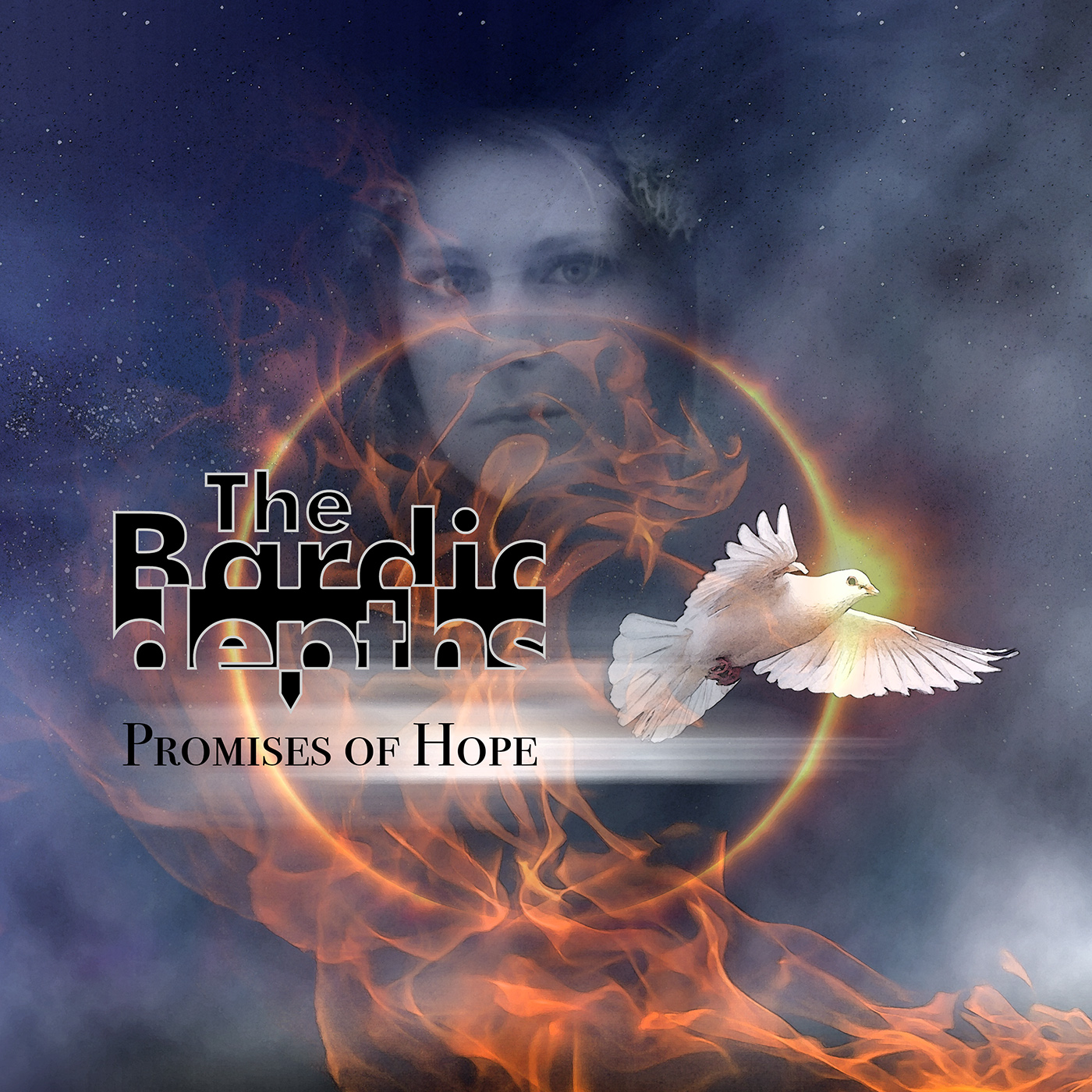
The Bardic Depths: Promises of Hope

cover

No sophomore slump for these guys! Promises of Hope is even better than their excellent debut. Dave Bandana’s composing and singing is terrific, and Brad Birzer’s lyrics plumb new depths. Let’s hope their partnership is a long and fruitful one.

Big Big Train: Welcome to the Planet

BBT Welcome

This release came quickly after Common Ground, and is the last to feature the late David Longden, but it is by no means an “Odds and Sods” collection. It is a heartwarming album with some of BBT’s best-ever songs – Proper Jack Foster is an instant classic.

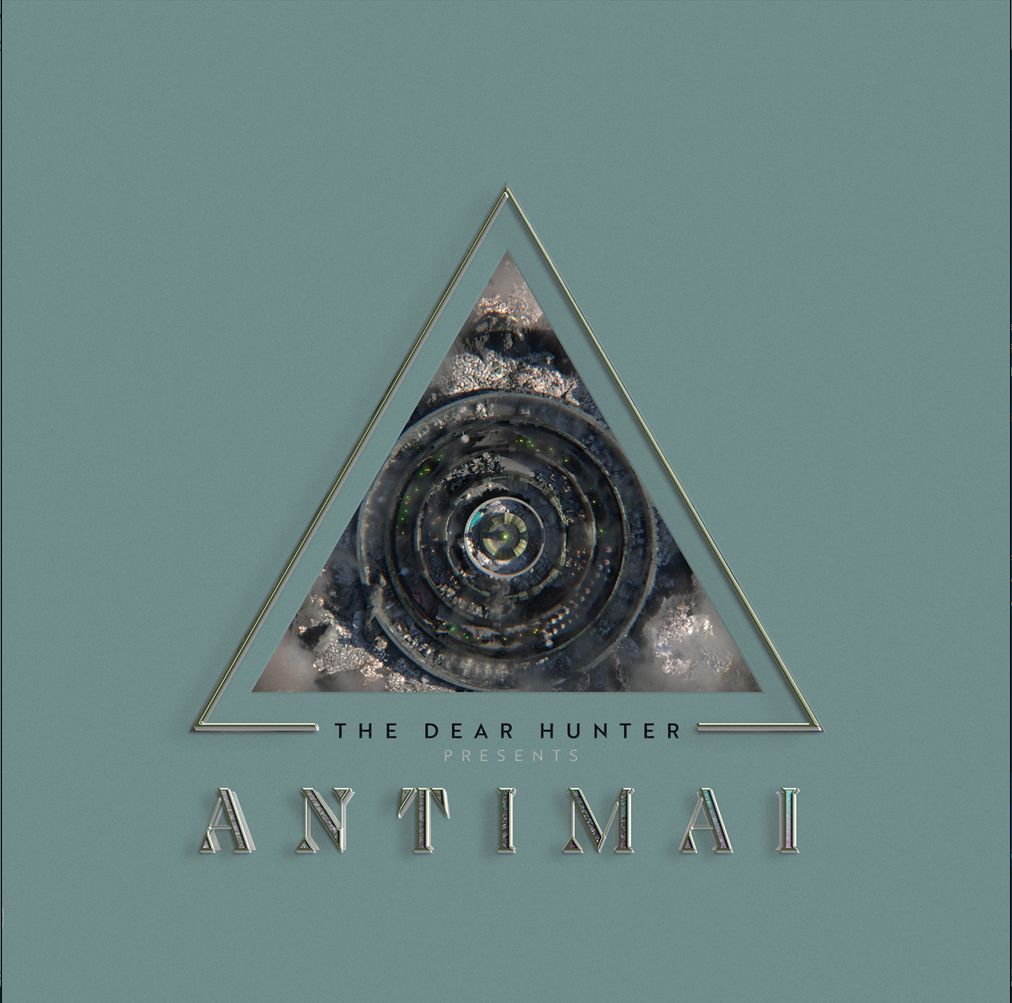
The Dear Hunter: Antimai

Dear Hunter Antimai

Casey Crescenzo’s Dear Hunter has one of the most unique sounds in music today, combining alt-pop, hot jazz, and prog jams. And it’s all good! Antimai is a concept album about a society where different classes of people live in concentric rings of a city. The poorest live in the outermost, and the most powerful live in the inner tower. I have listened to Antimai many times this year, and I always hear new and entrancing details.

Evership: The Uncrowned King, Act 2

Evership King 2

Evership’s Uncrowned King Act 2 concludes their musical interpretation of Harold Bell Wright’s allegory. If you are a fan of classic ’70s prog, then you will love this album.

Galahad: The Last Great Adventurer

Galahad Adventurer

These long-time prog vets released a very satisfying set of songs in  2022. Blood, Skin, and Bone is one of the best songs of the year – melodic, heavy, with an excellent message: how external factors influence how we react to each other. One of my most-listened-to albums of the past few months.

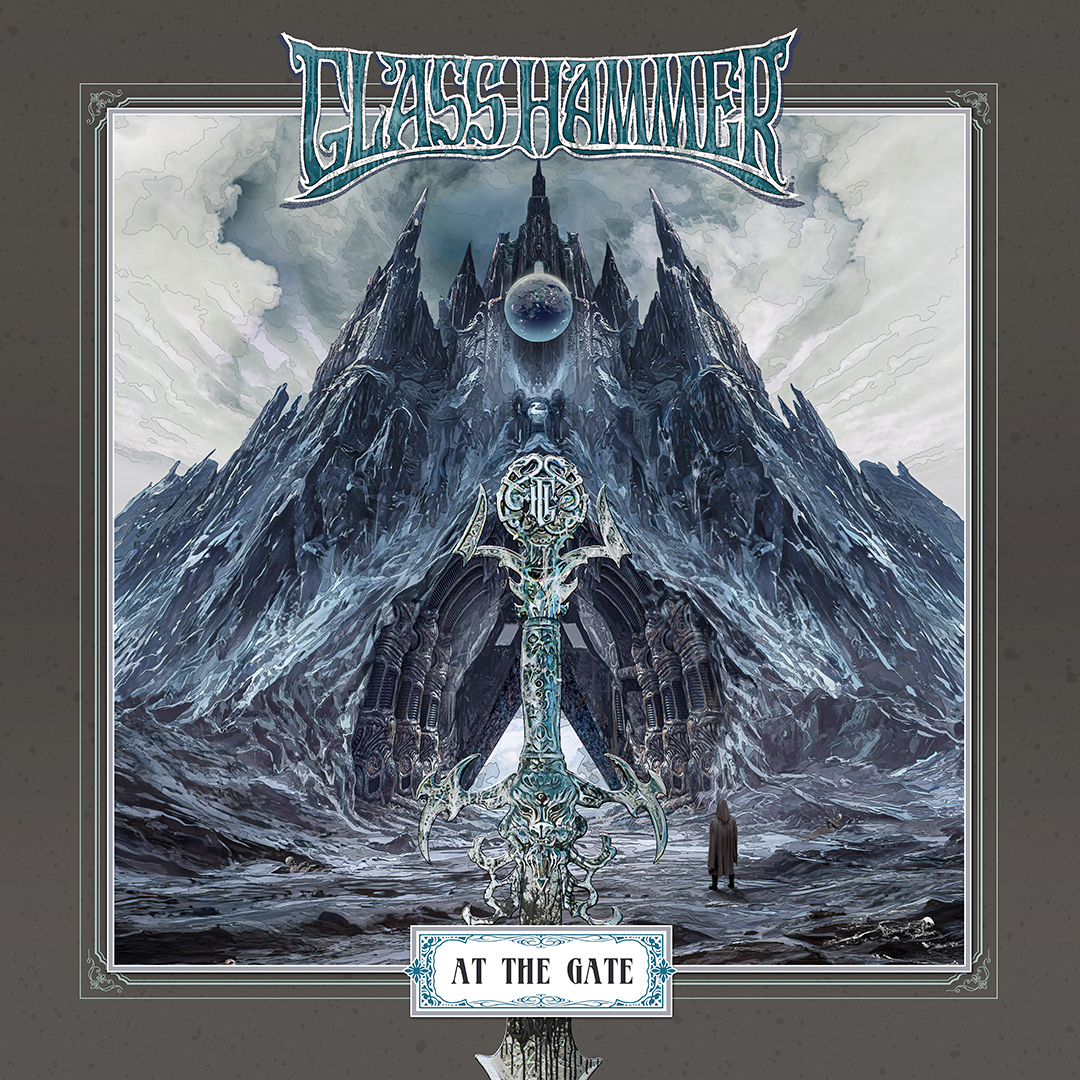
Glass Hammer: At The Gate

GH-2022-cover-1080px-PREVIEW

The concluding chapter in Glass Hammer’s Skallagrim saga is the best. You can read my review here. Glass Hammer is the finest American prog rock group, period. It is astounding how they have maintained such high quality over such a long career. As The Years Go By is another top song of 2022.

King’s X: Three Sides of One

Kings X 3 Sides

Fourteen(!) years after their last studio album, this hard rock/prog trio surprised everyone with one of their best albums ever. From the blistering funk of Let It Rain to the beautiful ballad Nothing But The Truth, King’s X have never sounded better. What a joy to hear them play again!

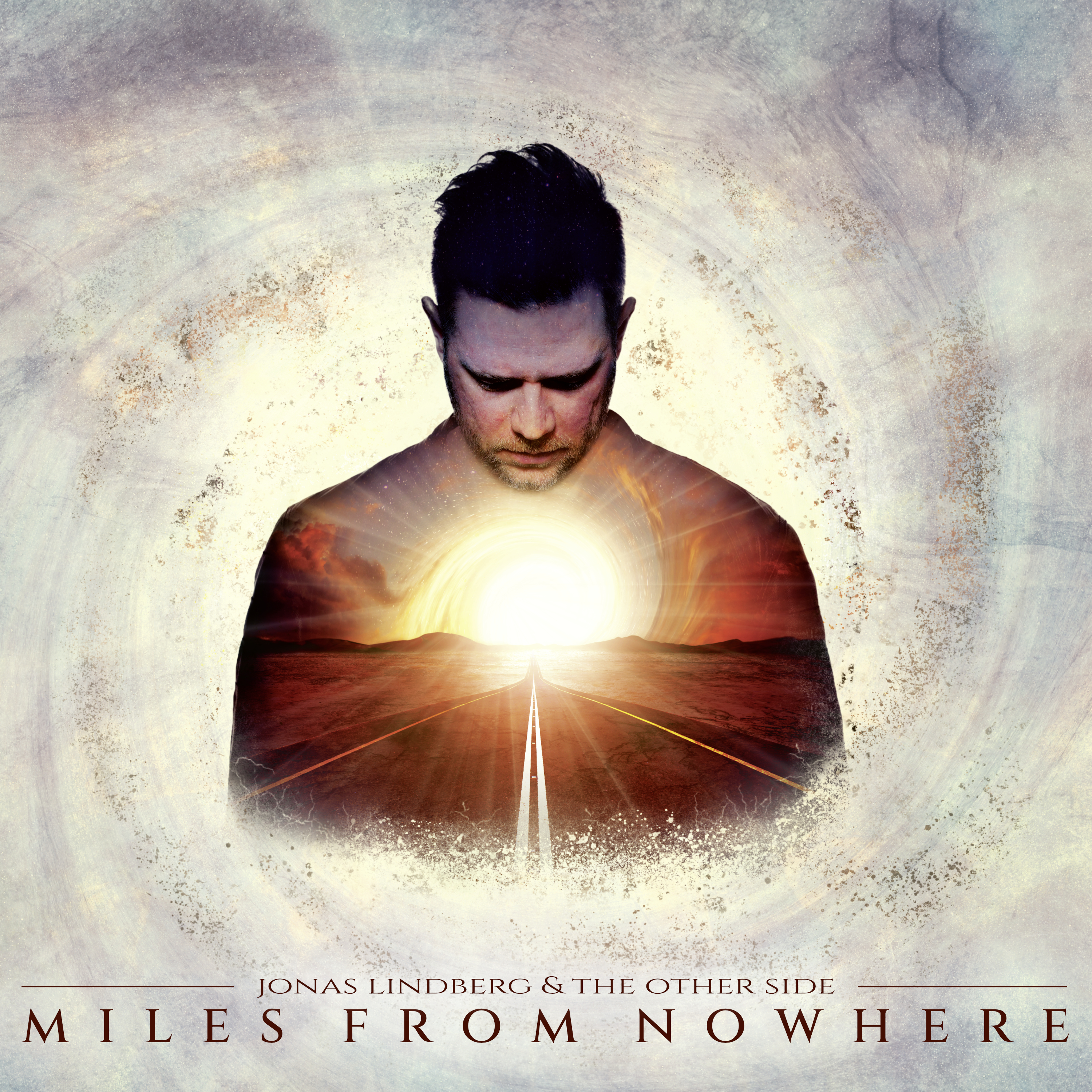
Jonas Lindberg and The Other Side: Miles From Nowhere

Digital 4

If I had to pick the single best album of 2022, Jonas Lindberg and the Other Side’s Miles From Nowhere would be it. It was released early in 2022, and I still listen to it regularly. It is full of delightful pop/rock hooks performed with excellent musicianship. I have listened to this album dozens of times, and I’m still not tired of it.

David Longden: Door One

Longden Door 1

This posthumous release of David Longden’s solo album only emphasizes what a loss the world suffered with his passing. It is not an unfinished set of sketches, but a complete and masterfully produced album. Love Is All is one of his finest songs, and a fitting conclusion to an amazing musical career.

The Porcupine Tree: Closure/Continuation

PT Closure

Another big surprise from a progrock veteran! I never thought Steven Wilson would work with Richard Barbieri and Gavin Harrison again, but here we are, and the music is pretty darn magnificent. Dignity is another PT classic, and here’s hoping there’s more music coming from them in the future.

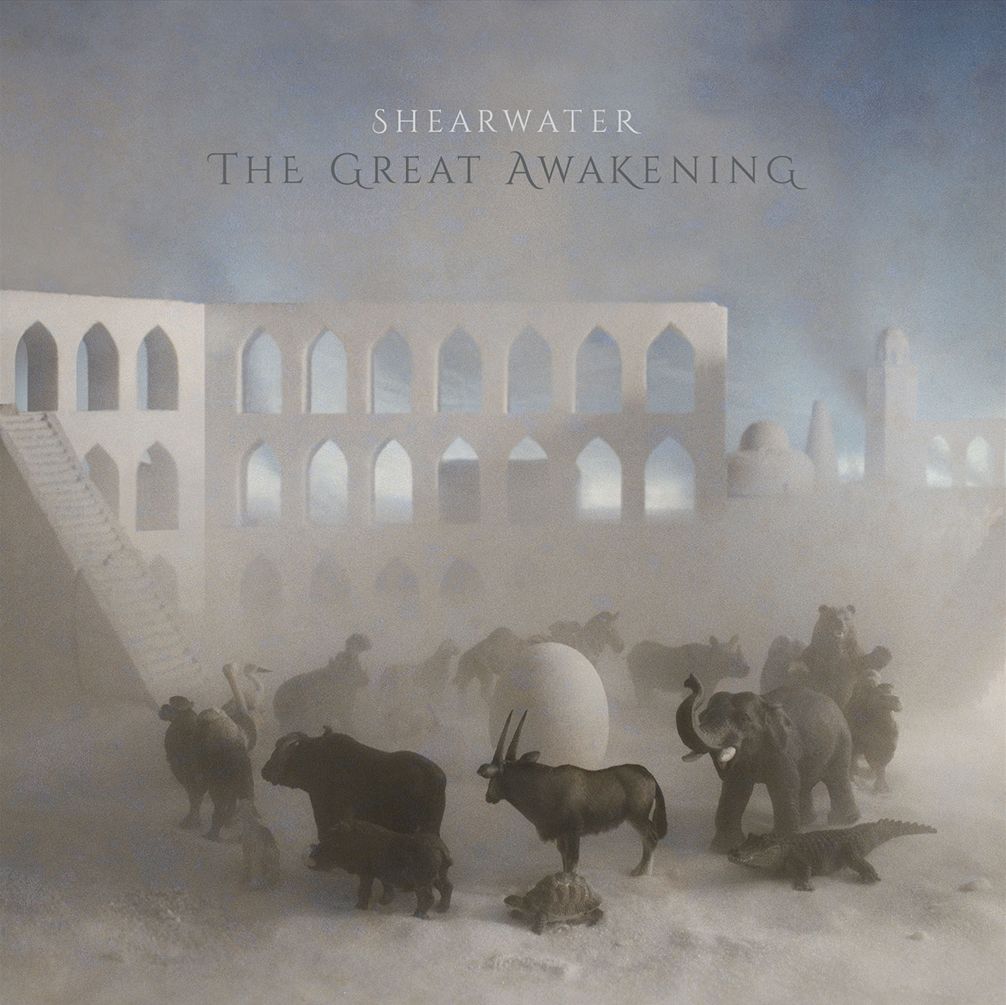
Shearwater: The Great Awakening

Shearwater

This was a new discovery for me. I love late-era Talk Talk, and The Great Awakening sounds like something Mark Hollis would put together if he were still alive. No Reason is one of the most haunting songs I’ve ever heard. 

Tears for Fears: The Tipping Point

TFF Tipping Pt

Yet another surprise release from longtime musical veterans! Usually, when I hear a beloved artist from the ’80s is getting to put out new music, I get very apprehensive. Let’s face it, the ’80s were forty years ago, and the chances of rekindling the magic are very small. However, Tears for Fears’ The Tipping Point is one of the best albums of 2022, and one of the best of their career. Not a throwaway song in the bunch, and they sound as good as ever. Rivers of Mercy is my favorite, but every single song is a winner.

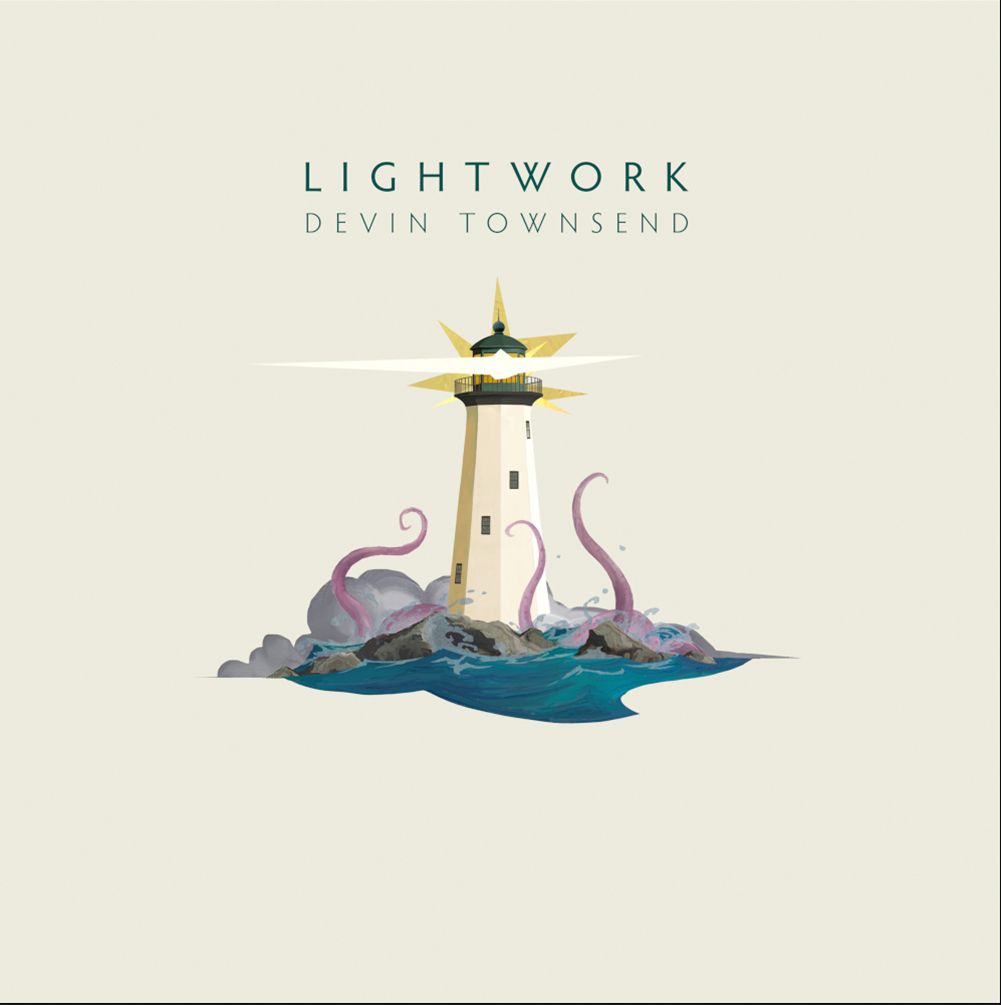
Devin Townsend: Lightwork

Devin Townsend Lightwork

Devin Townsend is one of the most fascinating artists working today. You never know what style his latest album will be: brutally hard rock, country, ambient, pop? Lightwork is a relatively quiet entry in his vast catalog, but it rewards repeated listens. The crunchy guitars crunch, the soaring vocals soar, and the endlessly satisfying melodies pour out of the speakers (or earbuds). So far, I think Lightwork is in Townsend’s top five best.

And there you have it: a baker’s dozen of great albums from the year 2022. The most satisfying trend is the number of great albums produced by artists after a long absence: King’s X, Porcupine Tree, and Tears for Fear. I hope they don’t wait as long to release their next albums!

Glass Hammer’s At The Gate

GH-2022-cover-1080px-PREVIEW

Glass Hammer is set to release the third album in their Skallagrim Trilogy, entitled At The Gate. The first album of the trilogy, 2020’s Dreaming City, heralded a new, much heavier sound for GH, which is continued in At The Gate. The albums chronicle the sword-and-sorcery adventures of a hard-bitten thief named Skallagrim who finds himself locked in a desperate struggle with forces of evil. Through his struggles to find his lost love, he matures and gains much wisdom. In this final installment, Skallagrim has been cursed to live a thousand years seeking his love. When he finally does find her, he ends up sacrificing himself so she can be free.

At The Gate begins with one of Glass Hammer’s finest songs of their long career – the beautiful The Years Roll By. This song is in more of the “classic” prog style long-time GH fans have loved – a keyboards-driven melody with majestic vocals underpinned by Aaron Raulston’s excellent percussion and Steve Babb’s energetic and inventive bass. The inimitable Babb also supplies the pipe organ and keyboards on this one. Vocalist Hannah Pryor really comes into her own on this track, and Fred Schendel is outstanding (as usual!) on guitars.

Savage is up next, and it begins with a spare, unaccompanied guitar riff that soon explodes into a heavy groove. Pryor’s voice is perfect for this crunchy, metallic style, as she can really wail while maintaining a delicate tone.

North of North continues the interesting experiments GH has been doing with their instrumentals in the trilogy. It begins with a propulsive, Tangerine Dream-like synth riff that builds and builds. I hope they continue to explore this style of music!

All Alone begins as another crushing tune reminiscent of King’s X at their heaviest. The style fits the lyrics, as Skallagrim grimly mutters, “The dark is deep and blood runs cold, so cold. Don’t leave her there all alone.” The mood lightens when the melody transforms into a bluesy riff and Pryor sings, “Think how good you’ll feel when the battle’s won, no need to roam, you’ll take her home to stay.” I like the tension between the dark and light moods in this track.

All For Love is the most “proggy” song on the album, with lots of time changes, switching from major to minor keys, and furious guitar work from Reese Boyd. From the beginning, the tempo gallops along, leaving the listener feeling like he or she has run a marathon!

Snowblind Girl keeps the up the fast and furious pace, and Raulston really shines on this track. It also creates tension between the melodic passages sung by Pryor and the dark, chaotic instrumental responses.

Standing At The Gate is the most “difficult” song on the album, with discordant organ chords opening it and the rapid tempos continuing. GH alum Jon Davison has a nice cameo here on vocals.

After four heavy, blistering songs, the last two provide some welcome relief. In The Shadows and It’s Love are combined into a single track, and they contain some of the most beautiful music Glass Hammer has produced. In The Shadows evokes Radiohead at its most gentle and melodic. It’s a terrific song with simple instrumentation that like a balm after the frenetic and dense activity of the previous four. In it, Skallagrim has vowed to sacrifice himself for the sake of his love, and he is at peace with it: “There’s no life without you, there’s no life. If I walk this life alone, if I never find a home, there’s no life without you.”

In The Shadows segues seamlessly into It’s Love with some majestic organ work by Babb and the trebly, melodic bass that he is so good at. The production is open and inviting, as Pryor sings, “What you’re longing for is waiting in Heaven up above. There is no greater act then when one lays down his life, down for love.” It’s a truly beautiful moment, and one of Glass Hammer’s career highlights. The song ends with a coda that recalls the riff from Dreaming City’s A Desperate Man, which is nice way to tie the trilogy together into a unified work.

So, to sum up, At The Gate contains some of Glass Hammer’s most ambitious and challenging music. It is a tribute to their skill and talent that they pull it off so successfully. The album opens and closes with songs that sound like classic Glass Hammer, but with a contemporary feel. Looking back over their career, it is astonishing to me that a group of musicians are able to compose and perform such consistently excellent music over such a long period. Glass Hammer never fails to satisfy discerning prog fans, while exploring new and fascinating styles of music. They never stop evolving – here’s to hoping they continue for another 20 years!

You can order At The Gate here.

Here’s the video for The Years Roll By:

Glass Hammer Set to Release New Album

Glass Hammer 2022 cropped sm
Hannah Pryor, Fred Schendel, Steve Babb, and Aaron Raulston

“Wow”, just “Wow”. Check out the video for The Years Roll By, the new song from Glass Hammer’s upcoming album, At The Gate. If you need a lift, this song will do it! It hearkens back to GH’s classic, more “symphonic” sound, while incorporating the heavier edge they’ve had lately. IMHO, it’s one of the best songs they’ve recorded in their long career:

Here’s the official press release with more info:

The Years Roll By is the opening track on Glass Hammer’s At The Gate concept album —set for release on October 7th, 2022.

Bandleader Steve Babb said the following about the new album: “At The Gate completes our sword and sorcery inspired trilogy that began with 2020s Dreaming City. We followed that up with last year’s Skallagrim—Into The Breach.”

For the uninitiated, he went on to explain. “It’s the story of a scarred and battered thief, Skallagrim, who’s had his memory stolen along with the love of his life. He’s got to fight unimaginable horrors and slay hideous creatures and sorcerous villains if he’s ever to reclaim either. Finally, at the end of the last album, his memory is returned, but he finds himself cursed to wait one thousand years for a chance to find his lost love! At The Gate picks up at the end of his tale as he prepares to face the ultimate challenge of his life—to finally rescue his girl and defeat the evil being who has imprisoned her.

“Of course, as with any Glass Hammer concept album, there is more to it than a simple plot. On the surface, it appears to be about magic swords and heroes, but it’s actually a story about confronting evil, how to survive it, and how to face despair and heartache.

And most importantly, it’s about why the pursuit of profound and lasting joy in an often joyless world is worthwhile, even when all available evidence suggests it cannot be found.”  

Babb says he chose to open the album with a ballad. “…something ethereal, something reminiscent of what our fans call classic Glass Hammer. The Years Roll By fits the bill, I think. Of course, there’ll be plenty of metal and prog on the new album. The next music video I plan to release hits really hard!”

Autographed copies of At The Gate are available for pre-order on the Glass Hammer Store website. www.glasshammer.com

Glass Hammer Set to Release New Album

GH-2022-cover-1080px-PREVIEW

Here’s the latest news from one of our favorite artists:

At The Gate, the third album of the Skallagrim trilogy, is set for release on October 7th. The new album follows Dreaming City (2020) and Skallagrim – Into The Breach (2021), bringing the story of the ‘thief with the screaming sword’  to its conclusion.

Vocalist Hannah Pyror is back to front the group and is joined by bandleader Steve Babb, keyboardist Fred Schendel, and drummer Aaron Raulston. In addition, vocalists Jon Davison (Yes) and John Beagley (Life In Digital) will contribute as well as guitarist Reese Boyd.   

Babb says to expect another 70’s metal-influenced project but also promises a return to the symphonic-prog sound the band is best known for.

“An album can be both things,” he claims. “Since the inception of the trilogy in 2020, it’s been my intention to tell this sword and sorcery-inspired tale with appropriate music. And to do that, I needed the sound to evolve toward something grand by the end of the third album. Skallagrim’s story is one of lost joy, of grief, and longing, and ultimately of a worn-down swordsman’s coming to grips with what the world can and cannot offer him. It’s probably the most important story we’ve ever told through music, so important to me that it led me to retell it in novels.” Babb’s book, “Skallagrim – In The Vales Of Pagarna,” was released in March of this year.

Babb adds, “So, for those who love our newer, edgier sound, they won’t be disappointed. But I’ve brought back the pipe organ, the choirs, and the sweeping ballads for those who miss the sounds of our earlier albums. I think it works, but the fans will be the ones to decide!”

The Bardic Depths’ “Promises of Hope” Is a Triumph

cover

The Bardic Depths, a musical project begun by musician Dave Bandana and lyricist Brad Birzer (who also founded this blog!) have just released their second album, Promises of Hope.

Rock artists fear succumbing to the dreaded “sophomore slump”, but Bandana et al. need have no worries on that front. Promises of Hope shows tremendous growth from their eponymous debut album, which was an all-around delight itself. (Reviewed on Spirit of Cecilia here.) There is now a stable core of musicians involved: Bandana on vocals, guitars, keyboards; Gareth Cole on guitars, Peter Jones on vocals, sax, penny whistle, and Tim Gehrt on drums.

Like their debut, Promises of Hope is a concept album, this time relating a tale of divine intervention in an attempted suicide in a fantasy realm. Sounds heavy, I know, but this is some of the most life-affirming music I’ve ever heard. The opening song, And She Appeared, is roaring rocker that is reminiscent of classic ’70s Rush. Cole’s lead guitar trades wonderful solos with Richard Krueger’s galloping organ. It’s an exhilarating way to begin an album. Lyrically, it introduces the main character, a woman who is

“Halo’d wrapped in white
Radiant wrapped in white
Innocence made real
Beauty made manifest”

However, there is something tragic in the offing, because she brings “promises of hope, but never of victory.”

Regal Pride, the next song, features lead vocals by Peter Jones, as well as his excellent saxophone flourishes. Our heroine has been betrayed by a man of mystery, and the melody is suitably somber.

Track three, Consumed, is the best of the album. It features a stunning classical guitar intro by Kevin McCormick, and soon shifts into a beautiful British-folk melody that sounds timeless. Jones’ penny whistle and Donny O”Connell’s spritely violin add Celtic atmosphere while Cole pulls off two more excellent electric guitar solos. The heroine has lost hope, and she is consumed by a fire.

Next up is The Burning Flame, which has a very spacey intro that calls to mind Wish You Were Here-era Pink Floyd. McCormick contributes another excellent guitar solo, this time on electric, while Paolo Limoli provides wonderful piano and Fender Rhodes accompaniment. Jones takes lead vocals here, and they have a definite bluesy edge. This entire track is a gorgeous, slow burn (pun intended!) of song that I wish lasted far longer than six minutes. Fortunately, it segues into the extended instrumental, Colours and Shapes, where Jones’ sax continues the spacey blues mood.

In Why Are You Here? our heroine is confronted in the afterlife:

Why are you here?
Did you not respect?
Did you not cherish it?
Could you not love life?

This is another somewhat slow song, but one that is enlivened by Limoli’s tasteful piano fills and Cole’s terrific guitar solos. 

Things pick up with Returned, where the protagonist’s suicide is rejected by her Creator:

“You must return
You will make good
Rewrite this wrong
You must Love”

These lyrics are accompanied by a triumphant melody that is bursting with energy. The album’s co-producer, Robin Armstrong really shines here, lending his talents on keyboards, vocals, bass, and lead guitar.

With our heroine given a new lease on life, The Essence explodes out of the speakers with an insistent beat and infectious melody that is truly exhilarating. 

“Reconciling hope, reconciling all.
Reconciling everything.
It is the universe made real.”

Bandana’s vocals and synths are outstanding here; they convey the pure joy of the lyrics.

The final track, Imagine, is a coda addressed to all of us and the choices we must make:

“Imagine a world in which we are judged by
Our most insufferable, our sorriest…

A horror beyond time…

Imagine a world in which we are judged by
Our best and our glory, our gift and our love…

There is a word and it needs to be heard.
It is hope. It is what you promised to me.
Rise up and see, it is our victory.”

Krueger’s church organ is appropriately employed here, because this last song is a hymn to hope. As the song unfolds, the tempo increases inexorably, and I’m reminded of the final scene in C. S. Lewis’ Narnia book, The Last Battle, where the protagonists reach paradise. As they realize where they are, they cry out, “Further up and farther in!”

Some final thoughts on this special album:

Dave Bandana has said that Robin Armstrong really pushed him to do his best, and it shows. His vocals and keyboards are terrific throughout. Peter Jones is the secret weapon of The Bardic Depths – his singing and sax work are some of the best elements in the mix. Gareth Cole’s lead guitar is AMAZING!

Promises of Hope is an outstanding album with an inspiring concept. The melodies complement the lyrics perfectly. As good as their debut was, this is even better. The core group of Bandana, Cole, Jones, and Gehrt have gelled into a formidable ensemble, and I hope they plan to tour.

Promises of Hope is on Gravity Dream Music. Here is the official lyric video for The Essence