Tag Archives: Radiohead

Spirit of Cecilia’s Best of 2024

Greetings, music lovers and readers of Spirit of Cecilia! 2024 is fast coming to a close, and the SoC crew would like to share their favorite albums of the year. There was a lot of great new music, terrific deluxe reissues, and releases from old favorites. Hopefully, our lists will lead to some albums you will love as well.

Brad: Tad, thanks for starting us off and inviting everyone to participate.  Always great to write with you!  I’ll just start with an alphabetical listing of my favorite releases of 2024:

  • “Dogs” by Pink Floyd, as done by Tim Bowness and Giancarlo Erra
  • Airbag, The Century of the Self
  • BBT, Flare on the Lens
  • BBT, The Likes of Us
  • Bruce Soord, Caught in the Hum
  • David Gilmour, Luck and Strange
  • Frost*, Life in the Wires
  • IZZ, Collapse the Wave
  • Tears for Fears, Songs for a Nervous Planet
  • The Bardic Depths, What We Really Like in Stories
  • The Cure, Songs of a Lost World
  • The Pineapple Thief, It Leads to This
  • The Pineapple Thief, Last to Run EP
  • The Tangent, To Follow Polaris
  • Tim Bowness, Powder Dry

And, I’m not even including vital re-releases such as the deluxe edition of Synchronicity by the Police; Fear of a Blank Planet by Porcupine Tree; Spectrum ‘97 by Phish; Lament by Ultravox; Bursting Out by Jethro Tull; or This Strange Engine by Marillion.

If I go just by my playlist numbers, I’d have to list “Dogs”, Frost*, IZZ, and, especially, The Cure.  In fact, since The Cure first arrived, I’ve listened to almost nothing else.  But, I went through such phases with Frost* and IZZ, too.  And, really, I can’t recommend the single of “Dogs” highly enough.  Bowness and Erra give it just the right beauty and creepiness that a proper Pink Floyd remake so desperately needs.

I must admit, though, I’m totally against the lyrical content of “Dogs.”  I can’t believe our entrepreneurs are so bloodthirsty as this.  Like or despise Elon Musk, for example, as you will, but he’s not bloodthirsty.  In fact, if anything, I think he’d hate to “be dragged down by the stone.”  And, he would hate to drag anyone else down by the stone.  He definitely wants to win, but he wants to win fairly, by the rules established by society (unless all of society is corrupt, but let’s hope that Pink Floyd isn’t so Marxian as this).  Maybe I’m wrong, however.  Perhaps, I’m deaf, dumb, and blind, and that I keep pretending. . .  Is this how Roger Waters saw his friendship/adversarial relationship with David Gilmour?  If so, so very sad.  For my money, give me Phish’s “Bouncing Around the Room” as the touchstone song dealing with entrepreneurship.

To be certain, though, I’m also a bit biased on the whole The Bardic Depths release.  Given that I wrote the lyrics for it, I’m quite taken with it.  Dave Bandanna did an amazing job in composing the music.  So brilliant, so beautiful, so mystical, so joyful.  Dave brings every song to life, and I’m always stunned to hear my own words given form and made manifest.

And, then, what’s not to love about the new David Gilmour?  In fact, when he sings with his daughter, Romany, I’m completely taken.  So much better than Dogs, co-written with Roger Waters..  Especially if you listen to something as glorious as “Between Two Points.”  I would give anything to have such a relationship with my daughter that I could write something so gorgeous with her.  Romany over Roger any day.

And, seriously, this brings me to all the incredible re-releases of 2024.  Oh, to be “Prince Caspian” and float upon the waves.  Oh, to be Prince Caspian.  Dang, Phish was simply brilliant when they were.

I also want to single out Airbag.  I don’t know their politics, but it strikes me that with this release, especially, they’re trying to combat conformism and cancel culture.  I could be wrong, but I’m willing to take a chance that this is a brilliant counter-cultural masterpiece.   One that shakes the conformists of the world to their very foundations.  And, who wouldn’t love that bass playing and interplay with the drums?  Genius.  Thank God for the non-conformists of the world.  Airbag sounds like Pink Floyd, in terms of legacy, but they are completely their own band.

If Airbag sounds anti-political, Robert Smith on the new Cure album, sounds confessional.  Bless me, Father, I, Robert Smith, have sinned, and something wicked this way comes.  Truly, the latest The Cure album is a masterpiece, a true sequel to Pornography and Disintegration.  My love and respect for Smith only grows with age.

If Airbag is countering the world and Smith is confessing for us all, then IZZ is proclaiming the inherent goodness of each one of us.  I’m not sure what the lyrics are all about on Collapse the Wave, but I feel that John Galgano and Laura Meade are asking us to look at our best selves.  Rather than be dour, they find wonder.  As far as I can tell, IZZ has been reading a lot of T.S. Eliot and a lot of John Paul II.

Tad: What a great list, Brad! Yours and mine overlap quite a bit, since we are often of like mind when it comes to music. Here is mine, based on how often I listened to each album:

8. Kyros – Mannequin

7. IZZ – Collapse the Wave

6. Jeff Johnson/Phil Keaggy – Spinning On a Cosmic Dime

5. Tears For Fears – Songs For a Nervous Planet

4. Airbag – The Century of the Self

3. Bardic Depths – What We Really Like In Stories

2. The Cure – Songs of a Lost World

1. Frost* – Life In the Wires

I’ve been a fan of Kyros’ music for several years now. They wed 80s sensibilities to 2020s expertise. Mannequin is another great collection of pop/prog.

Like you, I admire IZZ enormously. As far as I can tell, the lyrics to the title track are about quantum physics and faith. Who else but the Galgano brothers could pull off such an ambitious song? They definitely succeed.

Jeff Johnson and Phil Keaggy have collaborated several times before, and Spinning On a Cosmic Dime is the most lighthearted and fun of their albums. Johnson is a master of all keyboards – acoustic and electronic, while Keaggy is one of the finest guitarists alive today. When they get together, magic happens.

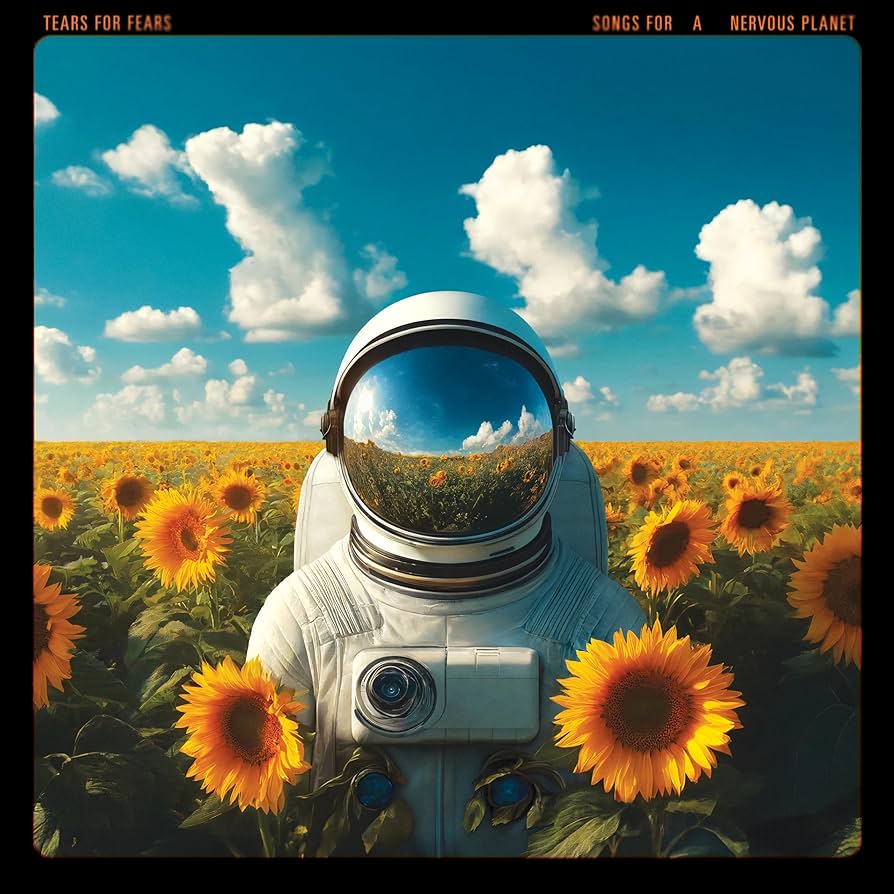
The Tears For Fears is primarily a live album, but the five new studio tracks are some of the best songs they’ve ever recorded.
You’ve already said everything I could want to say about the Airbag album. They continue to impress me with their social commentary, and their instrumental chops are outstanding. Their previous album, A Day At the Beach, is still my favorite, but The Century of Self is really, really satisfying.

The Bardic Depths’ new one is also a great album. Listening to it is like having a beer with C.S. Lewis, Tolkien, and the other Inklings. To my ears, it’s the most musically ambitious set of songs from TBD, and I have thoroughly enjoyed listening to it throughout 2024.

The Cure’s album came out of nowhere as far as I was concerned, and I approached it with some trepidation – there’s nothing worse than an old favorite trying to recapture the spark and failing miserably. Robert Smith et al. came up with a fantastic album that easily holds its own with their previous best. Amazing!

Frost*’s Life In the Wires is far and away the most-played album of 2024 for me. I have yet to tire of it, and every time I listen to it I find some new and delightful detail. Jem Godfrey sings all of the vocals on this one, and he is terrific. The beautiful melodies pouring out of my speakers are such a bountiful feast for my ears. The story is fascinating as well – a young man rebels against a world run by AI when he hears a pirate radio broadcast. After tracking it down to its source, it turns out to be an automated program. But then things get weird – he seems to sacrifice himself to become the new source of the radio broadcasts and spark an awakening of humanity. At least that’s how I read it. 

So that’s what I spent my time listening to this past year. I also loved the Ultravox Lament box set and the Talk box set by Yes. It’s nice to have this often overlooked album get the treatment it deserves. 

Brad: Yes, Tad, thanks for the reminder about Yes’s 30th anniversary edition of Talk.  The last of the Trevor Rabin-Yes era albums, it’s simply beautiful.  Clearly, the band was going for a progressive AOR sound at the time, but the production is so very clean.  I love the packaging as well for it.  Not overblown, but a solid release in terms of presentation.  Don’t get me wrong, I love big box sets like Lament by Ultravox, but sometimes the smaller packaging works just as well.  For me, Marillion’s and Jethro Tull’s releases–in terms of packaging–hit the sweet spot.  Basically small books that fit perfectly on a book shelf.

Thanks, too, for the story about the new Frost*.  I’ve listened to it numerous times, but I’d not figured out the lyrics.  What a great story!  Now, I’ll listen to it with different ears.

I’m so glad we agree on The Cure, on Airbag, and on Frost*.  Three essentials of the year.

As it turns out, The Cure also released their brand new album as a live release–Songs from a Live World–as well.  Gorgeous.  Seriously, what else can Robert Smith do?  He simply captures the mood of every era in which he finds himself.  And, I, for one, am so fortunate to be alive when Robert Smith is alive.

I would also note that 2024 is an important anniversary date.  Kevin McCormick’s gorgeous Squall came out in 1999, a mere 25 years ago!  Even the rather snobbish All-Music recognized the brilliance of Squall.  As far as I understand it, McCormick is working on a follow-up CD.

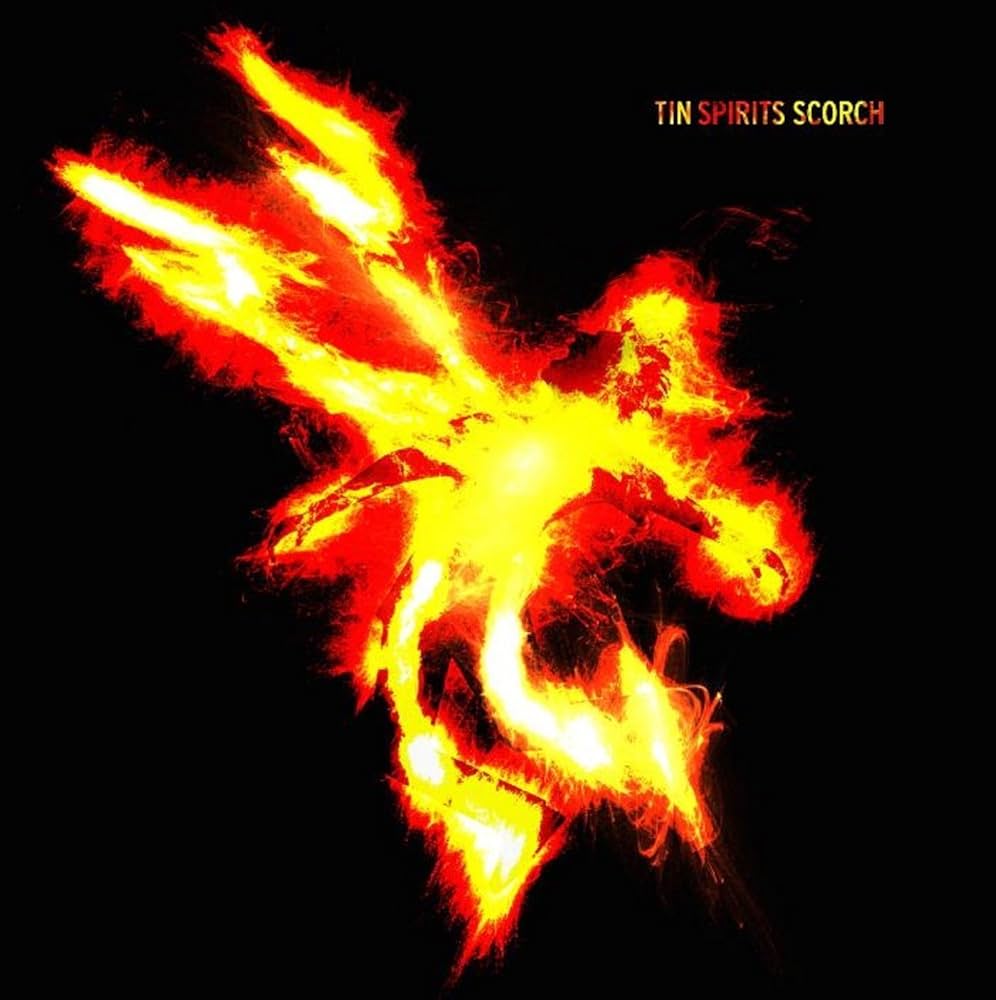
It’s also the ten-year anniversary of the genius Scorch by the Tin Spirits.  A favorite album.  Also, ten years ago, appeared the brilliant Demon by Gazpacho and Anathema’s mediocre to good Distant Satellites.  
But, Holy Moses, it’s not just about Tin Spirits.  If we go back to the twentieth anniversary of releases, 2004, we get to The Pineapple Thief, Variations on a Dream; Glass Hammer’s Shadowlands; Proto-Kaw, Before Came After; The Tangent, The World We Drive Through; Ayreon, The Human Equation; and Marillion, Marbles.  Sheesh, what else do you want?

Carl: Full and necessary confession: 2024 turned out to be year in which I listened to little new prog rock, or rock of any kind. Not for any lack of new and worthy rock music, but 2024 also turned out to be the year in which I fell quite a ways down The Vinyl Rabbit Hole. I’ll likely say more about that in a separate post on my favorite jazz of 2024, but suffice to say that I’ve been haunting various thrift and record stores. 

My most listened album of the year was released 30 years ago: Seal’s second album (1994), titled, inconveniently enough, Seal—just like his 1991 debut. A deluxe edition was released, with a remastered version of the album (fantastic), as well as alternative versions of the songs (also wonderful). I listened to this album countless times when it first came out, and I have never tired of it (or of his first or third, titled Human Being). Why has it resonated so strongly with me? I’m not entirely sure, but for me it is a perfect pop/rock album, and it sits squarely in the middle of a trio of albums that I continue to think is one of the finest three-in-a-row rock/pop album families you’ll ever hear. 

I enjoyed the new albums by Frost* and Pineapple Thief and if I listened more closely, I’m confident that I would really like them. Both bands have consistently produced accessible, intelligent prog rock of the highest order, so I plan to revisit them in the weeks to come. 

Caligula’s Horse’s Charcoal Grace is mysteriously but aptly titled, as the music has a dusky, burnt quality that also shines with many moments of delicate beauty. This Aussie band has been a longtime favorite, and this album adds to a discography rich with ridiculous chops and vocals at the service of exquisitely crafted songs. A keeper. 

Keep Me Fed by The Warning, the talented sister trio out of Mexico, is (as they say) a banger. Or a series of bangers, the sort of swaggering, catchy hard rock—with sublime harmonies—that has been sorely missed in recent years. For my money, I prefer their live versions a bit more; they are dynamic performers whose young ages (20 to 25) defy (even bely) the band’s evident maturity and exuberant zest. 

Speaking of all female bands, a somewhat guilty pleasure this year has been watching videos of the mind-melting Japanese metal band Lovebites. They have been compared to Iron Maiden and similar metal bands, which makes it all the more strange as I have never cared that particular genre. All five of these ladies are virtuosos, and Miyako Watanabe, one of the two guitarists, was a classical pianist until her late teens, when she picked up electric guitar for the first time. The live album Memorial For The Warrior Souls (2024) and the studio album Judgment Day (2023) are unrelentingly fast, in-your-face, melodic, and—yes—tremendous fun. Check them out live on YouTube and prepare to be amazed.

Myles Kennedy might just be the hardest working and (by all accounts) nicest rocker out there today, and his third solo album The Art of Letting Go is classic Kennedy—powerful, assured, dynamic, moving—with some nice little twists. His is one of the finest rock voices of the past couple of decades, but his guitar playing and song writing are just as polished, varied, and inviting. 
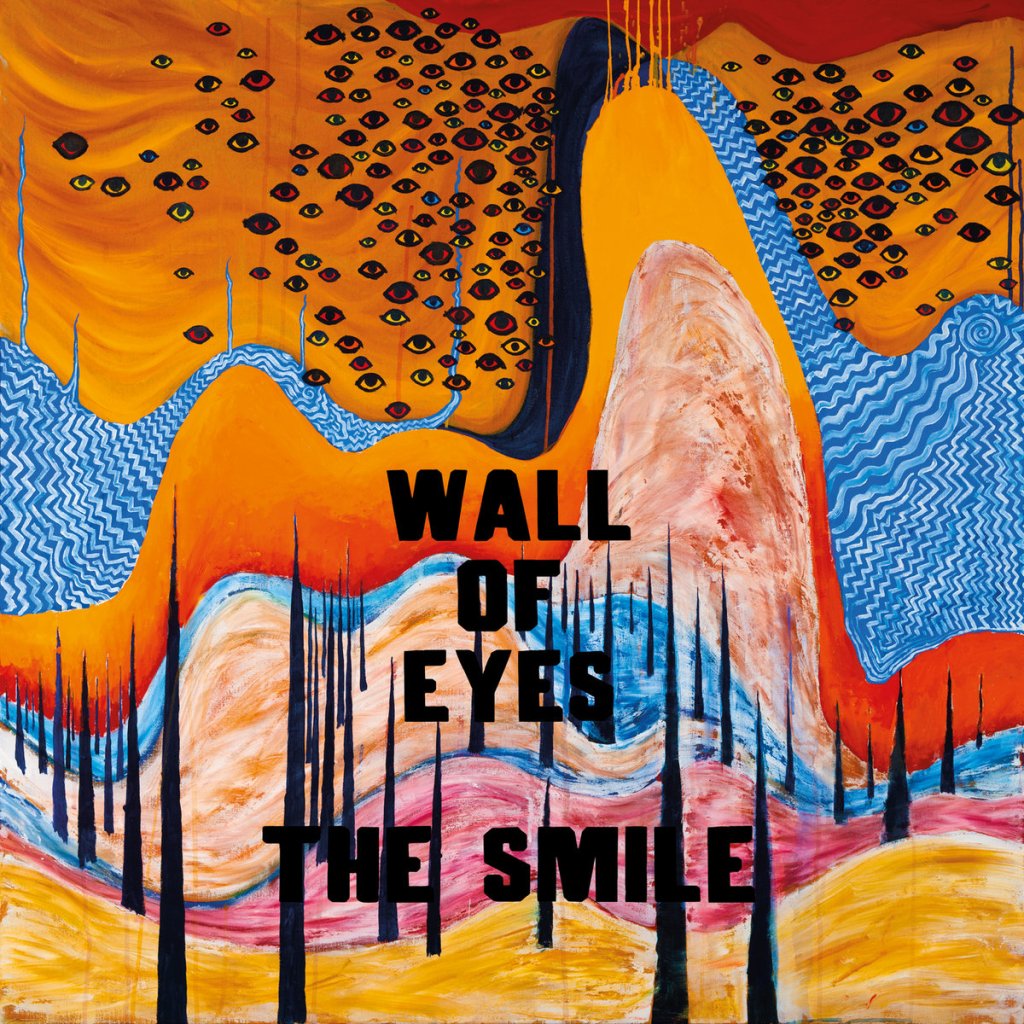
The Smile is like Radiohead if it didn’t have all of its members–and if it released albums more quickly. Which is what it is, with Thom Yorke (vocals, guitar, bass, keys) and Jonny Greenwood (guitar, bass, keys) joined by Tom Skinner (drums). Wall of Eyes (released in January) and Cutouts (same session, released in October) are quirky, dark, strangely fun, often weird, always melodic, and never, ever boring. Yorke’s voice is timeless and Greenwood’s playing, which is always so distinctive, is a revelation. And this album comes across to me as even more jazz influenced than their debut—but never in a direct, obvious way. Great stuff!

One of my favorite country artists, Dwight Yoakam, is back with his first new album in almost a decade. Brighter Days finds the Bakersfield legend firing on all cylinders, apparently reenergized by marriage and a young son. Dwight sounds half his age (68) and his band, no surprise, is tight and razor sharp. Every cut is worth the price, with the deceptively simple “I Spell Love” getting a nod from this fan. 

Speaking of artists aging well, Van Morrison continues his remarkable output, with three albums: Beyond Words, New Arrangements and Duets, and Live at Orangefield. The first is all instrumental and is enjoyable, with some unexpected quirks. The second is a solid collection, featuring collaborations with Kurk Elling, Joss Stone, and Willie Nelson, all to good effect. But the live album, recorded a few years ago, is a revelation, captures a mid-70s Morrison at the top of his powers, featuring (as usual) a crack band and some other-worldly backing vocals. It rewards repeated listens and is a notable testament to Morrison’s brilliance as both a singer and songwriter. 

Brad: Carl, excellent choices.  I, too, like The Smile, and I, too, (thanks to you) listened to a lot of Seal II as well!  I also bought Trevor Horn’s memoir, but I have yet to read it.

Well, folks, this pretty much wraps up 2024 for us.  We have a lot to look forward to in 2025.  It looks like The Cure will be releasing more music, there’s a new and final season of Stranger Things, and we’ll be celebrating the 50th anniversary of The Lamb Lies Down on Broadway by Genesis.  Not only is there a 50th anniversary edition of The Lamb coming out, but the brilliant Dave Kerzner has re-recorded the entire album and is offering it as a 3-cd set plus hi-res download for only $49.99, plus shipping.
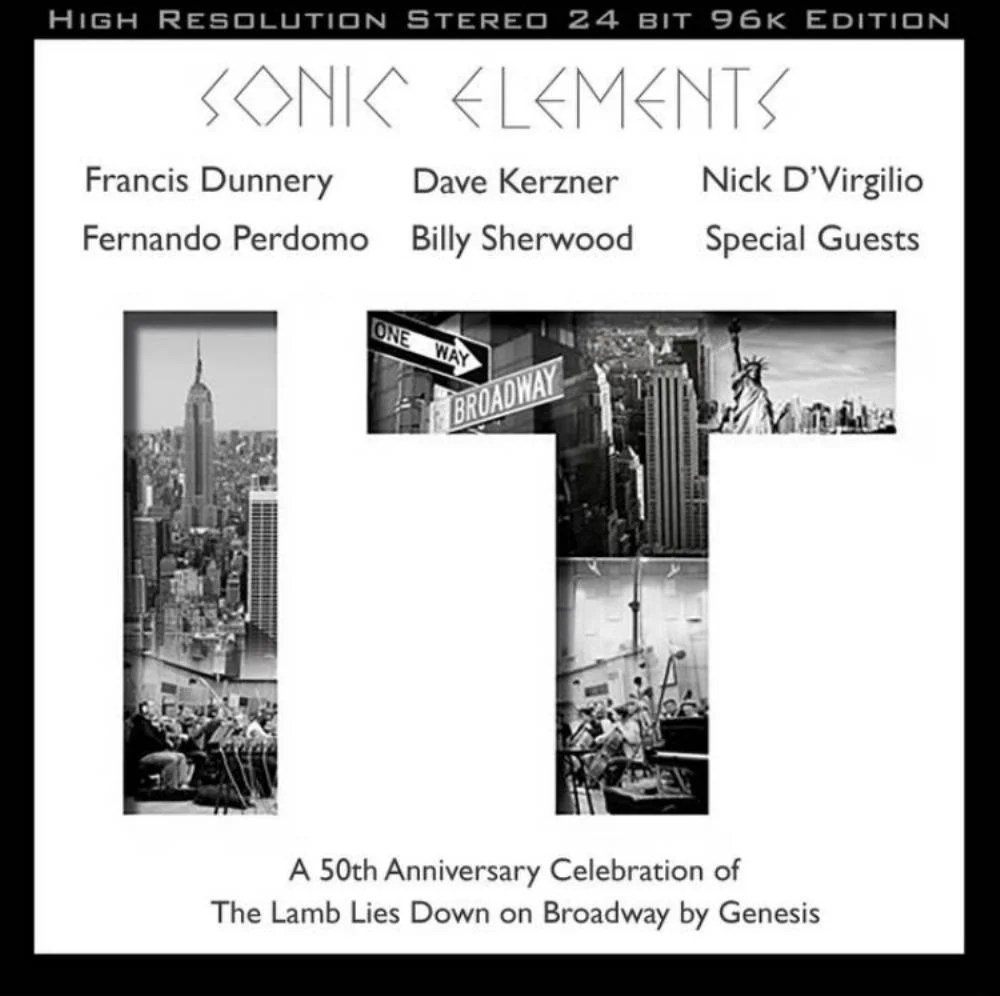
Big Big Train will be touring the U.S, and IZZ will be performing some stripped down shows–maybe even in Hillsdale!

I’m sure we’ll continue to give our hard-earned money to The Burning Shed and Rita Kay Drew’s The Band Wagon USA.  I highly recommend supporting both of these truly excellent business enterprises.  Amazingly enough, each is competitive with Amazon, even with overseas shipping costs.

Tad, Carl, Kevin, Erik, and I wish you all a Merry Christmas (remember, we’re only on day three of twelve), a Happy Hanukkah (remember, we’re also only on day three!), and Happy New Year, everyone!
Classic Radiohead: Prog, Alt, or Simply Creative Art Rock?

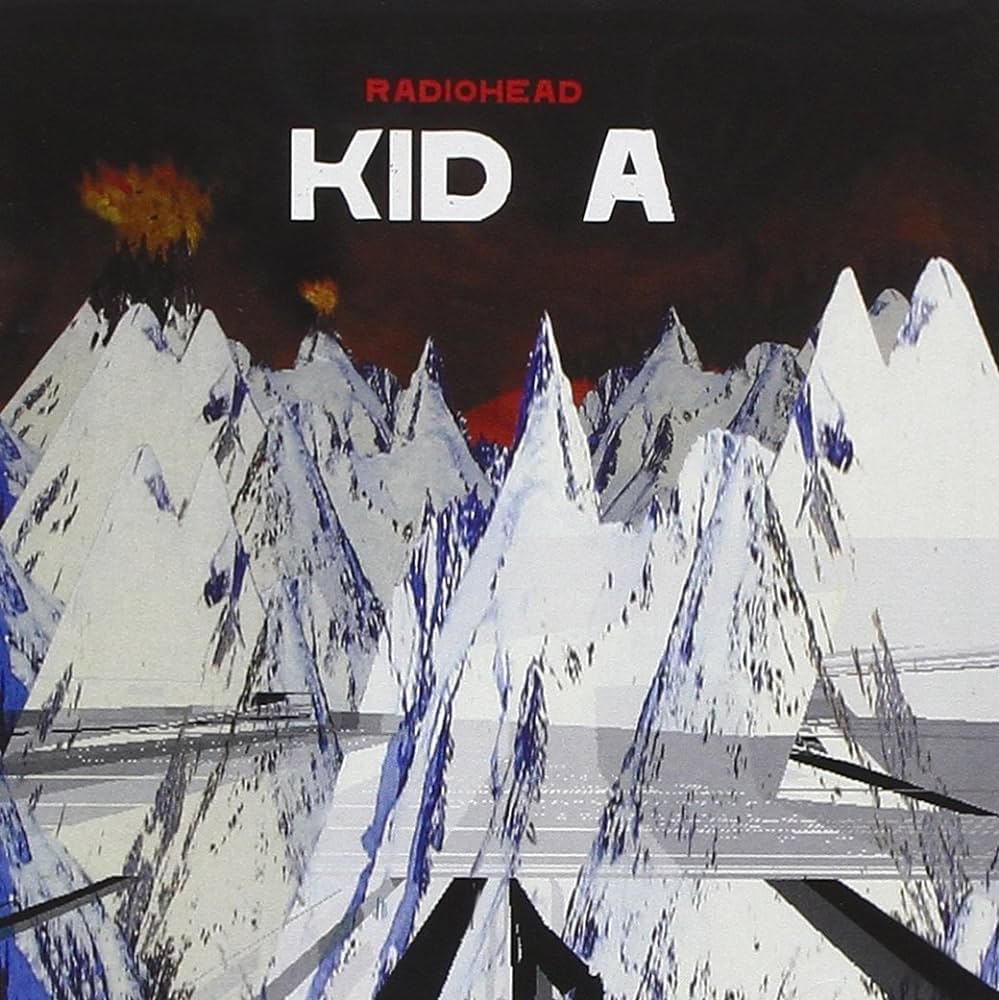
Dear Spirit of Cecilia readers, it’s time to dig into some prog/anti-prog/a-prog.  Is Radiohead prog or not?  I’m sure this question has been debated before.  Let’s just say, Radiohead did something unique and did something unique several times.  First, with Ok, Computer in 1997 and, then, again, in 2000 with Kid A.  The following dialogue reflects our thoughts about such innovation and creativity in the world.

Brad: Well, I’m happy to begin this conversation.  In the mid 1990s, I had heard the single, “Creep.”  Strangely, I was more familiar with the live Tears for Fears cover version than I was with Radiohead’s original, but I still knew the song pretty well.  To this day, I like the song, but I don’t love it.  And, if push comes to shove, I prefer the TFF version.  The unedited, R-rated Radiohead version of the song does nothing for me.

The mid-1990s were kind of wild for me, in terms of my profession as well as in my life.  I didn’t get married until 1998, when I was 30.  For part of the mid 1990s, then (single), I was working in Bloomington, Indiana, while working on my PHD (I loved Bloomington and my job there), and, for part of it, I was working in Helena, Montana (a city I loved, in a job that I hated; well, let me clarify.  I was working at the Montana Historical Society which I hated, but I was also teaching at Carroll College, which I loved).  

One day in Helena, I went to a local alternative shop (comics, music, etc.) to buy the latest issue of The Batman Chronicles.  On display, though, they had OK Computer, advertised as a “neo prog classic.”  Despite money being tight, I bought the album, went back to my apartment, and was suitably blown away by it.  Though I love Kid A more, I still have great fondness for Ok, Computer and always will.  Though “Karma Police” was the big single from the album, it’s the beginning of “Subterranean Homesick Alien” that I love the most.

From there, I went back and bought the first two Radiohead albums–Pablo Honey and The Bends.  I also bought the two eps–by special order–My Iron Lung and Airbag.  For what it’s worth, it was the two non-prog songs from the early albums–”Blowout” and “Street Spirit” that most intrigued me.

Tad: Brad, thanks for kickstarting this conversation about two albums that I like a lot. I got into Radiohead around the time of The Bends. I thought that record was wonderful, because I have always had a soft spot for Beatlesque power pop. I didn’t really enjoy OK Computer, because I felt that they had betrayed their pop roots! Of course, with the passage of time and greater perspective, I love it now (except for Fitter, Happier).

When Kid A was about to be released, I remember they put out Everything In Its Right Place as a teaser on Amazon, I think (this was years before YouTube, remember!). I listened to that one track obsessively – I couldn’t get enough of it! But when the entire album was finally released and I got a chance to listen to it, I was completely turned off. To my ears, they had completely abandoned melody and replaced it with abrasive noise. It was literally years before I would return to it and give it another chance.

I guess I have a love/hate relationship with Radiohead. I spent the past couple of days listening to Kid A and Amnesiac (along with the bonus tracks on their 2009 respective reissued editions). There are moments of incredible beauty on both albums: Everything In Its Right Place, Optimistic, Pyramid Song, Knives Out, come to mind. But Thom Yorke’s vocals grate on me in so many places. He sounds querulous and whiny; it’s as if he can’t find any joy in life at all. “Catch the mouse/crush its head/throw it in the pot”…. Is that a rant against meat eaters? I don’t know, but he sounds so desperate!

Also, Stanley Donwood’s artwork is extremely off putting to me. There is a condescension and disdain for normal people who are just trying to raise a family, earn an honest living, and not make waves. Maybe I’m reading too much into it, though. Tell me where I’m wrong, please!

Brad: Tad, thanks so much for your good thoughts.  You and I almost always agree, so it’s really interesting to me when we diverge from one another.  My views are almost completely opposite of yours, but I suppose timing has a lot to do with it.  I mentioned earlier that I came across OK Computer really by chance – seeing it in a display in an alternative shop in Helena, Montana, of all places.  

I was in my second year at Hillsdale when Kid A came out.  It was the fall semester, and I remember so clearly getting the album.  I not only played Kid A repeatedly, but I poured over the lyrics, the art, the booklet, anything that would offer even a smidgen more information about the band and the album.  I absolutely loved it when I discovered there was a second booklet, locked under the cd tray.

I played Kid A so much–especially in the background during office hours–that it became a conversation piece with my students and me.  So, the album is associated–for me at least–with extremely good memories.

And, I actually like Donwood’s artwork.  I even own two books of his art, one of which I have proudly displayed on our living room bookshelf!

Carl: I know, for a fact, that I cannot be objective at all about either album! And there is some freedom in admitting that.

I can relate quite well, Tad, to two of your remarks: the one about having a “love/hate relationship with Radiohead” and your observation that “there are moments of incredible beauty on both albums…” Amen, amen! 

For me, setting aside “Fitter, Happier,” which is either an act of genius or an act of cynical annoyance, I think OK Computer is one of the most beautiful, gut-wrenching albums ever recorded—regardless of genre. I don’t recall Radiohead being on my radar at all back in 1997, when I walked into CD World (R.I.P.) in Eugene, OR, and heard it on a listening station. 

I was immediately transfixed by the album, which I bought and then listened to hundreds (no exaggerations) of times over the next couple of years. I would listen to it often while driving to and from Portland, from the fall of 1997 to spring of 2000, for MTS classes. 

Oddly enough, the stark—but somewhat hopeful—lyrics seemed to go well with my studies, although I don’t know how to explain it. But, again, it was the sheer gorgeous quality of the album, with its amazing melodies, detailed arrangements, astonishing sonics, and the elastic voice of Thom Yorke. And the guitars! I soon bought both Pablo Honey and The Bends, and while the debut album was “okay,” I thought the sophomore release was a remarkable work, with several songs that rivaled what came along on OK Computer.

I mention the guitars because my first reaction to Kid A was simply, “What the hell is this?! Where are the guitars?!” It threw me for a loop so deep and big that I actually refused to listen to it for quite some time. For whatever reason, it did not connect with me at all. 

Oddly enough, it was through some acoustic/instrumental covers of Radiohead songs—by pianists including Christopher O’Riley, Brad Mehldau, and Eldar Djangirov—that I warmed up to the album. And while it will never, for me, equal its predecessor, I now recognize just how great it is. Once again, it’s the beauty of the music—in songs such as “Morning Bell”, “Everything In Its Right Place”, and “How To Disappear Completely”—that comes to the fore. 

Tad: Carl, you expressed my initial misgivings about Kid A so much better than I did. “Where are the guitars?” Yes!!! I also gained a greater appreciation for the songs on Kid A, composition-wise, through listening to Christopher O’Riley’s classical piano versions. I love the album now. As far as Donwood’s artwork, I just get such negativity from it, but that’s my personal reaction.

Looking back, it’s hard to understand these days just how influential Radiohead was. Everyone was compared to them. I don’t think there would be a Coldplay without Radiohead. Remember the British band Travis? They were a poppy, “safe” version of Radiohead. One of my favorite European groups is Kent, from Sweden. They were obviously heavily influenced by Radiohead. 

What is amazing to me is how Radiohead kept their audience, no matter how left-field and out-there their music got. I also appreciate how innovative they were in marketing themselves. Remember when they released In Rainbows online, for basically free? They anticipated streaming music years before it existed.

Brad, I wish I had the same experience you had of stumbling across OK Computer and incorporating Radiohead’s music into your life. I think I feel the same way about earlier artists such Roxy Music, Depeche Mode, and New Order. I can’t imagine not having them available, and their music means so much to me on an emotional level. Listening to them still transports me to different times of my life.

Kevin: The confluence of artists assembled in the conglomerate called Radiohead is remarkable.  It is rare for a musical group to emerge that gels together. It is yet rarer for one to collectively seek something new and striking, something visionary. It is the rarest of all to have one that can consistently break new territory in a way that feels always new.

In the summer of 1997, having just completed a recital and performer diploma in classical guitar, I began work on my second progressive rock album. I was seeking to break such new ground working on compositions, lyrics, instrumentation, arrangements. It was a joy and yet painful to continually do this work on my own while seeking sympathetic artists to this vision. In particular I was seeking a drummer who could capture the raw talent of my original co-conspiriator, my brother Colin.

Colin and I had literally grown together in our listening, writing, and performer during my latter school days at home. We didn’t need conversation to know when things worked—we just clicked. I didn’t realize just how rare this was until some years later when we did find a chance to regroup and perform again.

In 1997 we were thousands of miles apart and still living in the days when long-distance calls were as rare as they were expensive. But during one such rare call, I remember him mentioning that I had to get the new Radiohead album OK Computer. He knew my tastes. He knew my aversion to new music of the 90s—for the most part I found grunge to be over-blown and entitled. There were exceptions, but it all seemed unjustifiably angry and sulking and focused on screaming in the darkness because they couldn’t be bothered to look for the light switch.

OK Computer, he assured me, was “different. You have to give it a listen!”

The opening distorted guitar line of “Airbag” gripped my attention immediately.  It was melodic but angular, technically adept but rough at the edges, weirdly familiar yet strangely weird. One thing was abundantly clear—these guys had it. The playing was exciting, inventive, and in-the-pocket— except when the haunting character android made its presence felt—and then it was oddly off-kilter, but consistently the band worked its magic together, as a multiple pulsing organism.

The album is brilliant and it set a new standard for creativity in the popular music realm. I could write a book on this album alone. Their use of texture, tone, timing, timbre, text, and contrast appears to flow effortlessly from their collective creative pen. These skills fully come to the fore on OK Computer, where there is a loose narrative (dare I say “Concept”) to the album. But equally on Kid A the stops and starts within and between tracks, the intros and endings, the attentiveness to sonic space. Historically there are moments of brilliance throughout the progressive rock catalog, but here, in Radiohead, was something for a new millennium. Even the contrast between OK Computer and Kid A is extraordinary. 

Then there are the melodic and harmonic moments of sheer genius! The way the melodies weave from one section to another, the shift of harmonic focus from a single altered note, the blurring of lines between keys and major/minor constructions. You all know my fondness for Talk Talk’s latter work, which expresses through minimal chords and melodies and achieves artistic triumphs using very basic musical theorems combined with an incredible musical instinct. Radiohead uses maximalism in their approach and since it is a vision more of a collective than a single artist, the result is almost overwhelming to the senses.  After a good listen to either of the albums of this essay I literally have to give my ears a rest—it’s so intense.

And yet, listening back, while I still love the creativity, the craft, the brilliance, the technical adeptness, I have to agree with Tad. The dark vision and tone and word with no hint of redemption anywhere suffocates. It’s one thing to work with chiaroscuro, the renaissance artistic technique of using darkness to emphasize the light. Radiohead accels at contrast from a sonic standpoint. I just wish the texts and the vision equally offered an understanding of the beauty of life and not only its tensions. I love the experience of Radiohead’s extraordinary works of human imagination, but in the end I crave the light.

Brad: All right, friends and neighbors, this concludes our discussion of Radiohead–and not just Radiohead, but classic Radiohead–OK Computer and Kid A.  As is obvious, we don’t all agree, but we love one another!  Here’s hoping you love us as well.

As always, we recommend you buy from Burning Shed, our go-to online store: https://burningshed.com/product/search&sort=p.viewed&order=DESC&filter_tag=Radiohead

Steven Hyden’s Radiohead’s Kid A

I had just turned 33 when Radiohead’s Kid A came out on October 2, 2000, and I was in my second full-year of teaching at Hillsdale College.  My wife and I had been married for two years, and we were expecting our second child.

Though I purchased it on CD, I pretty much wore it out playing it continuously for a year or so after its release (at least until Amnesiac came out the following late spring).  For whatever reason, I especially loved having Kid A on low volume during office hours.  It, more often than not, became a conversation piece with my students.  And, my students seemed to love the album as much as I did.

Admittedly, I was relatively new to Radiohead.  Like everyone else in the early 90s, I had heard “Creep”—Radiohead’s original and the Tears for Fears cover—innumerable times, but it never just grabbed me.  It always seemed like a nice alternative pop song, but nothing more.  At the time, I was even surprised that someone as innovative as Roland Orzabal played it, considering his original music. . . well, far more original.

In the fall of 1997, I purchased O.K. Computer in a small record shop in Helena, Montana.  To say that I was blown away by it would be a total understatement.  The album absolutely floored me, and, being a prog rock guy, I thought prog had found its answer to the disappearance of classic Yes and Peter-Gabriel era Genesis.  Admittedly, I became more than a little obsessed with Radiohead, purchasing then Pablo HoneyThe BendsMy Iron Lung,  and Airbag.  I had family and friends in Japan at the time, and I was able to get some Japanese releases of Radiohead, too.  In other words, I became a full-blown Radiohead obsessive.  To this day, I own every release (including several obscure ones) as well as several books by or about Radiohead.  I also religiously watched the video, Meeting People is Easy.

Yet, for whatever reason, I’ve hardly written about the band.  I’ve listed Radiohead albums—especially Kid A—as among my favorites, but I’ve never given them the writing space I’ve given to Talk Talk, Rush, Steven Wilson, Big Big Train, Kate Bush, or Tears for Fears.

To be sure, I have no idea how I missed Steven Hyden’s excellent 2020 book, This Isn’t Happening: Radiohead’s Kid A and the Beginning of the 21st Century.  In fact, crazily, I’d never heard of it until my wife gave it to me for Christmas.  Then, I devoured it.  A truly great read.

A music journalist, Hyden—ten years younger than yours truly—offers a memoir of growing up with Radiohead and being 23 when Kid A first appeared.  As he sees it, though Kid A preceded 9/11 by nearly a year, it perfectly captured the mood of the beginnings of the twenty-first century, a century, thus far, of political polarization, paranoia, and warfare.  This, then, is the essence of the book.  Throughout This Isn’t Happening, Hyden offers a beautiful essay on the meaning of music, the meaning of life, and the meaning of the world.  It’s all terribly subjective, of course, but it’s excellent as such.

As he brilliantly sums up in his conclusion:

“That’s what I hear now when I listen to Kid A—a desperation to not feel disconnected from one another, our environment, our very own souls or whatever the essence of who we are is.  Radiohead diagnosed this malaise at the heart of so many of us at the dawn of the twenty-first century.  And then they (perhaps unwittingly) offered themselves up as a remedy, crating music that has provided a common thread in our personal narratives, a rare constant presence amid so much change and disruption.  Even as everything else in your life has been turned over since the first time you heard ‘Creep,’ you still have your relationship with this band’s music.  Even when Radiohead themselves have felt lost, they’re provided ballast to so many of us for decades.  You can hear the common anxieties that bonded so many of us back then in Kid A—about technology, about globalism, about the precarious state of truth and decency in our political lives.  Radiohead conveyed these chaotic feelings with free-jazz horn sections and Aphex Twin-inspired glitches and other musical flourishes that might seem outdated now.  But, the vibe of this record—the uncertainty, the darkness, the abject fear that things will only grow worse—has felt like a constant in our world ever since.”

While I could relate to many of Hyden’s personal experiences, there were also several I couldn’t.  On the relatable side, I never once voted for a Bush—the original or Scrub—and I’ve been deeply opposed to the military conflicts after 9/11.  

On the unrelatable side, Hyden comes from a much more culturally left-wing position than I do, and I’m also coming out of a prog background rather than a pop one.  Hyden also references several music groups and movies I’ve never even heard of.  I suppose this is just a generational defect on my part.

Hyden also makes a convincing case that Kid A is a bold and revolutionary move in Radiohead’s discography.  To me, it was always a natural and fascinating evolution from OK Computer, in the way that Talk Talk’s Spirit of Eden evolved from The Colour of Spring.  After reading This Isn’t Happening, I’m now more on Hyden’s side.  Maybe Kid A truly was revolutionary for the band.

I only have one complaint, and it’s a fairly minor one.  At times, Hyden is prone to exaggeration.  Believe me, it’s part of the charm of the book, too.  But, when he makes statements such as 9/11 being “the worst tragedy in American history,” I have to scratch my head.  Worst in what way?  Numerically?  Far more—in fact, 52,000—died at the Battle of Gettysburg.  Morally?  I would call the internment of Japanese-Americans under Franklin Roosevelt, the enslavement of African-Americans, or the unwarranted decimation of the American Indian far more tragic.  Anyway, a minor complaint.

I don’t want to end on a negative note.  Again, I highly recommend this book—for anyone interested in music or, frankly, the world itself.  One of my favorite parts of This Isn’t Happening was the author hypothetically creating his own version of Kid A/Amnesiac.  It was thoughtful and thought-provoking, and I felt like a good friend had just made a mixed tape for me.  Thank you, Steven.

Those Awkward Teenage Years – The 2010’s, pt. 7: 2016

Welcome to Spirit of Cecilia’s retrospective of this decade’s musical highlights! This is the seventh chapter, which covers the best of 2016, and Hoo Boy! we had a bumper crop of great music that year. Here are 20(!) of the best prog and rock albums from 2016, in alphabetical order.

Big Big Train: Folklore

Big Big Train continued its decade-long conquest of progworld with Folklore. A big part of their appeal (aside from their wonderful musicianship and beautiful melodies) is their knack for finding forgotten heroes and paying musical tribute to them. In Folklore, we are treated to the fascinating story of the messenger pigeon, Winkie. “The Transit Of Venus Across The Sun” is another indispensable BBT track.

Blueneck: The Outpost

Blueneck hails from Britol, UK, and The Outpost was one of the standout albums of 2016. Shimmering, slow-building, atmospheric, and majestic music made this a compulsive listen for me. “From Beyond” is a tremendous track.

David Bowie: Black Star

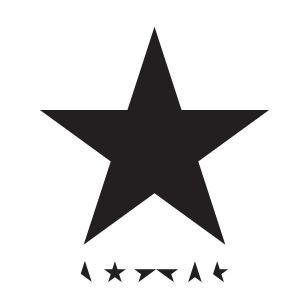
David Bowie had this album released posthumously. As always, he resists easy categorization. The nearly ten minute title track is full of skittery rhythms, disembodied jazz sax, and disturbing lyrics. A fitting final statement from one of the most talented and creative souls in music.


Cyril: Paralyzed

I did not hear about this group until recently, but I am glad I discovered them. Cyril is from Germany, and Marek Arnold and Manuel Schmid are members. Paralyzed is a fantastic prog album – one of the best of the last ten years. There are hints of classic Genesis in their sound, and I can’t recommend this album enough.

Devin Townsend Project: Transcendence

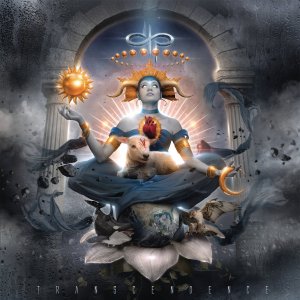
It looks like this is the final offering from the Devin Townsend Project, and what a way to finish! They revisit a DTP classic (“Truth”), and cover a Ween song (“Transdermal Celebration”). In between are some of the strongest songs Townsend has ever written. His vocals can make my hair stand on end, they are so, well, transcendent.

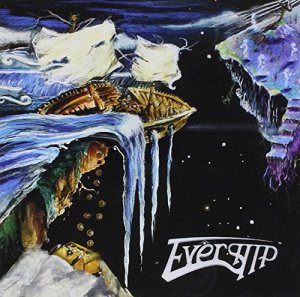
Evership

Evership is from my own city of Nashville, TN, but I would add this to our list regardless of their location. These guys write lyrical epics that are performed flawlessly. “Ultima Thule” is a near-perfect song, building slowly and quietly to a roaring conclusion. I can’t wait to hear more from this group.

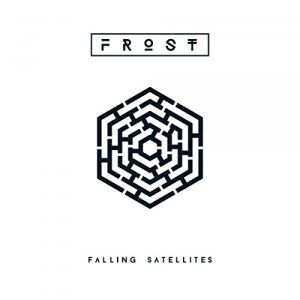
Frost: Falling Satellites

How about a little fun? Jem Godfrey’s project Frost* released a terrific pop/prog collection in 2016 that I still listen to often. “Closer To The Sun” is one of the most enjoyable and reassuring seven and a half minutes in music.

Glass Hammer: Valkyrie

Glass Hammer embraced their inner Rush and put together a challenging concept album based on the trauma suffered by a WWI veteran. Suzie Bogdanowicz never sounded better, the band rehearsed all the songs before recording, and it shows. They really fire on all cylinders.

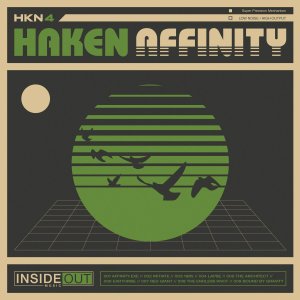
Haken: Affinity

Haken took a time machine back 30-odd years ago for Affinity. There all kinds of vintage synth sounds and nods to ’80s hair bands that make Affinity a hugely enjoyable record. Of course, they still have their 21st century wall of sound on great songs like “1985” and “The Architect”. This is one of Haken’s best albums, and it is scary how good they are.

Headspace: All That You Fear Is Gone

The second album from Adam Wakeman’s and Damien Wilson’s project was a stunning set of songs. There are rough blues (“Polluted Alcohol”), straight ahead metal (“Kill You With Kindness”), and complex prog (“The Science Within Us”). “Secular Soul” is the kind of song that forces you to stop what you’re doing and just listen.

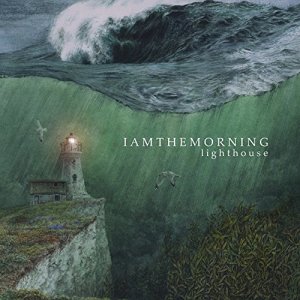
iamthemorning: Lighthouse

A beautiful and sensitive portrayal of a young woman’s battle with mental illness, Lighthouse was iamthemorning’s second album. In my original review, I noted, “Imagine, if you will, a world where Aerial-era Kate Bush, Dumbarton Oaks-era Igor Stravinsky, and Sketches of Spain-era Miles Davis got together to compose a song cycle.”

Kansas: The Prelude Implicit

One of the biggest surprises of 2016 was the triumphant return of Kansas. This was no cashing in on nostalgia – this was a truly excellent album that successfully compares to their classics from the ’70s and ’80s. Welcome back, boys!

Kyros: Vox Humana

These guys started out as Synaesthesia, and morphed into Kyros. Whatever they call themselves, Adam Warne and Co. are some of the most talented songwriters and musicians working today. Vox Humana was a 2-disc concept album about a scientist who creates an artificial human, and the problems that ensue. Highly recommended.

Neal Morse Band: Similitude Of A Dream

The Similitude Of A Dream was the Neal Morse Band’s second album, and it was a monster. Over 2 hours long, it told the story of John Bunyan’s Pilgrim’s Progress. Upon its release, it was immediately hailed as a prog classic.

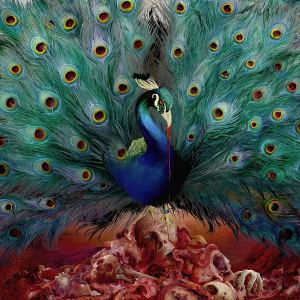
Opeth: Sorceress

Opeth’s Sorderess topped a lot of critics’ Best of 2016 lists. With this album, Opeth laid to rest any remains of their death metal past, and jumped headlong into prog.

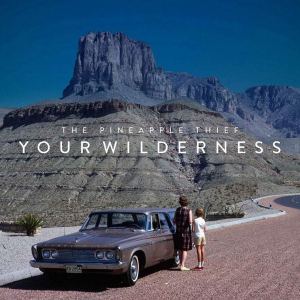
Pineapple Thief: Your Wilderness

In 2016, Pineapple Thief released what I consider to be their finest album to date, Your Wilderness. Bruce Soord came up with a diverse and satisfying set of songs that really rocked (“Tear You Up”). Gavin Harrison plays drums, and he kicks them into high gear.

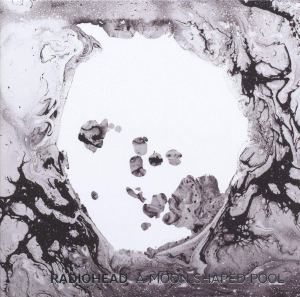
Radiohead: A Moon-Shaped Pool

Radiohead rediscovered melody on A Moon Shaped Pool and came up with a beautiful album. String quartets, gentle synth washes, and massed voices combine for one of their finest hours.

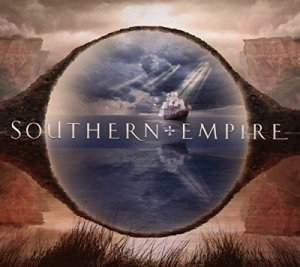
Southern Empire

Australia’s Sean Timms (keyboards) and Danny Lopresto (vocals, guitar) lead this marvelous new prog band. Their debut was one of the best albums of 2016, with “The Bridge That Binds” the standout track.

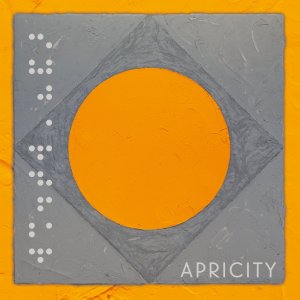
Syd Arthur: Apricity

I listened to this album by Syd Arthur more than practically anything else in 2016. It is a funky, catchy set of songs that remind me a bit of Talking Heads. I dare you to sit still while listening to “No Peace”.

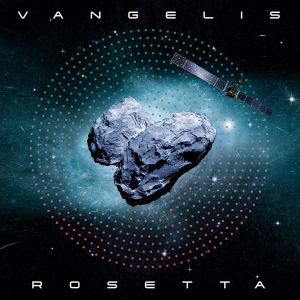
Vangelis: Rosetta

And finally, an offering from an old veteran: Vangelis. He can veer dangerously close to cheesy romanticism, but Rosetta is one of his best set of songs in his long career. He composed them to accompany the European Space Agency’s Rosetta spacecraft that successfully landed on a comet. It is appropriately spacey and atmospheric.

Whew! I hope this long post convinced you that 2016 was one of the best for great music. Let us know in the comments below what you enjoyed back then.

Those Awkward Teenage Years – The 2010’s, pt. 2: 2011

In our continuing series of posts celebrating the music of the 2010’s, here is Chapter 2: 2011.

2011 was a relatively quiet year music- and prog-wise. I’ve chosen to highlight ten albums that have survived the test of time, and one or two might surprise. Once again, they are listed in alphabetical order.

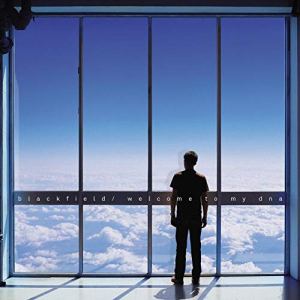
Blackfield: Welcome To My DNA

A Steven Wilson side project with Aviv Geffen, Welcome To My DNA is their third release. This was a very nice, radio-friendly collection of songs (with one terrible misstep: Geffen’s “Go To Hell”).  With the benefit of hindsight, one can see the influence this project had on Wilson’s excellent To The Bone years later.

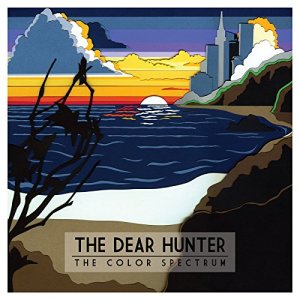
The Dear Hunter: The Color Spectrum

Casey Crescenzo took a break from his six-act arc of albums (still in progress, BTW) to record this nine EP collection of songs inspired by the color spectrum. It begins with black, and works through the rainbow to end at white. It sounds insufferably pretentious, but it works. Dear Hunter manages to master every conceivable style of rock, from hard-core industrial (black) to pleasant folk (yellow). If you missed this set, check it out. It is an amazing achievement.

Duran Duran: All You Need Is Now

Duran Duran were always far more than ’80s pinup boys. Simon LeBon is a fine lyricist, and their melodies stand the test of time. All You Need Is Now is a surprisingly strong album, where they come close to the peaks they reached in their heyday, after spending years wandering in the wilderness.

Glass Hammer: Cor Cordium

The second Glass Hammer album to feature vocalist Jon Davison, and it builds on the strengths of 2010’s If. Every track is a winner, with “To Someone” a particular highlight. Once again, the cover art is a hoot.

Neal Morse: Testimony 2

Neal Morse continued chronicling his conversion to Christianity, focusing this time on a miraculous healing of his infant daughter. As expected with Morse, the music is excellent as endlessly satisfying melodies pour forth. The bonus disc contains three of his finest compositions: “Absolute Beginners”, “Supernatural”, and the 26-minute epic “Seeds Of Gold”.

Radiohead: King Of Limbs

Radiohead releases are few and far between, so when King Of Limbs showed up in 2011, it caused a stir. The first five tracks are dominated by relentless rhythm – maybe they’d been listening a lot to Philip Glass and Steve Reich? Anyway, it isn’t until “Codex” that a real melody shows up. “Give Up The Ghost” and “Separator” close things out on a relatively gentle note.

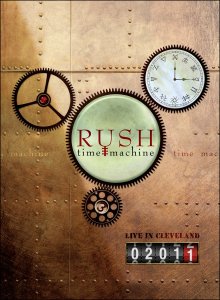
Rush: Time Machine

A DVD/CD set that documented Rush’s performance in Cleveland. Rush has released a lot of concert videos, and this is one of their best. They weren’t touring in support of a specific album, so they cover songs from every phase of their long career, and even preview a couple from the not-yet-released Clockwork Angels.

Sanguine Hum: Diving Bell

When I first heard this group, I was very excited. They managed to meld Devo-like rhythms to XTC-worthy tunes while creating a sound all their own. This was the strongest debut album of 2011, and is still a joy to listen to.

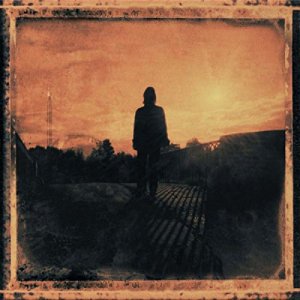
Steven Wilson: Grace For Drowning

Steven Wilson’s second solo album, and it put to rest any hopes of Porcupine Tree working together again. This was an ambitious two-disc set that ran a gamut of styles. Wilson is an inspired composer of seductive melodies (“Deform To Form A Star”), and he isn’t afraid to wear his influences on his sleeve, i.e. late-’60s Beach Boys or King Crimson. Like a lot of double albums, it might have been stronger as a single disc.

Yes: Fly From Here

Just when you think you’ll never hear anything new worth hearing from Yes, they surprise you with a strong album like Fly From Here. This one featured vocalist Benoit David, from the Canadian group Mystery, and it included Trevor Horn and Geoff Downes from Drama days. One of their best late-career efforts.

And that wraps up our musical look back to 2011. Not the most productive year with regard to prog, but just wait until 2012 – the floodgates are about to open!